Browse Breeds A-Z
Working Group

Chinook

AffectionateIntelligentPatient
Chinook

Height

24-26 inches (male), 22-24 inches (female)

Weight

55-90 pounds (male), 50-65 pounds (female)

Life Expectancy

About 12-15 years

Size

Large

What Chinooks are like

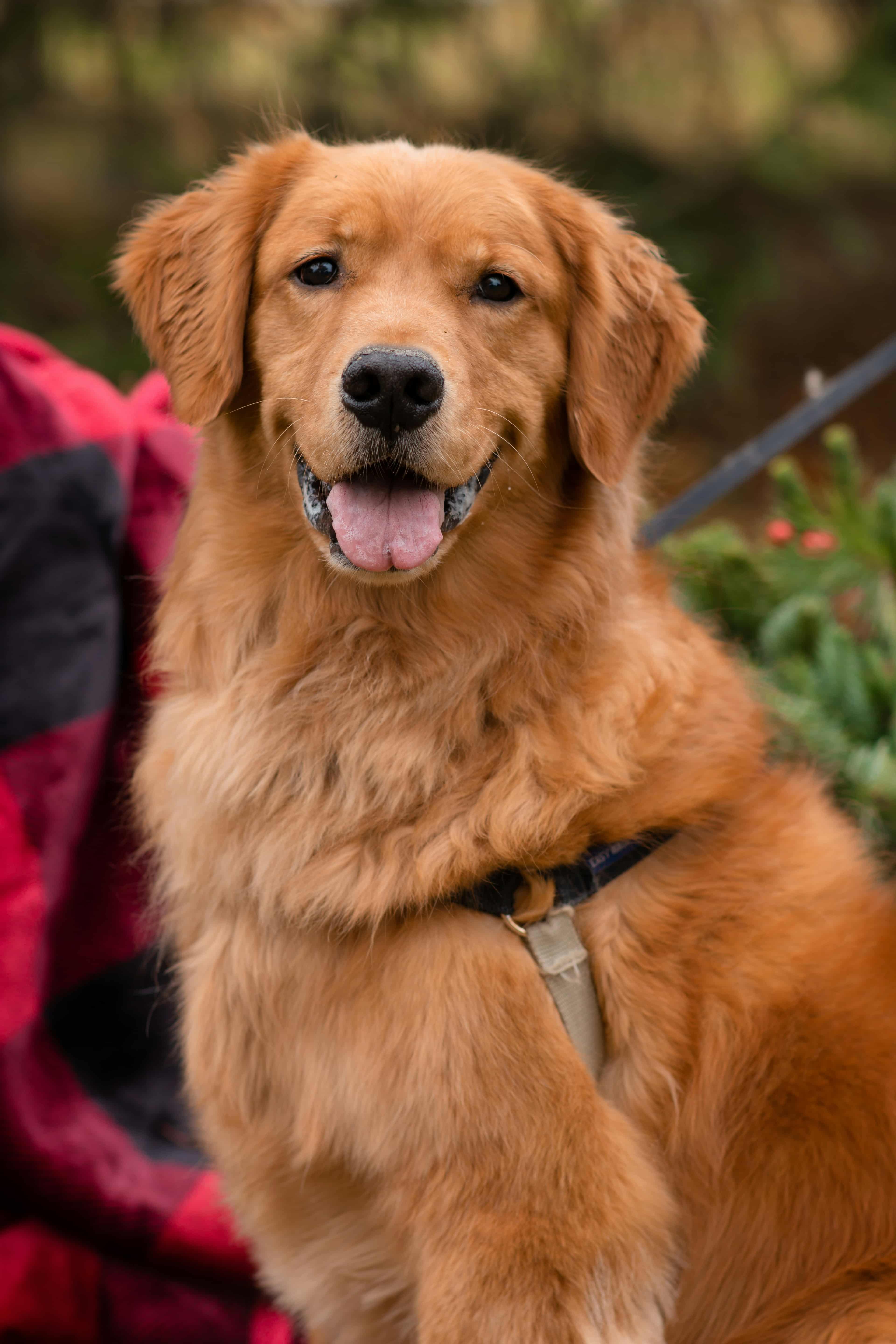
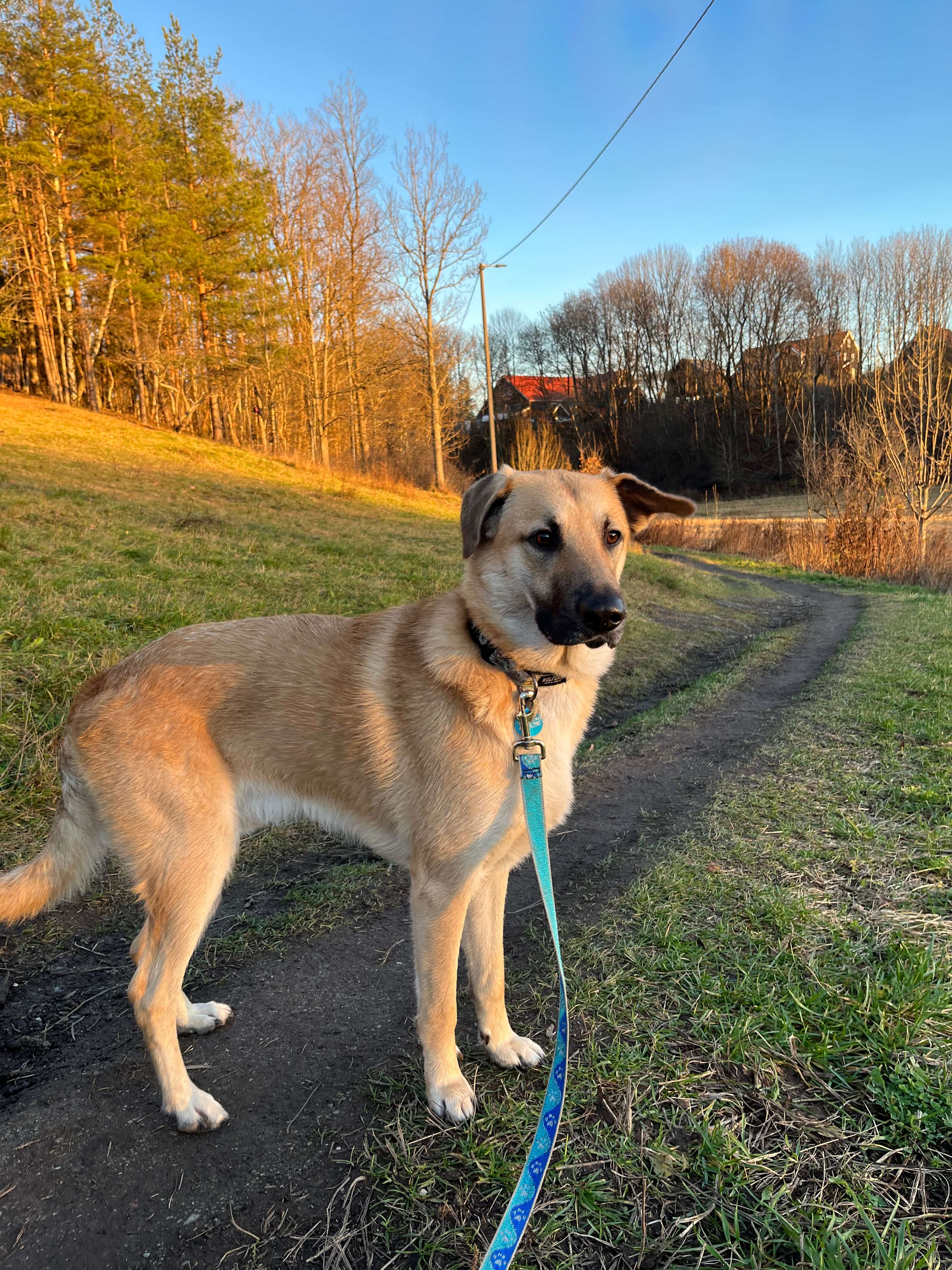
The Chinook is a rare American working dog built for a close partnership with its people. Developed in New Hampshire for drafting and sled racing, the breed combines athletic power with a calm, affectionate family style.

A good Chinook is usually patient, people-oriented, intelligent, and willing to work with its family. Many are warm with familiar people and can be more reserved with strangers, so early positive socialization matters.

The same working-dog background can be hard in a casual home. Chinooks need daily activity, mental work, and companionship. A dog that is bored, under-exercised, or left alone too much can become restless, noisy, or destructive.

Is the Chinook right for your home?

Best match for...

Active Families
People Home Often
Training Ready Homes

Strong fit if...

You want an active dog that stays close to the family

Chinooks usually do best as included house dogs. They can be wonderful companions for people who want a dog involved in walks, hikes, training, errands, and downtime.

You enjoy giving a dog a job

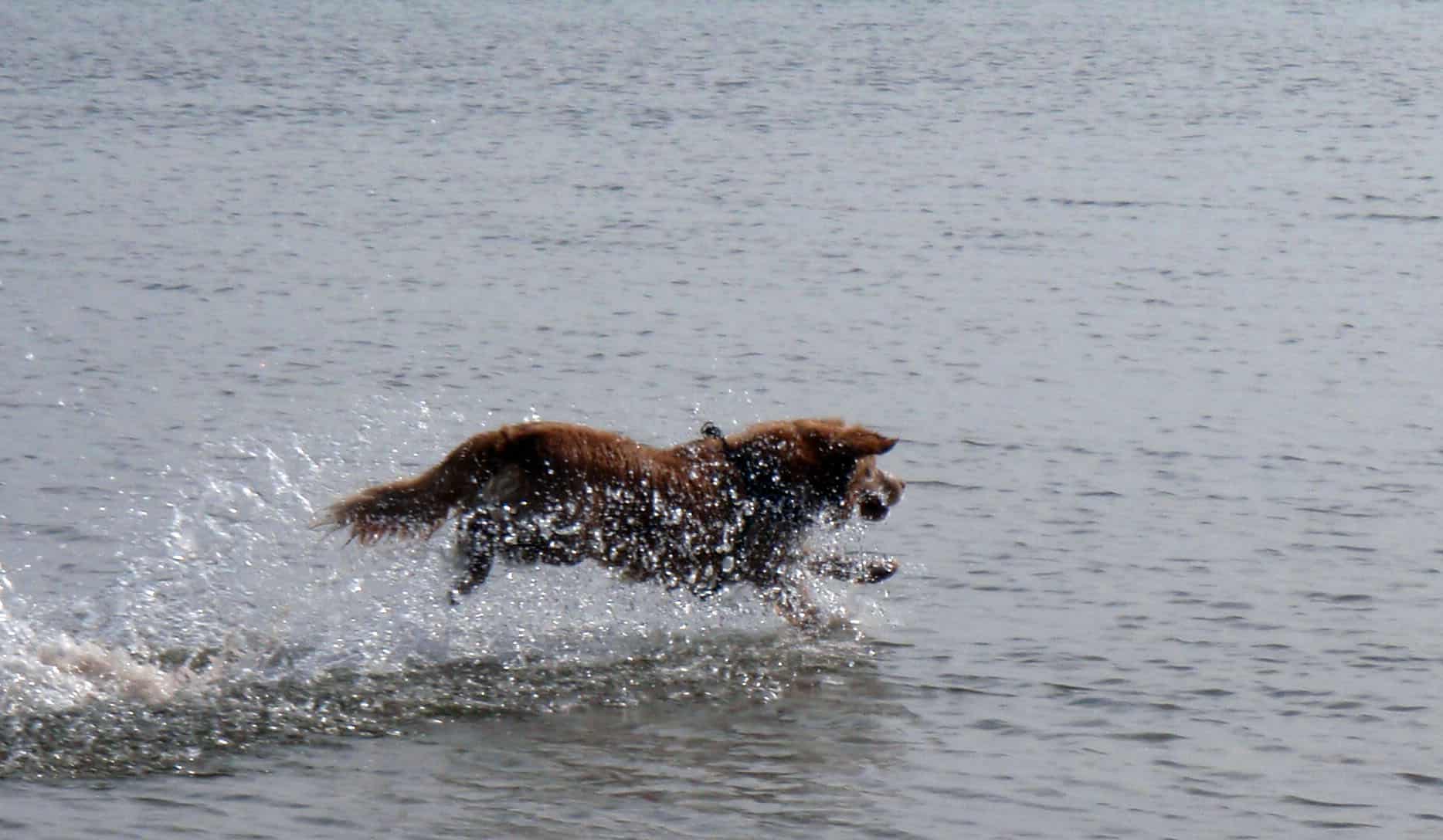
Hiking, pulling sports, obedience, agility, tracking, scent work, and structured games can all give a Chinook useful outlets.

You can train with calm consistency

This breed is generally willing to learn when training is reward-based, clear, and repeated in short sessions. Early leash manners and polite greetings are especially useful.

You can live with a large dog and seasonal shedding

The coat is practical and does not need specialized clipping, but this is still a powerful large dog with a double coat that sheds heavily at seasonal changes.
Think twice if...

You want a hands-off or low-energy dog

A quick walk and a yard are rarely enough for a healthy young Chinook. Without exercise, enrichment, and company, the dog may invent outlets that are hard to live with.

The dog would be alone for long stretches

Chinooks tend to want family contact. Long isolated days can make separation-related behavior and boredom much more likely.

You want a guard or protection dog

A Chinook may alert to something new, but its people-oriented nature makes it a poor choice for a household looking for a serious guarding breed.

You cannot manage a strong enthusiastic youngster

The breed matures slowly, and a jumping or pulling adolescent is much easier to prevent than to fix after it becomes a large adult habit.

What daily life feels like

Daily life

Daily movement needs a real plan

A useful day can include a brisk walk, hike, run, pulling activity, structured retrieving, scent game, or training session. Most healthy adults need more than one quick loop around the block.

Daily life

Mental work helps the dog settle

Food puzzles, nose work, cooperative training, obedience, and learning new skills give a thoughtful working dog something useful to do indoors as well as out.

Daily life

Apartment life is possible, but it is not the easy version

A committed owner can make a smaller home work, but calm leash manners, regular exercise, quiet routines, visitor management, and real time with the dog have to be part of the plan.

Daily life

A yard is helpful, not a substitute

Secure outdoor space can be useful for play and training, but it does not replace walking, shared activity, and a relationship with the dog.

Daily life

Brush weekly, then brush more during coat blows

The close-fitting double coat is manageable with routine brushing. Expect substantially more loose undercoat during seasonal shedding, and keep up with nails, teeth, ears, feet, and skin checks.

Daily life

Family life still needs supervision

Many Chinooks can be loving family dogs, but children need to learn calm, respectful interaction and adults should manage introductions, play, food, doors, and new animals thoughtfully.

Training and handling

Training

Use positive reinforcement and short sessions

Food rewards, toys, praise, and clear repetition tend to work well. Avoid harsh handling, and keep practice varied enough that the dog stays engaged.

Training

Start leash manners and no-jumping habits early

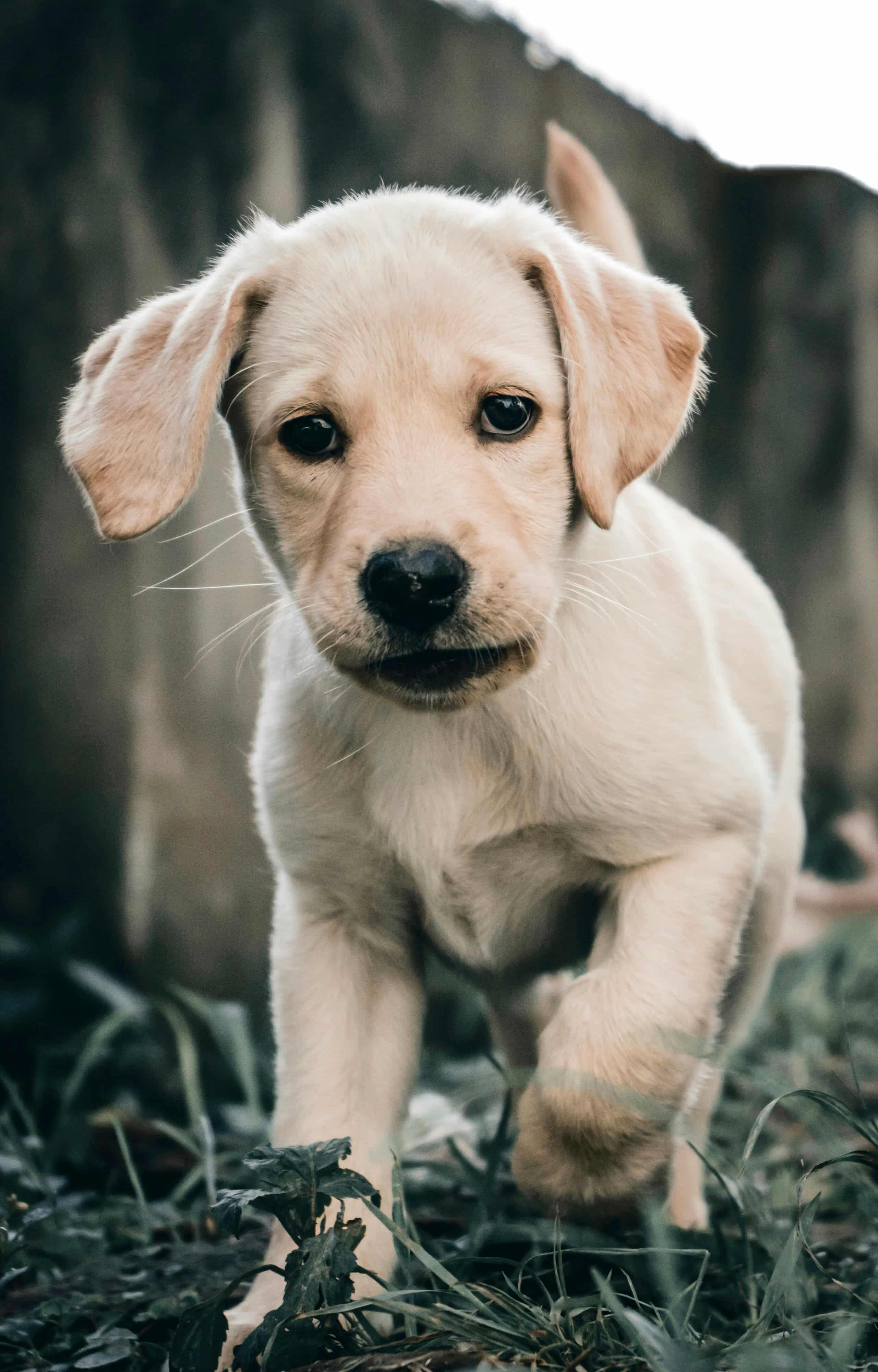
A Chinook puppy can be enthusiastic and affectionate. Build calm greetings, door manners, loose-leash walking, and four paws on the floor before size and strength make the habits difficult.

Training

Socialization should be gradual, not forced

Introduce people, dogs, car rides, grooming, handling, bikes, runners, and new places in a calm positive way. The goal is a dog that can settle and recover, not a dog that must greet everyone.

Training

Train recall with management

Practice check-ins and recall on a leash or long line until the response is reliable around wildlife, moving dogs, smells, toys, and outdoor activity. Safe locations still matter.

Health and cost

Plan for it

Ask for records, not just reassurance

Talk with breeders or rescues about documented hip and eye screening, relevant DNA information, and health history in both family lines. Transparent information is especially valuable in a rare breed.

Plan for it

Know the owner-facing health watchouts

Health conversations can include hip dysplasia, eye disease, seizure or movement-disorder signs, skin allergies, and gastrointestinal concerns. Screening can reduce uncertainty, but it cannot guarantee an outcome.

Plan for it

Keep body condition and conditioning sensible

A healthy weight, gradual fitness, regular veterinary care, dental care, and prompt attention to pain, weakness, eye trouble, or digestive changes all matter for a large active dog.

Plan for it

Budget for the complete routine

Plan for food, preventive care, training, secure gear, brushing tools, tick prevention, boarding or pet sitting, and emergency savings. A rare breed may also take patience to find through a responsible source or rescue.

Did you know?

The foundation dog was born in 1917

Arthur Treadwell Walden developed the original Chinook at his Wonalancet, New Hampshire farm, then built the breed around drafting and sled-racing work.

The breed was designed for two kinds of sled work

Chinooks were bred to pair freight-dog power with the speed of lighter racing sled dogs, which helps explain their athletic but level-headed character.

Tawny is the signature color

The coat ranges from light honey to reddish gold and often has darker shading on the ears and muzzle. The outer coat lies close over a soft insulating undercoat.

Rare-breed conservation is part of the story

The breed survived a severe population bottleneck. Its organized conservation work focuses on genetic diversity and population health, which is why thoughtful sourcing is worth the wait.

More ways to compare the Chinook

Chinook FAQ

FAQ

Are Chinooks good family dogs?

They can be excellent family dogs for active, involved households. Chinooks are often affectionate and patient with their people, but their size, strength, activity needs, and early socialization still require adult supervision and a consistent routine.

FAQ

Can a Chinook live in an apartment?

Yes, but only when the owner provides dependable daily exercise, training, companionship, and calm shared-space manners. A yard is helpful but not a substitute for activity with the dog.

FAQ

Are Chinooks good with children and other pets?

Many Chinooks do well with children, dogs, and other pets when socialized and introduced thoughtfully. Every interaction should still be supervised, especially with young children and unfamiliar animals.

FAQ

How much exercise does a Chinook need?

Plan for daily exercise plus mental work. Long walks, hiking, pulling sports, obedience, agility, tracking, and scent work can all be good outlets. A healthy young adult usually needs more than one short walk.

FAQ

Do Chinooks shed a lot?

They shed moderately during much of the year and can shed heavily during seasonal coat blows. Weekly brushing is a useful baseline, with more frequent brushing when the undercoat is coming out.

FAQ

Are Chinooks easy to train?

They are generally willing, intelligent dogs that respond well to positive reinforcement and consistent practice. Start early with leash manners, recall, calm greetings, and jumping prevention because an adult Chinook is powerful.

FAQ

Are Chinooks good guard dogs?

No. A Chinook may alert to something unfamiliar, but the breed is generally people-oriented and is not a strong choice for protection work.

FAQ

How big do Chinooks get?

Males are commonly listed at 24-26 inches and 55-90 pounds. Females are commonly listed at 22-24 inches and 50-65 pounds. Individual size can vary.

FAQ

How long do Chinooks live?

A Chinook often lives about 12-15 years. Health history, veterinary care, nutrition, body condition, activity, and luck all affect an individual dog's life.

FAQ

What should I ask a Chinook breeder or rescue?

Ask for health records, including hip and eye screening, relevant DNA information, and clear disclosure of health history in the dog's family. Ask how the dogs are raised, what socialization they receive, and what support is available after placement.

FAQ

What should I train first with a Chinook puppy?

Prioritize a name response, recall foundations, loose-leash walking, calm handling, grooming practice, crate or safe-place comfort, door manners, and polite greetings. Keep sessions short and rewarding.

FAQ

What breeds are similar to Chinooks?

Samoyeds, Siberian Huskies, Alaskan Malamutes, Golden Retrievers, Labrador Retrievers, and Nova Scotia Duck Tolling Retrievers may belong in the conversation, but each has a different mix of size, coat, sociability, training style, and daily needs.

Breeds similar to the Chinook

Browse all breeds
Samoyed

Samoyed

Working Medium High energy

Samoyeds are medium-size working dogs known for their friendly, gentle temperament, thick weatherproof coat, and strong need for daily activity. They fit best with households that want an upbeat companion, can stay ahead of grooming and shedding, and have time for training plus regular exercise.

Siberian Husky

Siberian Husky

Working Medium High energy

Siberian Huskies are athletic working dogs bred for endurance, cold-weather stamina, and life on the move. They fit best with active households that can plan for daily exercise, heavy seasonal shedding, secure containment, and an independent dog that stays happiest when it has a routine and a job to do.

Alaskan Malamute

Alaskan Malamute

Working Large High energy

Alaskan Malamutes are large northern working dogs built for strength, endurance, and cold-weather life. They fit best with active households that can plan for real exercise, major shedding, secure containment, and the management that comes with a powerful independent breed.

Golden Retriever

Golden Retriever

Sporting Large High energy

Golden Retrievers are friendly, trainable sporting dogs that thrive with active families who can handle exercise, heavy shedding, and regular grooming.

Labrador Retriever

Labrador Retriever

Sporting Large High energy

Labrador Retrievers are friendly, trainable sporting dogs best for active homes ready for daily exercise, heavy shedding, and lots of family time.

Nova Scotia Duck Tolling Retriever

Nova Scotia Duck Tolling Retriever

Sporting Medium High energy

Nova Scotia Duck Tolling Retrievers are compact, high-energy sporting dogs with clever brains, red or copper coats, and a serious love of movement. They fit active homes that can make daily exercise, training, water play, and mental work part of ordinary life.

Breed Traits

Energy Level4/5
Trainability4/5
Shedding3/5
Health Concerns3/5
Barking Tendency2/5
Good with Kids4/5
Good with Dogs4/5