Quick view
The size changes everyday handling
Most adult Alaskan Malamutes land around 75 to 85 pounds, and the combination of bulk, pulling power, and enthusiasm can feel like a lot of dog if leash manners and calm routines never get built early.

Height
25 inches (male), 23 inches (female)
Weight
85 pounds (male), 75 pounds (female)
Life Expectancy
10-14 years
Size
Large
Alaskan Malamutes are powerful northern working dogs built for pulling, endurance, and cold weather, not for blending quietly into a low-effort household routine. They often appeal to people who love the wolfish look and want a big affectionate companion, but the real fit question is whether you want the daily reality that comes with the breed: major exercise needs, a thick double coat, steady cleanup, handling strength, secure fencing, and a dog that may understand exactly what you want while still deciding whether it feels like cooperating. A Malamute can be a fantastic match for the right active home, but it usually works best with owners who genuinely want a large working breed instead of just admiring the look.
Quick view
Most adult Alaskan Malamutes land around 75 to 85 pounds, and the combination of bulk, pulling power, and enthusiasm can feel like a lot of dog if leash manners and calm routines never get built early.
Quick view
This is a freight-hauling northern breed, not a decorative fluffy dog. Short potty loops are rarely enough on their own, and many Malamutes feel far easier to live with when the week includes real walks, conditioning, hikes, or pulling-style outlets.
Quick view
The thick double coat can leave hair on floors, furniture, and clothes year-round, and seasonal blowouts make the workload feel even bigger. Frequent brushing is part of normal life rather than a once-in-a-while project.
Quick view
Cold weather is usually much easier on this breed than heat, and secure fencing matters because bored or curious Malamutes can be clever about finding their own adventure if the setup is loose.
An active home with space, secure containment, cool-weather common sense, and owners who want a big affectionate working dog and are ready for the exercise, coat care, and management that come with that choice.
You want a large dog built for real activity
Alaskan Malamutes usually make the most sense for people who want more than a casual neighborhood companion and are happy to build daily life around walks, conditioning, training, and purposeful exercise.
You are ready for a strong-willed working breed
The best fit is a home that expects some independence, stays consistent with rules, and does not confuse intelligence with automatic eagerness to please.
You can handle the coat, the size, and the logistics
These dogs bring big shedding, big strength, and bigger-than-average feeding, grooming, and space needs, so they fit best where that feels manageable instead of overwhelming.
You want an easy apartment dog or a low-exercise large breed
A Malamute without enough movement, structure, and mental work can become noisy, destructive, or very creative about entertaining itself.
You live in heavy heat and do not want to plan around it
The thick coat that suits this breed in cold conditions can become a real limitation in hot weather, especially during exercise or travel.
You need a dog that is naturally soft, biddable, and easy off leash
Many Malamutes can be independent, strong, and selective about listening, so reliable management matters more here than with some easier companion breeds.
If you like the Alaskan Malamute look and cold-weather working-dog appeal, start by comparing the Siberian Husky, Samoyed, and Akita to see how size, coat work, independence, and day-to-day handling shift across big northern breeds. Use the breed compare tool to line up the details side by side, or try the match quiz and breed mixer for a broader fit check.
Daily life
Regular walks help, but many Malamutes do best when they also get harder physical outlets, training reps, hiking, or other work that feels more meaningful than a quick lap around the block.
Daily life
Hair on floors, clothes, furniture, and seats is part of the deal. In heavier shed periods, many owners end up doing close-to-daily coat work just to stay ahead of the mess.
Daily life
These are bright, curious dogs, and underworked Malamutes often invent their own fun. That can look like noise, digging, problem-solving, or pushing every weak spot in the routine.
Daily life
Strong fencing, leash habits, and honest management around smaller animals matter because this is not the kind of breed that always self-manages politely when the setup is sloppy.
Care
This is not a breed where you brush once in a while and call it done. Routine brushing helps with loose undercoat, skin checks, and keeping the thick coat manageable.
Care
When the coat really blows, the amount of fur can surprise even people who thought they were ready for it. Extra brushing and extra cleanup are normal during those stretches.
Care
The beautiful dense coat was built for cold, not heat. Safer exercise timing, shade, water, and realistic summer expectations matter more here than they do for many easier all-weather breeds.
Care
A large crate, strong leash setup, sturdy harnesses, roomy transport, and practical grooming tools all become part of everyday ownership when the dog is this large and physical.
Training
Malamutes can learn a lot, but they are not always motivated by blind obedience. Short, clear, positive sessions tend to land better than nagging or endless repetition.
Training
Loose-leash walking, waiting at doors, calm greetings, crate comfort, and handling around food and toys are worth teaching early because the physical power changes the stakes quickly.
Training
Many Alaskan Malamutes can live well with families and other dogs when training and introductions are thoughtful, but owners usually do best when they assume management is part of responsible ownership instead of hoping instinct will sort itself out.
Plan for it
Like many large breeds, Alaskan Malamutes can be prone to hip and elbow dysplasia, which can show up as pain, stiffness, limping, or harder movement as the dog ages.
Plan for it
The breed can also see problems such as cataracts and hypothyroidism, so breeder screening, vet history, and long-term health budgeting matter more than the hardy working-dog look might suggest.
Plan for it
A large crate, secure gear, grooming tools, boarding, transport, training help, and veterinary care all tend to cost more when the dog is large, strong, and heavily coated.
One useful way to understand the breed is to remember that the original job was strength and endurance, not just companionship. That is part of why Malamutes often feel sturdier, heavier, and more work-minded than people expect from the fluffy northern-dog look.
The two breeds get compared constantly, but a Malamute is usually heavier-boned and more freight-hauler than speedster. If you like the northern look but are not sure how much size and strength you really want, that difference matters a lot.
The beautiful dense coat is one of the breed's signatures, but it is also a reminder that hot climates and hard summer activity can be a tougher fit here than people assume.
A lot of people fall for the breed because Malamutes can be funny, loyal, and deeply attached to their people. The best owners are usually the ones who enjoy that big warm personality without pretending it cancels out the independence, strength, and management work.

Working • Medium • High energy
Siberian Huskies are athletic working dogs bred for endurance, cold-weather stamina, and life on the move. They fit best with active households that can plan for daily exercise, heavy seasonal shedding, secure containment, and an independent dog that stays happiest when it has a routine and a job to do.
Working • Medium • High energy
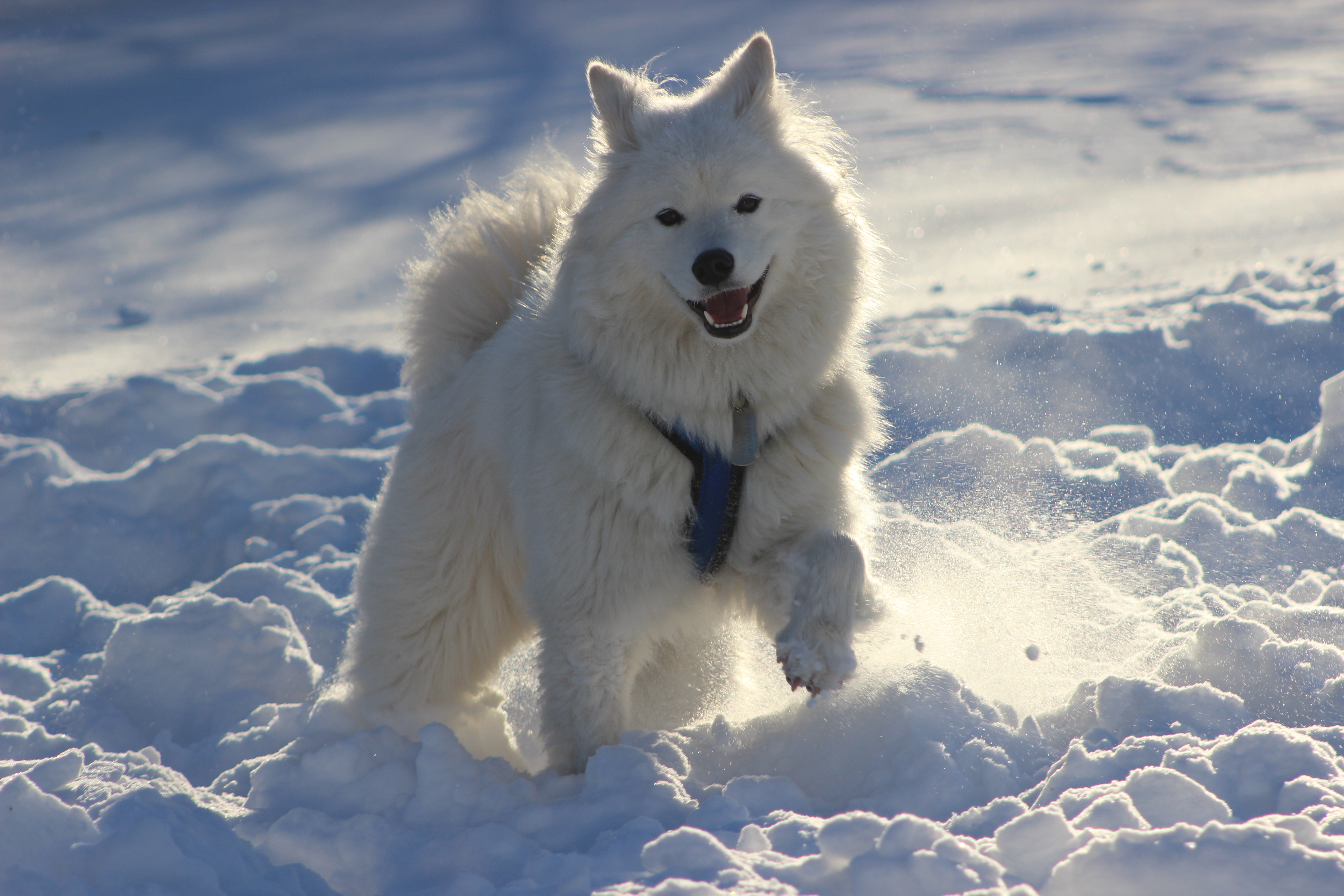
Samoyeds are medium-size working dogs known for their friendly, gentle temperament, thick weatherproof coat, and strong need for daily activity. They fit best with households that want an upbeat companion, can stay ahead of grooming and shedding, and have time for training plus regular exercise.

Working • Giant • High energy
People are often drawn to the Akita for its courageous, dignified, and profoundly loyal mix wrapped in a giant working frame. They fit best when active households can plan around daily exercise and mental work and space and handling strength instead of treating the breed like a plug-and-play match.