Browse Breeds A-Z
Sporting Group

Labrador Retriever

ActiveFriendlyOutgoing
Labrador Retriever

Height

22.5-24.5 inches (male), 21.5-23.5 inches (female)

Weight

65-80 pounds (male), 55-70 pounds (female)

Life Expectancy

11-13 years

Size

Large

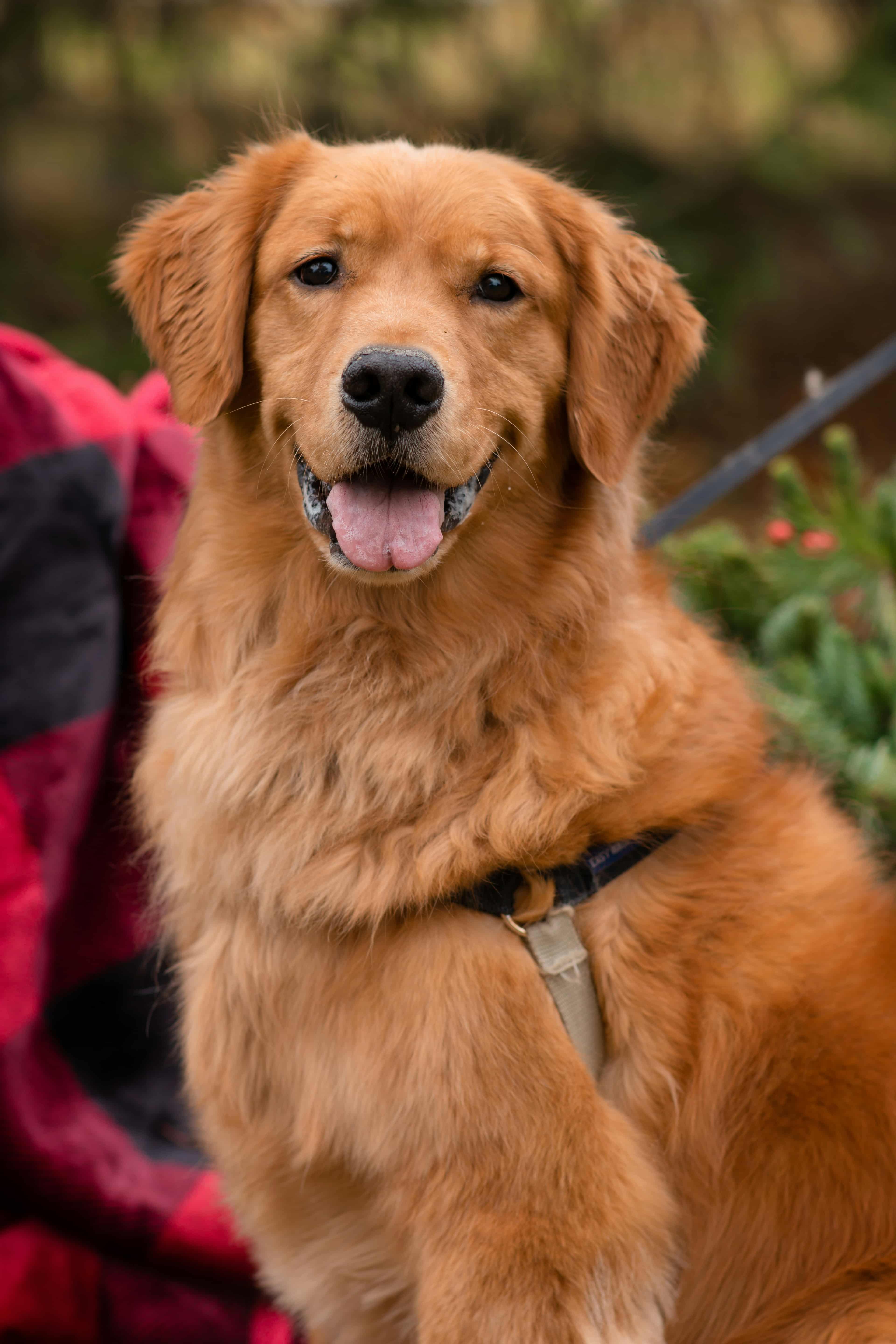
What Labrador Retrievers are like

Labrador Retrievers are friendly, trainable sporting dogs that usually shine in homes wanting a social, active companion rather than a laid-back couch dog. Labs tend to love people, food, water, and being included in daily family life, which helps explain why they stay so popular year after year. The tradeoff is that their easygoing reputation can hide real work: they need daily exercise, steady training through a bouncy adolescent phase, and a household ready for heavy shedding, muddy paws, and an appetite that needs management.

Is the Labrador Retriever right for your home?

Best match for...

An active home that wants a friendly, trainable dog for daily family life, can handle heavy shedding and real exercise needs, and prefers a social companion over a low-key or low-maintenance breed.

Families
Children
Other Dogs

If you are comparing other friendly sporting or family-oriented breeds, start with the Golden Retriever, Newfoundland, and Cocker Spaniel, then use the breed compare tool to line up the tradeoffs side by side.

What daily life feels like

Daily life

Life with a Lab usually feels social

Most Labradors want to be where the people are. They often fit homes that enjoy a dog shadowing walks, chores, car rides, backyard time, and couch hours instead of a more independent temperament.

Daily life

Exercise matters more than many first-time owners expect

The friendly personality can make Labs look effortless, but they are still energetic sporting dogs. Daily walks are the floor, not always the full answer, and many Labs are happiest with fetch, swimming, field-style games, or training sessions on top.

Daily life

The coat is easy to brush but hard to ignore

That weather-ready double coat is not complicated, but it does shed. Expect regular brushing, fur on floors and furniture, and heavier coat-blow periods when the cleanup jumps fast.

Daily life

The breed often stays goofy for a while

A Labrador can be wonderfully easy to love and still feel like a lot of dog during adolescence. Expect enthusiasm at doors, excitement around food, and a tail that can clear a coffee table long before maturity fully settles in.

Training and handling

Training

Food motivation is a gift if you use it well

Labs are often eager to learn and eager to eat, which can make training smoother than with many breeds. The key is turning that enthusiasm into clean habits instead of letting treats create constant begging or impulsive behavior.

Training

Manners matter because the breed is strong and social

A friendly medium-to-large dog can still drag on leash, bowl into guests, or grab whatever is within reach if training is sloppy. Calm greetings, recall, settling on cue, and polite leash walking pay off quickly with this breed.

Training

Retrieving and water instincts are worth channeling

Labs were built to carry things, work with people, and get wet. Games that let a Lab retrieve, swim, search, and bring things back usually fit the breed much better than expecting endless self-entertainment.

Health and cost

Plan for it

Weight control belongs in the everyday plan

Labs love food enough that portion control matters as much as treat choice. Letting weight creep up can make joints, stamina, and long-term comfort harder to manage.

Plan for it

Joint screening is important

Hip and elbow conversations are part of normal Labrador ownership, not edge-case worry. Responsible breeder talks should cover orthopedic screening, and any limping or reluctance to move deserves a real vet follow-up.

Plan for it

Eye and exercise-related screening matter too

Responsible breeders share hip, elbow, eye, and exercise-induced collapse screening results so buyers know how the dog was evaluated. The clearer the documentation, the easier it is to set expectations beyond marketing language.

Plan for it

The real budget goes beyond puppy price

Food, training classes, sturdy crates, beds, chews, insurance or emergency savings, and the wear-and-tear of a large active dog all add up. The Labrador is adaptable, but it is not a cheap dog to support well.

Did you know?

The breed's roots start in Newfoundland, not Labrador

The breed traces back to the St. John's dogs of Newfoundland before later refinements in Britain gave it the Labrador Retriever name, so the origin is older than the modern label suggests.

Labs were built to love water

That retrieving background helps explain the water-friendly coat, strong swimming instincts, and why so many Labradors seem determined to splash into the nearest lake, pond, or kiddie pool.

Black, yellow, and chocolate are the classic colors

The three standard Labrador colors are black, yellow, and chocolate. One litter can sometimes include more than one of them, which is a fun reminder that color variety is part of the breed's story.

Their working-dog reputation is not just marketing

Labs remain popular family dogs, but they also keep showing up in service, detection, and search roles because the breed is so trainable and people-oriented. That combination is a big part of why they fit so many jobs.

Breeds similar to the Labrador Retriever

Browse all breeds

Breed Traits

Energy Level5/5
Trainability5/5
Health Concerns4/5
Barking Tendency3/5
Good with Kids5/5
Good with Dogs5/5