Browse Breeds A-Z
Working Group

Siberian Husky

LoyalMischievousOutgoing
Siberian Husky

Height

21-23.5 inches (male), 20-22 inches (female)

Weight

45-60 pounds (male), 35-50 pounds (female)

Life Expectancy

12-14 years

Size

Medium

What Siberian Huskies are like

Siberian Huskies are athletic working dogs bred for endurance, cold-weather stamina, and life on the move. Most adults stand around 20 to 23.5 inches tall and weigh roughly 35 to 60 pounds, so they are not giant dogs, but they are more athletic and more work-hungry than many people assume from the striking face and fluffy coat. They often win people over with their playful, social personality, but everyday life with a Husky is shaped less by appearance and more by exercise, shedding, secure containment, and a dog that can be smart, vocal, and independent all at once. In the right home a Siberian Husky feels fun, affectionate, and adventurous. In the wrong home the same dog can feel loud, destructive, and much harder to manage than expected.

Is the Siberian Husky right for your home?

Best match for...

An active home that genuinely wants a running or hiking partner, can handle heavy shedding and secure containment, and likes a social but independent dog instead of a low-effort couch companion.

Active homes
Secure yards
Hands-on owners

Strong fit if...

You want a real exercise partner

Siberian Huskies usually fit best with people who already like walking, jogging, hiking, or planning active outdoor time into the week. This is not the breed for owners hoping a quick loop around the block will be enough.

You can manage independence without taking it personally

Huskies are smart, but smart does not always mean eager to obey. They often do better with owners who can stay consistent, reward good decisions, and accept that the breed's personality is more adventurous than naturally compliant.

You are realistic about coat, noise, and cleanup

The Husky look comes with a dense double coat, regular brushing, seasonal blowouts, and a vocal streak that can include howling, talking, and general commentary. Homes that already know this is part of the package tend to enjoy the breed more.

You like a social dog that still has working-dog edge

Many Huskies are playful, outgoing dogs that often enjoy family life and canine company, but they still need structure and jobs to do. The best fit is a home that wants both the fun personality and the responsibility that comes with it.
Think twice if...

You want the easiest possible first dog

A Siberian Husky can be affectionate and fun, but the mix of energy, roaming instincts, noise, and independence can overwhelm owners who need quick off-switch behavior and easy recall.

Your setup depends on loose boundaries

Huskies are runners, and many will test gates, fences, doors, and unattended opportunities. If containment is casual or nobody wants to think about leash manners and management, daily life gets harder fast.

You need a quiet, low-maintenance dog

This breed is rarely low-effort. Exercise, mental stimulation, brushing, training, and noise management are all real parts of ownership, and Huskies can be a rough fit for homes with shared walls or low tolerance for noise.

The dog will be bored or alone for long stretches

A bored Husky often becomes noisy, destructive, or creatively unhelpful. If the plan depends on the dog entertaining itself for most of the day, the breed usually becomes much harder to live with.

Compare similar active working breeds

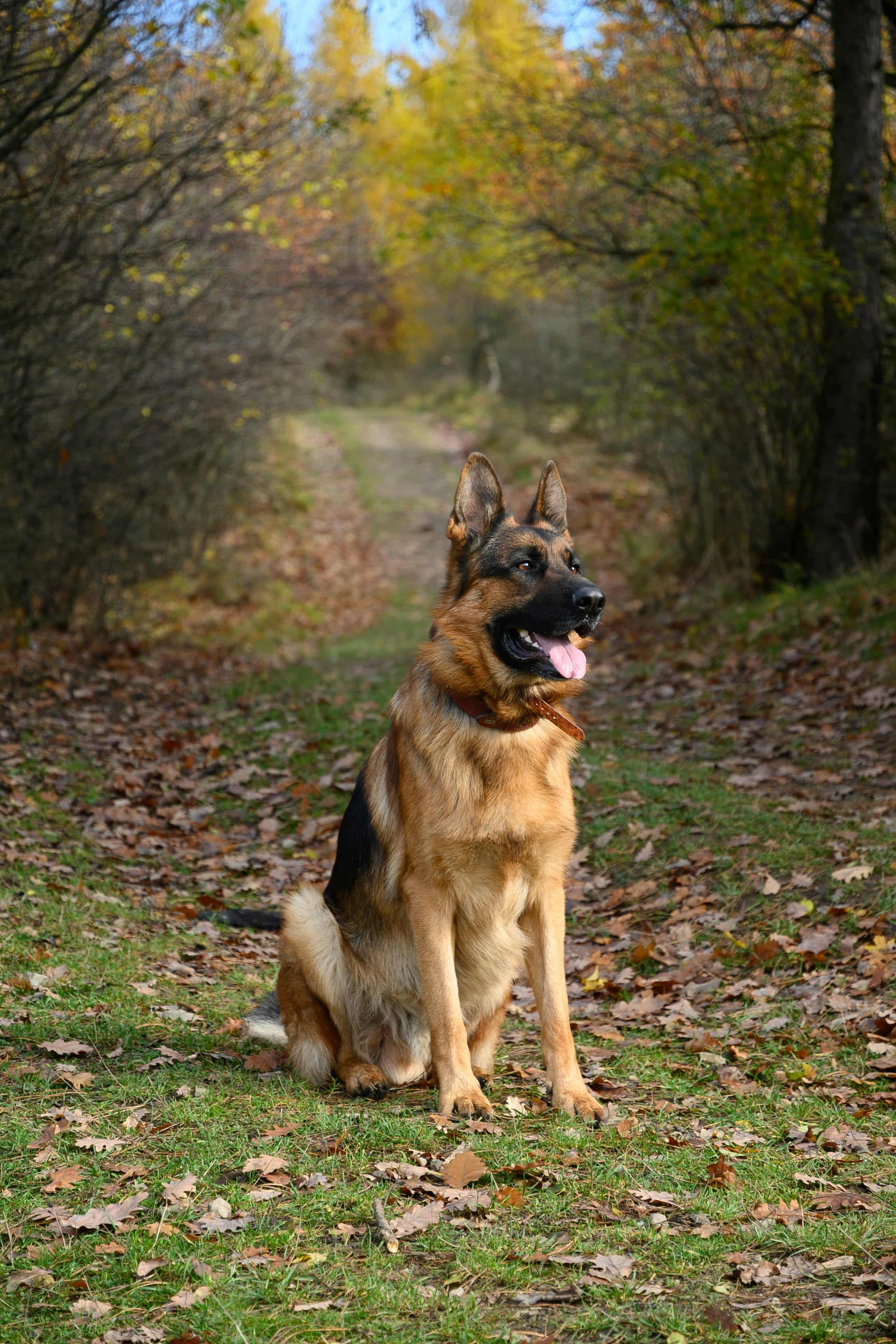
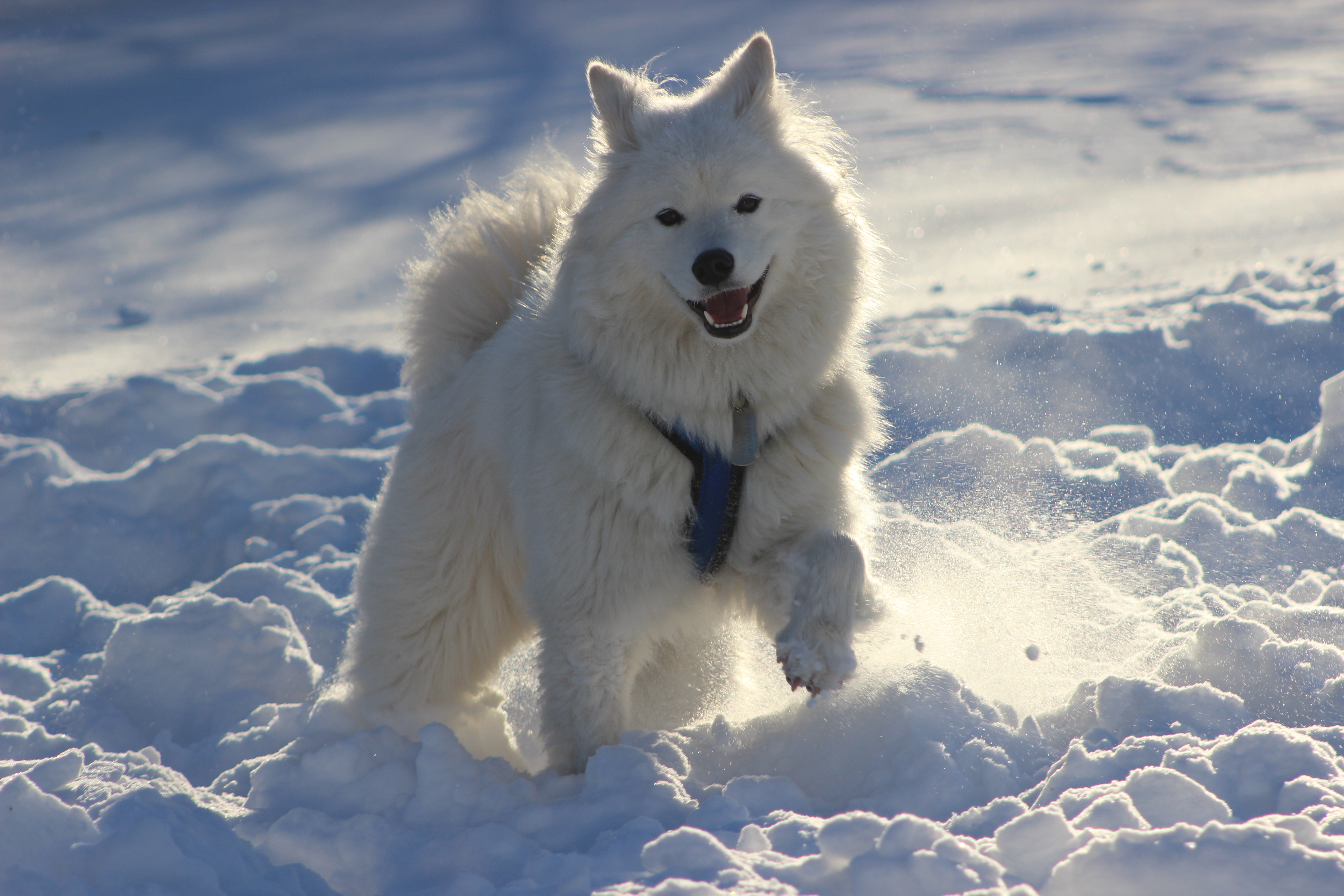
If you are comparing other active working breeds, start with the Samoyed, Akita, and German Shepherd Dog, then use the breed compare tool to line up the tradeoffs side by side or try the match quiz and breed mixer for a broader fit check.

What daily life feels like

Daily life

Exercise is the biggest lifestyle filter

Huskies were bred for endurance, not short bursts. They usually do best when the home plans real daily movement, plus mental work that keeps the dog from inventing its own entertainment. Active families should plan at least 40 minutes of daily exercise, and the ideal routine often looks more like a long walk or even a long jog.

Daily life

They are often social, playful, and loudly expressive

A lot of people love the breed because Huskies feel animated and involved. Many are good with family life, often enjoy canine company, and bring a funny personality into the house. The tradeoff is that they often express opinions out loud, which is charming in the right setting and exhausting in the wrong one.

Daily life

Coat work comes in waves, not just on grooming day

The thick double coat helps explain the classic Husky look, but it also means regular brushing and bigger seasonal shedding blowouts. The breed can look tidy between coat drops, then suddenly cover the house in undercoat when the season changes.

Daily life

Cool weather usually suits them better than heat

Huskies were built for colder work, and they enjoy very cold weather and can overheat more easily than people expect. Owners need to think about timing, shade, water, and not assuming an athletic dog will always self-regulate well in warm conditions.

Training and handling

Training

Start leash manners and recall work early

One of the most important practical truths about Huskies is that loving to run is not the same as wanting to come back. A big part of good Husky ownership is teaching leash skills, door manners, and impulse control before the dog learns that escaping is fun.

Training

Reward-based structure usually works better than battles

The breed can be independent and stubborn, which is a good reminder not to expect automatic obedience. Huskies usually do better with clear repetition, fair rewards, and handlers who stay patient instead of turning every mistake into a standoff.

Training

Mental work matters almost as much as physical work

A bored Husky often becomes noisy, destructive, or creatively unhelpful. Training games, puzzle feeders, structured play, sniff work, and jobs that make the dog think can take the edge off faster than raw exercise alone.

Training

Socialization should build steadiness, not chaos

Many Huskies are outgoing, but socialization should still teach calm handling, easier recovery, and better choices around people, dogs, and new environments. The goal is not constant overstimulation. It is a dog that can move through real life without turning every outing into a production.

Health and cost

Plan for it

Eye screening matters

Inherited eye problems such as cataracts and progressive retinal atrophy are worth taking seriously with this breed, so reputable breeding and routine veterinary eye attention matter.

Plan for it

Hips and thyroid deserve breeder questions too

Hip dysplasia and hypothyroidism are among the health issues owners should understand before bringing a Husky home. That does not mean every Husky develops them, but it does mean health testing and transparency matter more than flashy markings.

Plan for it

The coat is beautiful, but it is not maintenance-free

Regular brushing is part of normal life, and the coat usually needs brushing once or twice a week, with more effort during shedding periods. The grooming routine is not extreme compared with some long-coated breeds, but it is far from nothing.

Plan for it

The real budget includes gear, training, and containment

Costs show up in more than food. Secure fencing, sturdy leashes and harnesses, training classes, grooming tools, and veterinary care all matter more when the dog is active, fast, and strong-willed.

Did you know?

Siberian Huskies were bred to work in packs over long frozen distances

The breed was developed as a medium-sized sled dog of great endurance, built to pull light loads at moderate speed over vast frozen expanses. That background helps explain why so many Huskies still seem happiest when life includes movement and purpose.

Their American story is tied to Alaska racing history

The breed reached Alaska in the early 1900s, and later sled-racing history helped cement the endurance reputation people still associate with Huskies today.

The social side of the breed is part of the working design

Because Huskies were bred to work in teams, many owners find that they are more social and pack-oriented than the wolf-like appearance suggests. A lot of the breed's charm comes from that combination of athleticism and outgoing personality.

The dramatic Husky reputation is not completely exaggerated

People joke about Huskies being loud, expressive, and occasionally theatrical for a reason. The breed can be deeply lovable, but it tends to be honest about boredom, excitement, and frustration.

Breeds similar to the Siberian Husky

Browse all breeds

Breed Traits

Energy Level5/5
Trainability3/5
Health Concerns2/5
Barking Tendency5/5
Good with Kids5/5
Good with Dogs5/5