Browse Breeds A-Z
Sporting Group

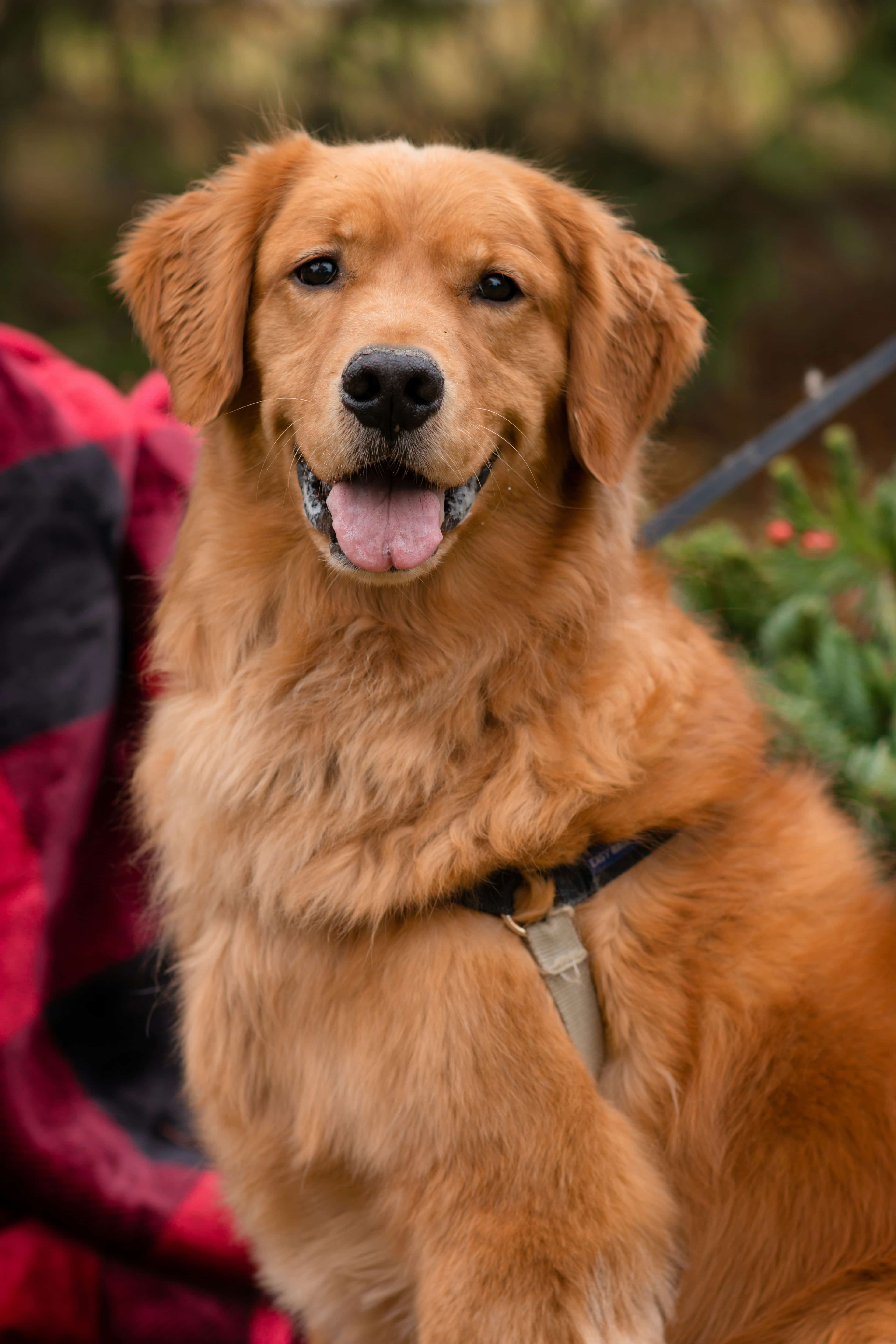
Golden Retriever

IntelligentFriendlyDevoted
Golden Retriever

Height

23-24 inches (male), 21.5-22.5 inches (female)

Weight

65-75 pounds (male), 55-65 pounds (female)

Life Expectancy

10-12 years

Size

Large

What Golden Retrievers are like

Golden Retrievers are friendly, trainable sporting dogs that thrive with active families who can handle exercise, heavy shedding, and regular grooming.

Is the Golden Retriever right for your home?

Best match for...

Families
Children
Other Dogs

Strong fit if...

Friendly active family dog

Golden Retrievers fit best with households that want an affectionate dog involved in daily life, not a reserved or low-contact companion.

Daily exercise is realistic

Most adults do best when walks, retrieving games, training, and outdoor time are a normal part of the week instead of an occasional extra.

You can live with grooming and hair

The coat is beautiful, but regular brushing, muddy cleanup, and a steady stream of loose fur need to feel manageable from the start.
Think twice if...

You want a low-maintenance coat

Goldens shed heavily and usually need far more brushing and cleanup than people expect from a famously easygoing family dog.

The dog will be alone most days

This breed is strongly people-oriented, so long quiet stretches without attention or activity can lead to boredom, noise, or destructive habits.

You want a natural watchdog

Many Golden Retrievers are welcoming rather than suspicious with guests, so friendliness is usually a bigger feature than guarding instinct.

What daily life feels like

Daily life

They want to join the plan

Goldens usually like being included in walks, errands, training, yard time, and family routines instead of entertaining themselves for hours.

Daily life

Retrieving shows up everywhere

Balls, sticks, socks, and random household objects can all become carrying projects because the sporting-dog instinct often stays obvious at home.

Daily life

Coat care follows the weather

Brushing, ear checks, drying after swims, and extra cleanup during seasonal coat blows are part of normal life with the breed.

Training and handling

Training

Use the biddability early

Goldens usually learn quickly, so early leash manners, recall, polite greetings, and calm settling pay off when you start before bad habits stick.

Training

Teach calm greetings

Friendly enthusiasm can become jumping, mouthing, or pulling unless owners practice self-control around people, food, and exciting situations.

Training

Give them sporting-dog outlets

Retrieving games, swimming, scent work, obedience, and hiking often keep a Golden easier to live with than walks alone.

Health and cost

Plan for it

Cancer and joint screening matter

Hip and elbow issues, cancer risk, and other inherited concerns are serious enough that breeder screening and vet conversations should be part of the decision early.

Plan for it

Ears, skin, and weight need attention

Regular ear care, steady conditioning, and keeping the dog lean all matter because active Goldens can still pick up skin, ear, or mobility trouble over time.

Plan for it

Budget above average

Food, grooming tools, training, boarding, and routine vet care usually cost more than people expect for such a common family breed.

Did you know?

Scottish gundog roots

Golden Retrievers were developed in Scotland to retrieve game for hunters, which helps explain the breed's love of carrying and working with people.

Built for water work

The dense water-repellent double coat and strong love of fetch both trace back to the breed's retriever job in wet conditions.

Service-dog favorite

Their trainability and people focus are part of why Goldens are often chosen for service, therapy, and assistance work.

Puppy mouthiness is common

Many young Goldens go through a grabby carrying phase, so early toy swaps and greeting manners make family life smoother.

Breeds similar to the Golden Retriever

Browse all breeds
Labrador Retriever

Labrador Retriever

Sporting Large High energy

Labrador Retrievers are friendly, trainable sporting dogs best for active homes ready for daily exercise, heavy shedding, and lots of family time.

Irish Setter

Irish Setter

Sporting Large High energy

Irish Setters are large sporting dogs known for high energy, outgoing personalities, and a striking red coat. They usually fit best with active households that want an affectionate family dog and can keep up with daily exercise, training, and regular coat care.

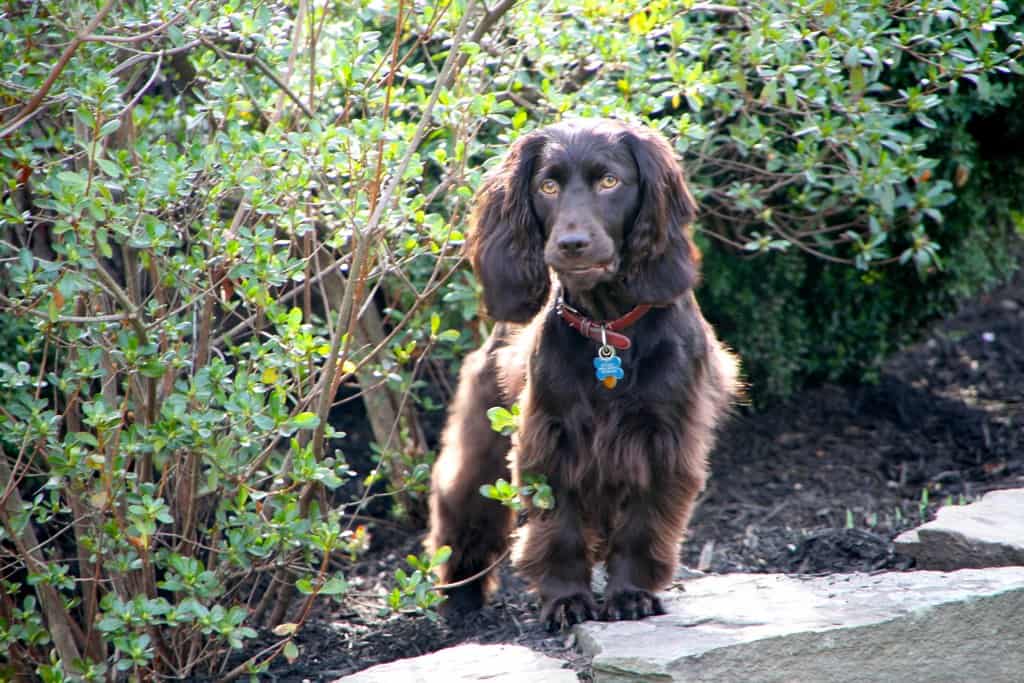
Boykin Spaniel

Boykin Spaniel

Sporting Medium High energy

Boykin Spaniels are medium sporting dogs that fit best with active households ready for daily exercise, training, retrieving or swimming outlets, and regular coat and ear care.

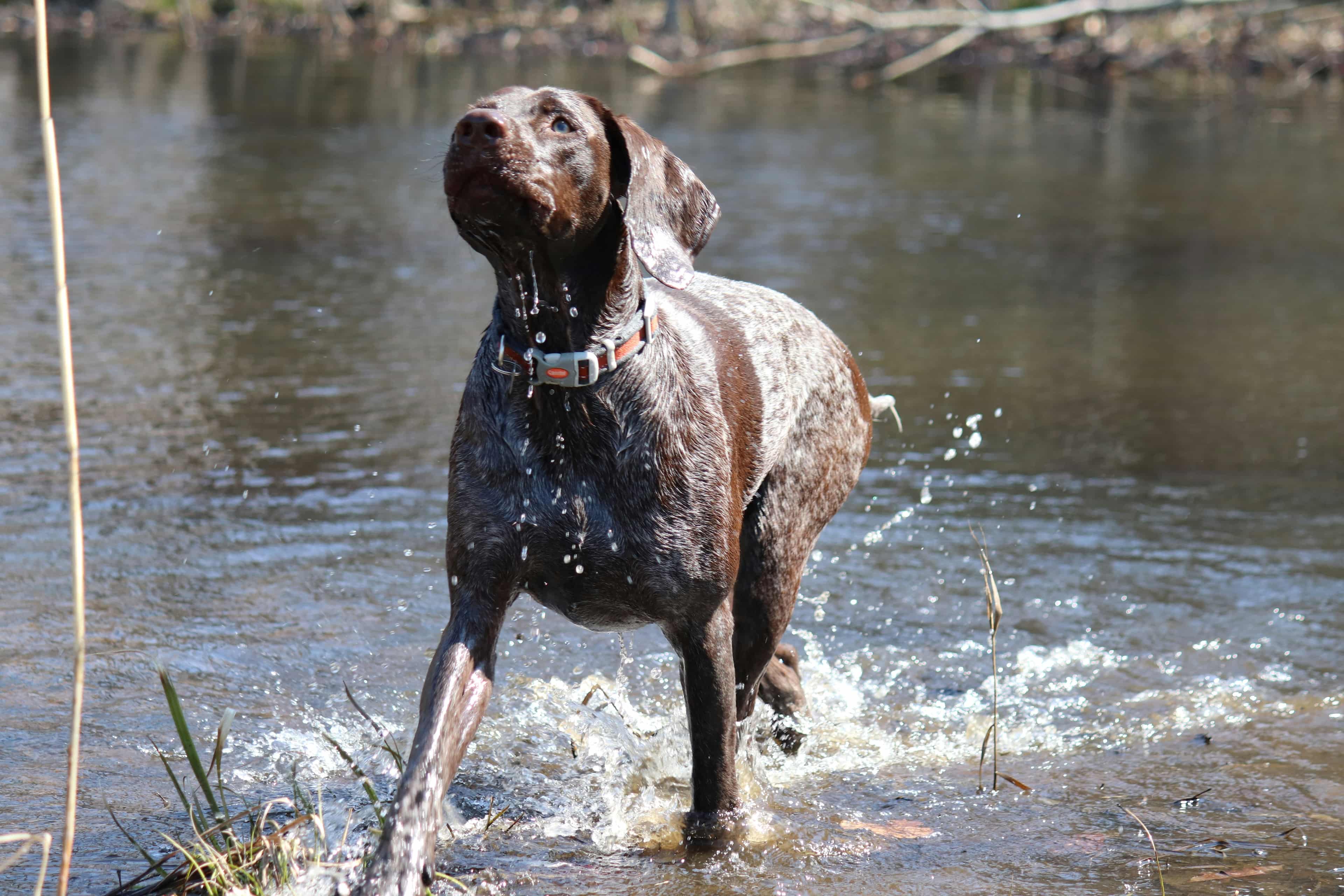
German Shorthaired Pointer

German Shorthaired Pointer

Sporting Medium High energy

German Shorthaired Pointers are fast, people-oriented sporting dogs built for long exercise days, steady training, and life close to their household. They fit best with active homes that want an athletic all-purpose companion, can provide real daily outlets, and do not expect one short walk to do the whole job.

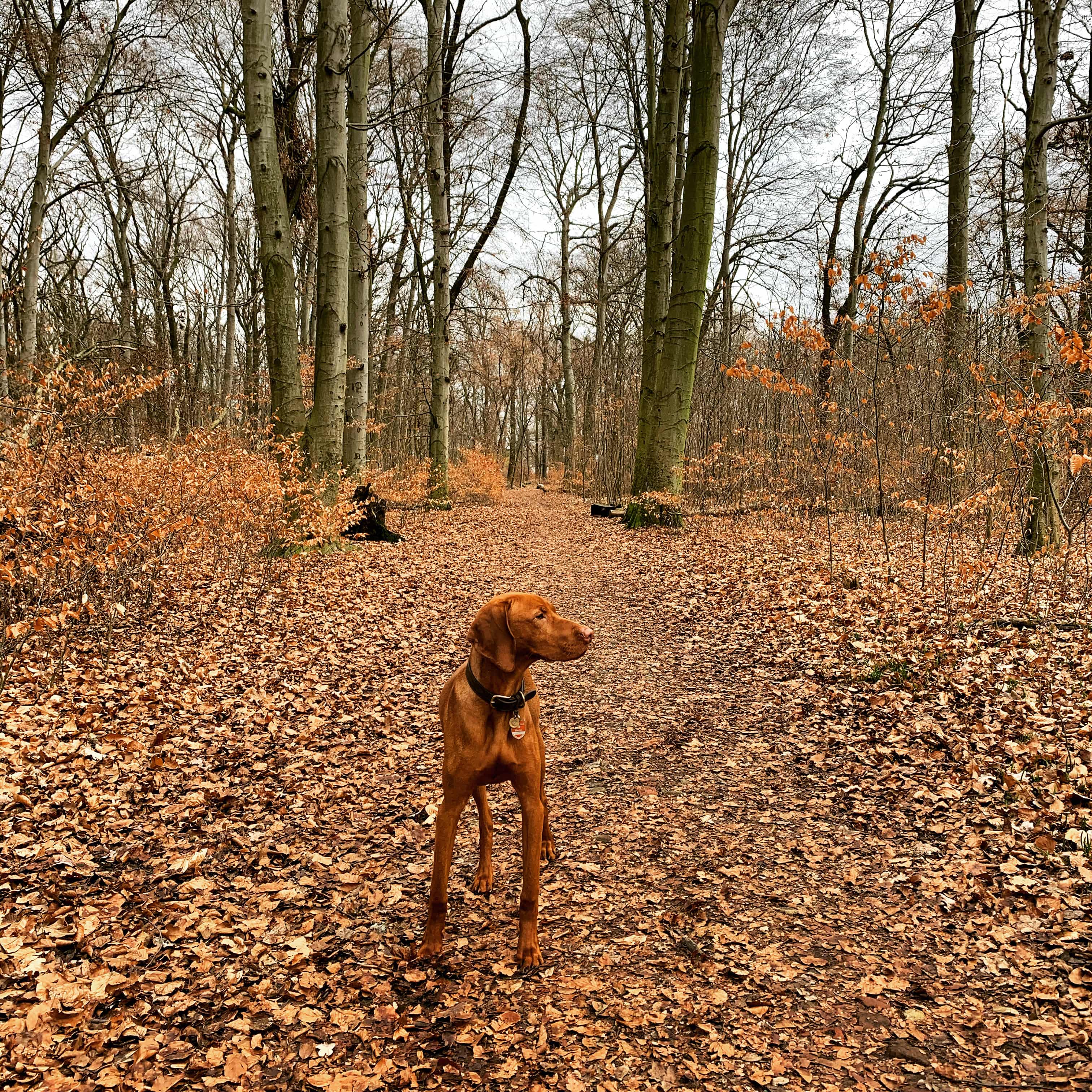
Vizsla

Vizsla

Sporting Medium High energy

Vizslas are athletic, affectionate sporting dogs that thrive with daily exercise, gentle training, and lots of close time with their people. They fit best with active homes that want a sensitive companion, can keep up with real movement and mental work, and do not expect the dog to spend long stretches alone.

Weimaraner

Weimaraner

Sporting Large High energy

People are often drawn to the Weimaraner for its fearless, friendly, and obedient mix wrapped in a large sporting frame. They fit best when family households that want a dog involved in everyday home life can plan around daily exercise and mental work and space and handling strength instead of treating the breed like a plug-and-play match.

Breed Traits

Energy Level4/5
Trainability5/5
Shedding5/5
Health Concerns4/5
Barking Tendency2/5
Good with Kids5/5
Good with Dogs5/5