Browse Breeds A-Z
Sporting Group

Nova Scotia Duck Tolling Retriever

IntelligentEnergeticAffectionate
Nova Scotia Duck Tolling Retriever

Height

18-21 inches (male), 17-20 inches (female)

Weight

About 37-51 pounds

Life Expectancy

About 12-14 years

Size

Medium

What Nova Scotia Duck Tolling Retrievers are like

The Nova Scotia Duck Tolling Retriever is a medium sporting dog with a clever brain, a red or copper coat, and a serious love of movement. Most fans call the breed the Toller. A good Toller is usually bright, affectionate, playful, alert, and ready to work with its people.

The appeal is a lot of retriever personality in a smaller package. Tollers are usually more compact than Labrador or Golden Retrievers, but they are not low-effort dogs. They were built to lure and retrieve waterfowl, so many still want water, fetch, running, training games, and a reason to use their brain.

The main tradeoff is intensity. A Toller can be sweet at home and funny with family, but it may also be busy, vocal when excited, mouthy as a puppy, quick to notice wildlife, and restless when bored. Smaller size does not turn this breed into an easy apartment couch dog.

The best match is someone who wants an active partner and has time for daily exercise, recall practice, polite manners, and steady health care.

Is the Nova Scotia Duck Tolling Retriever right for your home?

Best match for...

Active Retriever Fans
Water Dog Homes
Training Minded Families

Strong fit if...

You want a high-energy companion

Tollers usually need real daily activity, not just a short potty loop.

You enjoy training and games

This breed tends to learn quickly when sessions are clear, upbeat, and rewarding.

You like water, fetch, hikes, or dog sports

Many Tollers light up when they get to retrieve, swim, sniff, run, or solve a problem.

You want an involved family dog

A well-matched Toller often wants to be part of the household routine, not parked outside or ignored.

Think twice if...

You prefer a low-energy house dog

A bored Toller may bark, scream, chew, dig, counter-surf, or invent work you do not like.

Your schedule leaves the dog alone for long stretches

This people-focused breed can struggle when exercise, training, and companionship are too scarce.

You need a very quiet dog

Some Tollers are mostly moderate barkers, but the excited high-pitched Toller scream can be a real issue in noise-sensitive homes.

You want easy off-leash freedom without training

Birds, squirrels, water, and fast movement can pull a Toller away quickly.

What daily life feels like

Daily life

A compact dog with a big work ethic

A useful day might include a brisk walk, structured fetch, swimming, a long sniffing route, field-style games, agility foundations, obedience practice, or a hike with safe breaks. The goal is to give both body and brain enough good work to relax later.

Daily life

Water and retrieving are not just hobbies

You do not have to hunt to own one, but safe fetch with rules, swimming, scent games, trick training, hiking, and dog sports can give a Toller healthy outlets. Teach breaks early so the dog can turn off after exciting work.

Daily life

Apartments can work only with a real plan

The body can fit in an apartment or condo, but shared-wall homes need daily outdoor time, training games, a quiet cue, less window patrol, and a calm wind-down habit.

Daily life

The coat is practical, but shedding is real

Weekly brushing is a good baseline, with more during seasonal coat blows. Check ears, paws, belly, tail, and feathering after swimming, hiking, field work, or tall grass.

Training and handling

Training

Keep training short, upbeat, and fair

Tollers are usually smart and eager, but many are also sensitive. Food, toys, praise, play, and clear rules tend to work better than long boring drills or harsh correction.

Training

Recall and impulse control matter early

Use a leash or long line in open areas until recall is truly reliable. Reward check-ins, practice door manners, and teach calm exits from the car, crate, house, and yard.

Training

Plan for mouthiness, kids, and other pets

Teach bite inhibition, trade games, toy choices, and calm handling early. Children need gentle, supervised interactions, and cats or small pets need careful management around prey drive and quick movement.

Training

Manage the Toller scream before it becomes a habit

Reward calm waiting around balls, food bowls, leashes, car doors, water, and visitors. Teach a quiet cue, add predictable routines, and pause the fun when excitement tips into noise.

Health and cost

Plan for it

Ask about documented health screening

Ask breeders, rescues, and veterinarians about hip and elbow history, eye exams, heart checks, autoimmune history, and breed-relevant genetic testing. Health conversations should include eye disease, juvenile Addison disease, cleft palate or syndactyly history, and known family patterns of seizures, thyroid disease, allergies, or immune problems.

Plan for it

Know which signs need fast help

Sudden collapse, severe weakness, repeated vomiting or diarrhea, pale gums, or a dog that seems unable to recover should be treated as urgent. Contact an emergency veterinarian right away.

Plan for it

Eye, movement, and neck changes need attention

A painful, injured, suddenly cloudy, or suddenly blind-looking eye is urgent. Do not ignore limping, stiffness, trouble rising, reluctance to jump, or pain after exercise. Severe pain, inability to stand or walk, dragging a leg, or loss of bladder or bowel control needs emergency care.

Plan for it

Budget for more than the puppy price

Plan for food, preventive veterinary care, training classes, safe harnesses and long lines, enrichment toys, grooming tools, tick prevention, dental care, boarding or pet sitting, optional sports, and emergency savings.

Did you know?

Tolling means luring ducks closer

The dog plays, moves, and retrieves near the shoreline while the hunter stays hidden. Curious waterfowl come closer to watch the motion, and the dog later retrieves birds from land or water.

Tollers are the smallest retrievers

The Toller is usually the smallest retriever, but it is still a real sporting dog. Think compact athlete, not toy retriever.

The breed comes from Nova Scotia

The breed developed in Nova Scotia, especially around the Little River and Yarmouth area. Older names included Little River Duck Dog and Yarmouth Toller.

Red and copper coats are part of the look

Most Tollers are shades of red, orange, or copper, often with white markings. Color should never matter more than health, temperament, socialization, and daily-life fit.

More ways to compare the Nova Scotia Duck Tolling Retriever

Nova Scotia Duck Tolling Retriever FAQ

FAQ

Is a Nova Scotia Duck Tolling Retriever a good family dog?

Yes, a Toller can be a good family dog for active homes that provide exercise, training, and supervision. It can be too energetic, mouthy, or vocal for homes that want a low-effort dog.

FAQ

Are Tollers good for first-time owners?

Tollers can work for prepared first-time owners, but they are not the easiest starter breed. Be ready for daily exercise, reward-based training, recall work, socialization, grooming, and noise management.

FAQ

How much exercise does a Toller need?

Most healthy adult Tollers need real daily exercise plus mental work. Brisk walks, swimming, fetch with rules, scent games, hikes, obedience practice, and dog sports can all fit.

FAQ

Can a Nova Scotia Duck Tolling Retriever live in an apartment?

A Toller can live in an apartment if the owner is very consistent about exercise, training, enrichment, and quiet routines. The challenge is energy, barking, excited screaming, hallway noise, visitors, and boredom.

FAQ

Do Tollers bark a lot?

Many Tollers bark a moderate amount. They may bark at visitors, outdoor movement, boredom, excitement, or alert sounds. Some also make the high-pitched Toller scream when very excited.

FAQ

Do Nova Scotia Duck Tolling Retrievers shed?

Yes. They shed seasonally. Weekly brushing is a good baseline, with more brushing during coat blows when the dense undercoat releases more hair.

FAQ

Are Nova Scotia Duck Tolling Retrievers hypoallergenic?

No. Tollers are not a reliable choice for allergy-sensitive homes. They shed hair and dander, and their coat can carry pollen, dust, and outdoor debris.

FAQ

How long do Tollers live?

Tollers often live about 12-14 years. Healthy weight, preventive veterinary and dental care, safe conditioning, and quick attention to worrying symptoms can help protect quality of life.

FAQ

Is a Nova Scotia Duck Tolling Retriever a Golden Retriever?

No. It is a separate retriever breed. Tollers are usually smaller than Golden Retrievers, often more intense than people expect, and known for tolling waterfowl.

FAQ

What health problems do Tollers have?

Ask about hip and elbow problems, inherited eye disease, juvenile Addison disease, autoimmune issues, heart checks, cleft palate or syndactyly history, thyroid history, allergies, seizures, and movement problems.

FAQ

Why are Tollers hard to find or expensive?

Tollers can be harder to find because the breed is less common than many popular retrievers. Responsible breeding also takes time, health screening, puppy raising, and careful placement.

Breeds similar to the Nova Scotia Duck Tolling Retriever

Browse all breeds
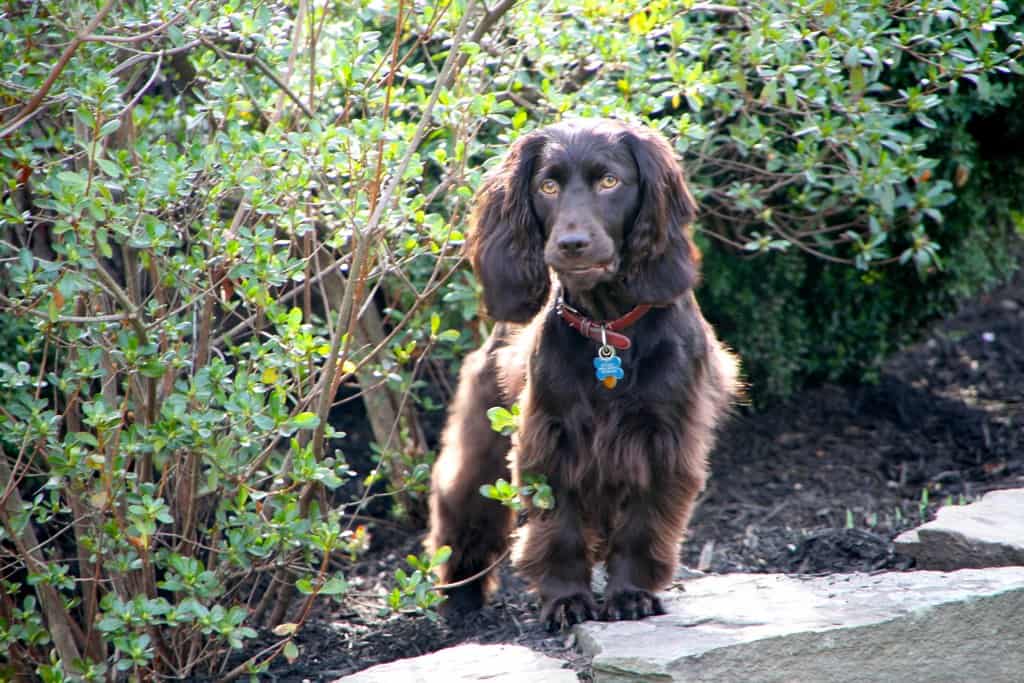
Boykin Spaniel

Boykin Spaniel

Sporting Medium High energy

Boykin Spaniels are medium sporting dogs that fit best with active households ready for daily exercise, training, retrieving or swimming outlets, and regular coat and ear care.

Brittany

Brittany

Sporting Medium High energy

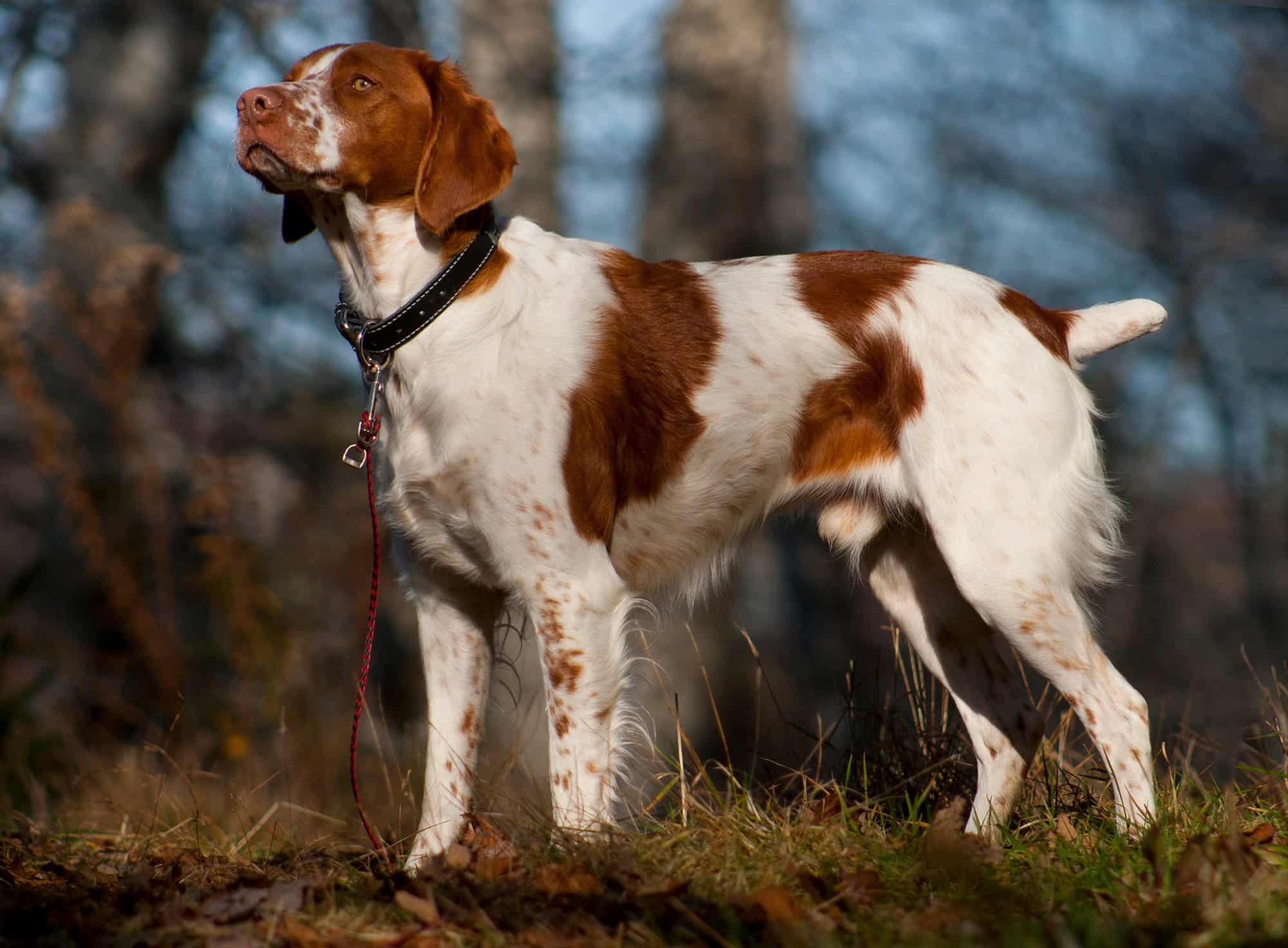
The Brittany dog breed is a medium-size sporting dog built for movement, field work, and close partnership with people. A good Brittany is usually bright, eager, cheerful, athletic, and affectionate, but the best fit is an active home that can build daily routines around exercise, training, recall practice, and regular health care.

Labrador Retriever

Labrador Retriever

Sporting Large High energy

Labrador Retrievers are friendly, trainable sporting dogs best for active homes ready for daily exercise, heavy shedding, and lots of family time.

Golden Retriever

Golden Retriever

Sporting Large High energy

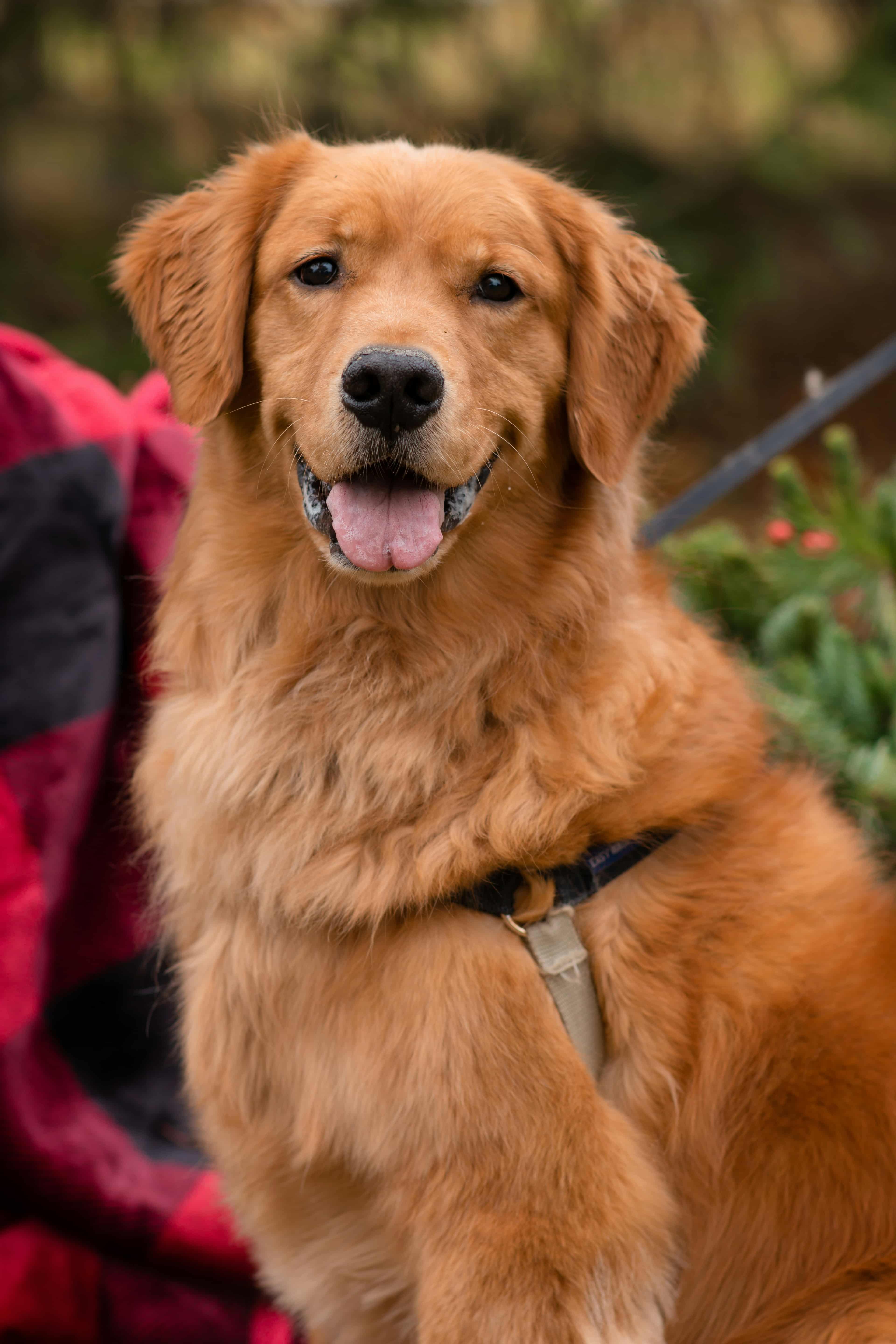
Golden Retrievers are friendly, trainable sporting dogs that thrive with active families who can handle exercise, heavy shedding, and regular grooming.

Portuguese Water Dog

Portuguese Water Dog

Working Medium High energy

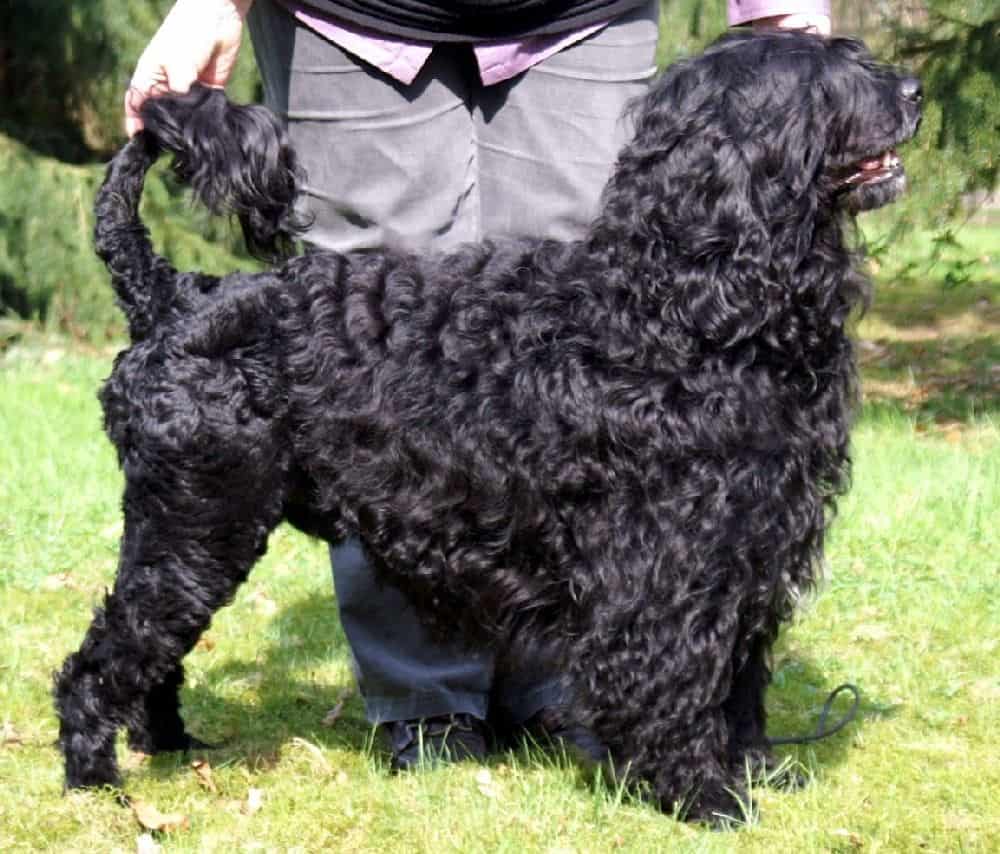
Portuguese Water Dogs are athletic, people-oriented working dogs with a low-shed curly coat and a strong pull toward activity. They fit best with households that want a highly trainable companion for daily exercise, water play, and regular grooming instead of a low-maintenance dog.

German Shorthaired Pointer

German Shorthaired Pointer

Sporting Medium High energy

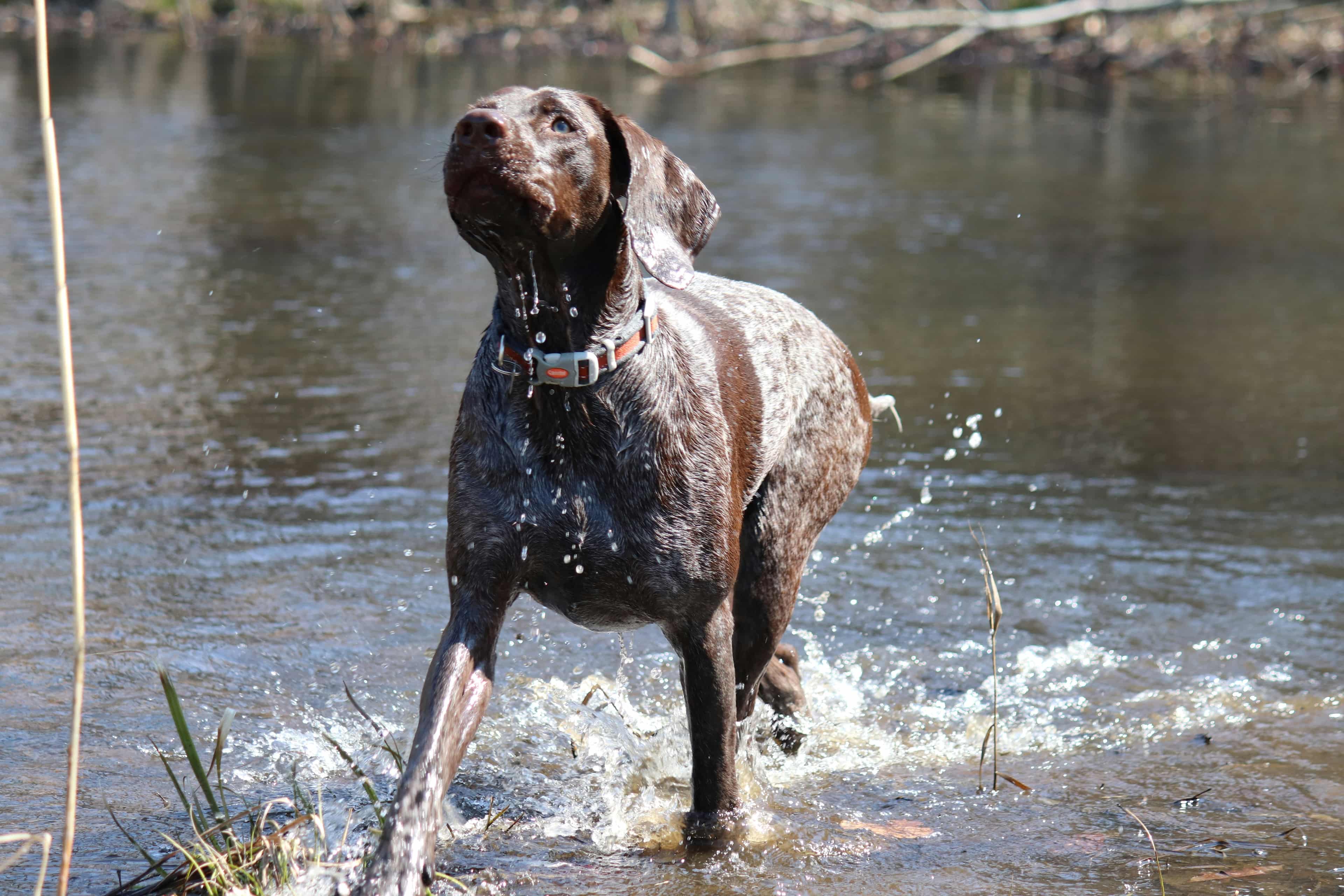
German Shorthaired Pointers are fast, people-oriented sporting dogs built for long exercise days, steady training, and life close to their household. They fit best with active homes that want an athletic all-purpose companion, can provide real daily outlets, and do not expect one short walk to do the whole job.

Vizsla

Vizsla

Sporting Medium High energy

Vizslas are athletic, affectionate sporting dogs that thrive with daily exercise, gentle training, and lots of close time with their people. They fit best with active homes that want a sensitive companion, can keep up with real movement and mental work, and do not expect the dog to spend long stretches alone.

Irish Setter

Irish Setter

Sporting Large High energy

Irish Setters are large sporting dogs known for high energy, outgoing personalities, and a striking red coat. They usually fit best with active households that want an affectionate family dog and can keep up with daily exercise, training, and regular coat care.

Breed Traits

Energy Level5/5
Trainability4/5
Shedding3/5
Health Concerns3/5
Barking Tendency3/5
Good with Kids4/5
Good with Dogs4/5