Browse Breeds A-Z
Working Group

Leonberger

GentleConfidentDevoted
Leonberger

Height

28-31.5 inches (male), 25.5-29.5 inches (female)

Weight

About 90-170 pounds, with males usually heavier

Life Expectancy

8-9 years

Size

Giant

What Leonbergers are like

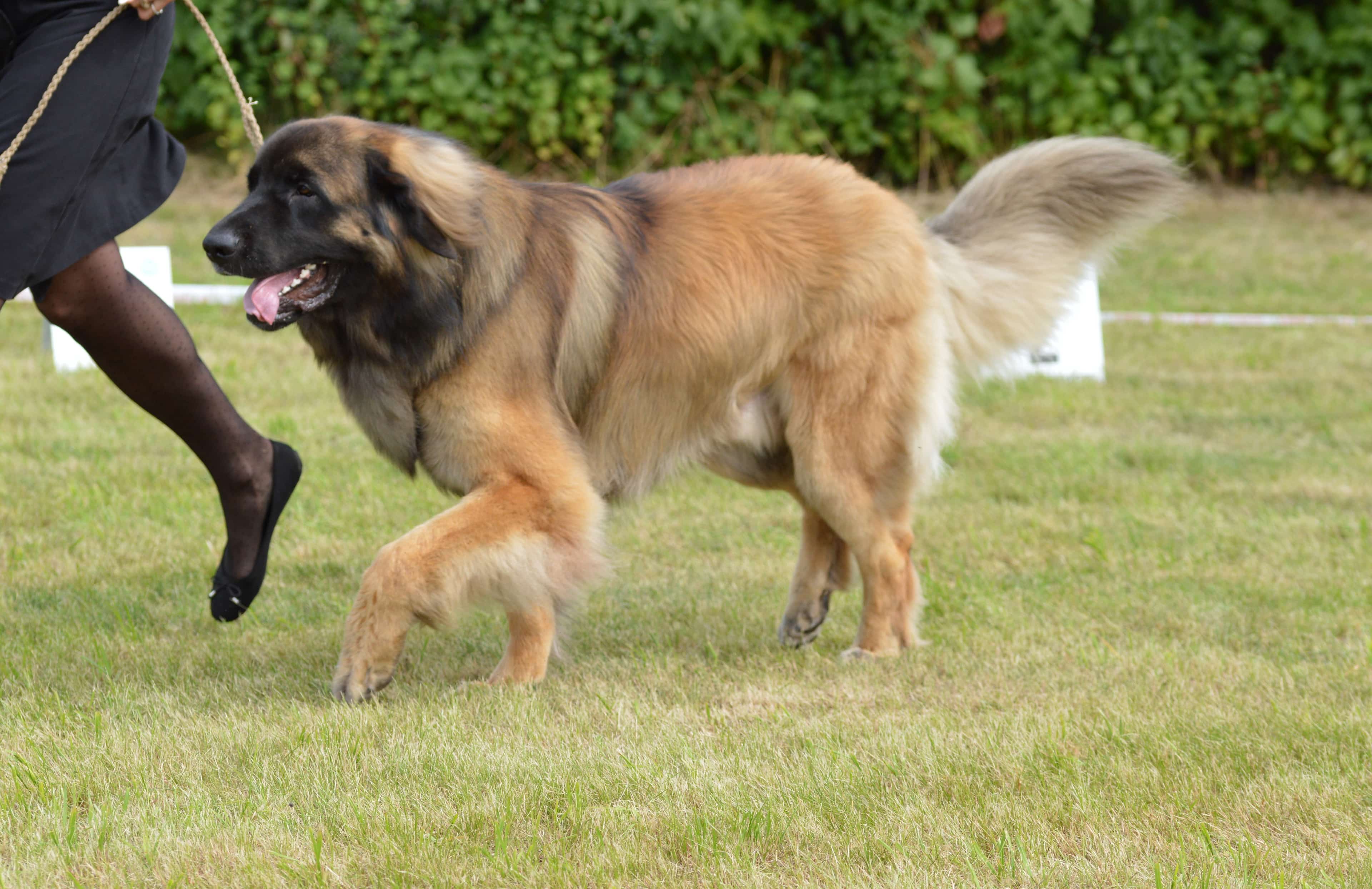
The Leonberger is a giant working dog with a thick coat, a black mask, and a gentle family-centered personality. A good Leonberger can be calm, affectionate, playful, confident, and watchful without being frantic. Many owners love the breed because it feels like a big, soft companion that wants to stay close to household life.

That softness can hide how much dog you are really getting. A Leonberger is not just a larger golden-colored family pet. It is a powerful giant breed with a long adolescent stage, heavy shedding, serious food and veterinary costs, and enough strength to pull, jump, knock things over, or overwhelm guests if manners are not taught early.

The best Leonberger homes like the whole package: the size, the coat, the family devotion, the need for training, and the practical mess of a giant dog. Adults are often steadier than puppies, but young Leonbergers can be bouncy, mouthy, clumsy, and full of opinions while they grow into their bodies.

Is the Leonberger right for your home?

Best match for...

Giant Dog Families
Big Yard Homes
Grooming Ready Owners

Strong fit if...

You want a huge but people-focused companion

Leonbergers usually do best when they are part of the family routine, not parked outside or ignored in a yard.

You have room for a giant body

Wide walkways, a secure yard, a large vehicle, sturdy gear, and enough indoor space all make daily life easier.

You can handle coat care and shedding

This breed needs regular brushing and leaves hair behind, especially during seasonal coat drops.

You are ready to train early

A polite adult Leonberger starts with puppy socialization, leash manners, calm greetings, grooming handling, and clear household rules.

Think twice if...

You want a low-shed or low-maintenance dog

A Leonberger's coat is beautiful, but it is not casual. Hair, mud, water, and brushing come with the breed.

You live in a small apartment with little outdoor access

A Leonberger can be calm indoors, but the size, coat, elevator traffic, bathroom breaks, and exercise needs make tight housing difficult.

You are not comfortable managing a giant adolescent

A half-trained young Leonberger can be stronger than many adults can safely control.

Your budget is already tight

Food, preventives, grooming tools, training, giant-size medication, orthopedic care, emergency care, and extra-large supplies add up quickly.

What daily life feels like

Daily life

Space matters more than square footage alone

A Leonberger needs enough room to move, turn, sleep, dry off, and greet people without every moment becoming a collision. A fenced yard is helpful, but it is not a substitute for companionship or training. This breed should not be expected to live as an outside-only dog.

Daily life

Exercise should be steady, not reckless

Healthy adults need real daily movement, such as brisk walks, yard play, hiking, swimming, training games, sniffing, and relaxed family time. Puppies and adolescents need gradual, age-appropriate activity instead of forced mileage, slippery floors, repetitive jumping, or chaotic collisions.

Daily life

Grooming is part of owning the breed

The dense double coat needs regular brushing down to the undercoat, especially behind the ears, around the mane, under the chest, behind the legs, around the tail, and anywhere a harness rubs. Plan for nail trims, ear checks, tooth brushing, baths, and drying after wet weather or swimming.

Daily life

Families need gentle rules and supervision

A well-socialized Leonberger can be a loving family dog, but size changes the safety rules. Teach children not to climb on the dog or pull the coat, and teach the dog to settle on a mat, wait at doors, greet with four feet on the floor, release toys, and move away when asked.

Training and handling

Training

Start before the puppy is enormous

Focus on name response, recall, loose-leash walking, sit, down, wait, leave it, drop it, calm greetings, crate or pen comfort, car loading, and relaxing on a mat. Short, upbeat reward-based sessions work better than long battles.

Training

Socialization should create calm confidence

Teach puppies and new adults about people, children, dogs, traffic, grooming tools, vet-style handling, slick floors, stairs, cars, crowds, delivery noise, and household chaos. The goal is a dog that can notice the world and stay steady, not a dog forced to greet everyone.

Training

Teach leash, door, and body manners

Practice leash skills before strength becomes the issue. Teach waiting before going outside, moving to a bed when guests enter, and greeting only after the dog is calm. A giant dog does not need to be aggressive to be unsafe; excitement and poor manners are enough.

Training

Cooperative care saves stress later

Practice handling paws, ears, tail, collar, mouth, and coat with rewards. A Leonberger that can stand still, lie on a mat, step onto a scale, and accept brushing in short pieces is easier for the family, groomer, and veterinary team to help.

Health and cost

Plan for it

Bloat and GDV need emergency action

Repeated unproductive retching, a swollen or painful belly, heavy drooling, pacing, restlessness, pale gums, weakness, collapse, or trouble breathing can signal life-threatening bloat or gastric dilatation-volvulus (GDV). Contact an emergency veterinarian right away; do not wait or try to treat bloat at home.

Plan for it

Joints and growing bodies need protection

Hip and elbow dysplasia, growing pains, cruciate injuries, arthritis, and orthopedic strain matter in giant breeds. Keep the dog lean, build exercise gradually, avoid repeated hard jumping while young, and call a veterinarian for limping, stiffness, gait changes, pain, or trouble using stairs.

Plan for it

Breathing, bark, and gait changes matter

Noisy breathing, a changed bark, swallowing difficulty, exercise intolerance, hind-leg weakness, stumbling, knuckling, dragging paws, or visible muscle loss need prompt veterinary guidance. Breathing trouble, collapse, blue or pale gums, or a dog that cannot get comfortable is urgent.

Plan for it

Cancer, thyroid, eyes, and general wellness belong in the plan

Ask about hip, elbow, eye, thyroid, and breed-relevant genetic screening when choosing a puppy, and establish a baseline veterinary visit for an adult rescue. Weight loss, persistent lameness, swelling, repeated weakness, eye changes, or major behavior changes deserve veterinary advice.

Plan for it

Budget for an extra-large dog

Food, giant-size preventives and medications, routine care, health screening, training, grooming tools, safe transport, sturdy equipment, boarding, and emergency savings all cost more at this size. Prioritize health, temperament, responsible placement, honest family history, and a realistic home match over the lowest upfront price.

Did you know?

The breed name comes from Leonberg

The Leonberger is associated with the town of Leonberg in Germany. The lion-like outline, dark mask, and full coat are central to the breed's recognizable look.

The black mask is a signature feature

Leonbergers come in warm coat colors such as lion-yellow, golden, red, red-brown, and sandy shades, but the dark mask is central to the classic look.

Several giant breeds are part of the story

Leonbergers are often compared with Saint Bernards, Newfoundlands, and Great Pyrenees because readers weigh size, coat, water-resistant texture, family temperament, and guardian instincts before choosing.

They are working dogs, not just pretty giants

Leonbergers have been used as multipurpose family, farm, and draft-style dogs. Many still enjoy pulling, carrying, water play, therapy-style visits, obedience, tracking, or simply learning useful household routines.

More ways to compare the Leonberger

Leonberger FAQ

FAQ

Are Leonbergers good family dogs?

Leonbergers can be excellent family dogs in the right home. They are often gentle, affectionate, and devoted, but they still need training, supervision with children, and owners who can manage a giant body safely.

FAQ

How big do Leonbergers get?

Most Leonbergers are giant dogs. Males are commonly about 28-31.5 inches tall, females about 25.5-29.5 inches tall, and many adults fall somewhere around 90-170 pounds depending on sex, build, and condition.

FAQ

Do Leonbergers shed a lot?

Yes. Leonbergers are heavy shedders with a dense double coat. Expect regular brushing, more brushing during seasonal shedding, and dog hair around the home.

FAQ

Are Leonbergers hypoallergenic?

No. Leonbergers are not a good choice for someone who needs a low-shedding or allergy-friendly dog. Their coat sheds heavily and carries dander like other dog coats.

FAQ

How much exercise does a Leonberger need?

A healthy adult Leonberger needs steady daily exercise, such as walks, yard time, training games, hiking, swimming, or other low-impact activities. Puppies need careful, age-appropriate activity rather than forced mileage or repeated hard jumping.

FAQ

Can a Leonberger live in an apartment?

Some calm adults can manage apartment life with very committed owners, but the breed is usually easier in a home with more space and outdoor access. Size, coat care, heat, stairs, elevators, bathroom breaks, and emergency transport all matter.

FAQ

Are Leonbergers easy to train?

Leonbergers are usually capable learners and often want to please, but easy depends on timing. Training is much easier when manners, leash skills, grooming handling, and socialization begin before the dog becomes a full-size adolescent.

FAQ

Do Leonbergers bark a lot?

Many Leonbergers are watchful rather than nonstop barkers. They may bark at visitors, unusual sounds, or property activity. Calm socialization, door routines, and clear rules help prevent alert barking from becoming a habit.

FAQ

Are Leonbergers good with other dogs and cats?

Many can live well with other pets when introduced carefully, but early socialization and supervision matter. Adolescents can be pushy because of size, excitement, or confidence, so polite play and calm greetings should be taught.

FAQ

What health problems are common in Leonbergers?

Important watchouts include bloat/GDV, hip and elbow problems, growing-body orthopedic issues, inherited nerve and movement conditions, cancer, thyroid concerns, and eye problems. Responsible health screening and early veterinary care are important.

FAQ

What is the lifespan of a Leonberger?

A realistic Leonberger lifespan is about 8-9 years. Some live longer and some shorter, but giant breeds generally have shorter average lifespans than many small and medium-size dogs.

FAQ

How much does a Leonberger cost to own?

Costs vary by breeder, rescue, region, and health history, but lifetime ownership is expensive. Plan for giant-size food, preventive care, training, grooming tools, sturdy gear, health screening, boarding, and emergency savings.

FAQ

Leonberger vs Newfoundland: which is better?

Neither is better for every home. Both are giant, heavily coated family companions, but Newfoundlands are more strongly associated with water work while Leonbergers are versatile German working companions with a distinctive black mask and lion-like look. Use the comparison tool to think through coat, size, energy, health, and daily care.

Breeds similar to the Leonberger

Browse all breeds
Newfoundland

Newfoundland

Working Giant Medium energy

Newfoundlands are giant working dogs that usually bring devoted, patient, and sweet traits into everyday life. They tend to reward family households that want a dog involved in everyday home life that are prepared for space and handling strength and health screening and long-term vet planning.

Saint Bernard

Saint Bernard

Working Giant Medium energy

The Saint Bernard is a giant working breed that tends to come across as charming, inquisitive, and playful once it settles in. They usually make the most sense for family households that want a dog involved in everyday home life and owners who are realistic about space and handling strength and health screening and long-term vet planning.

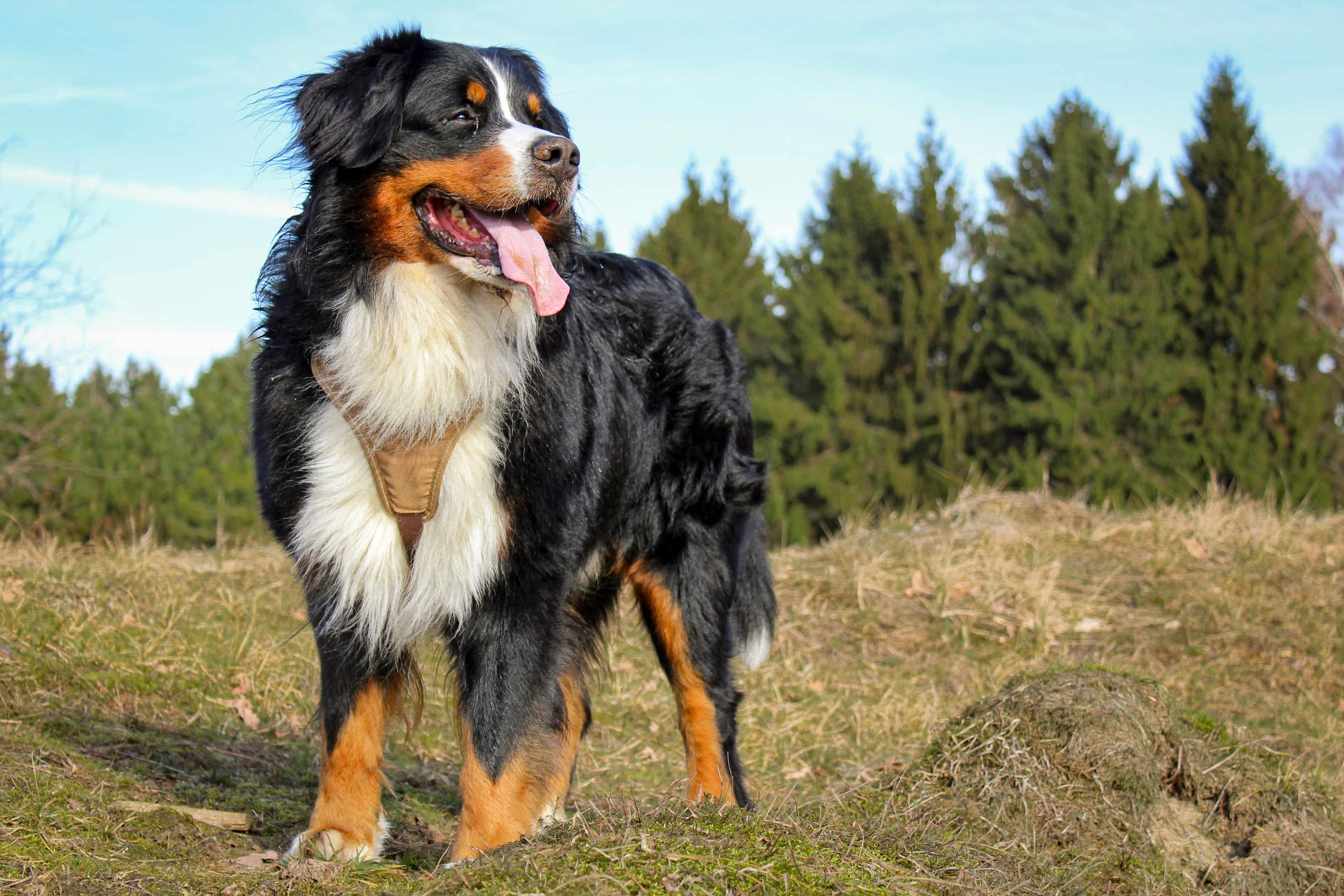
Bernese Mountain Dog

Bernese Mountain Dog

Working Giant High energy

Bernese Mountain Dogs are affectionate giant farm dogs that fit families ready for heavy shedding, steady exercise, and real health tradeoffs.

Great Pyrenees

Great Pyrenees

Working Giant Medium energy

Great Pyrenees are giant livestock-guardian dogs that stay calm, patient, and watchful while keeping an eye on home or flock. They fit best with owners who have room, secure fencing, and realistic expectations about barking, shedding, and independent training.

Mastiff

Mastiff

Working Giant Medium energy

Mastiffs are giant working dogs that usually bring courageous, dignified, and good natured traits into everyday life. They tend to reward family households that want a dog involved in everyday home life that are prepared for heat and breathing-related management and space and handling strength.

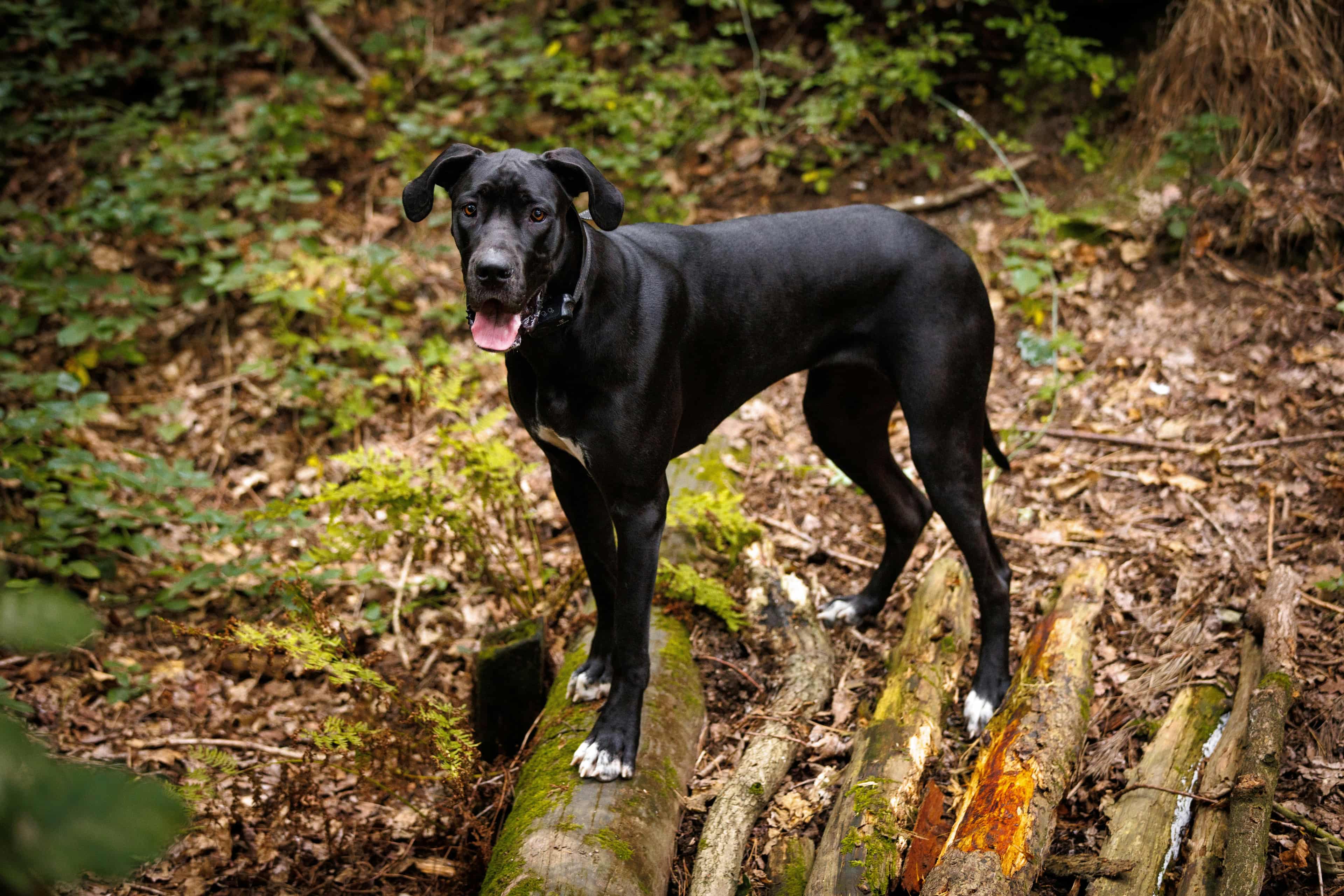
Great Dane

Great Dane

Working Giant Medium energy

Great Danes are huge, easygoing dogs that can be calm indoors, but size changes daily life. They need space, early training, and a giant-breed budget.

Tibetan Mastiff

Tibetan Mastiff

Working Giant Medium energy

People are often drawn to the Tibetan Mastiff for its independent, intelligent, and reserved mix wrapped in a giant working frame. They fit best when homes where training and structure are part of the weekly routine can plan around space and handling strength and regular coat cleanup instead of treating the breed like a plug-and-play match.

Bullmastiff

Bullmastiff

Working Giant High energy

People are often drawn to the Bullmastiff for its affectionate, brave, and loyal mix wrapped in a giant working frame. They fit best when active households can plan around heat and breathing-related management and daily exercise and mental work instead of treating the breed like a plug-and-play match.

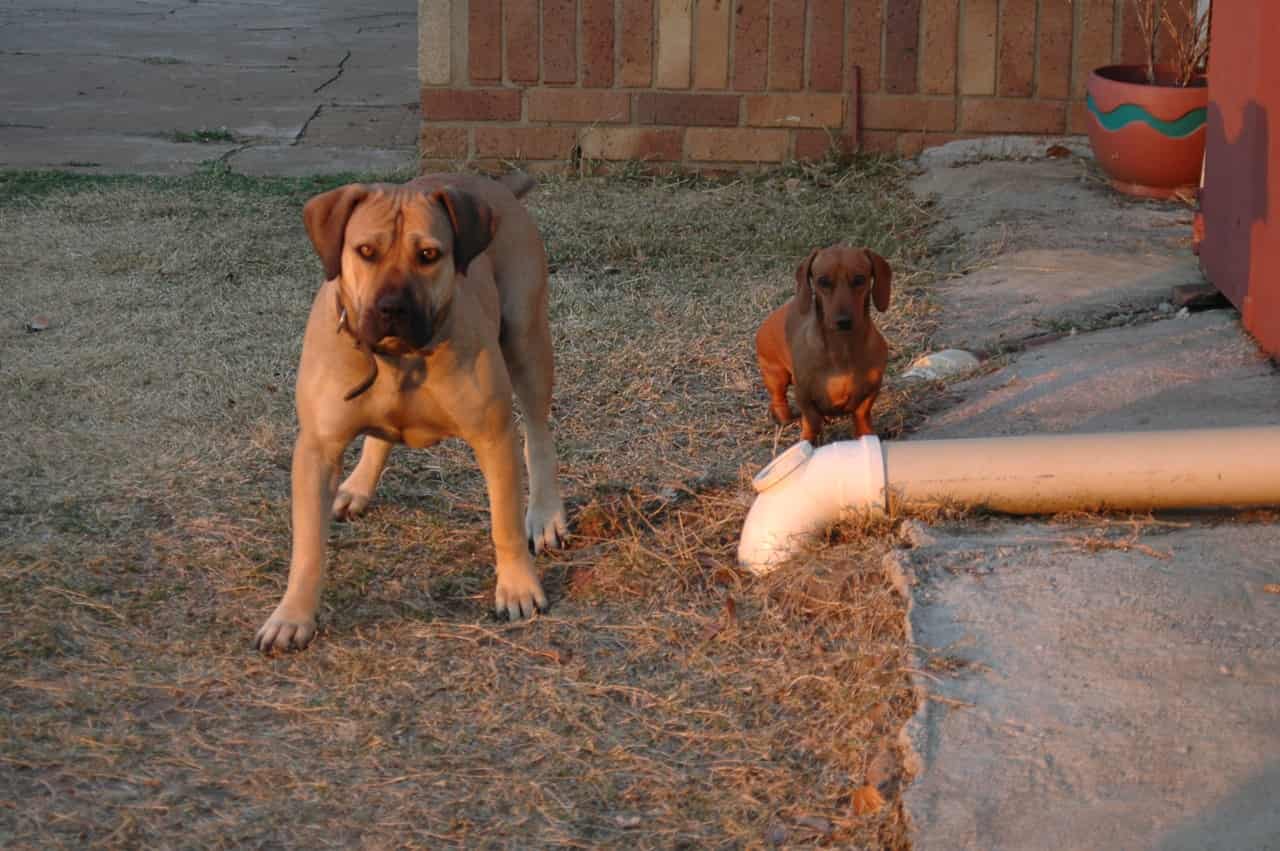
Boerboel

Boerboel

Working Giant Medium energy

Boerboels are giant South African guardian dogs that fit best with experienced households that can manage serious size, watchful instincts, secure containment, and consistent training.

Irish Wolfhound

Irish Wolfhound

Hound Giant Medium energy

Irish Wolfhounds are giant hound dogs that usually bring calm, courageous, and dignified traits into everyday life. They tend to reward multi-dog homes that are prepared for space and handling strength and health screening and long-term vet planning.

Giant Schnauzer

Giant Schnauzer

Working Large High energy

Giant Schnauzers typically pair alert, loyal, and trainable traits with the presence of a large working dog. They are often strongest fits for active households, especially when the household can stay on top of daily exercise and mental work and space and handling strength.

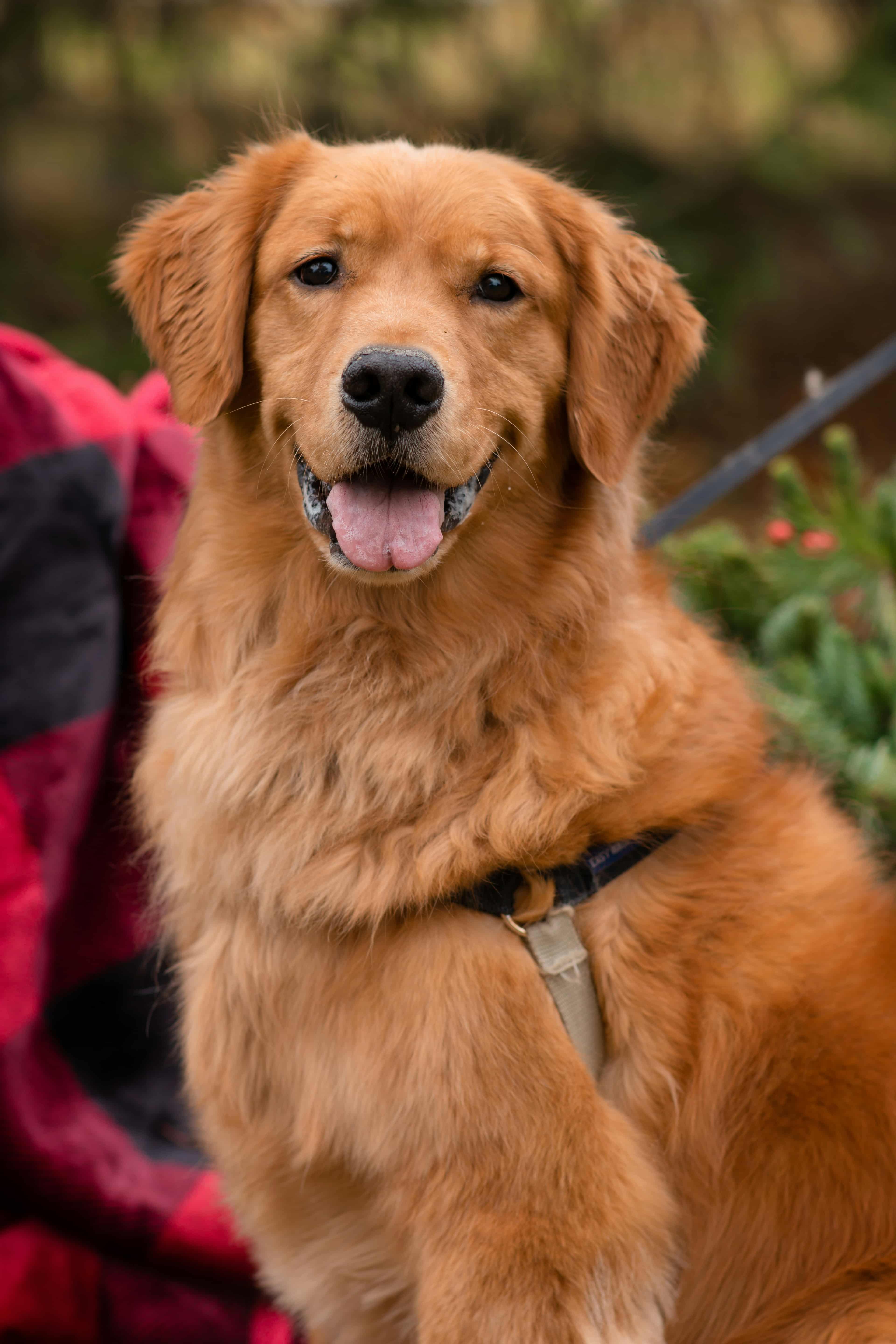
Golden Retriever

Golden Retriever

Sporting Large High energy

Golden Retrievers are friendly, trainable sporting dogs that thrive with active families who can handle exercise, heavy shedding, and regular grooming.

Breed Traits

Energy Level4/5
Trainability4/5
Shedding5/5
Health Concerns5/5
Barking Tendency3/5
Good with Kids4/5
Good with Dogs3/5