Browse Breeds A-Z
Working Group

Saint Bernard

CharmingInquisitivePlayful
Saint Bernard

Height

28-30 inches (males), 26-28 inches (female)

Weight

140-180 pounds (male), 120-140 pounds (female)

Life Expectancy

8-10 years

Size

Giant

What Saint Bernards are like

The Saint Bernard is a giant, gentle working breed best known for its calm family temperament, rescue-dog history, and the very real giant-dog tradeoffs that come with it. They often fit homes that want a true indoors-and-family companion and are honest about what giant-breed life means: more drool, more shedding, more cleanup, more handling strength, and much bigger food, space, and vet costs than the sweet personality alone might suggest.

Is the Saint Bernard right for your home?

Best match for...

A family home that wants a calm giant companion, has room for a very large dog to move comfortably, and is realistic about drool, grooming, heat management, and long-term giant-breed costs.

Families
Children

Daily life

The size changes everyday routines

A Saint Bernard affects doorways, cars, stairs, beds, and loose-leash manners in a way smaller dogs do not, so everyday setup matters long before the dog is fully grown.

Daily life

Drool, shedding, and cleanup are normal

Many Saints shed heavily, track in dirt, and leave drool on clothes, floors, walls, and furniture, so steady cleanup is part of the package rather than a surprise problem.

Daily life

Cooler weather suits them better than heat

Most Saint Bernards do best with moderate exercise, cooler-time walks, air conditioning, and common-sense heat caution instead of long hot outings.

Training and handling

Training

Teach manners early because strength arrives fast

Loose leash pulling, jumping, or charging through doors can feel manageable in a puppy and overwhelming in a full-grown Saint Bernard, so early manners work pays off quickly.

Training

Calm consistency works better than heavy pressure

Many Saints respond best to steady, positive training and clear family rules instead of harsh handling or mixed expectations from one person to the next.

Training

Socialize the giant dog you want later

Early exposure to visitors, grooming, kids, vet handling, and normal household noise matters because even minor behavior problems are harder to manage at giant-breed size.

Health and cost

Plan for it

Joints, bloat risk, and eye issues need a plan

Like many giant deep-chested breeds, Saint Bernards deserve realistic planning around joint problems, bloat risk, eye issues, and the value of careful breeding and screening.

Plan for it

Heat safety is part of responsible ownership

Their build and coat suit cool weather much better than heat, so timing walks, avoiding overexertion, and watching closely for overheating are part of normal care.

Plan for it

Giant-breed costs show up everywhere

The real expense is not just vet care. Food, orthopedic beds, boarding, grooming tools, travel, and everyday supplies all cost more when the dog is this large.

Did you know?

The breed became famous through alpine rescue work

Saint Bernards are tied to the Great St. Bernard Pass in the Alps, where hospice dogs became famous for helping locate and assist stranded travelers.

A calm dog can still be a lot of dog

One reason people love the breed is that many Saints are steadier indoors than their size suggests, but the handling, cleanup, and space needs are still giant-breed sized.

Sweet with children still needs supervision

Saint Bernards are often patient family dogs, but body weight, tail power, and indoor momentum still mean supervision matters around very small kids.

The coat work is more than brushing once in a while

Even when grooming is not fancy, the amount of hair and slobber can make the breed feel more high-maintenance than first-time admirers expect.

Breeds similar to the Saint Bernard

Browse all breeds
Mastiff

Mastiff

Working Giant Medium energy

Mastiffs are giant working dogs that usually bring courageous, dignified, and good natured traits into everyday life. They tend to reward family households that want a dog involved in everyday home life that are prepared for heat and breathing-related management and space and handling strength.

Newfoundland

Newfoundland

Working Giant Medium energy

Newfoundlands are giant working dogs that usually bring devoted, patient, and sweet traits into everyday life. They tend to reward family households that want a dog involved in everyday home life that are prepared for space and handling strength and health screening and long-term vet planning.

Boerboel

Boerboel

Working Giant Medium energy

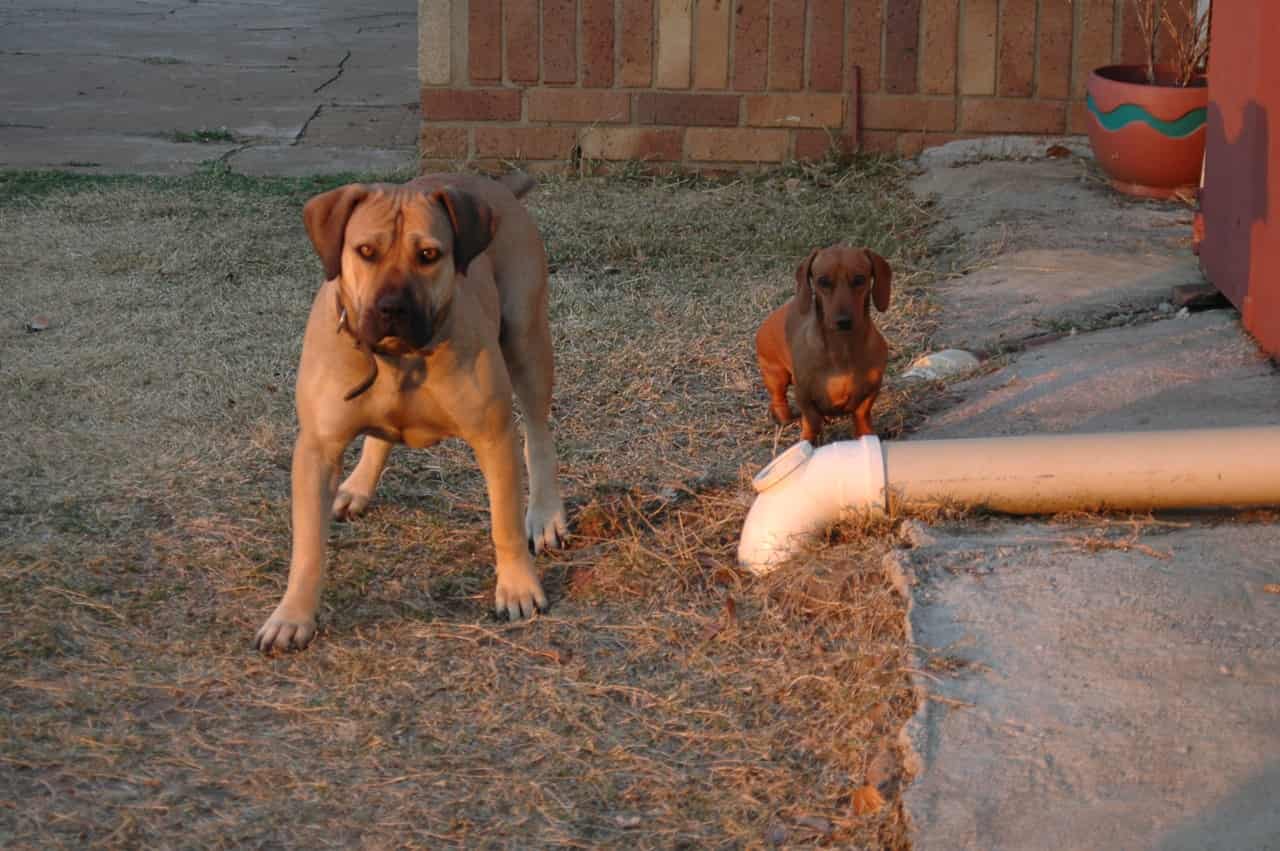
Boerboels are giant South African guardian dogs that fit best with experienced households that can manage serious size, watchful instincts, secure containment, and consistent training.

Great Dane

Great Dane

Working Giant Medium energy

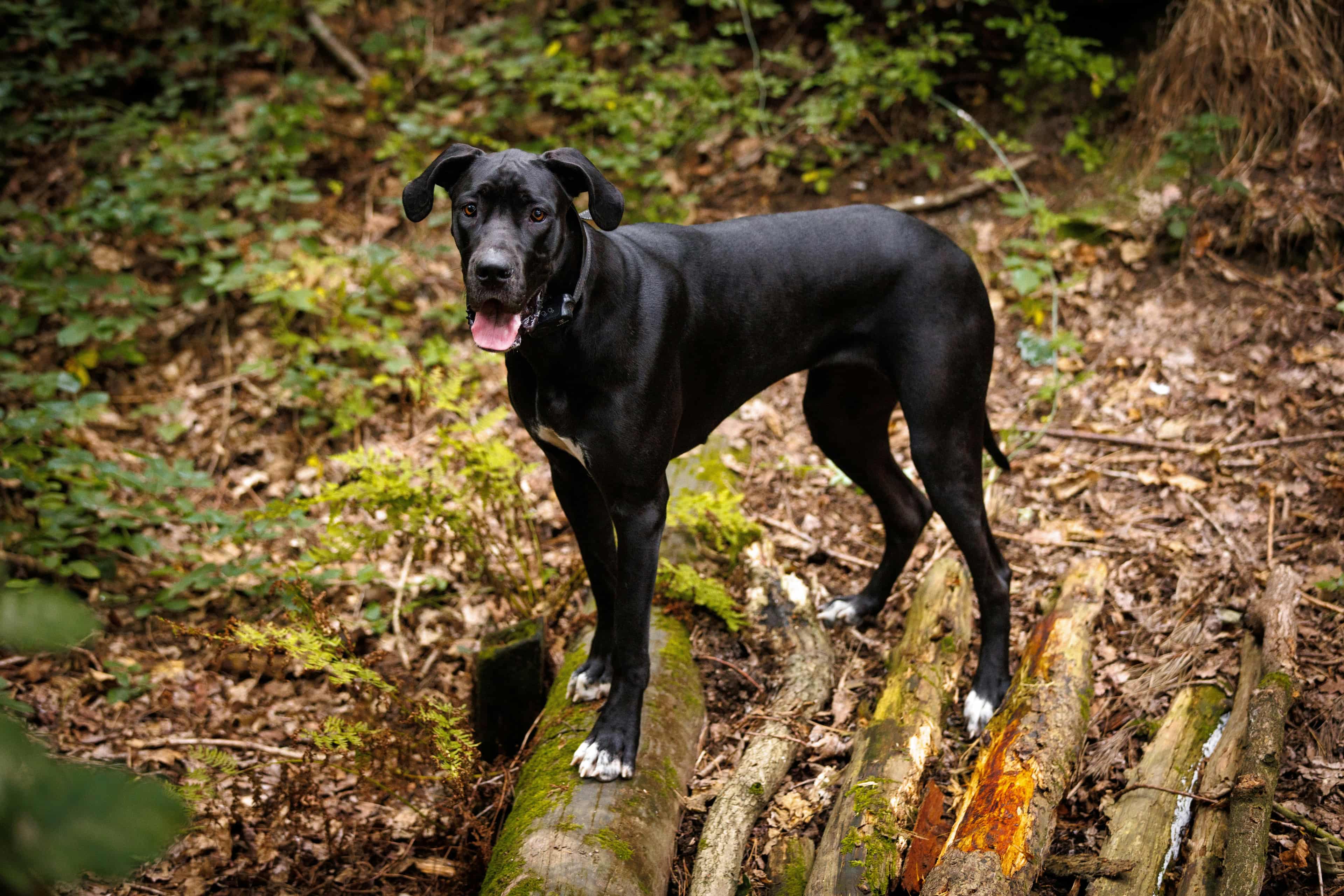
Great Danes are huge, easygoing dogs that can be calm indoors, but size changes daily life. They need space, early training, and a giant-breed budget.

Anatolian Shepherd Dog

Anatolian Shepherd Dog

Working Giant Medium energy

Anatolian Shepherd Dogs are giant working dogs that usually bring independent, loyal, and reserved traits into everyday life. They tend to reward homes that are prepared for space and handling strength and that have the confidence to manage a bigger dog.

Caucasian Shepherd Dog

Caucasian Shepherd Dog

Working Giant Medium energy

The Caucasian Shepherd Dog is a giant working breed that tends to come across as bold, fearless, and kind once it settles in. They usually make the most sense for homes with the space and handling confidence for a bigger dog and owners who are realistic about space and handling strength and health screening and long-term vet planning.

Breed Traits

Energy Level3/5
Trainability3/5
Health Concerns5/5
Barking Tendency1/5
Good with Kids5/5
Good with Dogs3/5