Quick view
Size and strength change the whole day
Breed reference data lists adult Giant Schnauzer males at 75 to 95 pounds and females at 55 to 80. That is a lot of dog to manage if leash manners, greetings, and calm handling never get built early.

Height
25.5-27.5 inches (male), 23.5-25.5 inches (female)
Weight
75-95 pounds (male), 55-80 pounds (female)
Life Expectancy
10-13 years
Size
Large
Giant Schnauzers are large working dogs that usually feel sharper, faster, and more serious than the bearded face first suggests. In the right home a Giant Schnauzer can feel loyal, playful with family, deeply satisfying to train, and ready to do something with you every day. In the wrong home the same dog can feel overpowering, suspicious of strangers, too physical for very young kids, and exhausting because the breed needs exercise, grooming, and a real job. The biggest lifestyle filters are experience, daily activity, regular coat work, and honest comfort with a strong territorial dog.
Quick view
Breed reference data lists adult Giant Schnauzer males at 75 to 95 pounds and females at 55 to 80. That is a lot of dog to manage if leash manners, greetings, and calm handling never get built early.
Quick view
The expected life span runs 10 to 13 years. Because the breed also asks for heavy training time, regular grooming, and health screening, the long-term plan should include both time and money, not just affection.
Quick view
Breed experts describe a dense wiry double coat that needs regular brushing and clipping or stripping. Even though loose hair does not fall out in big fluffy piles, owners should not assume the coat is magically hypoallergenic.
Quick view
Giant Schnauzers are more energetic and up-tempo than most big breeds, and they need lots of exercise plus regular work with their owner. This is not usually a dog that stays easy with a couple of short walks and no plan for the brain.
An experienced, active home that wants a serious working companion, will train and socialize every day, has secure space to exercise a large dog, and is comfortable with regular grooming plus older-kid rather than plug-and-play family fit.
You want a real working-dog partner, not just a big pet
The Giant Schnauzer often feels best in homes that enjoy training, sports, long walks, or daily routines that give the dog something to do.
You can give exercise and mental work every day
This breed is smart enough to create its own projects when boredom wins. Giants usually do better when walks, play, training, and problem-solving are normal parts of the day instead of backup plans.
You are comfortable setting rules early and sticking to them
The breed is bright and trainable in steady hands, but it is also vigorous and strong-willed enough to overwhelm owners who are not ready for structure. Clear handling makes daily life much easier.
Older kids and supervised routines are a better fit than chaos
Well-trained Giants do best with older kids, and young children usually need close supervision. Homes that supervise play and do not expect a foolproof toddler dog tend to have a better experience.
You want an easygoing dog that loves every stranger
Giants are guard dogs and not the happy-go-lucky type that wanders up to everyone. Stranger reserve can be a strength in the right home and a headache in the wrong one.
The dog would spend long days alone without a job
Giants want to be with their owners and cannot abide being ignored or left in the yard. Boredom here can turn into barking, pacing, nuisance behavior, or a dog that is simply too intense indoors.
You need an easy fit for small kids, small dogs, or cats
The breed is not recommended for families with small children, small dogs, or cats, and male Giants may not tolerate another male in the home. If you want easy multi-pet harmony or a very forgiving dog for little kids, this is usually not the safest bet.
You want minimal grooming and low weekly effort
The coat sheds less than many big breeds, but it still needs brushing, trimming, and regular maintenance. If you want a wash-and-go large dog, the Giant Schnauzer can feel like more work than expected.
If you like the Giant Schnauzer mix of brains, athleticism, and watchdog energy, start by comparing the Doberman Pinscher, Boxer, and Cane Corso. Then look at the American Bulldog, Dogo Argentino, and Bullmastiff to see how other large protective breeds trade off exercise, sociability, and handling. Use the breed compare tool to line up the details side by side, or try the match quiz and breed mixer for a broader fit check.
Daily life
A Giant Schnauzer usually notices who belongs and who does not. That does not mean everyday aggression should be treated as normal, but it does mean visitors, doors, and new situations need calm routines instead of wishful thinking.
Daily life
Giants want to be with their owners, and many of them feel less like decorative dogs and more like shadowy working partners that want to stay in the middle of household life.
Daily life
Giants cannot abide being ignored or left in the yard, and they need daily exercise plus mental stimulation. When that outlet falls short, many Giants get loud, restless, or rougher indoors than most homes want.
Daily life
The breed usually needs a house with a yard, and fenced running room matters. Secure space does not replace leash walks or training, but it makes managing this much dog more realistic.
Care
Weekly brushing keeps the wiry coat manageable, but it often needs even more regular attention to avoid matting. Either way, coat care has to stay on the calendar.
Care
The coat should be clipped or stripped regularly, and professional grooming is part of normal life for many owners. This is not usually a breed where you ignore the coat until it becomes a problem.
Care
The signature face looks great, but it also needs maintenance. Eyebrow trimming, weekly ear checks, and regular tooth brushing are part of the care list.
Care
Lower loose-hair cleanup does not mean every allergy-sensitive home will do fine with this breed.
Training
Early socialization and puppy training classes are a must, and puppies need to learn that new people, animals, and experiences are not scary. Waiting to see how the dog turns out is the wrong plan.
Training
These dogs learn quickly, which is great when the owner is consistent. The same intelligence can also turn into selective listening, pushiness, or clever avoidance when the rules are weak.
Training
Giants can learn well with positive reinforcement, but they still need clear expectations, daily repetition, and enough outlet. That usually goes further than trying to overpower a big smart dog after mistakes happen.
Training
The breed is territorial and protective, and there are awareness issues around same-home male-dog tolerance. A secure yard, careful introductions, and realistic expectations matter more than they do with many softer companion breeds.
Plan for it
Responsible breeders screen for hip dysplasia, eye disease, and autoimmune thyroiditis, and they specifically list hip, elbow, ophthalmologist, and thyroid evaluation among the recommended tests. That homework matters before the dog arrives, not after.
Plan for it
Hip dysplasia and osteochondritis dissecans are joint-development problems often seen in the elbows and shoulders of young Giant Schnauzers. If a puppy starts limping or avoiding movement, that is a vet conversation, not a wait-and-see shrug.
Plan for it
Hypothyroidism can show up as low energy, weight gain, a dull coat, or more skin infections. The good news is that treatment can be effective, but it still adds ongoing medication and monitoring.
Plan for it
Breeder pricing ranges from about $1,200 to $3,500 before you even add food, grooming, classes, sturdy gear, and vet care. The easiest Giant Schnauzer homes are the ones that budget for the whole package instead of only the purchase price.
Historical accounts record that the Giant Schnauzer was developed in the Bavarian Alps from the Standard Schnauzer and used to drive cattle from farm to market. The breed's working stock roots tie it back to Bavarian and Munich traditions.
Giants began drawing wider attention in Germany just before World War I as candidates for police training, and police plus army work became major roles for the breed in Europe.
Breed histories point out that the Giant Schnauzer is not a separate giant-group dog so much as the largest of the Schnauzer breeds. The German name, Riesenschnauzer, literally means "the giant."
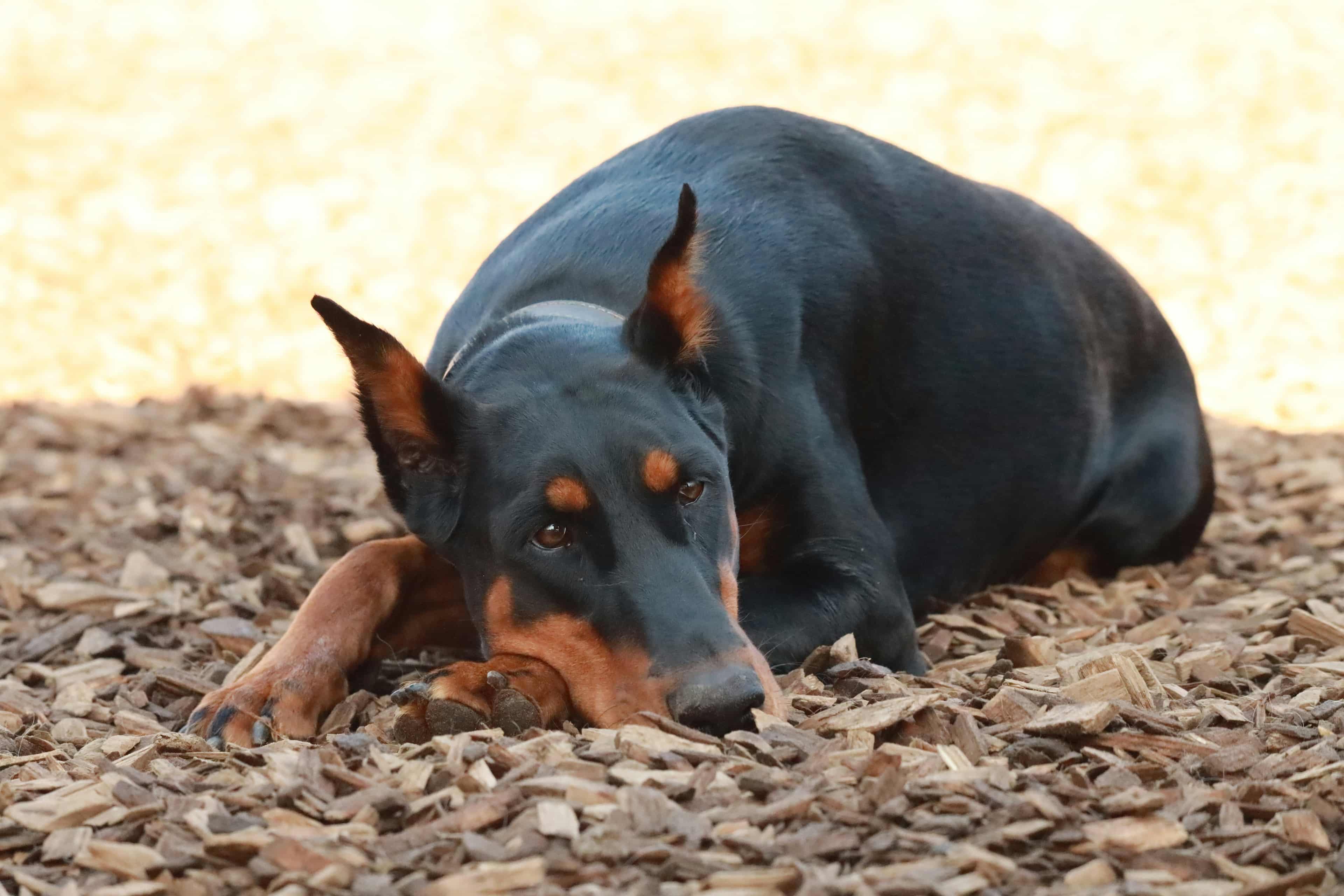
Working • Large • High energy
Doberman Pinschers are intelligent, athletic companions with watchdog instincts, best for owners ready for daily training, exercise, and steady socialization.
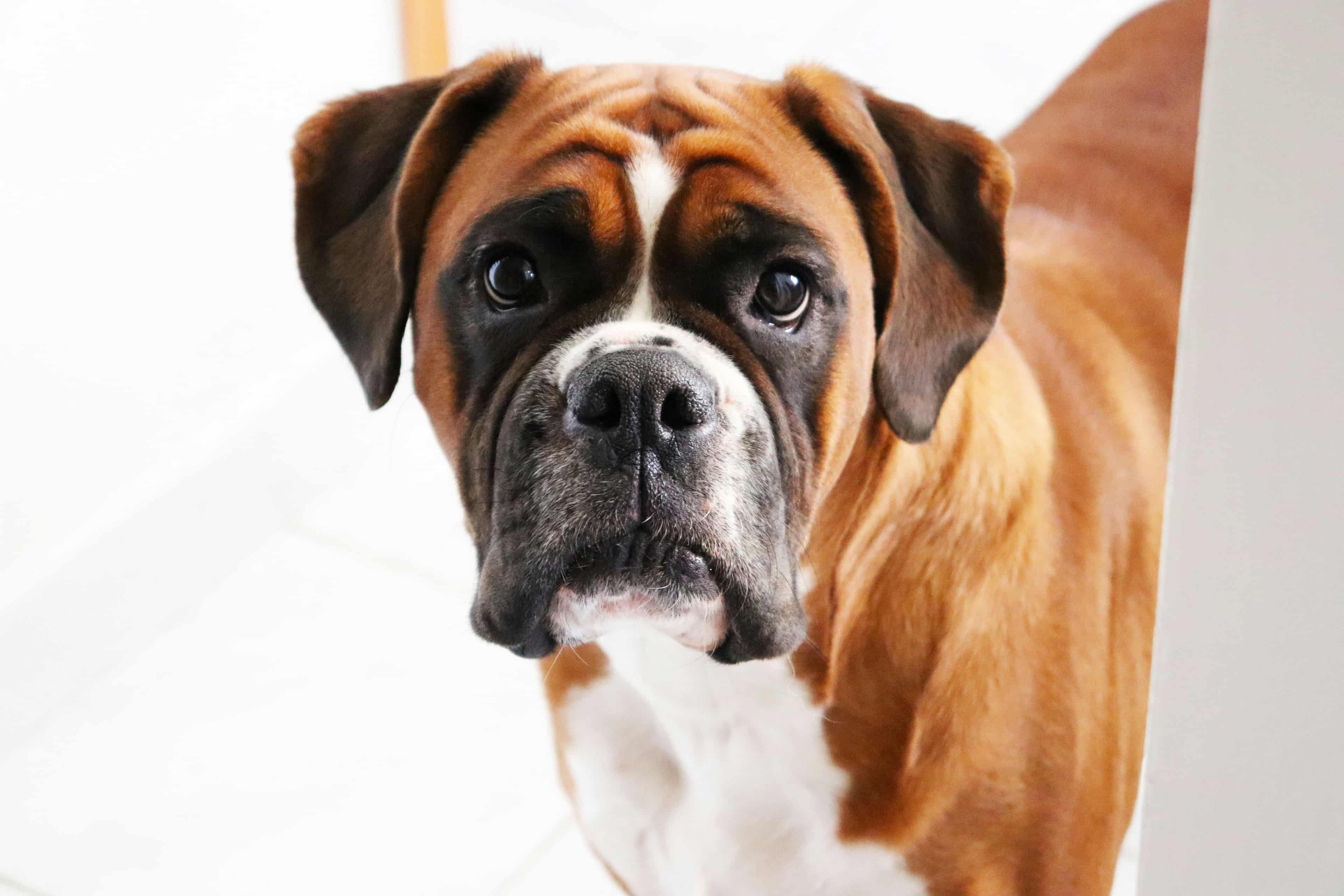
Working • Large • High energy
Boxers are muscular, affectionate clowns with watchdog instincts and a huge need to be part of family life. They fit best with active homes that can provide daily exercise, consistent training, and careful heat and health management.
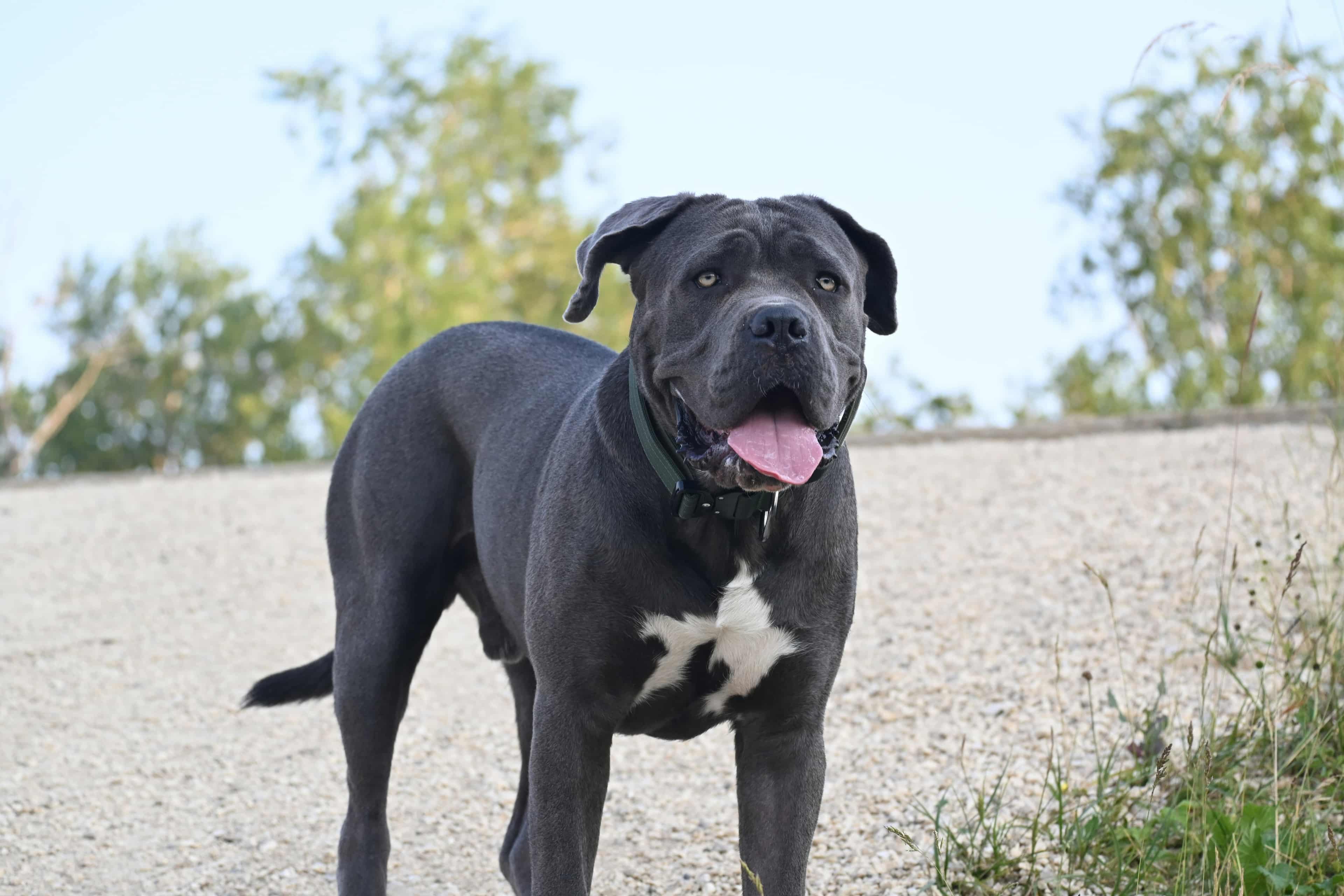
Working • Large • High energy
Cane Corsos are imposing Italian guardian dogs that thrive with experienced owners who provide steady training, early socialization, and structure.

Working • Large • High energy
American Bulldogs are muscular, loyal working dogs that need daily exercise, early socialization, and owners comfortable managing a strong companion.

Working • Large • High energy
Dogo Argentinos are large working dogs that usually bring athletic, courageous, and loyal traits into everyday life. They tend to fit best in active households that are ready for daily exercise, confident handling, and structured training instead of a low-effort breed match.

Working • Giant • High energy
People are often drawn to the Bullmastiff for its affectionate, brave, and loyal mix wrapped in a giant working frame. They fit best when active households can plan around heat and breathing-related management and daily exercise and mental work instead of treating the breed like a plug-and-play match.