Browse Breeds A-Z
Working Group

Boerboel

ConfidentLoyalWatchful
Boerboel

Height

24-27 inches (male), 22-25 inches (female)

Weight

150-200 pounds

Life Expectancy

9-11 years

Size

Giant

What Boerboels are like

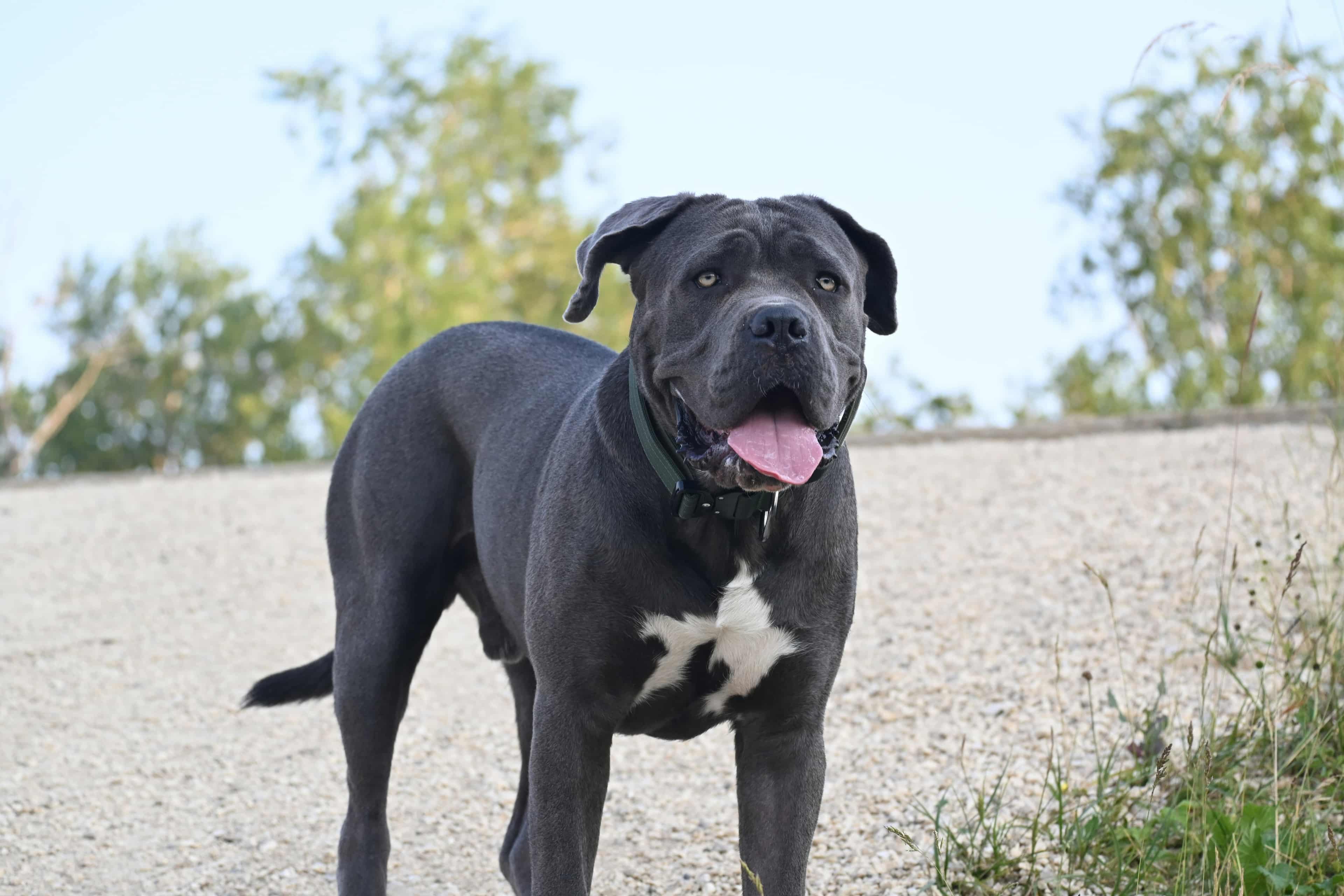
Boerboels are giant South African guardian dogs with a serious presence, a calm center at home, and much more management responsibility than their short coat and moderate energy level might suggest at first glance. They often appeal to people who want a powerful family protector with a mastiff-type look, but the real fit question is whether you want life with a 150- to 200-pound dog that can be affectionate, trainable, and deeply loyal while still being naturally watchful, strong, and very hard to manage if the basics are sloppy. A Boerboel can be an excellent match for the right home, but it usually works best with experienced owners who are honest about the size, guarding instincts, socialization needs, and long-term health costs that come with the breed.

Boerboel breed basics

Quick view

A calm giant can still be a lot of dog

Boerboels can be affectionate, trainable, and deeply loyal, but the real fit question is whether you want life with a 150- to 200-pound dog that is naturally watchful, strong, and hard to manage if the basics are sloppy.

Quick view

Guarding instincts are part of the package

People are often drawn to the breed because it looks like a powerful family protector, and that instinct is real. Boerboels usually make the most sense for homes that want a serious guardian-companion and are ready to shape that role responsibly.

Quick view

Moderate energy does not mean low-needs

The short coat and calmer indoor moments can make the breed look lower maintenance than it really is. Boerboels still need daily structure, walks, training reps, and enough mental work to keep a confident giant dog from making its own decisions.

Quick view

Short coat, giant-dog logistics

The coat is simpler than that of many fluffy giant breeds, but the real workload still includes secure containment, strong handling, large-dog gear, and long-term budgeting for food, training, and veterinary care.

Is the Boerboel right for your home?

Best match for...

A spacious home with confident adult handling, strong daily structure, secure containment, and owners who want a giant guardian-companion and are ready to train and manage that role responsibly.

Experienced owners
Secure yards
Older kids

These dogs can do very well in family homes, but the best fit is usually one where adults are ready to supervise around children thoughtfully and never treat size plus loyalty as a substitute for training.

Strong fit if...

You want a serious home guardian

Boerboels were developed to watch over property and family, so they usually make the most sense for people who want a naturally protective dog and are willing to shape that instinct carefully.

You can handle giant-dog logistics

The best fit is a household that can handle the body size, the strength, the feeding and transport costs, and the reality that everyday manners matter much more when the dog can outweigh many adults.

You will stay consistent with training and socialization

Boerboels are intelligent and often learn quickly, but the payoff comes when the home keeps clear rules, steady exposure, and good handling instead of assuming a smart dog will raise itself.

Think twice if...

You want a laid-back first giant breed

Boerboels can be calm indoors, but calm does not mean easy. Their size, guarding instincts, and decision-making power make them a poor fit for hands-off ownership.

You need a social butterfly

Many Boerboels are devoted to their people but more reserved or suspicious with unfamiliar humans and can be selective with other dogs, especially if socialization is weak.

Your space or setup is tight

Moderate energy helps, but a giant territorial breed still needs room, strong leash handling, and carefully managed interactions with visitors and neighbors.

Compare similar giant guardian breeds

If you are comparing similar large guardian breeds, start with the Breeds A-Z directory, then dig into the Cane Corso, Mastiff, and Rottweiler guides before using the breed compare tool to line up the tradeoffs side by side. If you are still narrowing the field, take the match quiz or try the breed mixer for a broader fit check.

What daily life feels like

Daily life

The size changes ordinary routines fast

A Boerboel is not a dog you casually work around. The size affects where the dog can ride, how easy it is to move through doors or stairs, what kind of crate and bed you need, and how serious bad leash manners or rough greetings can become. People who do best with the breed usually think through the practical setup early instead of waiting until the dog is fully grown.

Daily life

Moderate energy does not mean low-needs

Boerboels are not nonstop motion dogs in the way some working or northern breeds are, but they still need regular physical outlets and mental work. Walks, obedience work, structured play, calm training sessions, and clear jobs around the home all help. Without enough structure, a confident giant dog can start making its own decisions in ways the household may not enjoy.

Daily life

Visitors, boundaries, and routine matter

Because the breed is naturally protective, daily life is easier when the dog learns what normal visitors, delivery noise, and household traffic look like from an early age. Many Boerboels are wonderfully devoted with their own family, but that strength can turn into overreaction if the dog never learns how to stay neutral and calm around ordinary change.

Daily life

Grooming is simpler than the temperament work

The short coat is easier to maintain than that of many fluffy giant breeds, but that should not be mistaken for low-maintenance ownership overall. Boerboels usually shed at a moderate level for a short-coated giant breed, so most homes should expect regular loose hair, a steady weekly brushing routine, and a bit more cleanup when the coat turns over. The harder work usually comes from training, structure, and responsible handling of a giant guardian.

Training and handling

Training

Start socialization early and keep it thoughtful

With a Boerboel, socialization is not a box to check once. It is a long-term investment in helping a giant guardian stay clear-headed around new people, dogs, places, handling, and routine disruption. The goal is not to force the dog to love everyone. The goal is to build a dog that can stay under control and take direction in normal life.

Training

Consistent rules matter more than occasional intensity

These dogs are intelligent and often train well, but the household usually gets the best results when everybody is consistent. Calm greetings, leash walking, waiting at doors, settling when guests arrive, and polite handling around food and space are all worth teaching early because weak boundaries become much harder to fix at this size.

Training

Manage strength before it becomes a problem

A Boerboel that pulls, body-checks, rushes fences, or guards space is very different from a smaller dog doing the same thing. That is why good early habits matter so much. Confident handling, safe management tools, and sometimes professional training support are not overkill here. They are part of responsible ownership.

Health and cost

Plan for it

Joint problems are a real giant-breed concern

Like many giant dogs, Boerboels can be prone to hip and elbow dysplasia. Those issues can show up as pain, limping, stiffness, or trouble getting up and down, and they matter even more in a dog this large because the body weight increases the strain on already stressed joints.

Plan for it

Eyes, heart health, and bloat risk deserve attention

Boerboels can also see issues such as eyelid problems like ectropion or entropion, and some sources flag dilated cardiomyopathy as another watchout. They are also one of the deep-chested giant breeds owners should take seriously when it comes to bloat and gastric dilatation-volvulus, which is an emergency. That does not mean every Boerboel will face these problems, but it does mean breeder screening and emergency planning matter.

Plan for it

Giant-dog ownership gets expensive quickly

The real cost of a Boerboel is not just food. Bigger dogs need sturdier crates, stronger gear, more space, more vehicle room, and more expensive veterinary care, boarding, and medication. If training help becomes necessary, that cost can add up too. The right budget question is not whether you can bring one home, but whether you can comfortably support a giant guardian for years.

Did you know?

Boerboels were developed as South African farm guardians

A lot of the breed makes more sense when you remember the original job was protecting homesteads and stock, not just being a casual companion. That working background helps explain the confidence, physical power, and natural watchfulness people see in the breed today.

Short coat does not mean simple ownership

Compared with some giant breeds, the coat is fairly straightforward. But low-fuss grooming should not distract from the bigger management picture. The real challenge with Boerboels is usually temperament handling, size, structure, and training, not fancy coat care.

Family loyalty is one of the breed's biggest strengths

When the fit is right, Boerboels are often deeply attached to their people and can be calm, affectionate dogs at home. That strong bond is a big reason admirers love the breed, but it works best when loyalty is paired with well-taught manners and steady boundaries.

A calm giant can still be a lot of dog

One of the easiest mistakes with Boerboels is assuming that because many are composed indoors, they are easy. The calmness is real, but the power, guarding instinct, and adult size still mean the dog needs much more thought than many common family breeds.

Breeds similar to the Boerboel

Browse all breeds

Breed Traits

Energy Level3/5
Trainability3/5
Health Concerns4/5
Barking Tendency2/5
Good with Kids3/5
Good with Dogs2/5