Browse Breeds A-Z
Working Group

Bullmastiff

AffectionateBraveLoyal
Bullmastiff

Height

25-27 inches (male), 24-26 inches (female)

Weight

110-130 pounds (male), 100-120 pounds (female)

Life Expectancy

7-9 years

Size

Giant

What Bullmastiffs are like

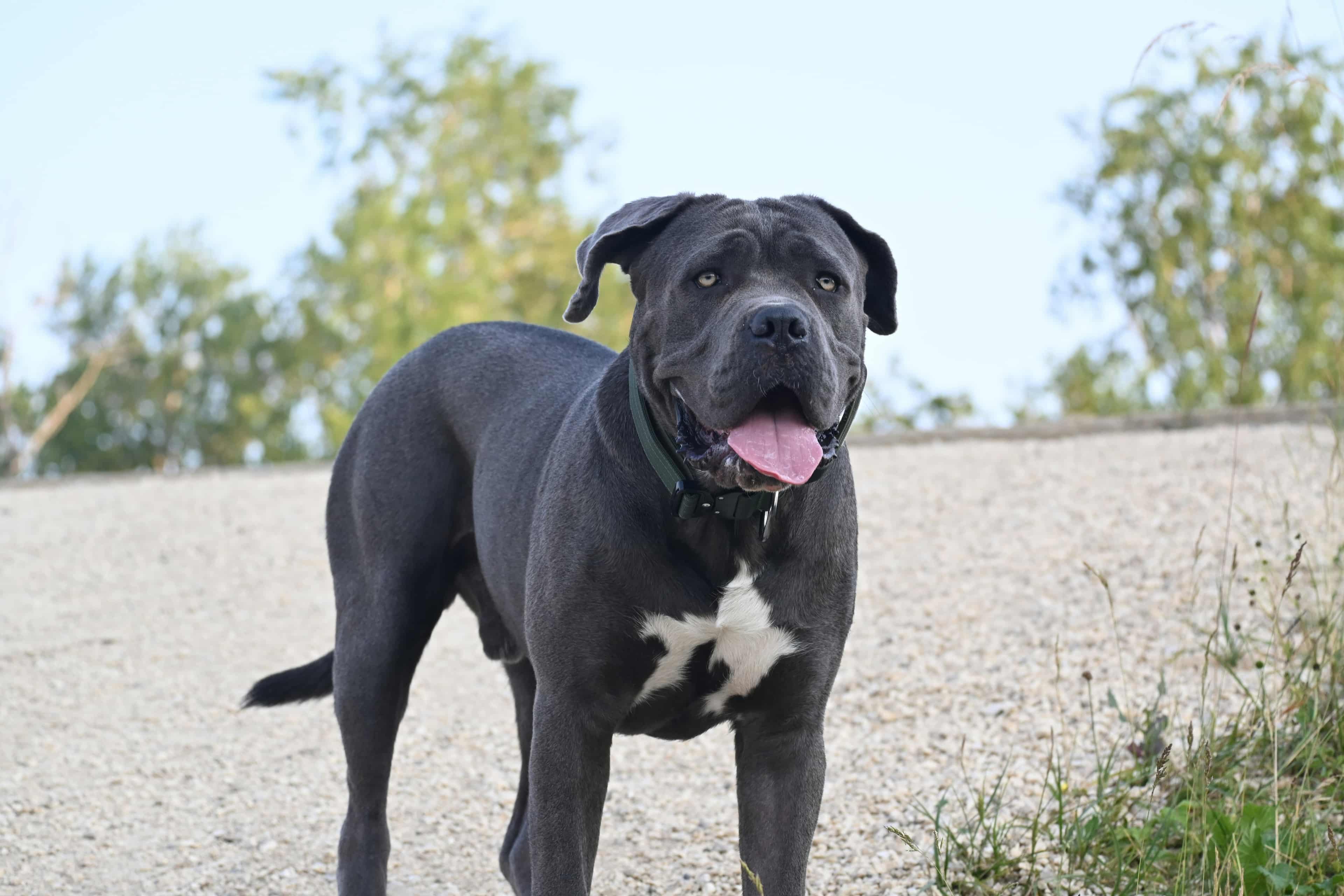
Bullmastiffs are giant guardian dogs that often feel calmer and more affectionate with family than their size first suggests. In the right home a Bullmastiff usually feels loyal, steady, watchful, and deeply attached to its people. In the wrong home the same dog can feel too strong, too rough, too reserved with strangers, or too hard to manage because early training and socialization were treated like optional extras. The biggest lifestyle filters are giant-dog manners, moderate daily exercise, comfort with some drool and guarding instinct, and honest planning around health risk.

Bullmastiff breed basics

Quick view

Size and strength change the whole day

Adult Bullmastiff males often land around 110 to 130 pounds and females around 100 to 120. Even a friendly Bullmastiff can feel like a lot of dog if leash manners, door manners, and calm greetings never get built early.

Quick view

Plan around a 7 to 9 year commitment with real health homework

A typical Bullmastiff lifespan is about 7 to 9 years. The breed also carries meaningful heart, joint, eye, and bloat risks, so the long-term plan should include good vet care, realistic budgeting, and either insurance or savings.

Quick view

The short coat is easy, but drool and shedding are still real

The short, dense coat is easier to manage than a fluffy giant breed. That does not mean zero cleanup: Bullmastiffs may drool more than some breeds, and the short coat still sheds enough that brushing matters.

Quick view

Exercise should be steady, not extreme

Bullmastiffs do best with daily exercise, long walks, and yard play. This is not an ideal running partner, and the better fit is a dog that gets steady moderate activity instead of endless mileage.

Is the Bullmastiff right for your home?

Best match for...

A home that wants a loyal, steady companion with watchdog instincts, can train and socialize a giant dog early, and is comfortable with moderate exercise, drool, and real health-planning.

Calm homes
Training-minded homes
Older kids

Strong fit if...

You want a calmer guardian that still lives closely with the family

In a good fit, this feels like a dog that wants to stay near its people, not a distant yard dog. Bullmastiffs usually do best when they can stay close to family instead of living like yard dogs.

You can start training while the dog is still small enough to manage

Early training and socialization matter here because an untrained Bullmastiff puppy grows into a very strong adult fast.

You want a walking companion, not a nonstop athlete

This breed still needs daily activity, but brisk walks, outdoor play, and moderate exercise usually fit better than distance running. That can be a great match for homes that want steady routines without needing a canine marathon partner.

You can manage reserved stranger reactions with calm routines

Bullmastiffs may take time to warm up to new people, and early socialization helps them accept the guests you invite into your home. The right home is comfortable teaching that difference.

Think twice if...

You need a low-supervision match for very small kids

Bullmastiffs can do well with children, but puppies can be rough and may knock small children down without meaning to. If your home needs a very small-kid dog that rarely needs management, this breed can feel like too much dog.

You want a dog that naturally loves every visitor or every dog

This is not usually a breezy social butterfly breed. Without early socialization and steady handling, reserved stranger reactions or tension around other dogs can become much harder to manage.

You want a jogging buddy or frequent endurance dog

Bullmastiffs are much better walking companions than running partners. If your picture of dog ownership centers on long runs, hard hikes, or constant athletic output, another breed may fit better.

You want the lightest possible medical and budget risk

Bullmastiffs carry multiple health concerns, including heart disease, joint disease, eye conditions, cancer, and bloat risk. If low medical uncertainty is a top priority, this may not feel like the easiest giant breed to live with.

What daily life feels like

Daily life

Many Bullmastiffs are calmer indoors than their size suggests

A Bullmastiff can take up a huge amount of physical space without acting frantic all day. In many homes the breed feels steady and settled indoors as long as walks, play, and rules are handled consistently.

Daily life

The guard-dog history still shows up around the front door

These dogs were developed to notice who belongs and who does not. That does not mean everyday aggression should be accepted, but it does mean visitor routines, calm introductions, and thoughtful socialization matter more than they do with many easygoing breeds.

Daily life

Puppies and young adults can feel much bigger than they realize

Young Bullmastiffs have plenty of energy and can knock people or children over if they are not trained. A lot of the breed's day-to-day challenge is not chaos so much as raw size meeting bad manners.

Daily life

Moderate exercise still needs to happen every day

This is not a breed that needs endless miles, but it is also not a giant decorative dog that can be skipped for days at a time. Long walks, yard play, and routine movement help the dog stay calmer and easier to live with.

Grooming and care

Care

Regular brushing usually covers the coat basics

The short, dense coat is fairly straightforward to maintain. Routine brushing and baths as needed usually handle the visible coat work.

Care

Drool and water-bowl cleanup are part of the real workload

The coat may be easy, but the housekeeping is not always light. Many Bullmastiff homes keep a towel nearby because drool, wet jowls, and giant-dog mess show up in normal daily life.

Care

Big-breed basics matter more than people expect

Nails, ears, teeth, skin checks, safe car space, and sturdy bedding all become more noticeable when the dog is this large. Giant-dog ownership adds practical chores even when the coat itself is simple.

Care

Growth and exercise need patience in young dogs

Bullmastiff puppies should not be overexercised during rapid growth. Slow, steady conditioning usually serves the breed better than high-impact activity too early.

Training and handling

Training

Early socialization is not optional here

Socialization should begin immediately. The goal is not to make a Bullmastiff greet everyone. The goal is to teach the dog how to stay steady, responsive, and safe around everyday life.

Training

Obedience work pays off fast because size raises the stakes

Obedience work pays off fast here for a practical reason: if a giant dog is not under control, even friendly behavior can knock someone down or scare them.

Training

Calm consistency works better than waiting for problems

This breed can be loyal and willing, but also strong-willed. Homes usually do better when rules, routines, and guest handling stay clear from the start instead of changing every week.

Training

Secure fencing and managed greetings make daily life easier

Secure fencing matters. A big protective dog is easier to live with when the home setup already supports safe exercise and controlled introductions.

Health and cost

Plan for it

Ask what heart, joint, eye, and thyroid checks were done

A careful breeder should be able to show you the parents' heart, hip and elbow, eye, and thyroid screening results and explain what your vet should keep watching as the dog gets older. That is more useful than memorizing a long list of medical acronyms.

Plan for it

Treat suspected bloat as an emergency

Bullmastiffs can be at risk for bloat and GDV. If your dog's belly suddenly swells, your dog keeps retching, or your dog seems in obvious distress, go straight to an emergency vet.

Plan for it

Size changes the budget even before a crisis happens

Large food bills, sturdy gear, bigger medication doses, imaging, anesthesia, and surgery all cost more when the dog weighs over 100 pounds. The real Bullmastiff budget is usually much bigger than kibble and annual vaccines.

Plan for it

Health limits can change the lifestyle later on

Heart disease, joint pain, or exercise restrictions can reshape what daily life looks like for this breed. The easiest Bullmastiff homes are the ones that can adapt if the dog needs more monitoring, slower exercise, or long-term treatment.

Did you know?

Bullmastiffs were developed in England as estate guard dogs

The short history most often repeated is simple: gamekeepers wanted a large dog that could guard property and stop intruders without needing a noisy chase.

The breed came from Bulldog and Mastiff crosses

The exact mix varied over time, but the broad throughline is consistent: Bullmastiffs were developed from Bulldog and Mastiff stock to create a strong, steady guard dog.

Calmer family life still sits on top of guardian roots

The breed's appeal comes from that blend of calm family life and serious guardian roots. The calmer companion side did not erase the protective history that shaped the breed in the first place.

Breeds similar to the Bullmastiff

Browse all breeds

Breed Traits

Energy Level3/5
Trainability3/5
Health Concerns5/5
Barking Tendency1/5
Good with Kids3/5
Good with Dogs3/5