Browse Breeds A-Z
Herding Group

Beauceron

LoyalIntelligentWatchful
Beauceron

Height

25.5-27.5 inches (male), 24-26.5 inches (female)

Weight

About 65-110 pounds

Life Expectancy

About 10-12 years

Size

Large

What Beaucerons are like

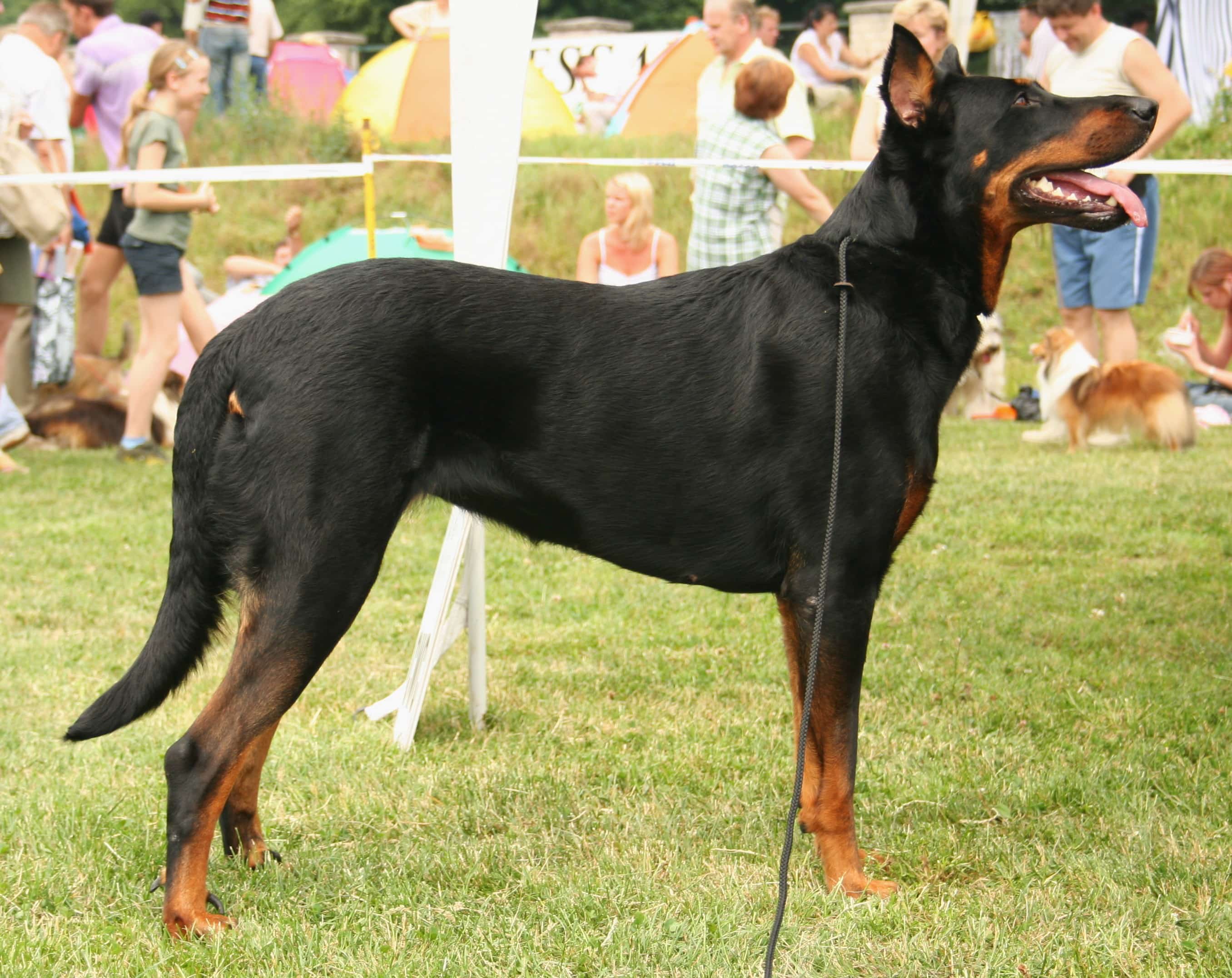
The Beauceron is a large French herding dog with a strong body, a watchful mind, and a serious work ethic. A good Beauceron is loyal, athletic, smart, steady, and deeply attached to its people. Many are quiet around the house when their needs are met, but they are not low-effort dogs.

This breed was built to move livestock, guard property, and work closely with people. That background still shows. Beaucerons notice movement, read their surroundings, and often take their job as family protector seriously. They can be affectionate and playful with their own people, but many are reserved with strangers until they understand the situation.

A Beauceron is not just a bigger, rarer version of a familiar family dog. It combines herding drive, guardian instinct, strength, intelligence, and independence in one large package. That can be wonderful in the right home and overwhelming in the wrong one.

Is the Beauceron right for your home?

Best match for...

Experienced Owners
Secure Yards
Training Ready Homes

Strong fit if...

You want a working dog with an off switch you help build

Beaucerons can settle, but they need enough exercise, training, and mental work first. A routine with real outlets makes indoor calm much more likely.

You are comfortable leading a strong dog

Clear rules, calm handling, leash manners, visitor routines, and early socialization matter with a large guardian-minded herder.

You have room to train and move

A secure yard, safe exercise routes, and access to training spaces make daily life much easier for this active, powerful breed.

You enjoy teaching

This breed usually learns quickly and does best when training continues beyond puppy class through adulthood.

Think twice if...

You want an easy first dog

A Beauceron can be too strong, too alert, and too mentally busy for owners who are still learning basic dog handling.

Your schedule is already full

Long days alone with little exercise can lead to barking, chewing, digging, pacing, escape attempts, or pushy behavior.

You live in a small apartment and want low effort

Some calm adults can manage tight spaces, but the breed is usually easier in a home with more outdoor access and fewer shared-wall triggers.

You want a stranger-loving social butterfly

Many Beaucerons are polite but reserved. Forced greetings can create more stress, not better manners.

What daily life feels like

Daily life

Exercise is a real daily commitment

A healthy adult Beauceron needs more than a quick walk around the block. Long walks, hiking, mature-dog running, fetch or tug with rules, training games, scent work, agility, obedience, tracking, or another job can all make resting indoors easier.

Daily life

Mental work is just as important

Beaucerons are problem solvers. Obedience drills, food puzzles, hide-and-seek, scent games, trick training, structured play, recall games, and small jobs around the house give that busy mind a useful outlet.

Daily life

Family fit depends on rules and supervision

A well-raised Beauceron can be devoted to family life, but size and herding instinct change the safety plan. Teach children respectful dog rules, and teach the dog to settle, move away when asked, wait at doors, greet calmly, and ignore running children.

Daily life

Apartments are possible for the right adult, but not easy

The harder parts are energy, barking, hallway traffic, elevators, neighbor dogs, visitor noise, and safe off-property exercise. Plan the routine before bringing a Beauceron into a shared-wall home.

Daily life

Grooming is simple, but shedding is real

The short, dense double coat needs weekly brushing, with more frequent brushing during seasonal shedding. Plan for nail trims, tooth brushing, ear checks, baths as needed, and careful attention to the rear double dewclaws.

Daily life

Rarity can affect your search and budget

Beaucerons are uncommon in the United States, which can mean waitlists, travel, careful breeder research, and fewer rescue options. Focus on temperament, health testing, parent behavior, honest placement, and ongoing support rather than the first available puppy.

Training and handling

Training

Start before the puppy is strong

Begin with name response, recall, loose-leash walking, sit, down, wait, leave it, drop it, crate or pen comfort, calm greetings, handling, and settling on a mat. Reward-based training fits this breed well when expectations stay clear and consistent.

Training

Socialization should build calm confidence

The goal is not to make the dog greet every person or dog. Help it notice people, traffic, grooming, handling, bikes, children, and normal household noise while staying under control. Get qualified help early for repeated guarding, panic, or failure to recover from normal surprises.

Training

Control movement and chase instincts

Running children, bikes, scooters, joggers, cats, squirrels, livestock, and fast dogs can trigger chasing, barking, gripping, or body-blocking. Use reliable recall practice, strong leash habits, secure fencing, long lines, and controlled practice instead of hope.

Training

Cooperative care makes life safer

Teach brushing, nail trims, ear checks, tooth brushing, baths, paw handling, collar grabs, muzzle practice, car loading, and vet exams in small reward-based steps. A large dog that can stand still and accept basic care is safer for everyone.

Training

Give the dog an outlet

Obedience, rally, agility, tracking, scent work, herding, carting, structured hiking, and advanced trick training can suit the right dog. A Beauceron does not need chaos to be happy; it needs clear work, fair handling, and time with its people.

Health and cost

Plan for it

Ask health questions before you choose a dog

Ask about hip and elbow screening, eye checks, heart history, allergies, orthopedic problems, bloat history, liver concerns, and known issues in close relatives. For an adult rescue, ask what history is known and arrange a baseline veterinary visit.

Plan for it

Joints and growing bodies need protection

Hip dysplasia, elbow problems, osteochondrosis, cruciate injuries, arthritis, and sports injuries are important watchouts. Build exercise gradually, keep the dog lean, use good traction, and call a veterinarian for limping, stiffness, pain, swelling, or a sudden change in gait.

Plan for it

Bloat and GDV need emergency action

Repeated unproductive retching, a swollen or painful belly, heavy drooling, pacing, pale gums, weakness, collapse, or trouble breathing can signal a life-threatening emergency. Contact an emergency veterinarian immediately; do not wait or try to treat bloat at home.

Plan for it

Heart, breathing, and collapse signs matter

Reduced stamina, coughing, fainting, collapse, weakness, rapid breathing, or a dog that suddenly cannot exercise normally need veterinary guidance. Blue or pale gums, repeated collapse, severe weakness, or trouble breathing are urgent.

Plan for it

Eyes, allergies, ears, and liver signs belong in the plan

Eye pain, injury, swelling, or sudden cloudiness should be treated as urgent. Repeated scratching, ear odor, vomiting, weight loss, jaundice, seizures, unusual weakness, or a swollen belly all need prompt veterinary advice.

Plan for it

Budget for a large working dog

Plan for quality food, preventive veterinary care, health screening, training classes, enrichment gear, sturdy leashes and harnesses, crates or gates, grooming tools, boarding, pet sitting, and emergency savings. The biggest hidden cost is often time.

Did you know?

Bas Rouge means red stockings

Beaucerons are also called Bas Rouge, a French nickname that points to the reddish markings on the lower legs of many black-and-tan dogs.

They are one of France's old sheepdogs

The Beauceron is a French herding breed associated with the plains around Paris and the name Berger de Beauce. It is related to the Briard, but the Beauceron has the shorter coat.

Double rear dewclaws are part of the breed look

One of the Beauceron's distinctive features is a pair of dewclaws on each rear leg. Owners should remember those nails during trimming.

Harlequin Beaucerons exist

Black and tan is the look many people recognize first, but harlequin Beaucerons have a mottled gray, black, and tan pattern.

The breed has done many jobs

Beaucerons have been used for herding, guarding, military work, police work, search and rescue, tracking, obedience, and dog sports. That history helps explain why the breed often wants more than casual companionship.

More ways to compare the Beauceron

Beauceron FAQ

FAQ

Are Beaucerons good family dogs?

Beaucerons can be good family dogs in active, experienced homes. They are often loyal and affectionate with their people, but they need training, socialization, supervision with children, and clear household rules.

FAQ

How big do Beaucerons get?

Most Beaucerons are large dogs. Males are commonly about 25.5-27.5 inches tall, females about 24-26.5 inches tall, and many adults weigh about 65-110 pounds depending on sex, build, and condition.

FAQ

Can Beaucerons live in apartments?

Some calm adults can live in apartments with very committed owners, but it is not the easiest setup. Energy, barking, stranger traffic, elevators, hallway dogs, and the need for daily exercise make a house with secure outdoor access a better match for most.

FAQ

How much exercise does a Beauceron need?

A healthy adult Beauceron usually needs a lot of daily activity plus mental work. Plan for long walks, training, play, sniffing, problem-solving, and safe faster exercise once the dog is mature. Many do best with a sport, job, or structured hobby.

FAQ

Are Beaucerons easy to train?

Beaucerons are usually very trainable, but they are not always easy. They are smart, strong, and sometimes independent. Training works best when it starts early and uses clear, fair, consistent reward-based handling.

FAQ

Do Beaucerons shed?

Yes. Beaucerons shed year-round and often shed more heavily during seasonal coat changes. Weekly brushing helps, and some homes brush more often during heavy shedding periods.

FAQ

Are Beaucerons hypoallergenic?

No. Beaucerons are not a good choice for allergy-sensitive homes that need a low-shedding or allergy-friendly dog. They shed and produce dander like other dogs.

FAQ

Do Beaucerons bark a lot?

Many Beaucerons bark a moderate amount. They are watchful and may alert to visitors, outdoor movement, or unusual sounds. Exercise, socialization, window management, and calm door routines help keep barking from becoming a habit.

FAQ

Are Beaucerons good with other dogs and cats?

Some Beaucerons live well with other dogs and cats, especially when raised with them and introduced carefully. Others are selective, pushy, or too interested in chasing. Supervision and management matter.

FAQ

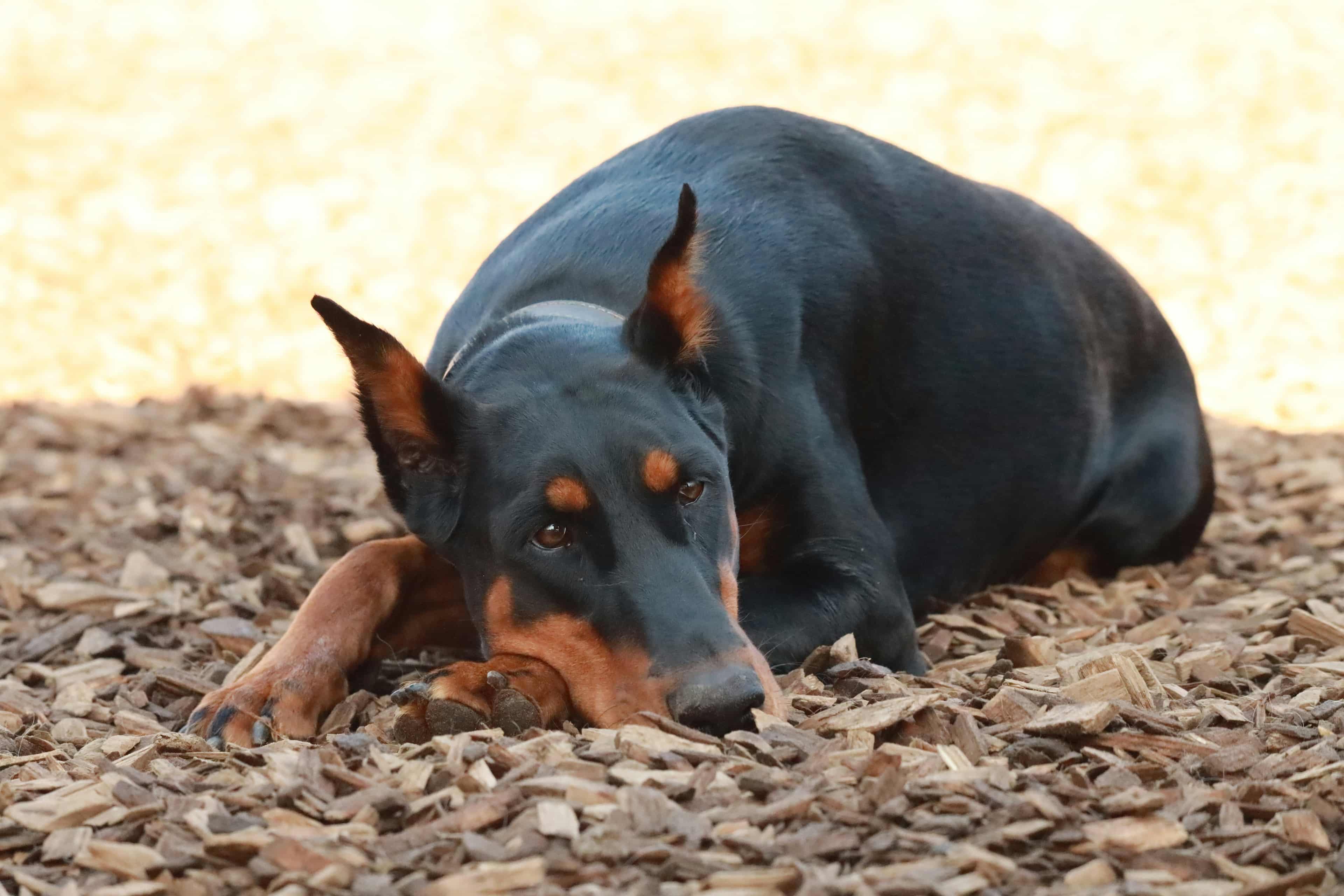
Beauceron vs. Doberman: which is better?

Neither is better for everyone. The Beauceron is a French herding and guardian breed with a thicker coat, rear double dewclaws, and more herding-style independence. The Doberman Pinscher is a sleeker working guardian breed. Compare size, coat, training, family fit, and daily routine before deciding.

FAQ

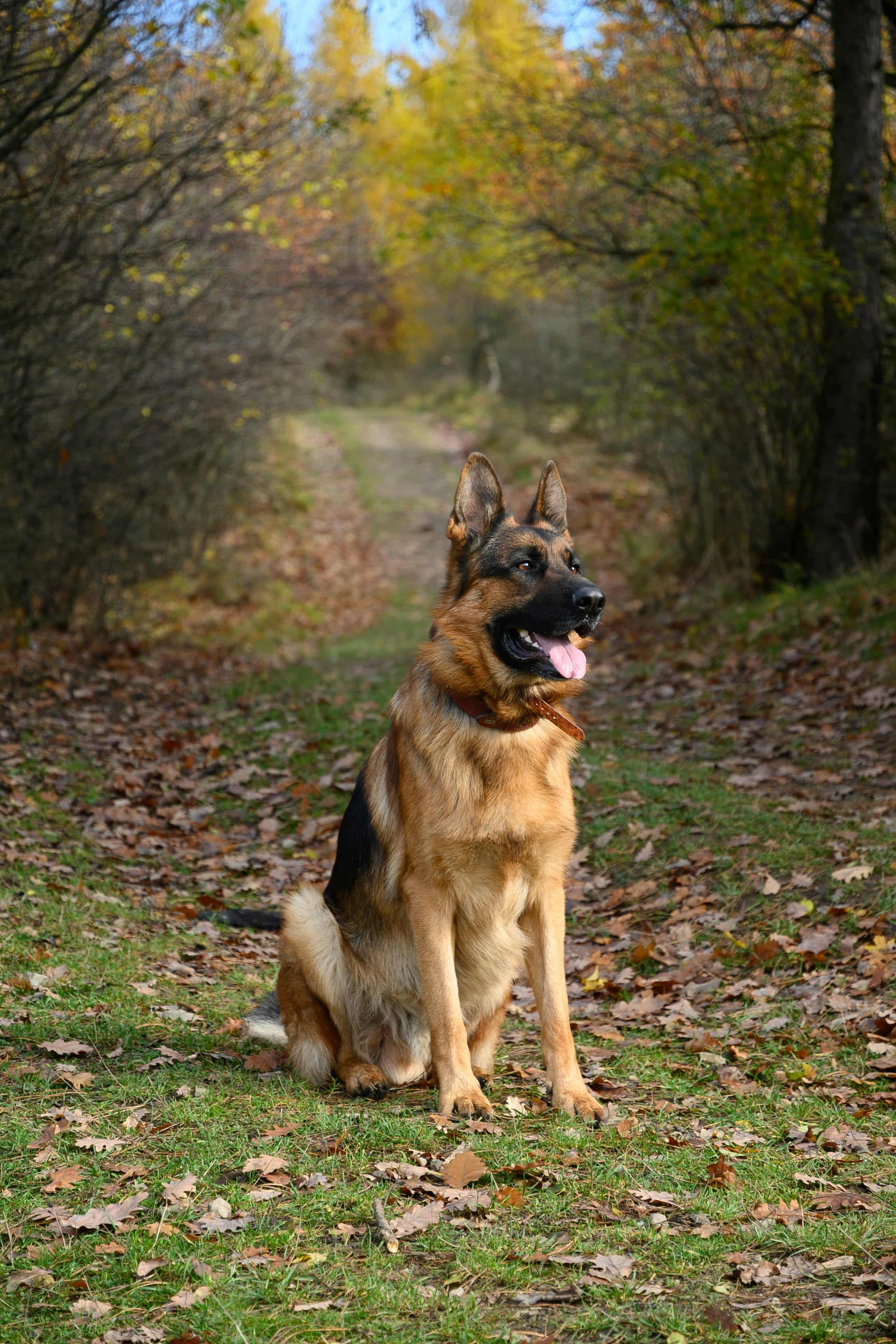
Beauceron vs. German Shepherd: which is better?

Both are intelligent working breeds, but they are not the same dog. The German Shepherd Dog is more familiar in many homes and working roles, while the Beauceron is rarer and often more challenging to find. Choose based on the individual dog, support, health history, temperament, and your training plan.

FAQ

What health problems do Beaucerons have?

Health watchouts include hip and elbow problems, osteochondrosis, bloat and GDV, heart disease such as dilated cardiomyopathy, eye problems, allergies, ear issues, liver concerns, and injuries from high-impact activity. Work with a veterinarian and choose breeders or rescues that are honest about health history.

FAQ

How long do Beaucerons live?

Beaucerons often live about 10-12 years. Healthy weight, sensible exercise, regular veterinary care, dental care, health screening, and fast action for belly, breathing, collapse, eye, or mobility emergencies can help protect quality of life.
Breeds similar to the Beauceron

Browse all breeds
Belgian Malinois

Belgian Malinois

Herding Large High energy

Belgian Malinois are intense, athletic working dogs with sharp brains, quick reactions, and very high exercise needs. They fit best with experienced owners who want daily training, structure, and purposeful activity, not a casual pet that can settle with a few short walks.

German Shepherd Dog

German Shepherd Dog

Herding Large High energy

German Shepherd Dogs are loyal, highly trainable working dogs that need daily exercise, clear structure, and early socialization to thrive.

Dutch Shepherd

Dutch Shepherd

Herding Medium High energy

Dutch Shepherds are intelligent, athletic herding dogs with serious stamina, close family focus, and a strong need for daily work. They fit best with active, training-ready homes that want a smart working shepherd, not a casual couch dog.

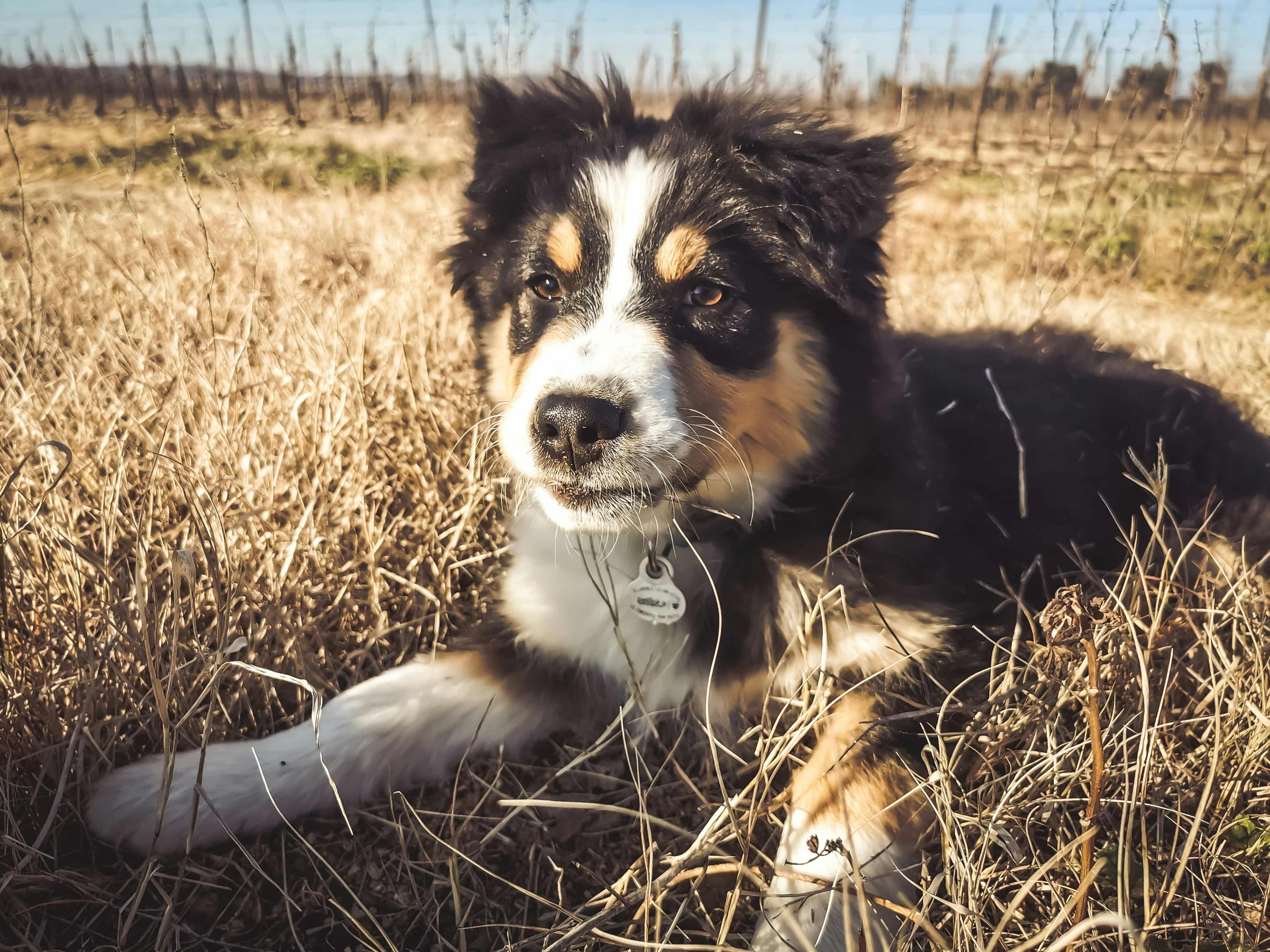
Australian Shepherd

Australian Shepherd

Herding Medium High energy

Australian Shepherds are smart, athletic herding dogs that need daily exercise, mental work, and people who enjoy training. They fit best with homes that want an involved companion, not a low-key dog that is happy to entertain itself.

Australian Cattle Dog

Australian Cattle Dog

Herding Medium High energy

Australian Cattle Dogs are smart, loyal herding dogs best for active owners who want daily exercise, mental work, and serious training drive.

Border Collie

Border Collie

Herding Medium High energy

Border Collies are ultra-smart, intense herding dogs built to watch movement, solve problems, and keep working. They fit best with active owners who want daily training, real exercise, and clear structure, not a casual companion that is satisfied with a short walk.

Doberman Pinscher

Doberman Pinscher

Working Large High energy

Doberman Pinschers are intelligent, athletic companions with watchdog instincts, best for owners ready for daily training, exercise, and steady socialization.

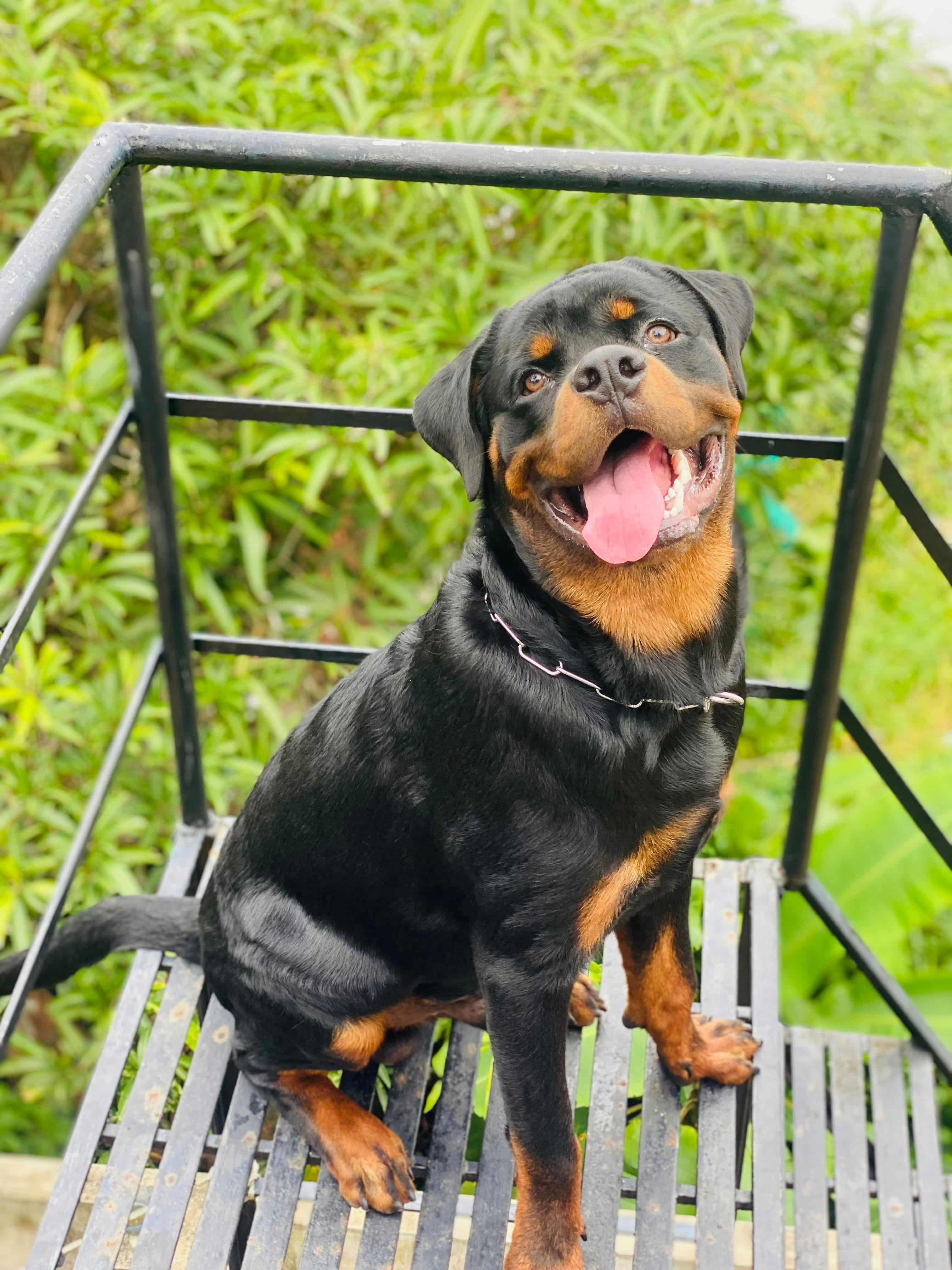
Rottweiler

Rottweiler

Working Large Medium energy

Rottweilers are loyal, powerful working dogs that suit experienced owners ready for structure, early socialization, and consistent handling.

Giant Schnauzer

Giant Schnauzer

Working Large High energy

Giant Schnauzers typically pair alert, loyal, and trainable traits with the presence of a large working dog. They are often strongest fits for active households, especially when the household can stay on top of daily exercise and mental work and space and handling strength.

Catahoula Leopard Dog

Catahoula Leopard Dog

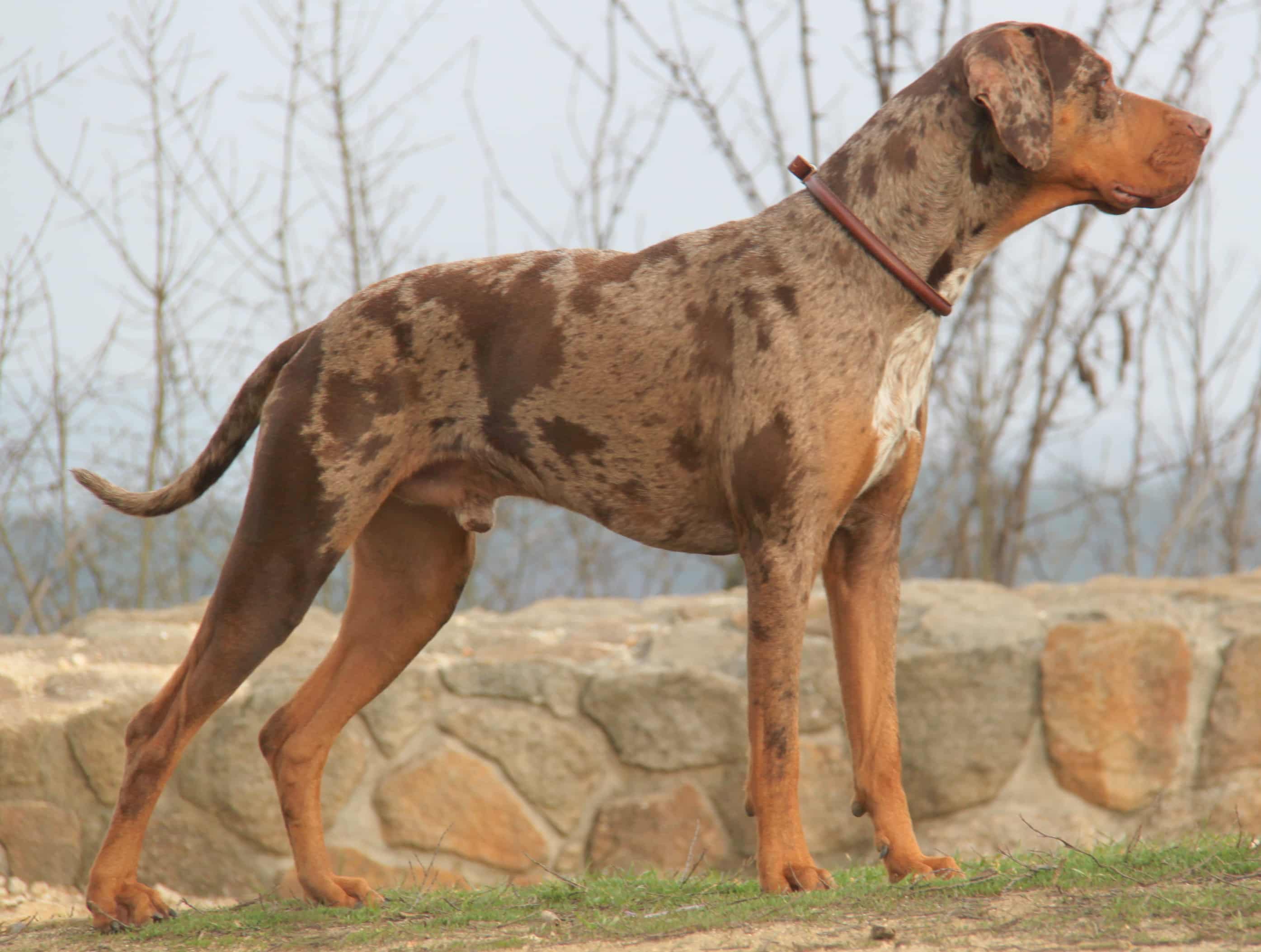
Herding Large High energy

Catahoula Leopard Dogs are strong, athletic Louisiana working dogs with loyal, independent, and protective instincts. They fit best with active, experienced homes that can provide secure space, daily exercise, steady training, and a job-like routine.

Black Mouth Cur

Black Mouth Cur

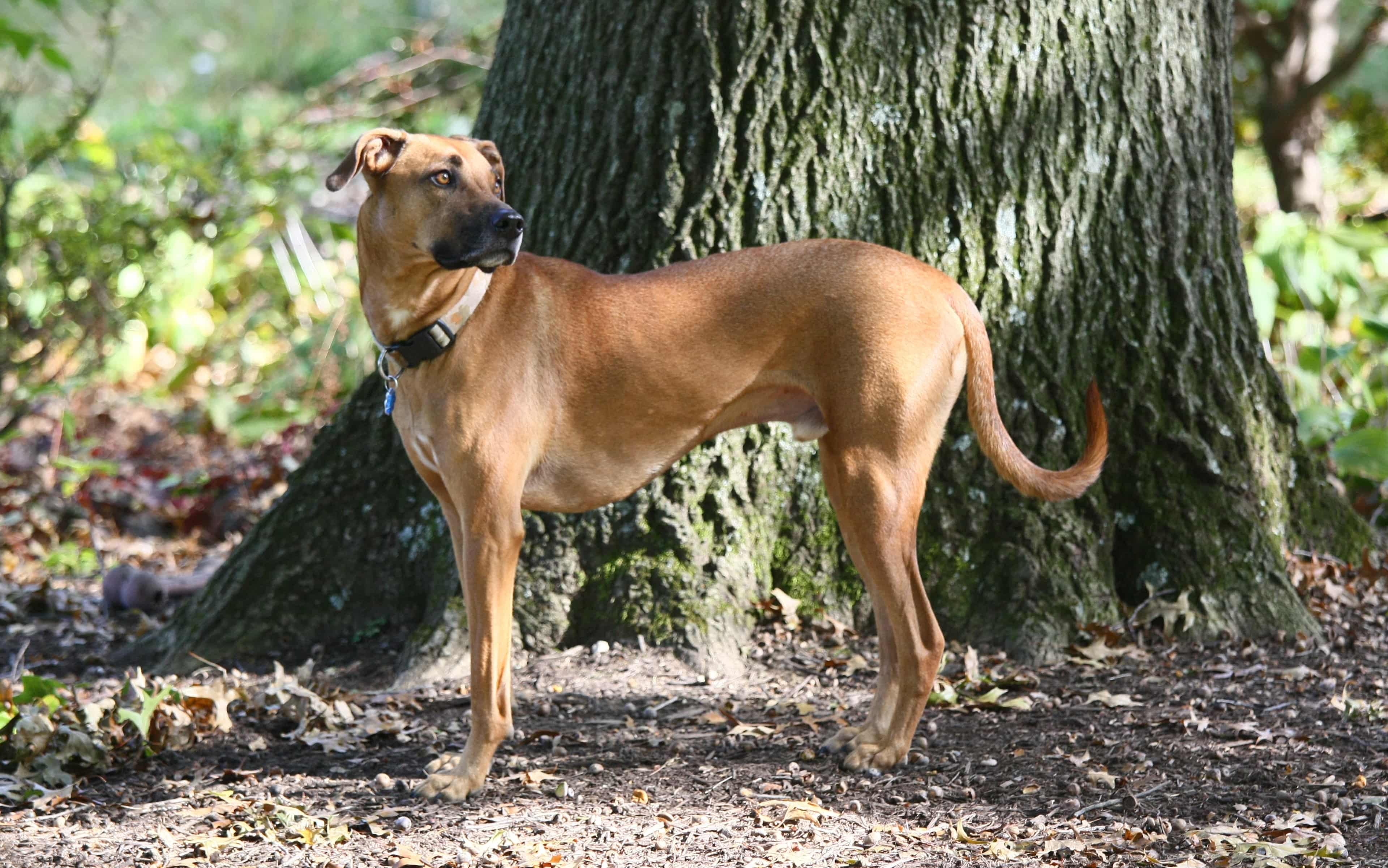
Hound Large High energy

Black Mouth Curs are tough, smart working dogs from the American South. They fit best with active households that can provide daily exercise, steady training, secure routines, and a safe outlet for a loyal dog that wants a job.

Anatolian Shepherd Dog

Anatolian Shepherd Dog

Working Giant Medium energy

Anatolian Shepherd Dogs are giant working dogs that usually bring independent, loyal, and reserved traits into everyday life. They tend to reward homes that are prepared for space and handling strength and that have the confidence to manage a bigger dog.

Breed Traits

Energy Level5/5
Trainability4/5
Shedding3/5
Health Concerns4/5
Barking Tendency3/5
Good with Kids3/5
Good with Dogs3/5