Quick view
Size and strength change the whole day
Adult Doberman males often land around 75 to 100 pounds and females around 60 to 90. Even a sweet Doberman can feel like a lot of dog if leash manners and guest greetings never get built early.
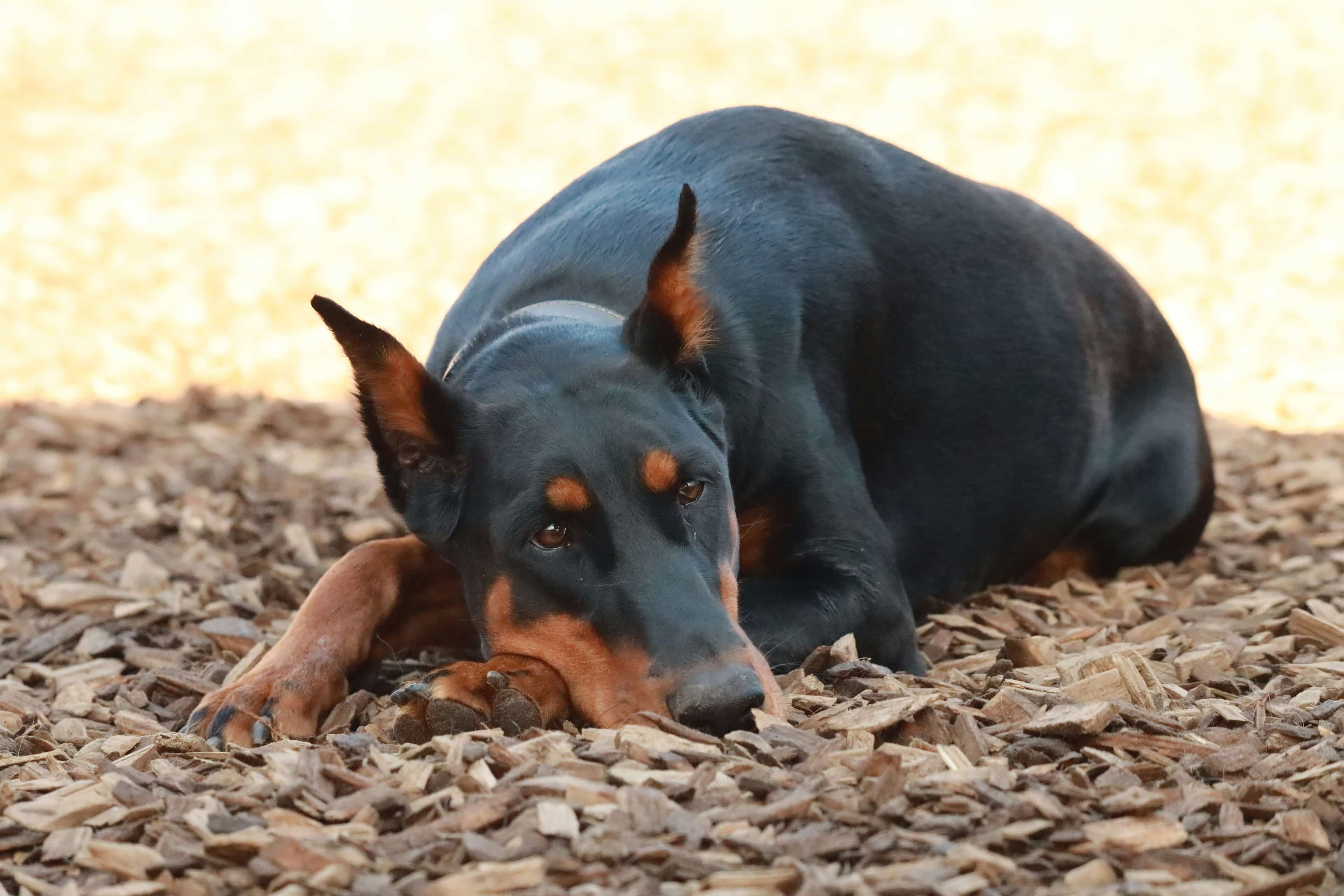
Height
26-28 inches (male), 24-26 inches (female)
Weight
75-100 pounds (male), 60-90 pounds (female)
Life Expectancy
10-12 years
Size
Large
Doberman Pinschers are large, sleek working dogs that usually feel more people-focused and sensitive than the old stereotype suggests. In the right home a Doberman often feels loyal, alert, athletic, and deeply tuned into the family. In the wrong home the same dog can feel intense, overprotective, bored, and hard to manage because the brain and body both need daily work. The biggest lifestyle filters are steady training, early socialization, enough exercise, realistic planning around breed-linked health problems, and honest expectations about how a large energetic dog fits around children.
Quick view
Adult Doberman males often land around 75 to 100 pounds and females around 60 to 90. Even a sweet Doberman can feel like a lot of dog if leash manners and guest greetings never get built early.
Quick view
A typical lifespan is about 10 to 12 years. Dobermans also carry real breed-linked risks such as dilated cardiomyopathy, GDV bloat, hypothyroidism, von Willebrand disease, and hip dysplasia, so long-term planning matters.
Quick view
The short coat still benefits from regular brushing to help manage shedding. Easy grooming does not cancel out the bigger workload around exercise, training, socialization, and everyday handling.
Quick view
Dobermans are energetic, alert, and loyal, and they need real exercise plus space for free play. Puppy socialization and obedience work matter because a bored or undertrained Doberman can become pushy or destructive fast.
A home that wants a loyal, athletic companion with watchdog instincts, will train and socialize every day, and is comfortable managing a large dog that needs structure, exercise, health planning, and thoughtful routines around older kids or supervised kid-dog interactions.
You want a dog that stays close to its people
Many modern Dobermans feel happiest when they are in the middle of the household instead of parked outside doing their own thing.
You enjoy daily training and mental work
Dobermans are very intelligent and usually learn easily. That can be a huge plus if you like teaching skills, practicing manners, and giving the dog a job instead of expecting a self-managing pet.
Older kids or dog-savvy family routines feel easier here
Well-socialized Dobermans can be great companions for playful children. Many homes still find the breed easier with older kids because the dog's size, speed, and greeting intensity can overwhelm smaller children if adults are not managing play, boundaries, and calm routines.
You are ready for early socialization, not just affection
Early and consistent socialization matters. That work helps a Doberman grow into a steady companion instead of a dog that treats every stranger or surprise like a big event.
You need a low-supervision match for very young kids
Dobermans are not always the easiest match for families with very young children, and their size can accidentally knock smaller kids down during play. If your home needs a plug-and-play kids-first dog with very little management, this breed can feel like too much work.
The dog would spend long days bored and alone
Dobermans can become destructive when they are left alone for long periods without enough to do. These dogs usually do better with company, exercise, routine, and real engagement.
You are uneasy around watchdog instincts or strong reactions
Dobermans were developed as protection dogs. That does not mean they should be edgy or aggressive, but it does mean calm handling, visitor routines, and clear boundaries matter more than they do with many easygoing breeds.
You want the simplest possible health and budget profile
Dobermans carry several meaningful health risks, especially heart disease and emergency bloat risk. If low medical uncertainty is a top priority, this may not feel like the easiest large breed to live with.
Daily life
A lot of them want to follow their people, watch the room, and stay involved in whatever the family is doing. That closeness is a big part of the breed's appeal.
Daily life
Walks alone usually are not the whole answer. Training games, structured play, practice around real-life situations, and chances to think help keep the breed more settled.
Daily life
Dobermans can become destructive when they are left alone too long without enough outlet. Chewing, pacing, overreacting, or inventing bad habits are common signs that the routine is not working.
Daily life
The Doberman is a house dog and does not do well left out in cold or heat. The coat is easy to brush, but it does not give much protection from bad weather.
Care
Consistent brushing, whether daily or a couple of times a week, helps manage shedding. The coat is low fuss, but black clothes and car seats may still tell the truth.
Care
Doberman skin is usually fairly low-drama with monthly or as-needed baths. Nails, teeth, and routine checks matter because easy coat care can fool people into skipping the rest.
Care
Dobermans cannot stay out in cold or heat for long stretches. Comfort planning matters more here than it does with many heavier-coated breeds.
Care
Regular exercise and a fenced yard large enough to move and run are real needs. That does not replace leash walks or training, but it does make everyday management much easier.
Training
Socialization starting in puppyhood is imperative. The goal is not making the dog greet everyone. The goal is teaching the dog to stay steady and responsive around normal life.
Training
Dobermans are intelligent and quick to learn, so clear routines and fair repetition usually go further than power struggles. The breed tends to do best when you show it exactly what to do instead of only reacting after it guesses wrong.
Training
A strong, fast Doberman with sloppy greetings can overwhelm visitors quickly. Teaching calm door routines, polite leash walking, and place or settle skills pays off every day.
Training
Many Dobermans have a strong prey drive, and the breed's watchdog roots are real. That means secure fencing, judgment around small animals, and clear handling around new people and busy places.
Plan for it
Dilated cardiomyopathy is one of the most important Doberman health risks. Whether you are choosing a puppy or rescuing an adult, this is a breed where heart history and breeder or vet screening questions matter.
Plan for it
Gastric dilatation-volvulus, or GDV bloat, can come on suddenly and needs immediate life-saving care. If a Doberman is retching without bringing anything up, pacing hard, drooling heavily, or developing a swollen belly, go to an emergency vet right away.
Plan for it
Von Willebrand disease, hypothyroidism, and hip dysplasia can all shape the long-term budget. Even a fit athletic Doberman can need testing, long-term medication, rehab, or other care later on.
Plan for it
For this breed, budget usually means sturdy gear, classes, boarding or sitter plans, emergency savings or insurance, and enough time to keep the dog mentally and physically satisfied.
The breed traces back to Louis Dobermann in Germany, who wanted a dependable personal protection dog. That origin helps explain why the breed still feels so alert and purposeful today.
Over more than a century, the breed became a versatile working dog and loyal family companion. The best modern Dobermans are not supposed to live in permanent guard mode.
Dobermans are famous for being very intelligent and quick to learn. That is why the same dog can be a joy in a structured home and a handful in one that underestimates the mental work needed.
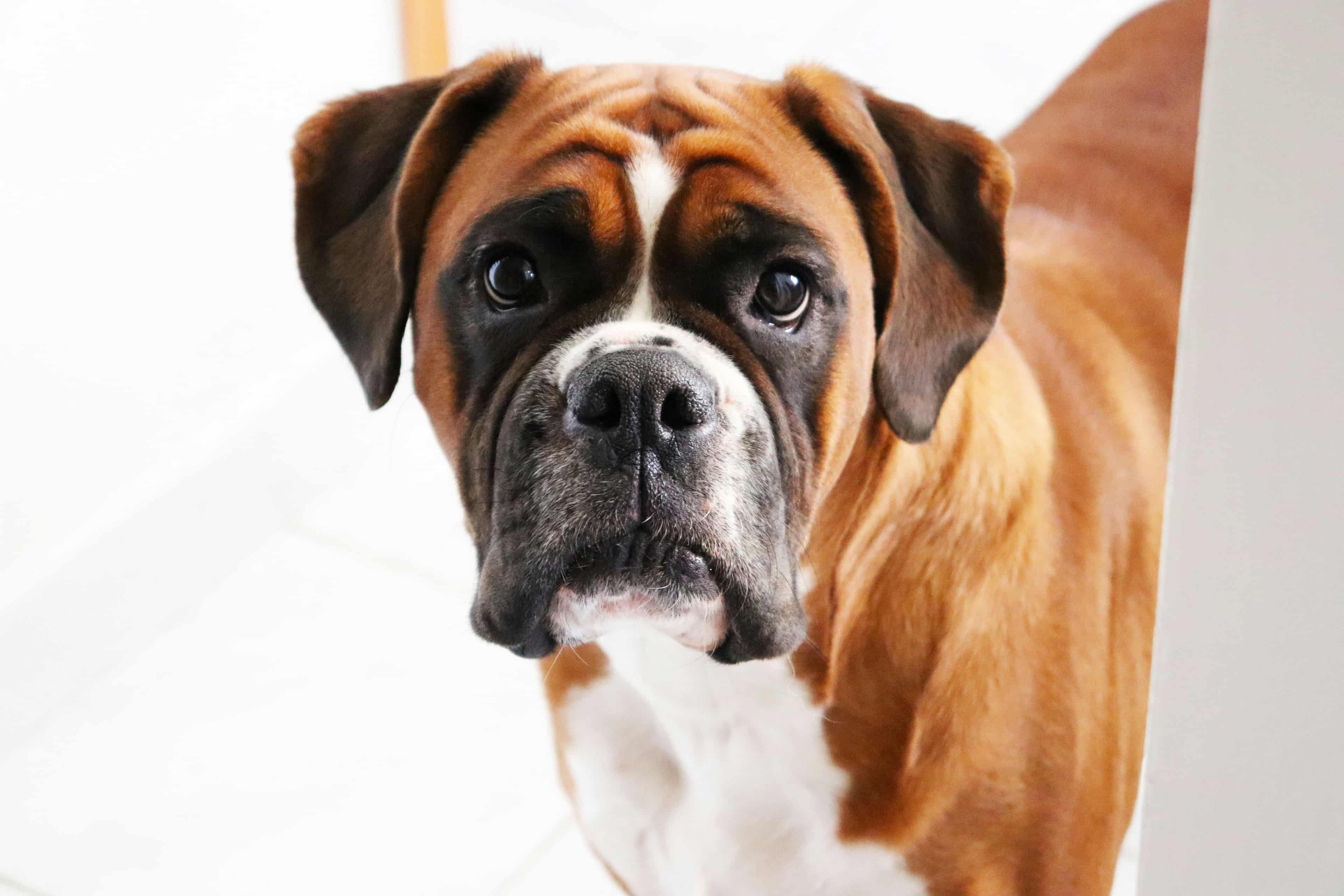
Working • Large • High energy
Boxers are muscular, affectionate clowns with watchdog instincts and a huge need to be part of family life. They fit best with active homes that can provide daily exercise, consistent training, and careful heat and health management.

Working • Large • High energy
Giant Schnauzers typically pair alert, loyal, and trainable traits with the presence of a large working dog. They are often strongest fits for active households, especially when the household can stay on top of daily exercise and mental work and space and handling strength.
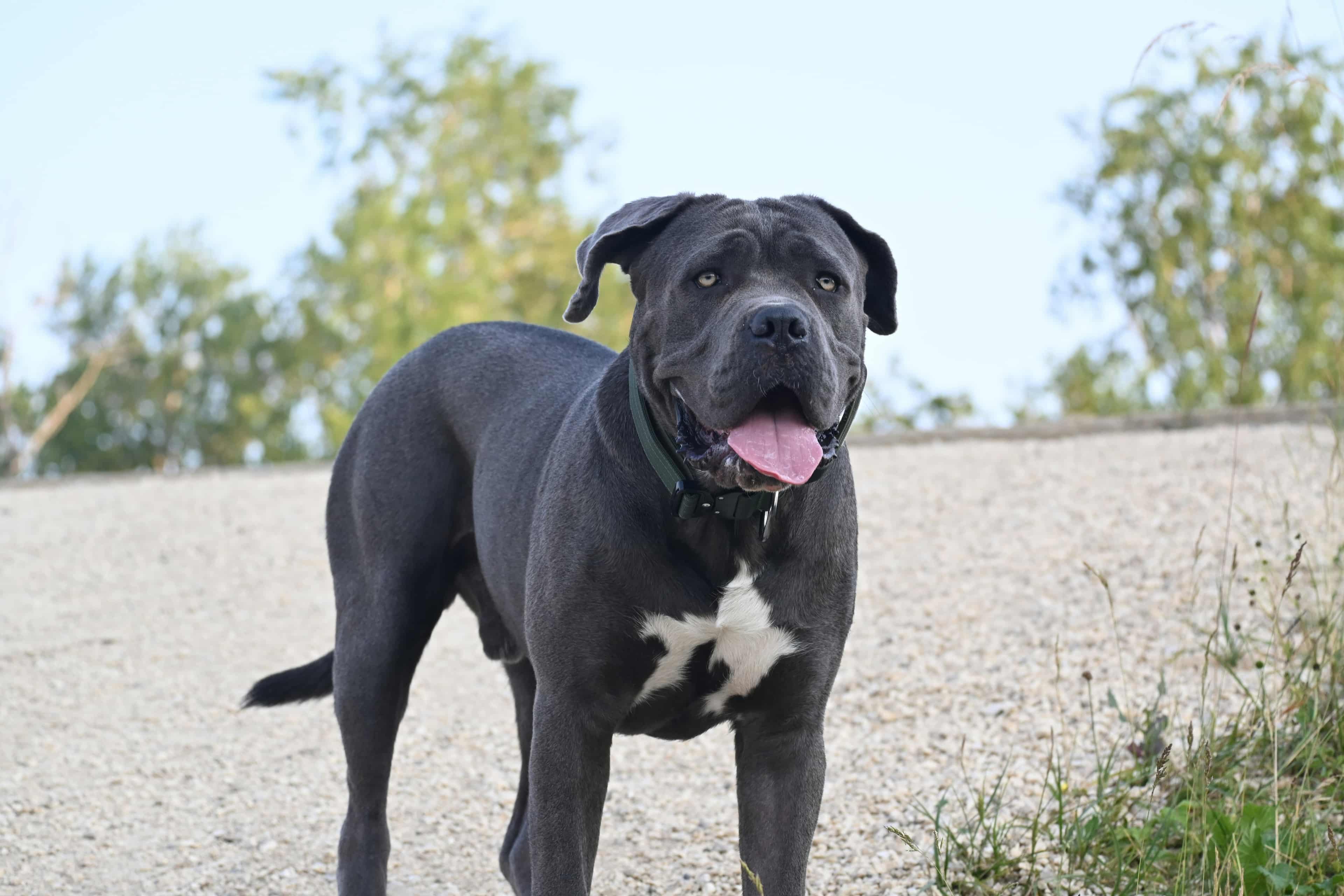
Working • Large • High energy
Cane Corsos are imposing Italian guardian dogs that thrive with experienced owners who provide steady training, early socialization, and structure.