Browse Breeds A-Z
Working Group

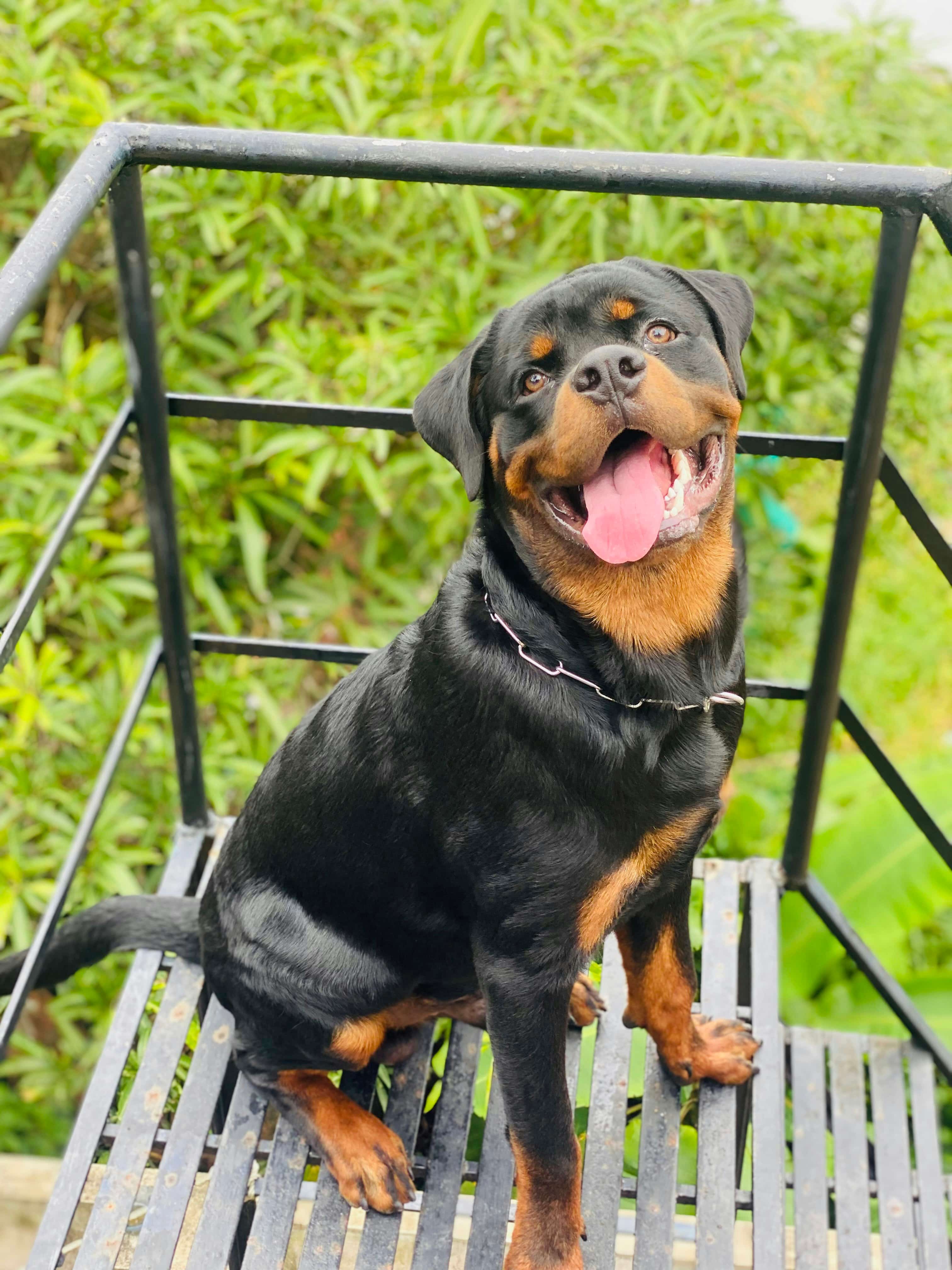
Rottweiler

LoyalLovingConfident Guardian
Rottweiler

Height

24-27 inches (male), 22-25 inches (female)

Weight

95-135 pounds (male), 80-100 pounds (female)

Life Expectancy

9-10 years

Size

Large

What Rottweilers are like

Rottweilers are loyal, powerful working dogs that suit experienced owners ready for structure, early socialization, and consistent handling.

Is the Rottweiler right for your home?

Best match for...

Families

Strong fit if...

Experienced, steady handling

Rottweilers fit best with owners who are comfortable setting rules early and living with a large dog that needs calm leadership every day.

You want loyalty and substance

Many bond hard with their household and bring a serious working-dog presence, so the appeal is devotion and confidence rather than social-butterfly energy.

Training is part of the routine

The strongest fit is a home ready for early socialization, leash manners, visitor routines, and ongoing practice instead of hoping maturity fixes everything.
Think twice if...

First serious large dog

A Rottweiler is a hard place to learn the basics because strength and guarding instincts leave less room for inconsistent handling.

Loose household rules

Chaotic greetings, weak boundaries, and casual dog-to-dog management can create much bigger problems here than with a softer companion breed.

Low training or vet budget

Large-breed food, gear, classes, insurance, and health screening add up quickly, especially if joint or heart issues show up later.

What daily life feels like

Daily life

Calm at home, serious in public

Many adults settle well indoors once exercised, but they usually stay watchful about doors, visitors, and changes in routine.

Daily life

Strength changes the logistics

Cars, crates, greeting manners, vet handling, and loose-leash walking all matter more when the dog weighs 80 to 135 pounds.

Daily life

Exercise plus structure wins

Daily walks, training, and clear routines usually do more for this breed than backyard time or random rough play alone.

Training and handling

Training

Socialize early and widely

Puppies and adolescents should practice people, surfaces, grooming, and controlled public situations before suspicion hardens into reactivity.

Training

Reward calm control

Short, reward-based sessions with clear rules usually work better than shouting or physical corrections with a strong working breed.

Training

Rehearse real-life manners

Loose-leash walking, waiting at doors, guest routines, neutral behavior around other dogs, and vet handling matter as much as sit or down.

Health and cost

Plan for it

Health screening is not optional

Hip and elbow disease, heart concerns, and other large-breed issues are serious enough that breeder screening and long-term vet planning should happen from day one.

Plan for it

Keeping them lean helps a lot

Extra weight adds more strain to joints and makes a powerful dog harder to manage well, so conditioning and portion control matter.

Plan for it

Big-dog costs are real

Food, crates, beds, training, boarding, and emergency care usually cost more than people expect when the dog is this large and strong.

Did you know?

Named for Rottweil

The breed's name comes from the German town of Rottweil, where these dogs helped move cattle and guard valuable goods.

Watchful more than noisy

Many Rottweilers are more likely to give a serious alert than bark nonstop all day, which is part of why good manners matter so much.

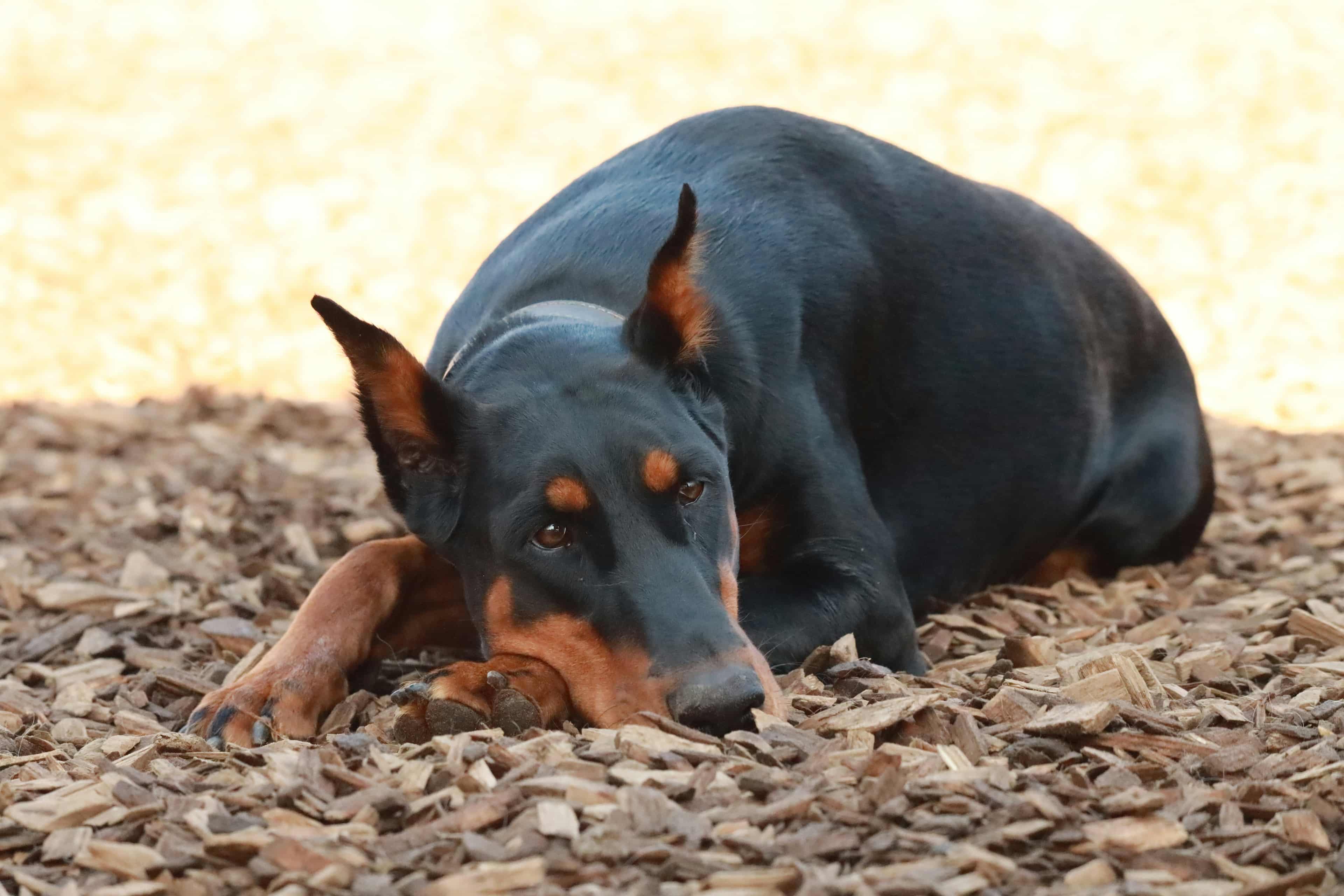
Black and rust is the signature look

The classic black coat with rust points is one of the details that makes the breed instantly recognizable.

Stability matters most

With a dog this powerful, sound breeding, early socialization, and calm handling make a much bigger difference than tough-guy training myths.

Breeds similar to the Rottweiler

Browse all breeds

Breed Traits

Energy Level3/5
Trainability5/5
Shedding3/5
Health Concerns4/5
Barking Tendency2/5
Good with Kids3/5
Good with Dogs3/5