Browse Breeds A-Z
Herding Group

Dutch Shepherd

IntelligentAthleticLoyal
Dutch Shepherd

Height

About 21.5-24.5 inches

Weight

About 42-75 pounds

Life Expectancy

About 11-14 years

Size

Medium

What Dutch Shepherds are like

Dutch Shepherds are intelligent, athletic herding dogs with serious stamina, close family focus, and a strong need for daily work. They fit best with active, training-ready homes that want a smart working shepherd, not a casual couch dog.

Is the Dutch Shepherd right for your home?

Best match for...

Active Families
Training Ready Homes
Experienced Owners

Strong fit if...

You like training as a hobby

Dutch Shepherds often learn fast and enjoy a challenge, but they need steady practice, clear rules, and real feedback instead of occasional commands.

Daily work is realistic

Brisk walks, running games, scent work, obedience, fetch with rules, hiking, or dog sports help this smart working shepherd settle at home.

You want a close partner

Many Dutch Shepherds bond strongly and like being part of what their people are doing, especially when home life includes jobs and structure.

You can guide an alert dog kindly

This breed notices strangers, noises, wildlife, bikes, children running, and other dogs, so calm socialization and reward-based handling matter.

Think twice if...

You want an easy first dog

A Dutch Shepherd can be too fast, too smart, and too intense for a home that is still learning basic dog handling and daily structure.

Your schedule is already packed

Long lonely days with little exercise or training can turn into barking, chewing, pacing, digging, escape attempts, or pushy behavior.

You need a soft social butterfly

Some Dutch Shepherds are reserved with strangers. Socialization should build calm confidence, not force the dog into greetings it cannot handle.

Rough young-child play is likely

A well-raised Dutch Shepherd can live with kids, but chasing, nipping, jumping, and body-checking need early management and adult supervision.

What daily life feels like

Daily life

Exercise is a need, not a bonus

Most healthy adults need real daily movement plus structured play. A simple potty walk is not enough for a smart herding dog with stamina.

Daily life

Mental work matters as much as miles

Food puzzles, scent games, hide-and-seek, obedience, trick training, and impulse-control games help because a tired body can still have a bored brain.

Daily life

Family fit depends on rules

Teach children not to climb on the dog, grab the collar, take toys, or start chase games, and teach the dog to settle when the house gets busy.

Daily life

Apartments are possible but demanding

The body can fit in a condo or apartment; the harder parts are barking, hallway dogs, elevator traffic, outdoor time, and calm indoor downtime.

Daily life

Coat care changes by coat type

Short, long, and rough coats all shed. Long coats need more brushing, while rough coats may need coat-specific grooming or professional help.

Training and handling

Training

Train early, short, and often

This breed learns patterns quickly, including the ones you did not mean to teach, so start name response, recall, leash manners, grooming, and settling early.

Training

Build calm social confidence

Let the dog learn about people, dogs, surfaces, traffic, vets, crates, cars, children, and busy places without forcing every greeting.

Training

Control chase and herding instincts

Running children, bikes, scooters, cats, squirrels, joggers, and fast dogs can trigger chasing, barking, gripping, or body-blocking if there is no outlet.

Training

Give the dog a safe outlet

Obedience, rally, agility, scent work, tracking, structured herding games, dock diving, disc, and advanced tricks can all fit the right Dutch Shepherd.

Health and cost

Plan for it

Ask health questions before you choose a dog

Responsible Dutch Shepherd conversations should include hip and elbow screening, eye checks, thyroid history, and genetic risks that fit the family line.

Plan for it

Movement changes need quick vet help

Limping, stiffness, bunny-hopping, reluctance to jump, uneven muscle, or sudden gait changes deserve a vet check; inability to stand, dragging a leg, collapse, or severe pain needs emergency veterinary care right away.

Plan for it

Eyes and muscle signs deserve attention

Squinting, redness, swelling, cloudiness, or an eye injury can become urgent, and repeated tremors, stiffness, progressive weakness, or severe muscle loss should be discussed with a vet promptly.

Plan for it

Know bloat and heat emergencies

Nonproductive retching, a swollen belly, heavy drooling, pale gums, weakness, collapse, trouble breathing, blue or pale gums, or a dog that cannot cool down should prompt emergency veterinary care immediately.

Plan for it

Budget for training and backup care

Plan for quality food, preventive vet care, classes, sport or enrichment gear, durable leashes, grooming tools, pet sitting, boarding, and emergency savings.

Did you know?

Brindle is part of the identity

Dutch Shepherds are known for brindle coats, and the striping can be bold or subtle depending on coat type and the individual dog.

There are three coat types

Short-haired, long-haired, and rough-haired Dutch Shepherds are the same breed type, but grooming can feel very different from one dog to another.

The breed started as a farm helper

Dutch Shepherds were developed to work with farmers and livestock, which helps explain their stamina, problem solving, alertness, and desire for a job.

Many fans call them Dutchies

Dutchie sounds cute, but the dog behind the nickname is usually serious, athletic, and very aware of its surroundings.

More ways to compare the Dutch Shepherd

Dutch Shepherd FAQ

FAQ

Are Dutch Shepherds good pets?

Dutch Shepherds can be excellent pets for active, training-focused homes. They are a harder fit for homes that want a low-energy or low-structure dog.

FAQ

Are Dutch Shepherds good family dogs?

They can be good family dogs when adults provide training, exercise, supervision, and clear child-dog rules around chasing, jumping, and rough play.

FAQ

Can Dutch Shepherds live in apartments?

Some can live in apartments, but the owner must meet daily exercise needs, manage barking, practice calm hallway behavior, and provide mental work indoors.

FAQ

How much exercise does a Dutch Shepherd need?

Most healthy adults need a lot of daily activity plus thinking work, including real walks, training, play, sniffing, and problem-solving.

FAQ

Are Dutch Shepherds easy to train?

They are usually very trainable, but not always easy. They learn quickly and do best with short reward-based sessions and consistent rules.

FAQ

Do Dutch Shepherds shed?

Yes. Short coats are usually easiest, long coats need more brushing, and rough coats may need specialized grooming. Seasonal shedding can be heavier.

FAQ

Are Dutch Shepherds hypoallergenic?

No. Dutch Shepherds are not a reliable allergy-sensitive choice because they shed, produce dander, and can carry saliva proteins that trigger allergies.

FAQ

Do Dutch Shepherds bark a lot?

Many bark a moderate amount because they are alert. They may bark at visitors, noises, outdoor movement, or boredom without enough structure.

FAQ

Are Dutch Shepherds good with other dogs?

Some do well with other dogs, especially with early socialization and good introductions, while others are intense, selective, or pushy during play.

FAQ

Dutch Shepherd vs. Belgian Malinois: which is better?

Neither is better for everyone. Both can be athletic, smart working shepherds, so choose based on the individual dog, support, health history, and your daily routine.

FAQ

What health problems do Dutch Shepherds have?

Ask about hips, elbows, eyes, thyroid history, inherited muscle or nerve concerns, bleeding or genetic conditions in some lines, bloat risk, and high-impact injuries.

FAQ

How long do Dutch Shepherds live?

Dutch Shepherds often live about 11-14 years with healthy weight, conditioning, regular vet care, dental care, sensible exercise, and fast attention to emergencies.

Breeds similar to the Dutch Shepherd

Browse all breeds
Belgian Malinois

Belgian Malinois

Herding Large High energy

Belgian Malinois are intense, athletic working dogs with sharp brains, quick reactions, and very high exercise needs. They fit best with experienced owners who want daily training, structure, and purposeful activity, not a casual pet that can settle with a few short walks.

Australian Shepherd

Australian Shepherd

Herding Medium High energy

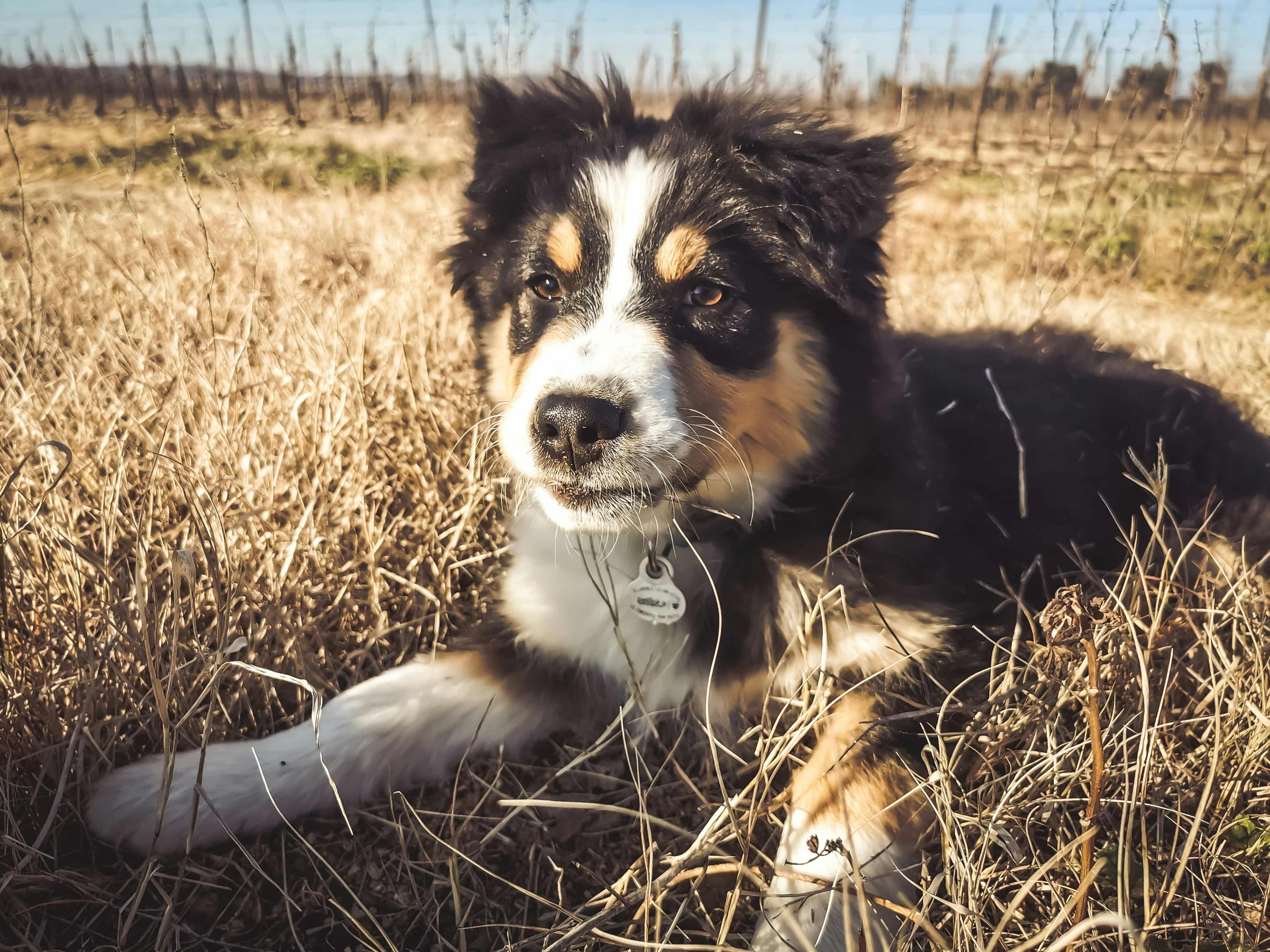
Australian Shepherds are smart, athletic herding dogs that need daily exercise, mental work, and people who enjoy training. They fit best with homes that want an involved companion, not a low-key dog that is happy to entertain itself.

Border Collie

Border Collie

Herding Medium High energy

Border Collies are ultra-smart, intense herding dogs built to watch movement, solve problems, and keep working. They fit best with active owners who want daily training, real exercise, and clear structure, not a casual companion that is satisfied with a short walk.

Australian Cattle Dog

Australian Cattle Dog

Herding Medium High energy

Australian Cattle Dogs are smart, loyal herding dogs best for active owners who want daily exercise, mental work, and serious training drive.

Catahoula Leopard Dog

Catahoula Leopard Dog

Herding Large High energy

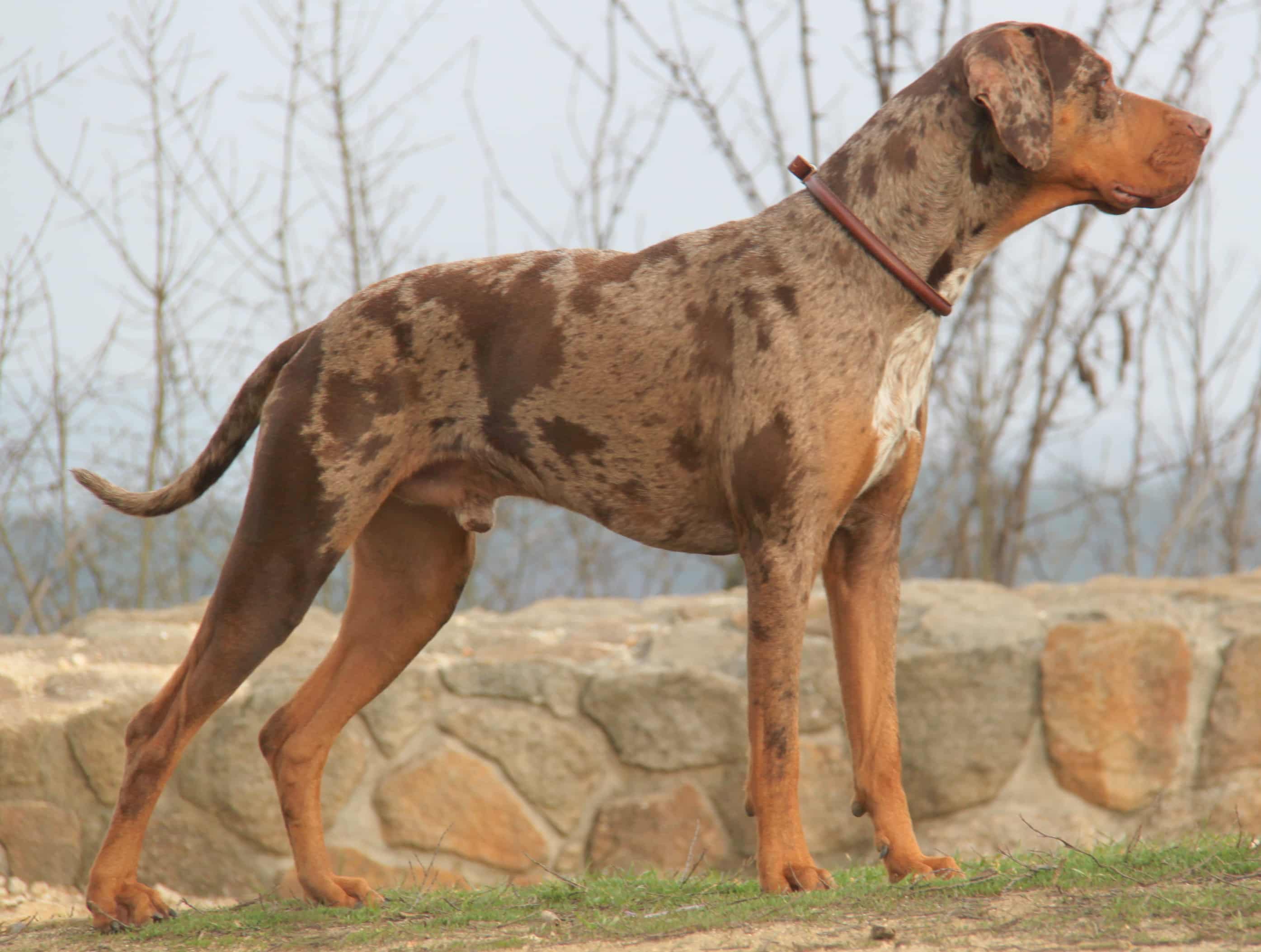
Catahoula Leopard Dogs are strong, athletic Louisiana working dogs with loyal, independent, and protective instincts. They fit best with active, experienced homes that can provide secure space, daily exercise, steady training, and a job-like routine.

Black Mouth Cur

Black Mouth Cur

Hound Large High energy

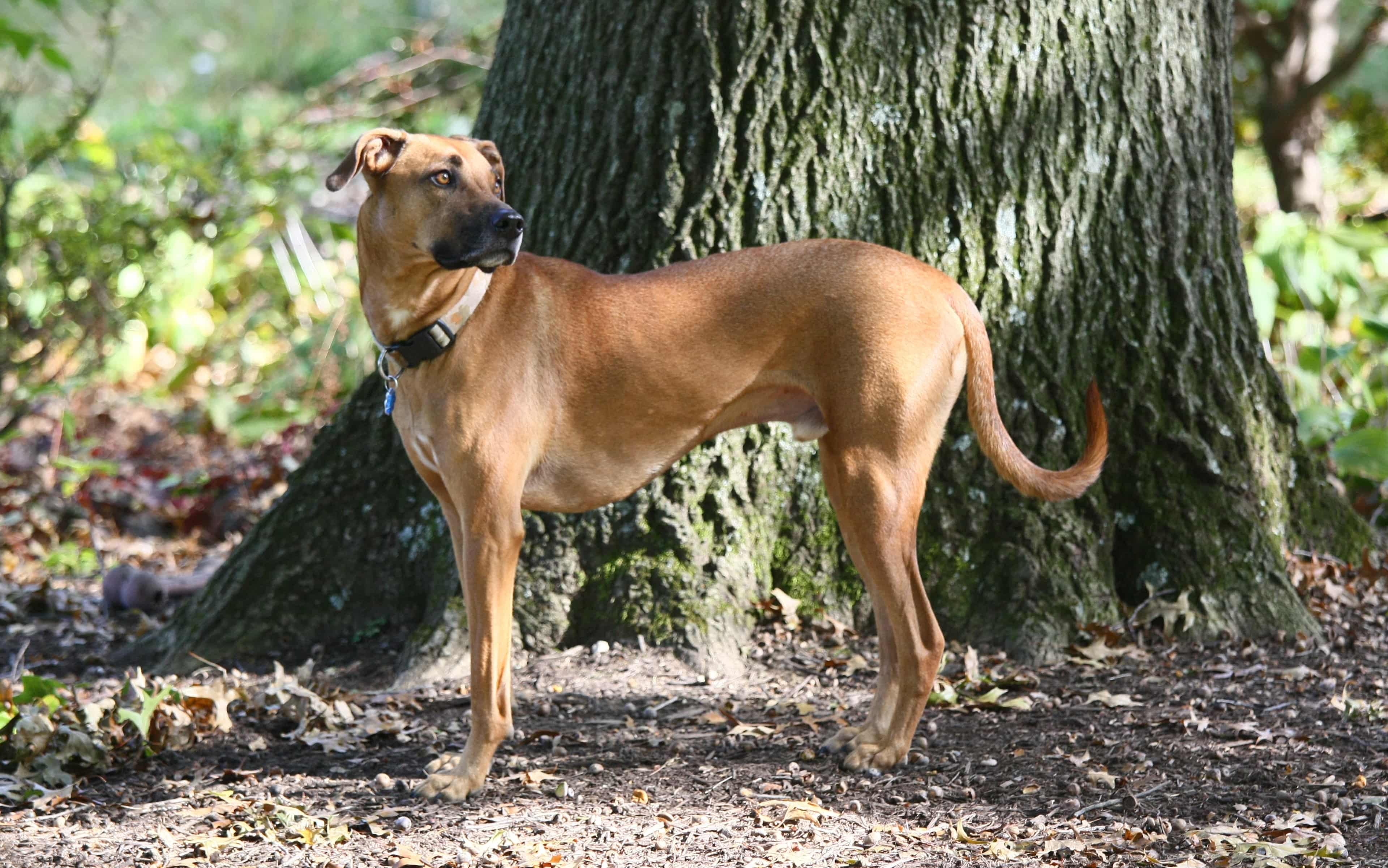
Black Mouth Curs are tough, smart working dogs from the American South. They fit best with active households that can provide daily exercise, steady training, secure routines, and a safe outlet for a loyal dog that wants a job.

Giant Schnauzer

Giant Schnauzer

Working Large High energy

Giant Schnauzers typically pair alert, loyal, and trainable traits with the presence of a large working dog. They are often strongest fits for active households, especially when the household can stay on top of daily exercise and mental work and space and handling strength.

Doberman Pinscher

Doberman Pinscher

Working Large High energy

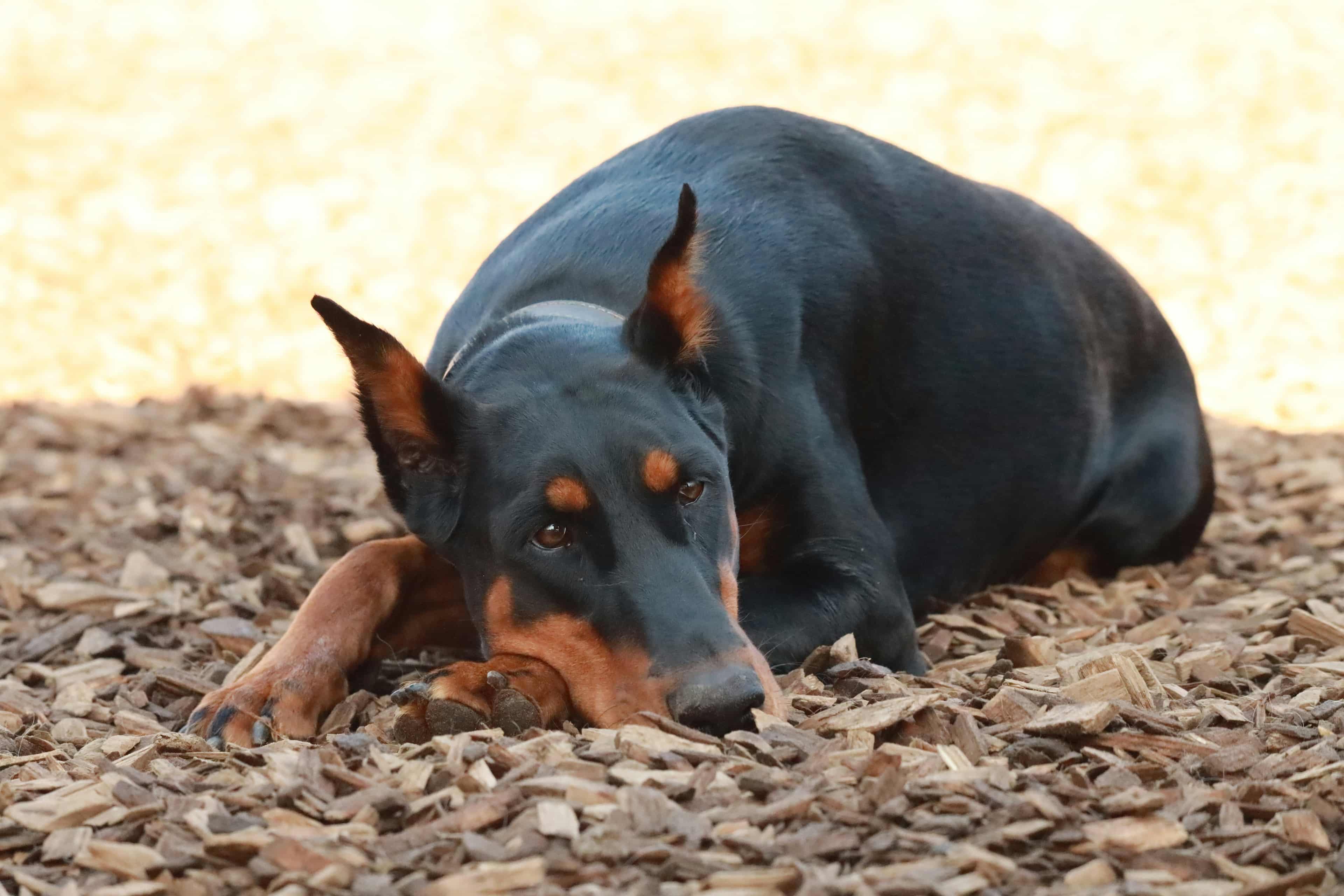
Doberman Pinschers are intelligent, athletic companions with watchdog instincts, best for owners ready for daily training, exercise, and steady socialization.

German Shorthaired Pointer

German Shorthaired Pointer

Sporting Medium High energy

German Shorthaired Pointers are fast, people-oriented sporting dogs built for long exercise days, steady training, and life close to their household. They fit best with active homes that want an athletic all-purpose companion, can provide real daily outlets, and do not expect one short walk to do the whole job.

Weimaraner

Weimaraner

Sporting Large High energy

People are often drawn to the Weimaraner for its fearless, friendly, and obedient mix wrapped in a large sporting frame. They fit best when family households that want a dog involved in everyday home life can plan around daily exercise and mental work and space and handling strength instead of treating the breed like a plug-and-play match.

Breed Traits

Energy Level5/5
Trainability5/5
Shedding3/5
Health Concerns3/5
Barking Tendency3/5
Good with Kids3/5
Good with Dogs3/5