Browse Breeds A-Z
Herding Group

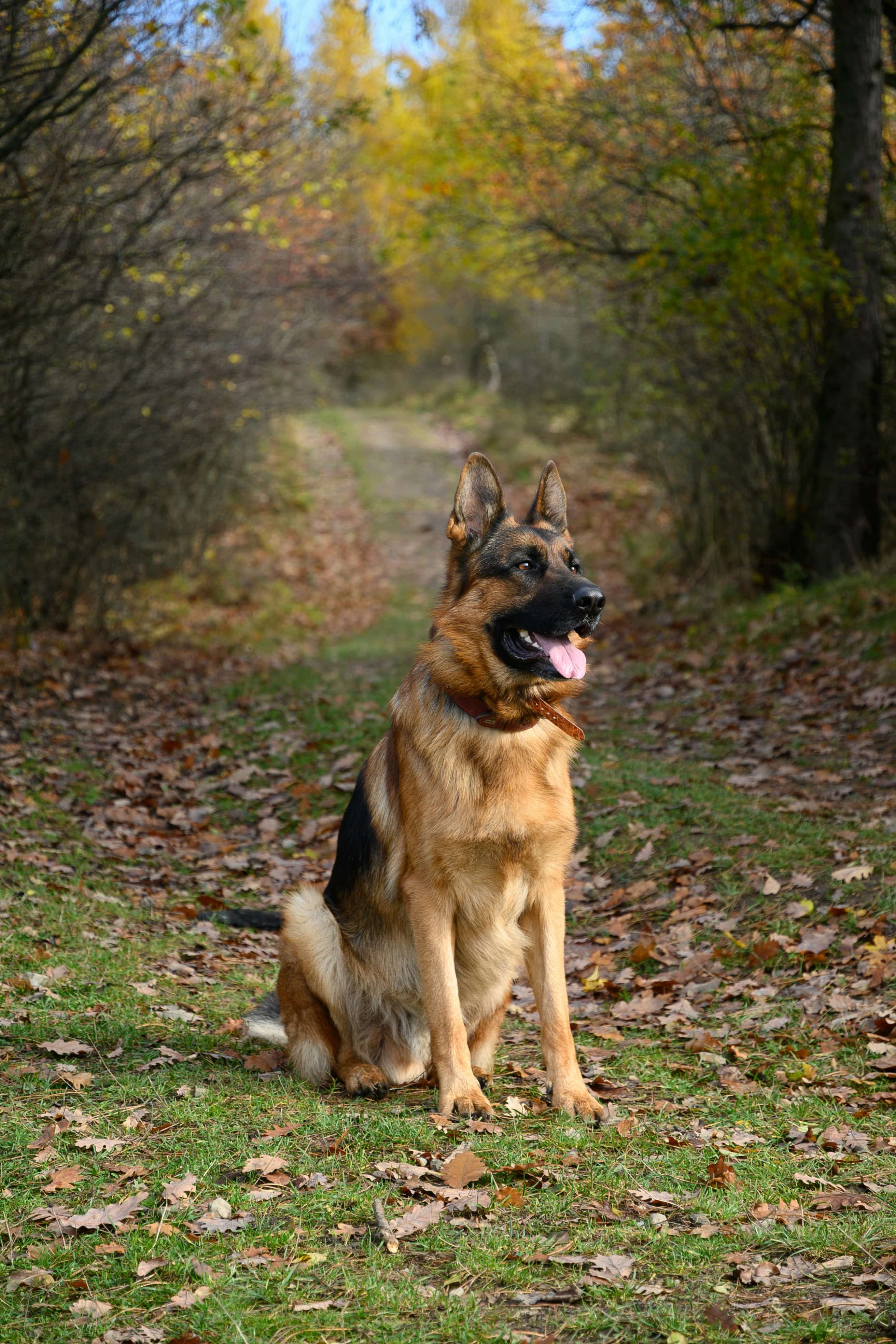
German Shepherd Dog

CourageousConfidentSmart
German Shepherd Dog

Height

24-26 inches (male), 22-24 inches (female)

Weight

65-90 pounds (male), 50-70 pounds (female)

Life Expectancy

12-14 years

Size

Large

What German Shepherd Dogs are like

German Shepherd Dogs are loyal, highly trainable working dogs that need daily exercise, clear structure, and early socialization to thrive.

Is the German Shepherd Dog right for your home?

Best match for...

Families
Children

Strong fit if...

You want a trainable working partner

German Shepherds fit best with people who enjoy teaching skills, building routines, and living with a dog that likes having a job.

Daily structure feels realistic

This breed usually does best when walks, training, downtime, and household rules stay steady instead of changing every day.

You will socialize early and often

A well-socialized German Shepherd can be confident and manageable, so the strongest fit is an owner ready to start that work early.

Think twice if...

You want a low-effort dog

Without enough exercise, training, and mental work, many German Shepherds create their own outlet through barking, pacing, or destructive habits.

You need instant stranger friendliness

Many are naturally watchful and reserved, so this is usually not the breed for owners who want a social butterfly with every guest or dog.

Hair everywhere is a dealbreaker

The double coat sheds year-round and often blows heavily during seasonal coat changes, so regular brushing and cleanup are part of the package.

What daily life feels like

Daily life

A job helps them settle

Walks alone are rarely the whole answer; obedience, scent games, tug, tracking-style work, or other structured outlets usually make daily life easier.

Daily life

They notice everything

German Shepherds often track doors, visitors, sounds, and household patterns closely, which is useful when well-managed and stressful when boundaries are unclear.

Daily life

Big dog logistics are real

Crates, food, car space, vet handling, and rough-weather exercise plans all matter more with a large athletic dog than with a casual companion breed.

Training and handling

Training

Start socialization young

Puppies and adolescents should practice calm exposure to people, surfaces, sounds, grooming, and controlled public situations before suspicion becomes a habit.

Training

Use calm consistency

Clear rules and reward-based repetition usually work better than loud corrections because this breed learns fast and also remembers rough handling.

Training

Teach useful real-life skills

Loose-leash walking, settling, guest routines, recall, and neutral behavior around other dogs matter just as much as flashy obedience cues.

Health and cost

Plan for it

Joint issues deserve planning

Hip and elbow problems are common enough that breeder screening, staying lean, and sensible exercise should be part of the decision from day one.

Plan for it

Know the breed risks

Digestive trouble, bloat risk, degenerative nerve disease, and other large-breed concerns are worth discussing before you bring one home.

Plan for it

Budget above average

Quality food, training classes, gear, boarding, and vet bills can add up quickly when the dog is large, active, and expected to stay well-trained.

Did you know?

Originally a herding breed

German Shepherds were first developed to gather and move flocks before the breed became famous for police, military, and service work.

The full name includes Dog

Formal references often use German Shepherd Dog, which is why the longer name still shows up in breed clubs and show records.

Black and tan is not the only look

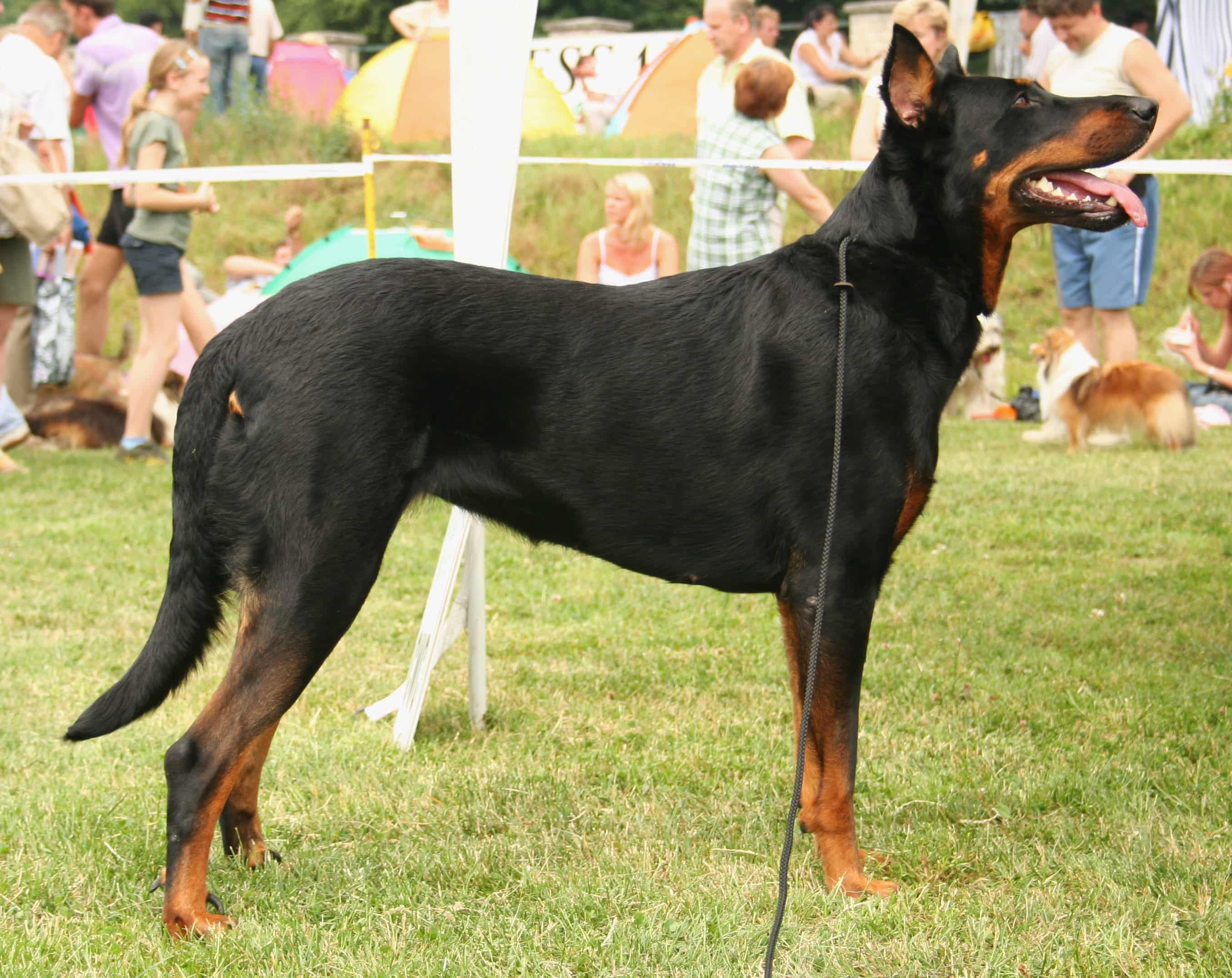
Sable, black, and bi-color coats are all common in the breed, even though many people picture the classic black-and-tan pattern first.

Fast learners need careful rules

The same intelligence that makes training exciting also means German Shepherds can learn barking, pulling, or over-guarding quickly if routines are messy.

Breeds similar to the German Shepherd Dog

Browse all breeds
Belgian Malinois

Belgian Malinois

Herding Large High energy

Belgian Malinois are intense, athletic working dogs with sharp brains, quick reactions, and very high exercise needs. They fit best with experienced owners who want daily training, structure, and purposeful activity, not a casual pet that can settle with a few short walks.

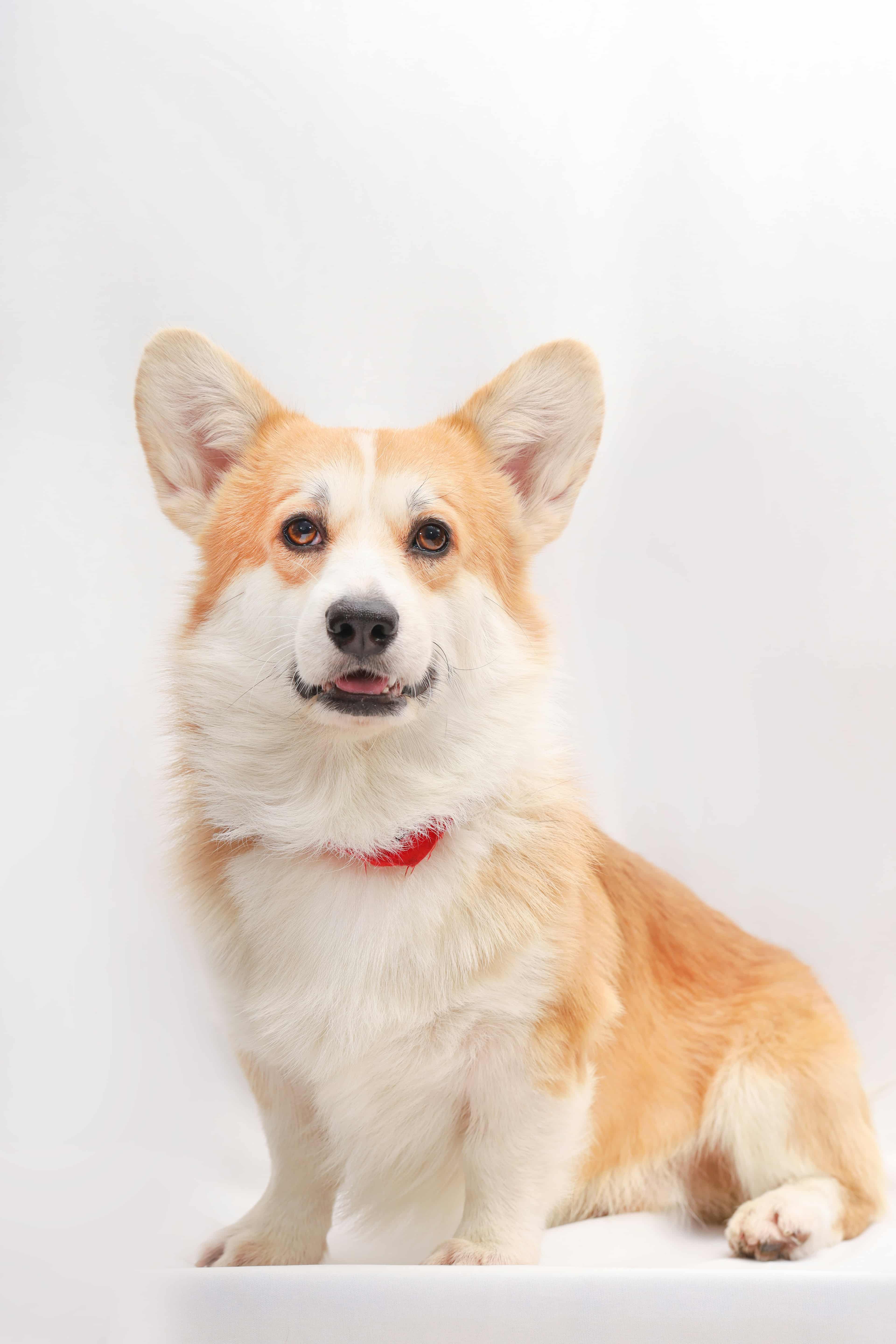
Pembroke Welsh Corgi

Pembroke Welsh Corgi

Herding Small High energy

Pembroke Welsh Corgis are smart, sturdy herding dogs with big personalities who need daily activity, steady training, and a plan for heavy shedding.

Australian Cattle Dog

Australian Cattle Dog

Herding Medium High energy

Australian Cattle Dogs are smart, loyal herding dogs best for active owners who want daily exercise, mental work, and serious training drive.

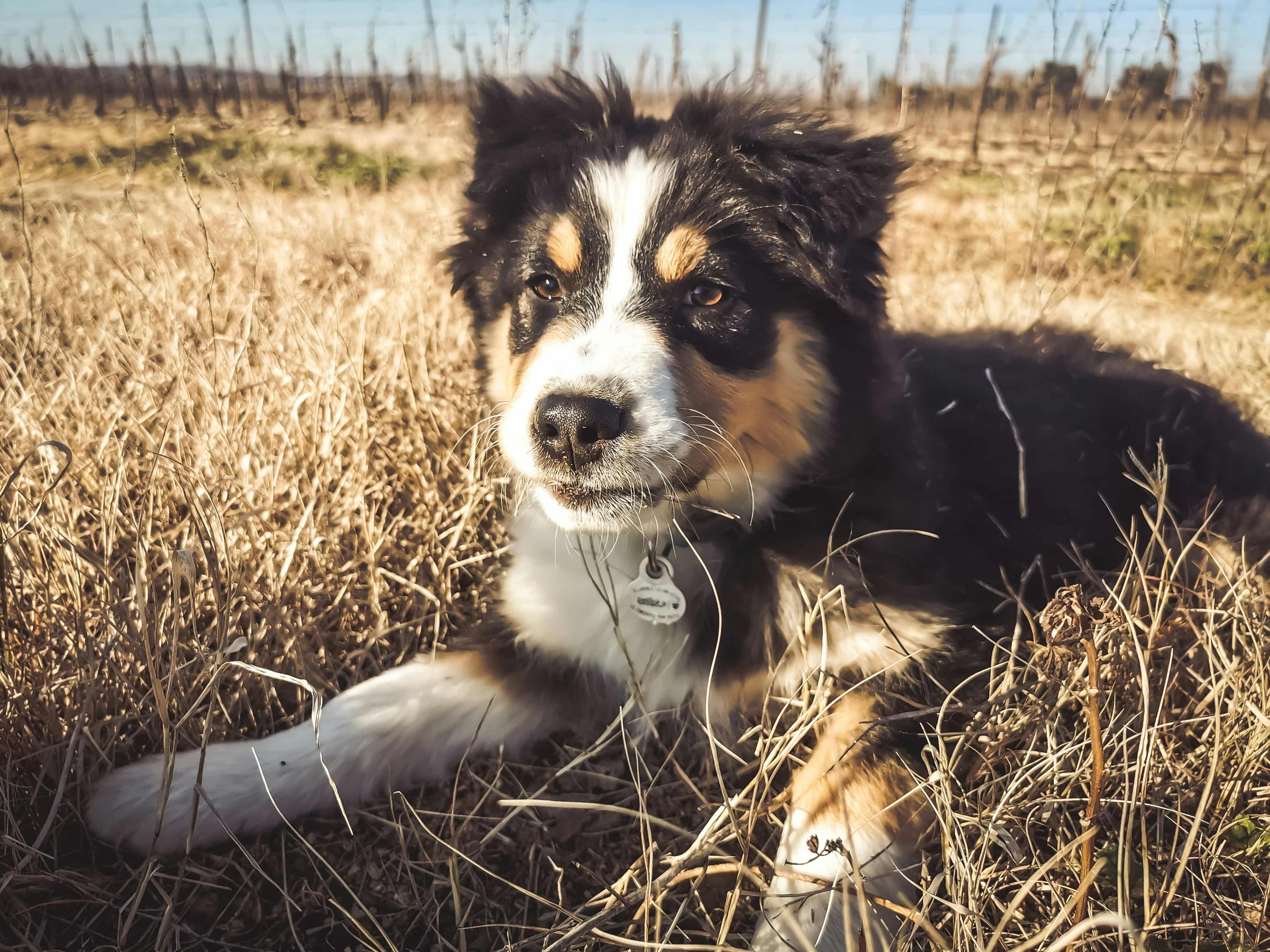
Australian Shepherd

Australian Shepherd

Herding Medium High energy

Australian Shepherds are smart, athletic herding dogs that need daily exercise, mental work, and people who enjoy training. They fit best with homes that want an involved companion, not a low-key dog that is happy to entertain itself.

Border Collie

Border Collie

Herding Medium High energy

Border Collies are ultra-smart, intense herding dogs built to watch movement, solve problems, and keep working. They fit best with active owners who want daily training, real exercise, and clear structure, not a casual companion that is satisfied with a short walk.

Doberman Pinscher

Doberman Pinscher

Working Large High energy

Doberman Pinschers are intelligent, athletic companions with watchdog instincts, best for owners ready for daily training, exercise, and steady socialization.

Breed Traits

Energy Level5/5
Trainability5/5
Shedding5/5
Health Concerns4/5
Barking Tendency3/5
Good with Kids5/5
Good with Dogs3/5