Browse Breeds A-Z
Working Group

Boxer

ActiveBrightFun-Loving
Boxer

Height

23-25 inches (male), 21.5-23.5 inches (female)

Weight

65-80 pounds (male), females are about 15 pounds less than male

Life Expectancy

10-12 years

Size

Large

What Boxers are like

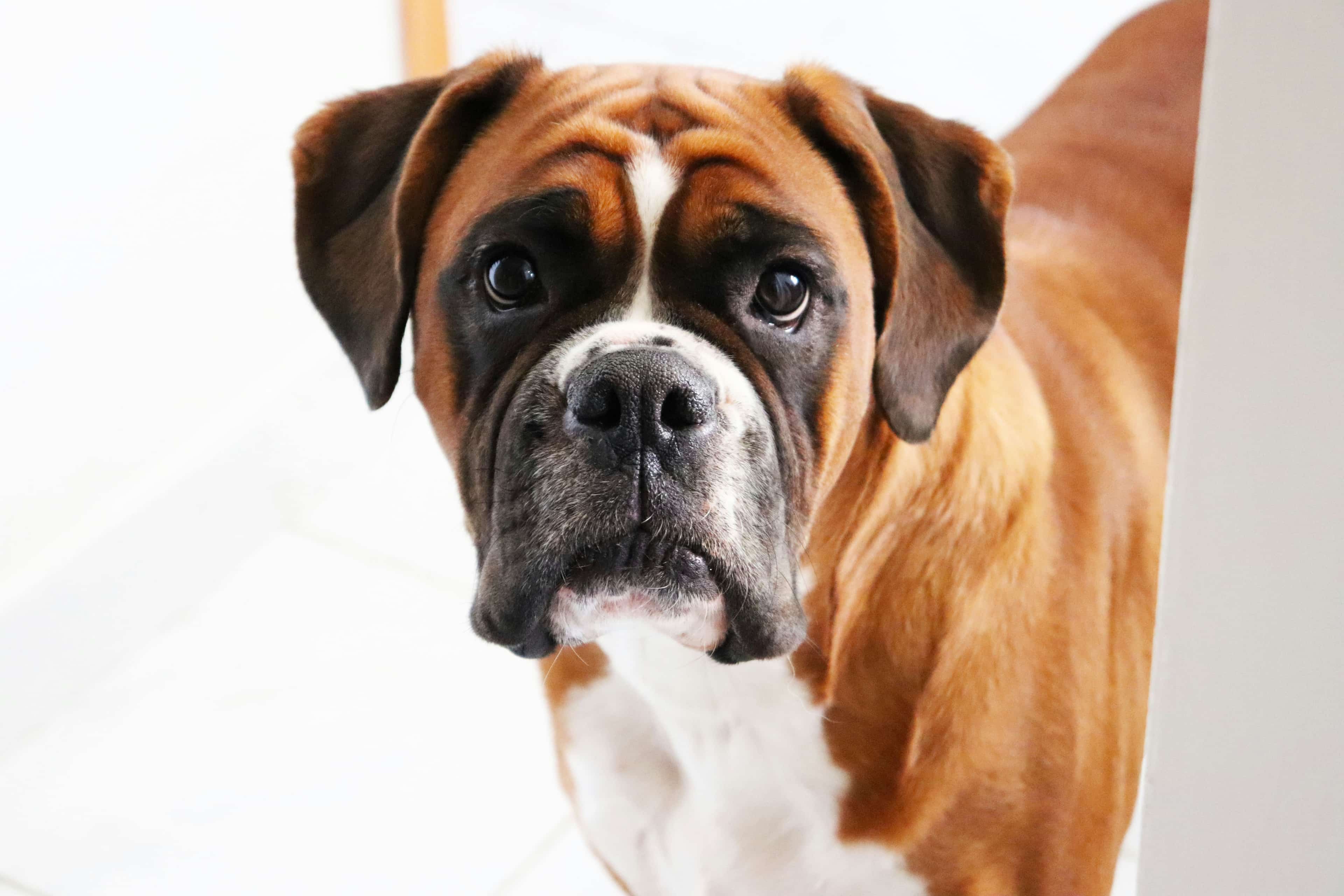
Boxers are medium-large, muscular dogs that often feel more playful, affectionate, and people-focused than their tough build first suggests. In the right home a Boxer usually feels bright, silly, loyal, and always ready to be near the family. In the wrong home the same dog can feel jumpy, under-exercised, too strong on leash, and heavier on drool, noise, and health worry than the household expected. The biggest lifestyle filters are usually daily exercise, early training, heat management, and honest planning around breed-linked health problems.

Boxer breed basics

Quick view

Size and strength matter in daily life

American Boxer Club says adult Boxers are usually about 21.5 to 25 inches tall, with many males landing around 65 to 80 pounds and females a bit smaller. That means even a friendly Boxer can feel like a lot of dog if leash skills and polite greetings never get built early.

Quick view

Expect about a 10 to 12 year commitment

A typical Boxer lifespan is about 10 to 12 years. The breed also carries meaningful health risks, so the long-term plan should include good vet care, realistic training time, and either insurance or savings.

Quick view

Short coat does not mean zero maintenance

The Boxer coat is short, smooth, and close-lying. That usually makes brushing easier than with fluffier breeds, but moderate shedding, drool, and mess around water, play, and excited greetings are still part of life in many homes.

Quick view

Exercise and heat planning go together

many Boxers need 30 minutes to two hours of exercise a day, depending on the dog. Because the breed is flat-faced and deep-chested, activity plans also need judgment around warm weather, heavy panting, and recovery instead of pushing through because the dog still looks eager.

Is the Boxer right for your home?

Best match for...

A home that wants an affectionate, high-energy family companion, can make room for daily exercise and training, and is ready for a dog with real strength, clownish energy, and some important health tradeoffs.

Active families
Training-minded homes
People-first owners

Strong fit if...

You want a playful dog that truly lives with the family

Boxers are famous for staying close to their people. In a good fit they feel involved, funny, and emotionally tuned in instead of like a dog that wants to stay outside and do its own thing.

You can give real exercise every day

This is not a couch breed just because the coat is short. Walks, play, training, and chances to burn energy usually matter if you want the dog calm enough to live with indoors.

You are ready to train a strong, bouncy dog early

A Boxer can be sweet and eager, but size and enthusiasm still matter. Leash manners, polite greetings, settling indoors, and not body-checking people all get easier when training starts early.

You are comfortable with slobber, mess, and big-dog energy

A lot of Boxer charm comes with extra motion. Many homes that love the breed are homes that can laugh at some drool, goofy zoomies, and a dog that brings its whole body into everyday life.

Think twice if...

You want a naturally low-effort dog

Short coat does not mean low effort. A Boxer usually needs exercise, supervision, training, and routine more than people expect from the easy-care look.

The dog would spend long days bored and alone

A Boxer that does not get enough company or activity can become harder to live with fast. Boredom often shows up as jumping, chewing, noise, and over-the-top energy when people finally come home.

You need a dog that handles hot weather easily

Boxers are flat-faced enough that heat deserves real respect. Warm-weather walks, yard time, and exercise plans need more care than they do with many longer-muzzled breeds.

You want to ignore breed-linked health risk when picking a dog

several Boxer health concerns, including cancers, heart disease, GDV bloat risk, hypothyroidism, and cruciate problems. If you want the least emotionally and financially risky health profile possible, this may not be the easiest breed to live with.
Compare similar athletic family breeds

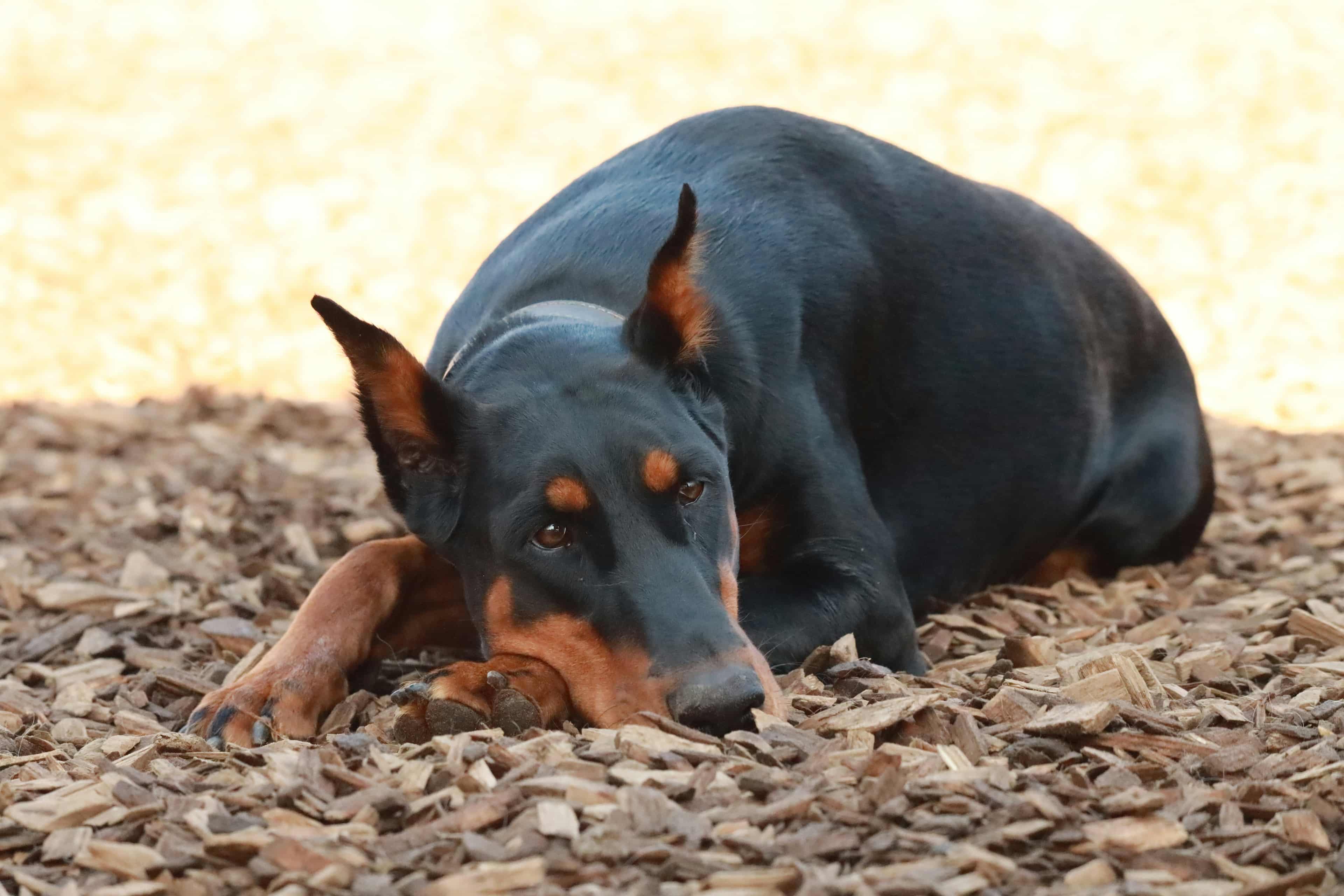
If you like the Boxer mix of family affection, muscle, and watchdog energy, start by comparing the American Bulldog, American Staffordshire Terrier, and Doberman Pinscher. Then use the breed compare tool to line up the tradeoffs side by side, or try the match quiz and breed mixer for a broader fit check.

What daily life feels like

Daily life

The personality is often part athlete, part class clown

A lot of Boxer fans stay loyal to the breed because the dogs can be funny, expressive, and full of bounce. The same playful streak is charming when it has structure and less charming when the dog has no outlet.

Daily life

Many Boxers want to be near their people all day

This tends to feel like a family dog, not a distant yard dog. A Boxer often wants to follow the household, join the main room, and stay involved instead of quietly disappearing to a corner.

Daily life

The coat is easy, but the housekeeping is not always light

Brushing is usually simple. Living with a Boxer can still mean drool, muddy pawprints, and some mess around water bowls, toys, and excited greetings.

Daily life

Heat and overexertion deserve real caution

Because the breed is flat-faced, hard exercise in warm weather can get risky faster than some owners expect. Cooler walk times, water breaks, and not pushing through heavy panting matter.

Grooming and care

Care

Brushing is easy, but the coat still sheds

the Boxer as fairly low-maintenance for coat care. Weekly brushing and the occasional bath usually cover the basics, but the short coat still leaves hair on couches, clothes, and car seats.

Care

Ears, nails, teeth, and skin still need routine

regular ear cleaning, and nails and teeth are easy to ignore when the coat itself is simple. Homes usually do better when Boxer care stays regular and boring instead of only happening after odor, wax, overgrown nails, or tartar show up.

Care

Drool and cleanup are part of the real workload

The breed does not need salon-level grooming, but that does not mean no mess. Towels by the water bowl, quick face wipes after play, and a realistic tolerance for some slobber make daily life easier.

Care

Heat management is daily care, not a rare edge case

the Boxer is a flat-faced breed and can be prone to overheating. On hot days, shorter walks, shade, water, and calling it early are part of normal care, not overreacting.

Training and handling

Training

Start calm greetings before the size feels like a problem

A Boxer that jumps with excitement can feel a lot bigger than the number on the scale. Teaching four-on-the-floor greetings early makes daily life much easier for guests, kids, and older family members.

Training

Reward-based training usually works better than power struggles

Boxers often learn well when training stays clear, upbeat, and consistent. They are usually more fun to train than people expect, but they can still become stubborn when the session feels repetitive or unfair.

Training

Socialization should build self-control, not just exposure

The goal is not showing the dog everything once and hoping for the best. The better goal is teaching a Boxer how to stay responsive around people, dogs, noise, and excitement without turning every moment into full-body chaos.

Training

Crate time, chew outlets, and routines save a lot of frustration

A bored young Boxer can invent its own entertainment. Homes usually do better when they plan rest, alone-time practice, durable chews, and predictable routines instead of trying to improvise after problems start.

Health and cost

Plan for it

Cancer and heart screening questions should happen before the dog comes home

Cancers, dilated cardiomyopathy, and boxer arrhythmia are all major breed-linked risks. That does not mean every Boxer will get sick, but it does mean breeder screening, vet history, and ongoing heart awareness belong in the decision.

Plan for it

Treat bloat warning signs like an emergency

gastric dilatation-volvulus, or GDV bloat, as a sudden emergency that needs immediate veterinary care. If a Boxer is retching without bringing anything up, pacing, drooling hard, or developing a swollen belly, that is emergency-vet territory.

Plan for it

Joint and thyroid issues can change the long-term budget

Hypothyroidism and cranial cruciate ligament disease also deserve a place in the health conversation. Even an athletic Boxer can end up needing long-term medication, diagnostics, rehab, or surgery, so the real budget should include room for more than routine food and vaccines.

Plan for it

The total cost includes training and management

Training classes, sturdy gear, daycare or boarding, emergency care, and managing a powerful high-energy dog all shape the cost. The breed feels easiest in homes that plan for time and money, not just kibble.

Did you know?

The modern Boxer traces back to older German working and hunting dogs

The American Boxer Club says the breed's history begins in feudal Germany, where its ancestors were used to hold large game until the hunter arrived. That background still helps explain the breed's strength, drive, and athletic feel.

Boxers did not stay hunting dogs for long

American Boxer Club notes that the breed later worked as a utility dog and was one of the first breeds selected in Germany for police training. The family-dog charm sits on top of real working-dog roots.

The famous Boxer personality is part of the breed's reputation, not just internet lore

the Boxer as bright, fun-loving, and active. That mix is why the breed can feel so special in the right home: you get watchfulness and athleticism, but also a dog that often acts like a clown with its people.

Breeds similar to the Boxer

Browse all breeds

Breed Traits

Energy Level4/5
Trainability4/5
Health Concerns4/5
Barking Tendency3/5
Good with Kids5/5
Good with Dogs3/5