Browse Breeds A-Z
Working Group

Portuguese Water Dog

AffectionateAdventurousAthletic
Portuguese Water Dog

Height

20-23 inches (male), 17-21 inches (female)

Weight

42-60 pounds (male), 35-50 pounds (female)

Life Expectancy

11-13 years

Size

Medium

What Portuguese Water Dogs are like

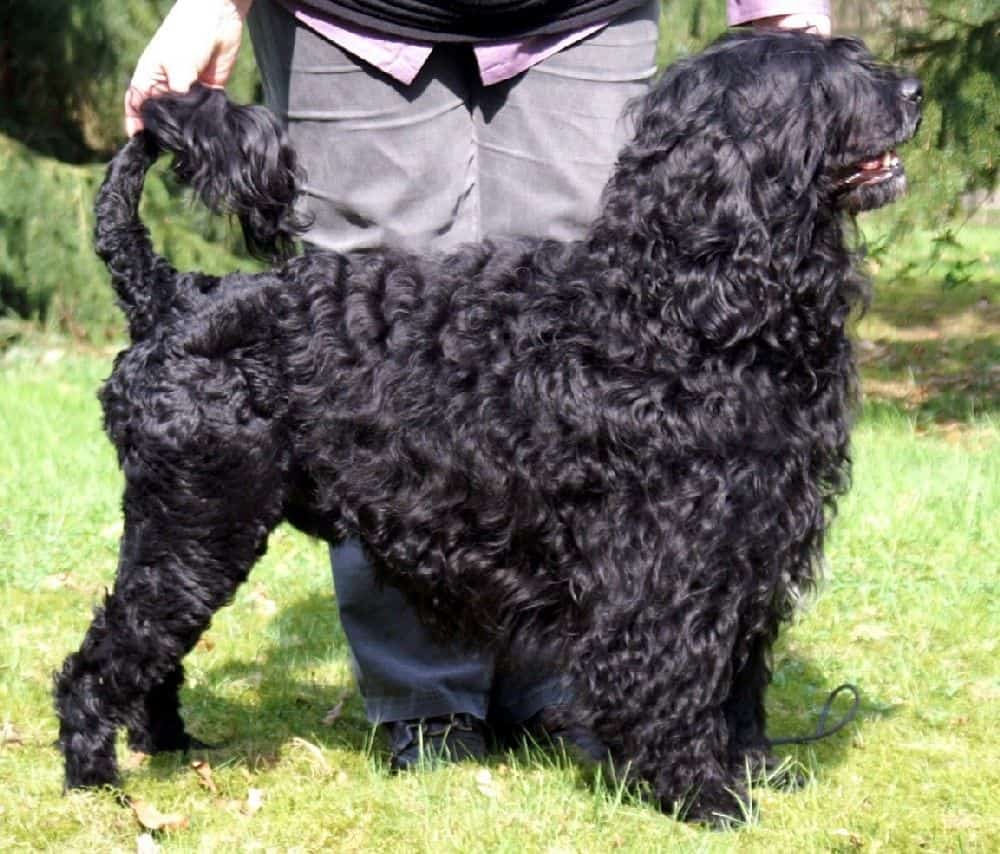
Portuguese Water Dogs are medium working dogs with a curly or wavy coat, a quick brain, and a real appetite for doing things with their people. Most adults stand about 17 to 23 inches tall and weigh roughly 35 to 60 pounds, so they land in a useful middle zone: bigger and stronger than a small companion dog, but not so huge that every part of life has to revolve around giant-dog logistics. In the right home, the breed feels upbeat, affectionate, athletic, and deeply involved in family life. In the wrong home, the same dog can feel busy, demanding, or harder than expected. The biggest reality check with this breed is simple: low shedding is not the same thing as low maintenance.

Is the Portuguese Water Dog right for your home?

Best match for...

A home that wants a smart, active medium dog, can commit to daily exercise and real training, and is ready for regular grooming plus the time this people-focused breed usually wants with its family.

Daily exercise
Grooming routine
Time together

Strong fit if...

You want a bright dog that likes learning and having a job

A Portuguese Water Dog usually makes the most sense for people who enjoy teaching, practicing, and interacting with their dog instead of only managing basic care. The breed is very intelligent and easy to train, and that usually shows up as a dog that learns routines quickly and stays happier when its brain gets used.

You are ready for a genuinely active dog

Portuguese Water Dogs need vigorous exercise every day plus mental stimulation. Long walks, training games, fetch, swimming, and structured play are all strong fits. Homes that enjoy getting out and doing things with the dog usually have a much easier time than homes that hope the dog will settle down on its own.

You like the idea of a low-shed coat and can handle the grooming behind it

This is one of the breed's biggest selling points and one of its biggest catches. The coat is often described as hypoallergenic and low shedding, but it still needs regular and extensive grooming. If you want less loose hair around the house and are fine with brushing, clipping, baths, and often professional grooming, the tradeoff can feel worth it.

You want an affectionate dog that stays close to family life

Portuguese Water Dogs are often at their best when they are woven into the household instead of treated like backyard equipment. They are often affectionate with family, children, and other dogs, and many owners love how closely the breed wants to stay involved in the day.

Think twice if...

You want a dog that can coast on very little exercise or interaction

A bored Portuguese Water Dog is often much harder to live with than a busy one. When the dog has too little to do, all that intelligence and energy can turn into barking, jumping, pestering, or general chaos around the house.

You want an easy first dog that never pushes back

The breed is trainable, but Portuguese Water Dogs can think independently and may challenge an owner's will. In plain language, this is not a dog that always says yes just because you asked nicely once. Clear routines, patient repetition, and positive training matter.

Your home includes very young kids and you need the calmest possible body language

Many Portuguese Water Dogs do well with children, but they can also be too exuberant for families with very young children. Medium-size strength plus excitement can still knock over a toddler or turn greetings into a lot to manage.

You are hoping the coat will stay easy because the dog sheds less

The coat story matters enough to say twice. Dense curly or wavy hair can mat if grooming slides. Ear care and tooth brushing also matter here. If you do not want regular grooming bills, brushing sessions, or coat checks, the practical side of this breed can wear thin fast.

If you are comparing other active, family-oriented breeds, start with the Labrador Retriever, Golden Retriever, Giant Schnauzer, and Newfoundland, then use the breed compare tool to line up the tradeoffs side by side or try the match quiz and breed mixer for a broader fit check.

What daily life feels like

Daily life

The day usually goes better when the dog gets both movement and brain work

A Portuguese Water Dog often feels happiest when exercise is paired with something to think about. A walk is good. A walk plus training, retrieving, swimming, or a few focused games is usually better. The breed usually wants to do things with you, not just near you.

Daily life

Coat care stays on the calendar

The coat may shed less than many breeds, but it still shapes the weekly routine. Brushing, clipping, baths, drying after wet outings, and staying ahead of tangles all matter. The breed can be kept in either a lion clip or a retriever clip, which tells you the coat is not an afterthought.

Daily life

Many Porties want to be in the middle of the action

This breed often notices family rhythms quickly and wants in. That can feel lovely if you want a dog that greets you with energy, follows the household flow, and likes being involved. It can feel like a lot if you hoped for a dog that is emotionally more independent.

Daily life

Water and activity are not just fun extras

For many Portuguese Water Dogs, swimming, dock diving, retrieving, or other active outlets are part of what makes the breed make sense. Water work is a special fit here, which is one reason the breed often clicks best with people who want a true activity partner rather than a couch-first curly dog.

Training and handling

Training

Start household manners early and stay consistent

Because this breed is smart, enthusiastic, and medium-sized, small habits can become big habits fast. Jumping on guests, dragging the leash, or ignoring the first cue may look funny in a young dog and feel much less funny later.

Training

Positive training usually works better than trying to overpower the dog

Portuguese Water Dogs respond well to obedience training and need positive methods. That fits a breed that often wants to work with people but can also think for itself. Clear rules, rewards, repetition, and fair correction usually go farther than frustration.

Training

Give the energy a direction instead of only trying to shut it down

It is easier to live with a Portuguese Water Dog that has jobs, routines, and outlets than one that keeps being told only what not to do. Short training sessions, retrieving games, scent work, swimming, and dog sports can all help turn that intensity into something useful.

Health and cost

Plan for it

Ask breeders for a real screening checklist

This breed's health conversation should be specific. Hip evaluation, ophthalmologist evaluation, and multiple DNA screens matter here, including checks for GM1 gangliosidosis, microphthalmia syndrome, juvenile dilated cardiomyopathy, and progressive retinal atrophy. The key point is asking for documented screening results instead of vague reassurance.

Plan for it

Ears and teeth need regular attention too

A Portuguese Water Dog's ears should be checked regularly for signs of infection, and the teeth should be brushed often. That makes practical sense for an active dog that may spend a lot of time wet and busy.

Plan for it

The coat and activity level both come with recurring costs

This breed is not usually as expensive as a giant dog, but the budget is still real. Regular grooming, training classes, sturdy gear, activity outings, and routine veterinary care can add up quickly if you want the dog to thrive rather than simply get by.

Plan for it

Eleven to thirteen years is a long working-dog commitment

The typical 11 to 13 year lifespan is a good stretch of time to stay consistent with exercise, training, grooming, and health care. For the right home, that is a strength. It is still worth being honest that an active, involved breed asks for a lot of steady follow-through across that whole span.

Did you know?

Portuguese Water Dogs were bred as fishermen's helpers

The breed worked as an all-around fisherman's helper, which explains a lot about the personality. The dog was built to work closely with people, stay active, and feel useful instead of sitting around all day.

They have webbed feet

The breed's webbed feet help explain why so many Portuguese Water Dogs seem so comfortable swimming and working around water.

The breed can wear two classic coat styles

There are two familiar trims for the breed: the lion clip and the retriever clip. Even if most owners choose whichever trim is easiest to live with, those styles are a reminder that coat care has always been a real part of this breed's identity.

Curly and wavy coats are both part of the breed picture

Portuguese Water Dogs are distinguished by either curly or wavy coat types, which is one reason individual dogs from the same breed can look a little different while still feeling unmistakably like Porties.

Breeds similar to the Portuguese Water Dog

Browse all breeds

Breed Traits

Energy Level5/5
Trainability5/5
Health Concerns3/5
Barking Tendency3/5
Good with Kids5/5
Good with Dogs4/5