Browse Breeds A-Z
Sporting Group

Brittany

BrightFun-LovingUpbeat
Brittany

Height

17.5-20.5 inches

Weight

30-40 pounds

Life Expectancy

About 12-14 years

Size

Medium

What Brittanys are like

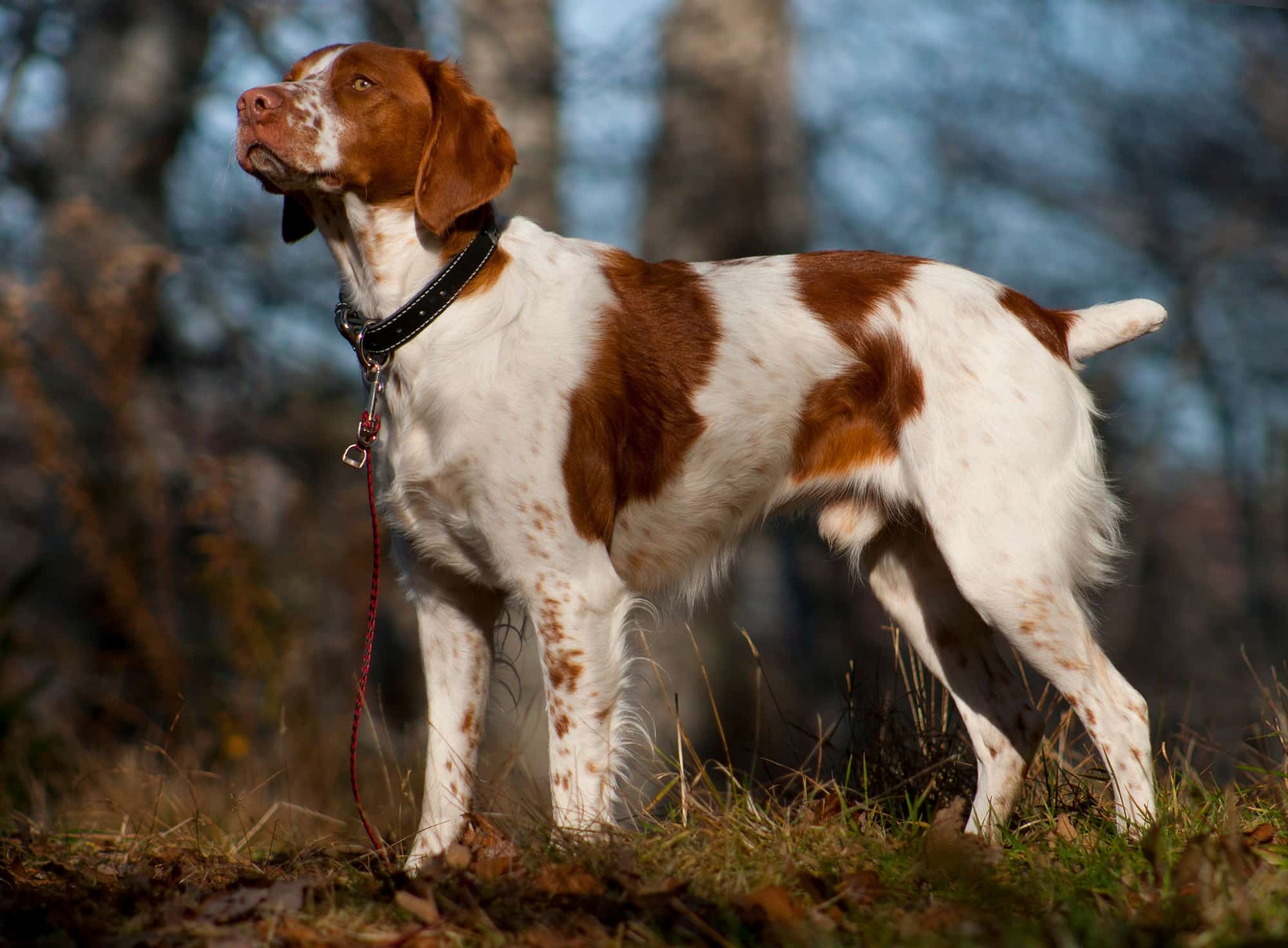
The Brittany dog breed is a medium-size sporting dog built for movement, field work, and close partnership with people. A good Brittany is usually bright, eager, cheerful, athletic, and affectionate, but the best fit is an active home that can build daily routines around exercise, training, recall practice, and regular health care.

Is the Brittany right for your home?

Best match for...

Active Outdoor Families
Bird Dog Fans
Training Minded Owners

Strong fit if...

High-energy companion

You want a medium sporting dog for daily movement, training games, hiking, running, field work, or dog sports.

Training is part of the fun

You like teaching recall, leash manners, polite greetings, settle cues, and impulse control with upbeat rewards.

People-focused bird dog

You want an affectionate dog that usually wants to be involved with the family instead of parked outside or ignored.

Ready to manage speed

Leashes, fences, long lines, and safe off-leash areas feel realistic for a fast dog with real prey drive.
Think twice if...

You prefer low energy

A bored Brittany may bark, chew, dig, jump, counter-surf, or create its own entertainment when exercise is too thin.

The routine is sedentary

This breed usually needs movement and mental work most days, not a weekend-only activity plan.

You expect easy off-leash freedom

Bird scent, wildlife, and open space can pull attention fast unless recall training and management are already strong.

You need calm with little input

Many Brittanys settle nicely after their needs are met, but under-exercised dogs can become busy, vocal, and sensitive.

What daily life feels like

Daily life

A happy dog with a big engine

Expect brisk walks, runs, hikes, fetch, scent games, swimming, field-style work, or other outlets to shape normal days.

Daily life

Close to the family

Many Brittanys shadow their people, check in often, and do best when they are included in ordinary home life.

Daily life

Apartment fit depends on the plan

The medium body can fit smaller homes, but shared walls need outdoor time, training games, barking routines, and calm wind-down habits.

Daily life

Simple coat, real outdoor cleanup

The flat or wavy coat is easy to brush, but field time still means checking ears, paws, belly, feathering, burrs, ticks, and cuts.

Training and handling

Training

Give the brain a job

Short reward-based lessons work well for name response, loose-leash walking, come, leave it, settling, crate comfort, and grooming handling.

Training

Build recall early

Practice in easy places first, reward heavily, and use a long line in open areas until the dog is truly reliable.

Training

Channel bird-dog instincts

Pointing, chasing, scanning, and quartering are normal; scent games, structured fetch, agility foundations, and field-style training can help.

Training

Socialize for steadiness

Gentle exposure should teach the dog to think around children, visitors, other dogs, grooming tools, vet handling, cars, wildlife, and noise.

Health and cost

Plan for it

Watch hips, knees, and movement

Ask about hip screening and family movement history. Limping, stiffness, bunny-hopping, stair avoidance, or pain after play should trigger a veterinarian visit.

Plan for it

Know urgent movement signs

Sudden inability to stand or walk, severe pain, dragging a leg, collapse, or loss of bladder or bowel control needs limited movement and an emergency veterinarian right away.

Plan for it

Plan for eyes, ears, thyroid, and seizures

Eye redness, squinting, cloudiness, repeated ear scratching, head shaking, unexplained weight gain, tiredness, coat changes, skin issues, or any seizure pattern belongs in the health plan.

Plan for it

Budget for activity and safety

Food, preventive care, training classes, safe leashes, long-line gear, tick prevention, dental care, boarding, sports, and emergency savings all matter more than coat color.

Did you know?

Brittanys are not couch spaniels

Many people still say Brittany Spaniel, but the modern U.S. breed name is Brittany because the breed works more like a versatile pointing dog.

Orange and liver are common colors

The coat is often orange and white or liver and white, with roan, ticking, or clear patches depending on the dog.

Smaller does not mean low energy

Brittanys are lighter than many pointing breeds, but they still bring serious athletic drive and daily exercise needs.

Dog sports can be a great outlet

Agility-style games, obedience, scent work, field training, dock-diving-style play, and running with a prepared adult dog can all fit the breed.

More ways to compare the Brittany

Brittany FAQ

FAQ

Is the Brittany a good family dog?

A Brittany can be a very good family dog for active homes that provide daily exercise, training, supervision, and inclusion.

FAQ

Are Brittany dogs high maintenance?

They are not high-maintenance for grooming, but they are high-maintenance for exercise, training, attention, and boredom prevention.

FAQ

Do Brittany dogs bark a lot?

Many bark a moderate amount, especially with excitement, boredom, visitors, wildlife, or window activity, so exercise and quiet routines help.

FAQ

Can a Brittany live in an apartment?

A Brittany can live in an apartment when the owner is truly active and consistent with outdoor exercise, training games, and calm routines.

FAQ

Are Brittany dogs easy to train?

Brittanys are usually very trainable, but scent, speed, sensitivity, and excitement make positive training and early recall work important.

FAQ

How much exercise does a Brittany need?

Most healthy adults need real daily exercise plus mental work; a quick potty walk is usually not enough.

FAQ

Do Brittany dogs shed?

Yes. Brittanys shed seasonally, and the coat still needs brushing, baths as needed, ear checks, nail trims, tooth brushing, and outdoor debris checks.

FAQ

What is the difference between a Brittany and a Brittany Spaniel?

Many people use Brittany Spaniel casually, but the official U.S. breed name is Brittany, which better reflects the breed's pointing-dog style.

FAQ

How long do Brittany dogs live?

Brittany dogs often live about 12-14 years with healthy weight, preventive veterinary care, dental care, safe exercise, and quick attention to movement, eye, thyroid, ear, or seizure concerns.

Breeds similar to the Brittany

Browse all breeds
German Shorthaired Pointer

German Shorthaired Pointer

Sporting Medium High energy

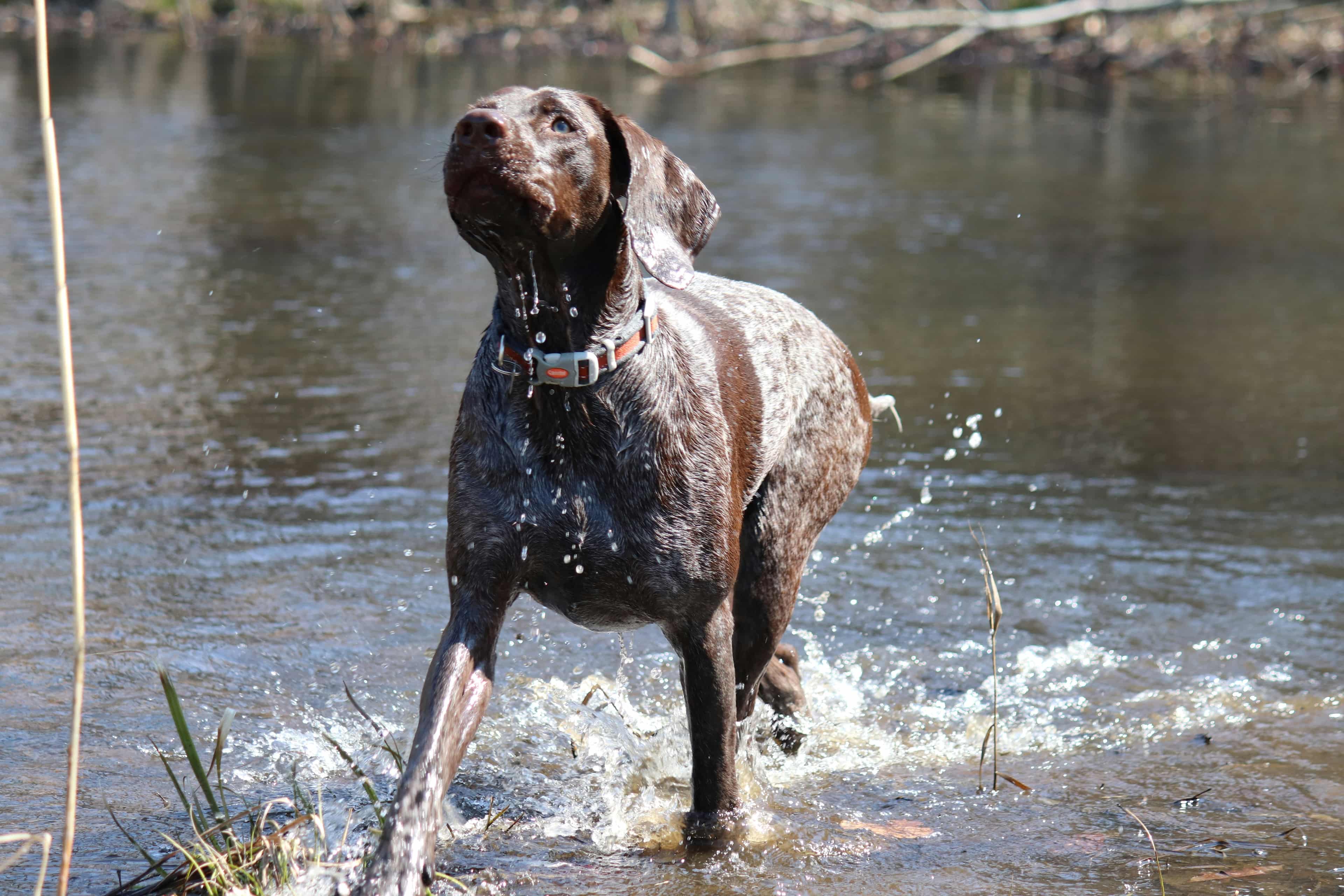
German Shorthaired Pointers are fast, people-oriented sporting dogs built for long exercise days, steady training, and life close to their household. They fit best with active homes that want an athletic all-purpose companion, can provide real daily outlets, and do not expect one short walk to do the whole job.

Vizsla

Vizsla

Sporting Medium High energy

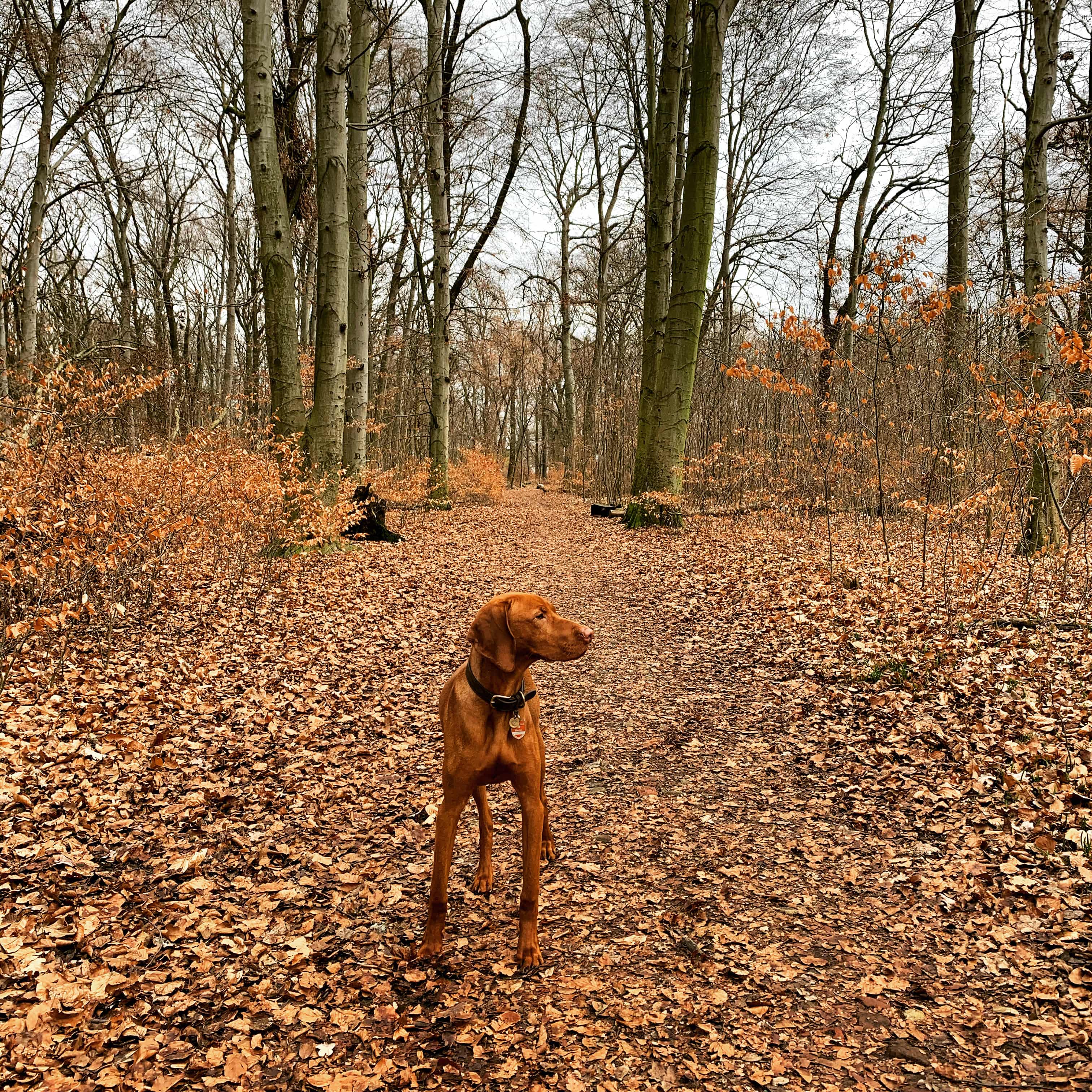
Vizslas are athletic, affectionate sporting dogs that thrive with daily exercise, gentle training, and lots of close time with their people. They fit best with active homes that want a sensitive companion, can keep up with real movement and mental work, and do not expect the dog to spend long stretches alone.

Boykin Spaniel

Boykin Spaniel

Sporting Medium High energy

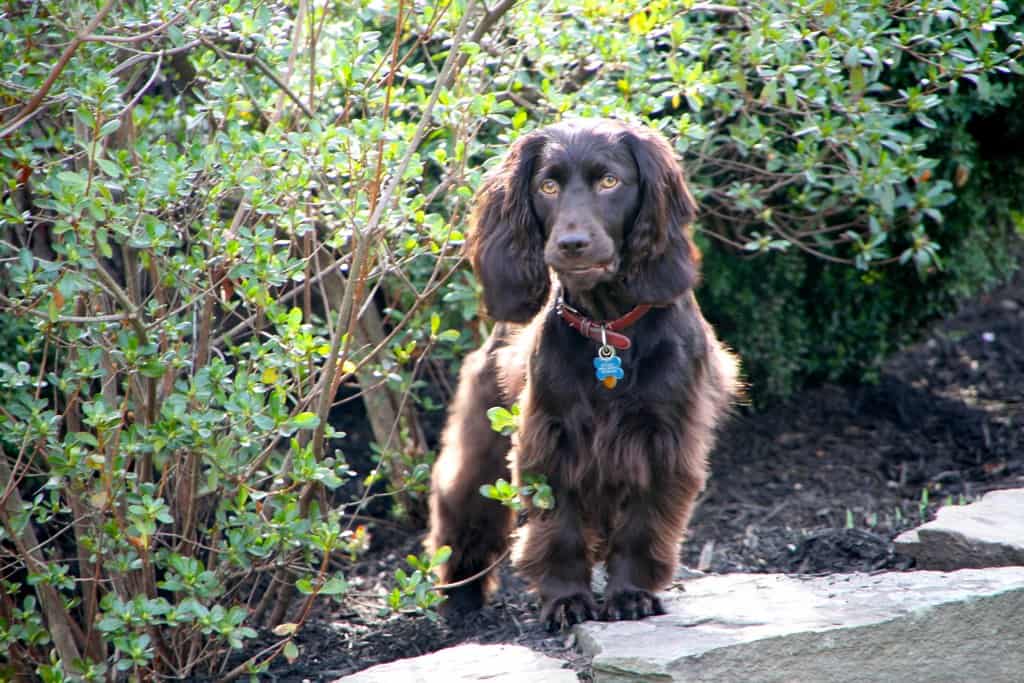
Boykin Spaniels are medium sporting dogs that fit best with active households ready for daily exercise, training, retrieving or swimming outlets, and regular coat and ear care.

Irish Setter

Irish Setter

Sporting Large High energy

Irish Setters are large sporting dogs known for high energy, outgoing personalities, and a striking red coat. They usually fit best with active households that want an affectionate family dog and can keep up with daily exercise, training, and regular coat care.

Weimaraner

Weimaraner

Sporting Large High energy

People are often drawn to the Weimaraner for its fearless, friendly, and obedient mix wrapped in a large sporting frame. They fit best when family households that want a dog involved in everyday home life can plan around daily exercise and mental work and space and handling strength instead of treating the breed like a plug-and-play match.

Cocker Spaniel

Cocker Spaniel

Sporting Small Medium energy

Cocker Spaniels are cheerful, people-oriented sporting companions with softer day-to-day energy than many gun dogs, but they still need walks, play, training, and regular grooming. They fit homes that want an affectionate family dog close by and are ready for coat care, ear maintenance, and a routine that does not leave the dog lonely or under-stimulated.

Breed Traits

Energy Level5/5
Trainability5/5
Shedding3/5
Health Concerns3/5
Barking Tendency3/5
Good with Kids4/5
Good with Dogs4/5