Browse Breeds A-Z
Mixed Breed

Chiweenie

AffectionateAlertBold
Chiweenie

Height

About 5-10 inches

Weight

About 5-15 pounds

Life Expectancy

About 12-16 years

Size

Small

What Chiweenies are like

Chiweenies are small Chihuahua-Dachshund mixes with affectionate bonds, alert watchdog habits, and much bigger personalities than their bodies suggest. They fit best with owners who want a close little companion and can plan for barking, house training, dental care, gentle handling, and back-safe routines.

Is the Chiweenie right for your home?

Best match for...

Smaller Homes
City Homes
Loyal Toy Dog Fans

Strong fit if...

You want a small dog with a big presence

Chiweenies are usually easy to lift and house, but many act like confident little watchdogs rather than quiet background pets.

Barking management feels realistic

A quiet cue, door routine, enough activity, and less all-day window patrol can make shared-wall life much easier.

You like a close companion

Many Chiweenies enjoy laps, blankets, following their people, and being included in daily home life.

You can protect a small back and body

Ramps, careful lifting, safe play, and weight control matter for a small dog that may inherit Dachshund structure.

Think twice if...

You need a very quiet dog

Many Chiweenies bark at visitors, hallway sounds, other dogs, window activity, or boredom.

Rough young-child play is likely

The mix can be affectionate with families, but small bodies can be hurt by grabbing, chasing, squeezing, or accidental drops.

You expect instant obedience

Chiweenies can be smart and stubborn, so they do best with patient, reward-based repetition and clear household rules.

The dog would be alone for long days

A people-focused Chiweenie may bark, pace, chew, or stress when left without enough exercise, comfort, and routine.

What daily life feels like

Daily life

Apartment size, watchdog voice

The body often fits apartments, condos, and smaller homes well; doorbells, hallway noise, delivery people, and window views are the bigger challenge.

Daily life

Playful, cuddly, and attached

Short walks, indoor play, lap time, chew toys, puzzle toys, and following a favorite person are common parts of daily life.

Daily life

Coat care depends on the dog

Short coats may need simple weekly brushing, while longer or wirier coats need more work around the ears, chest, legs, tail, and belly.

Daily life

Gentle family rules matter

Children should sit before holding the dog, avoid rough wrestling, never pull ears or tail, and let the dog leave when it wants space.

Training and handling

Training

Start with confidence-building

Use treats, praise, toys, and short lessons for name response, settle, come, leash walking, grooming handling, and polite greetings.

Training

House training may take patience

Small dogs often need frequent potty breaks, close supervision, and quick outdoor rewards until the habit is solid.

Training

Teach barking rules early

Reward pauses, guide the dog to a bed or mat, practice low-stakes doorbell drills, and reduce window triggers when needed.

Training

Make jumping safer

Use ramps or steps for favorite furniture, keep nails trimmed for traction, avoid rough stair races, and teach children not to toss or drop the dog.

Health and cost

Plan for it

Back and neck changes need fast attention

Limping, a hunched back, yelping when picked up, reluctance to jump, weakness, wobbliness, dragging toes, or stair trouble should prompt a veterinarian call.

Plan for it

Know urgent spine signs

Sudden inability to stand or walk, dragging one or more legs, severe back or neck pain, collapse, or loss of bladder or bowel control needs limited movement and emergency veterinary care right away.

Plan for it

Teeth, knees, weight, eyes, and coughs belong in the plan

Small dogs often need serious dental care, healthy weight management, kneecap monitoring, eye checks, and caution around repeated coughing or breathing trouble.

Plan for it

Budget beyond small-dog food

Plan for preventive care, dental cleanings, training help, harnesses, ramps or steps, warm bedding, pet sitting, and emergency savings.

Did you know?

The name blends both parents

Chiweenie combines Chihuahua and Dachshund; Choxie and Weeniehuahua are other names, but Chiweenie is the everyday one.

Mixed does not mean predictable

Two Chiweenies can differ in coat, ears, leg length, body shape, barking, confidence, and friendliness.

Tiny dogs still need manners

Barking, guarding, leash pulling, nipping, and door rushing are easier to prevent early than to fix later.

Long backs change the setup

Ramps, blocked stair access for puppies, careful lifting, and weight control are practical habits for dogs with Dachshund influence.

More ways to compare the Chiweenie

Chiweenie FAQ

FAQ

Are Chiweenies good pets?

Chiweenies can be great pets for people who want a small, loyal, playful companion and can manage barking, training, dental care, and back safety.

FAQ

Do Chiweenies bark a lot?

Many Chiweenies are alert barkers. They may bark at guests, doorbells, neighbors, other dogs, wildlife, or boredom, so quiet routines help.

FAQ

Are Chiweenies good apartment dogs?

Chiweenies can live well in apartments because they are small, but shared-wall homes need daily activity and a clear plan for door and window triggers.

FAQ

Are Chiweenies good with kids?

They can do well with respectful, supervised children, especially older kids who understand gentle handling and let the dog leave when it wants space.

FAQ

Do Chiweenies shed?

Most Chiweenies shed lightly to moderately, but coat type varies. Longer-coated dogs usually need more brushing than short-coated dogs.

FAQ

Are Chiweenies hypoallergenic?

No dog is truly hypoallergenic, and Chiweenies are not a reliable allergy-sensitive choice because they can still shed dander and saliva proteins.

FAQ

Are Chiweenies easy to train?

They are often smart, but they can be stubborn, vocal, or distracted. Short reward-based sessions and clear household rules work best.

FAQ

How much exercise does a Chiweenie need?

Most healthy adults need daily walks and play, but not large-dog distances. Short walks, indoor games, food puzzles, and training practice usually fit well.

FAQ

How long do Chiweenies live?

Many Chiweenies live about 12-16 years with healthy weight, dental care, safe exercise, regular vet visits, and quick attention to health changes.

FAQ

Chiweenie vs. Dachshund: which is better?

Neither is better for everyone. Dachshunds are more predictable; Chiweenies can be smaller or more Chihuahua-like but vary more by individual dog.

Breeds similar to the Chiweenie

Browse all breeds
Chihuahua

Chihuahua

Toy Toy High energy

Chihuahuas are tiny, alert companion dogs that fit homes ready for a close-shadow dog, gentle handling, and steady training so barking and guarding do not run the house.

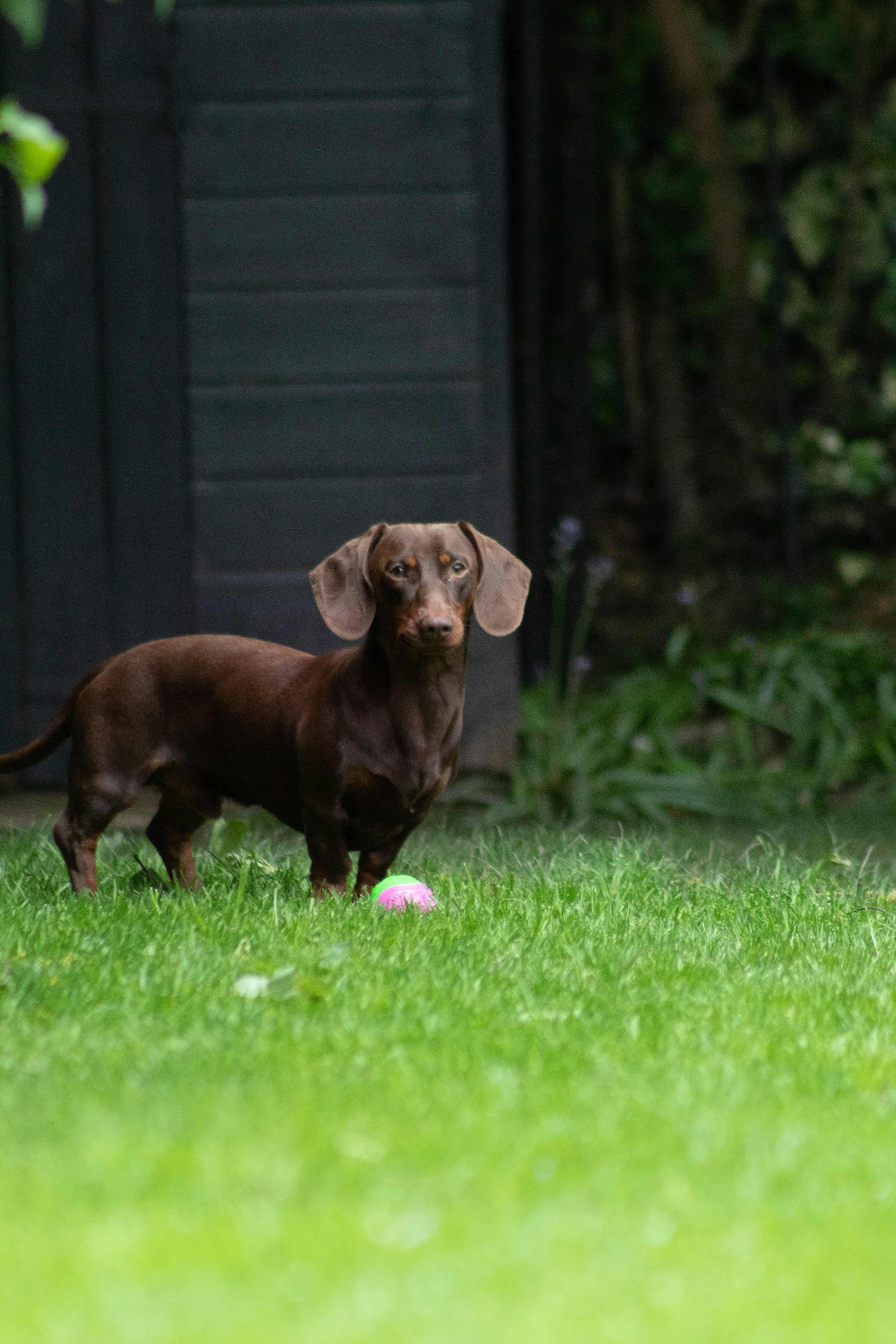
Dachshund

Dachshund

Hound Small Medium energy

Dachshunds are bold, funny hounds that suit owners who can manage their barking, back care, and stubborn streak without expecting a tiny pushover.

Miniature Dachshund

Miniature Dachshund

Hound Small Medium energy

Miniature Dachshunds are tiny hounds with long bodies, short legs, big voices, and brave personalities. They fit best with owners ready for barking, patient training, weight control, careful jumping and stair habits, and steady daily activity.

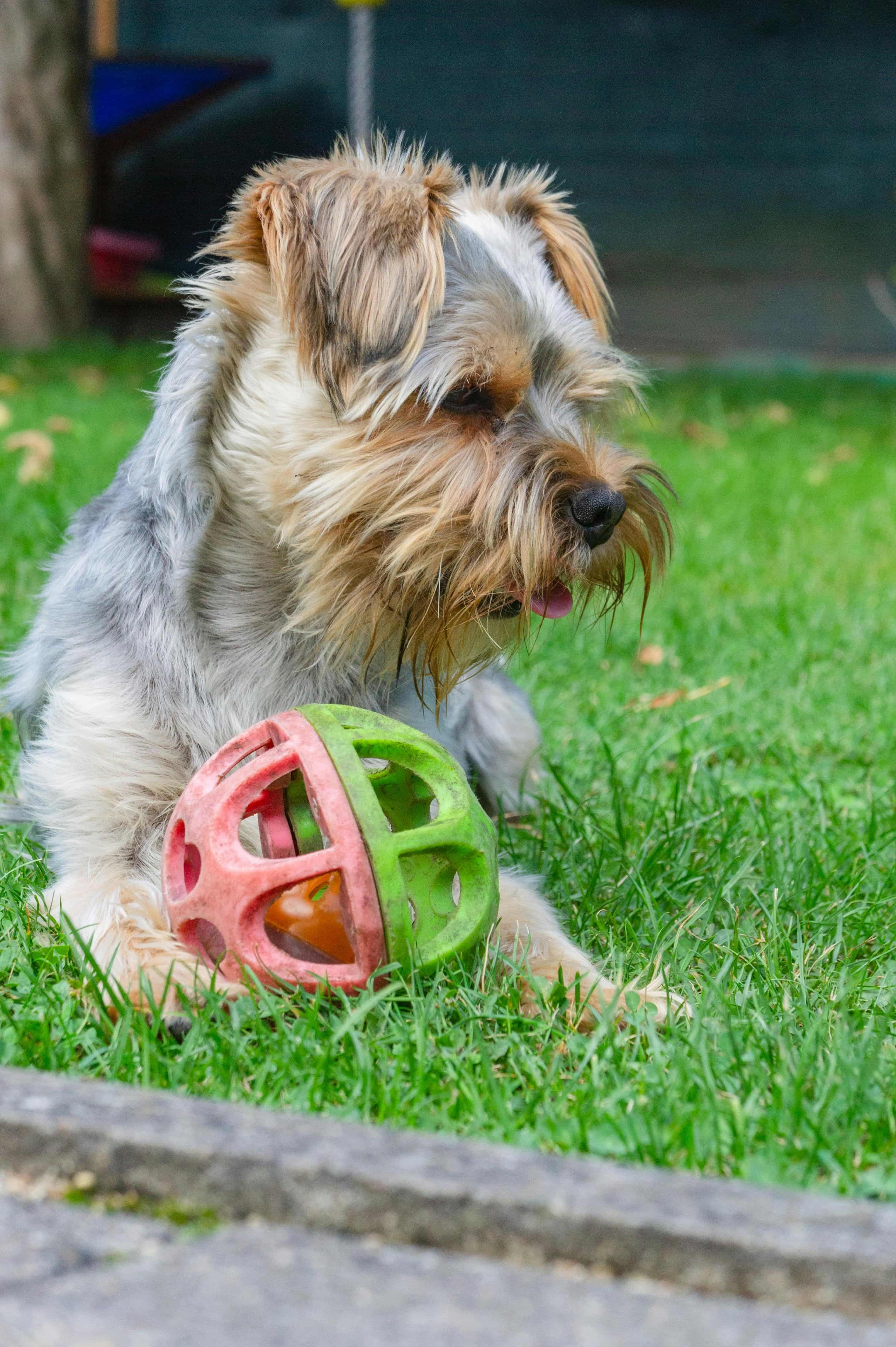
Yorkshire Terrier

Yorkshire Terrier

Toy Toy High energy

Yorkshire Terriers are bold toy-size companions best for owners who want a portable dog and can stay ahead of grooming, barking, and fragile handling.

Pomeranian

Pomeranian

Toy Toy Medium energy

People are often drawn to the Pomeranian for its huge coat, fox-like face, and oversized confidence. This breed fits best when a home wants a tiny companion with real opinions, can stay ahead of barking and grooming, and understands that small size does not remove the need for training, supervision, or daily routine.

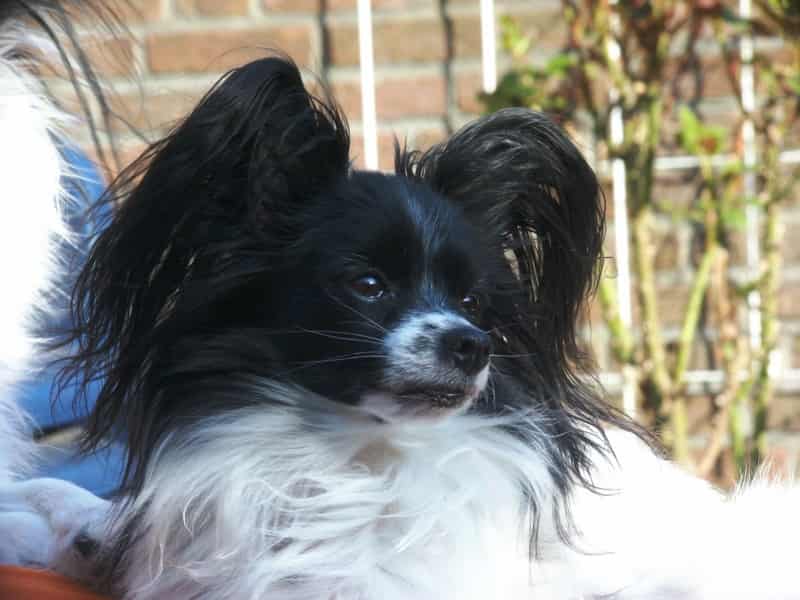
Papillon

Papillon

Toy Toy High energy

Papillons are tiny toy dogs with butterfly-like ears, quick brains, and more energy than their delicate look suggests. They can fit apartments and gentle small-dog homes when owners plan for barking, daily activity, safe handling, brushing, dental care, and positive training.

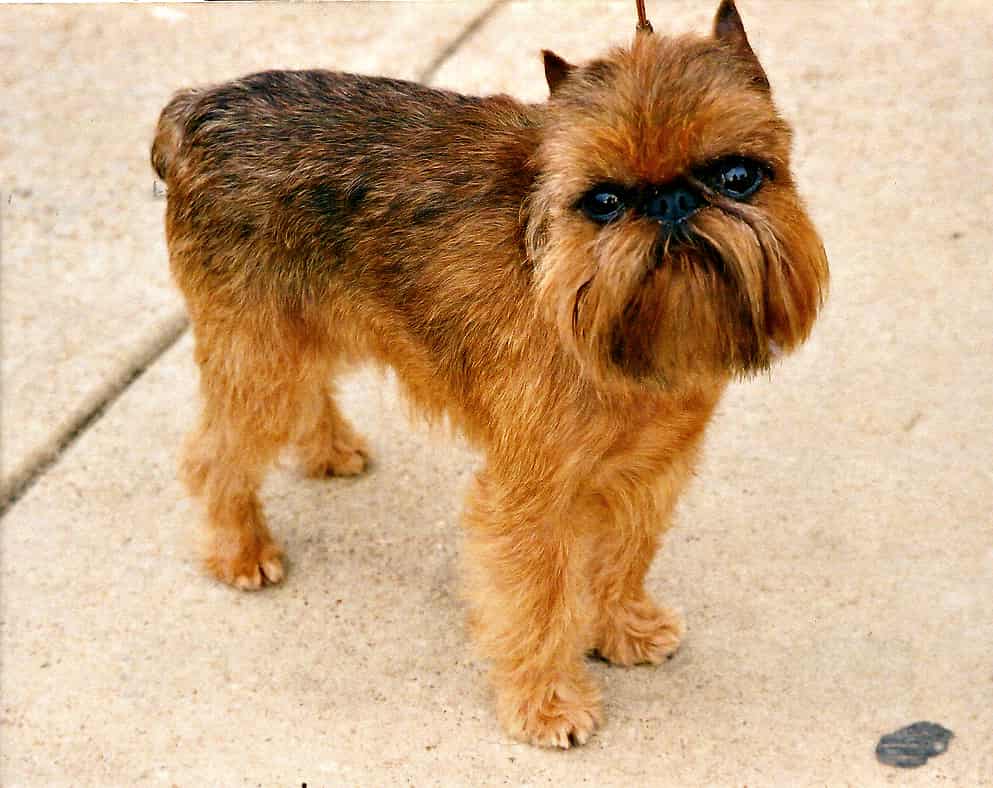
Brussels Griffon

Brussels Griffon

Toy Toy Medium energy

Brussels Griffons are tiny toy companions with loyal, alert, funny personalities and a strong need to stay close to their people. They can fit apartments and smaller homes when owners plan for barking, gentle handling, grooming, dental care, eye protection, and heat-safe short-faced care.

Havanese

Havanese

Toy Small Medium energy

People are often drawn to the Havanese for its funny, intelligent, and outgoing mix wrapped in a small toy frame. They fit best when family households that want a dog involved in everyday home life can plan around coat upkeep and grooming and noise management instead of treating the breed like a plug-and-play match.

Toy Poodle

Toy Poodle

Toy Toy High energy

Toy Poodles are tiny dogs with outsized brains, springy energy, and a strong habit of staying tuned in to their people. They fit homes that want a highly trainable companion in a very small body and do not mind regular grooming, daily mental stimulation, and the alert barking that can come with a bright toy breed.

Pug

Pug

Toy Small Medium energy

Pugs are affectionate little companion dogs with a funny streak, a strong habit of staying close to their people, and a much more hands-on care profile than their small size suggests. They usually fit best in homes that want a true indoors-first dog and are realistic about shedding, heat sensitivity, noisy breathing, and regular day-to-day upkeep. A Pug can be a great match for families, kids, and homes with other dogs, but the right fit depends on gentle handling, clear routines, and owners who do not mistake small for low maintenance.

Breed Traits

Energy Level3/5
Trainability3/5
Shedding3/5
Health Concerns3/5
Barking Tendency4/5
Good with Kids3/5
Good with Dogs3/5