Browse Breeds A-Z
Toy Group

Papillon

AlertFriendlyHappy
Papillon

Height

8-11 inches

Weight

About 5-10 pounds

Life Expectancy

14-16 years

Size

Toy

What Papillons are like

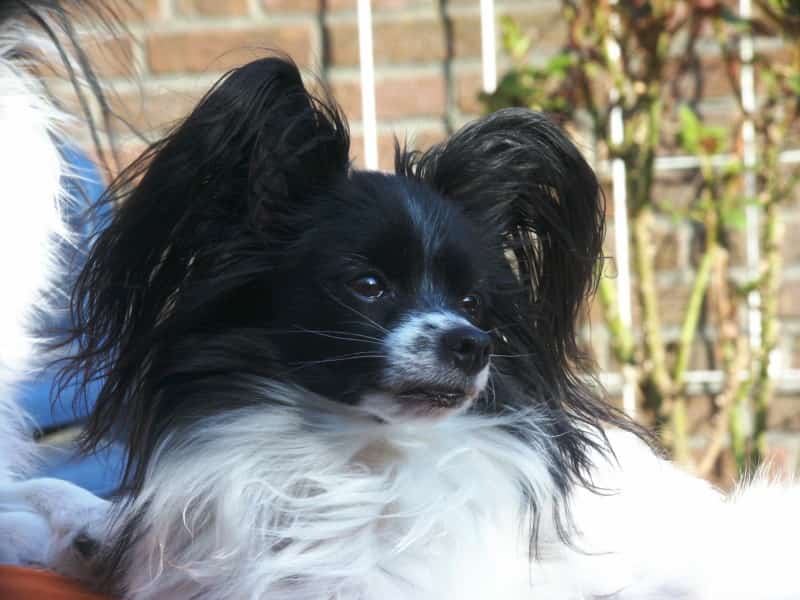
Papillons are tiny toy dogs with butterfly-like ears, quick brains, and more energy than their delicate look suggests. They can fit apartments and gentle small-dog homes when owners plan for barking, daily activity, safe handling, brushing, dental care, and positive training.

Is the Papillon right for your home?

Best match for...

Gentle Handling Homes
Training Ready Homes
Alert Dog Fans

Strong fit if...

Tiny dog with a big brain

You want a small, cheerful companion that learns quickly and enjoys tricks, puzzle toys, leash skills, and everyday training games.

Gentle small-dog home

Your household can protect a fine-boned toy dog with safe lifting, careful furniture habits, supervised play, and respectful children.

Alert companion appeals to you

You like a dog that notices visitors, hallway noise, wildlife, and changes around the home, and you can teach barking rules early.

Daily activity is realistic

A Papillon does not need marathon exercise, but walks, indoor play, sniffing, and short training games need to stay on the calendar.

Think twice if...

You need a very quiet dog

Papillons can bark at sounds, doorbells, visitors, other dogs, boredom, or excitement. Training helps, but the alert streak is real.

Rough young-child play

Toddlers who grab, drop, chase, or fall on tiny dogs can accidentally hurt a Papillon, even when the dog is affectionate with family.

Low-effort lap dog expectations

The coat is manageable, but brushing, dental care, nail trims, training, and mental exercise still belong in the routine.

Off-leash freedom matters

A Papillon is quick and curious, so open doors, unfenced yards, and busy streets need leash habits, gates, and careful management.

What daily life feels like

Daily life

A tiny dog that wants a job

Papillons often follow family movement, watch routines, learn quickly, and jump into games with real enthusiasm when they have useful outlets.

Daily life

Apartment-friendly with stimulation

The size fits apartments, condos, and city homes, but quiet cues, blocked window views, daily walks, and a settle routine make shared-wall life easier.

Daily life

More athletic than the look suggests

Many Papillons enjoy tricks, low agility-style games, fetch in short bursts, and controlled play. Keep jumps low and safe for a tiny body.

Daily life

Fine coat without heavy coat work

Brush several times a week, especially around the ear fringe, chest, tail, belly, and backs of the legs where tangles can form.

Training and handling

Training

Use the brain kindly

Short upbeat lessons for name response, come, wait, leave it, leash walking, settle, handling, and calm greetings usually work well.

Training

Teach barking rules early

Reward the first calm pause, teach a quiet cue, and give the dog a place to settle after a doorbell, knock, or window trigger.

Training

Practice safe doors, stairs, and furniture

Use gates, leashes, low steps or ramps where helpful, and children should support the chest and rear and let the dog walk away.

Training

Socialize for confidence

Introduce visitors, children, friendly dogs, grooming tools, car rides, vet handling, city noise, and new surfaces in small positive steps.

Health and cost

Plan for it

Knees and movement need watching

Call a veterinarian for limping, skipping on a back leg, pain, or avoiding stairs. If your Papillon suddenly cannot stand or walk, will not bear weight, drags a leg, loses bladder or bowel control, or cries in severe pain, limit movement and contact an emergency veterinarian right away.

Plan for it

Eyes, teeth, and screening belong in the plan

Ask about eye exams, knee checks, dental history, heart history, and genetic testing. Sudden eye pain, an eye injury, a bulging eye, or sudden vision loss means you should contact an emergency veterinarian right away.

Plan for it

Breathing and puppy weakness need quick action

Trouble breathing, blue or pale gums, collapse, severe weakness, or open-mouth breathing at rest is an emergency. Sudden wobbliness, trembling, extreme sleepiness, weakness, or a seizure in a very small puppy should be treated as urgent; contact an emergency veterinarian immediately.

Plan for it

Budget beyond food

The long-term plan includes high-quality food, preventive vet care, dental cleanings, training help, grooming tools, safe harnesses, boarding, and emergency savings.

Did you know?

The name points to the ears

Papillon means butterfly, which fits the breed's large fringed ears. A drop-eared version is often called a Phalene.

Dainty look, sporty side

Papillons may look fancy, but many are quick, clever, and game for training. Their small size makes the work scaled down, not optional.

The coat is lighter than it looks

The long coat can look high-maintenance, but it is fine and silky rather than heavy. Brushing still matters around the ears and feathering.

Small does not mean allergy-proof

Papillons are not truly hypoallergenic. Allergies depend on the person, the dog, grooming, cleaning, and time spent around the breed.

More ways to compare the Papillon

Papillon FAQ

FAQ

Are Papillon dogs good pets?

Papillon dogs can be excellent pets for people who want a small, bright, affectionate companion and can provide gentle handling, daily activity, training, and dental care.

FAQ

Are Papillons high maintenance?

Papillons are moderate-maintenance. The coat is easier than many long coats, but brushing, dental care, safe handling, training, barking management, and mental exercise still take steady attention.

FAQ

Do Papillon dogs bark a lot?

Many Papillons are alert barkers. Doorbells, visitors, window activity, other dogs, excitement, or boredom can all trigger barking.

FAQ

Are Papillon dogs hypoallergenic?

No dog is truly hypoallergenic. Papillons still produce dander and saliva proteins that can trigger allergies, so allergy-sensitive homes should spend time around the breed first.

FAQ

How much exercise does a Papillon need?

Most healthy adult Papillons need daily walks, play, sniffing time, and training games. They do not need hard endurance work, but one potty break is usually not enough.

FAQ

Are Papillons good with kids?

Papillons can do well with respectful, supervised children. Older children who understand gentle handling are usually a better match than toddlers.

FAQ

Can Papillons be left alone all day?

Some adult Papillons can learn a normal alone-time routine, but many are people-focused and can become barky or stressed if left alone too long.

FAQ

How long do Papillons live?

Papillons often live around 14-16 years. Dental care, healthy weight, safe handling, regular vet visits, and quick attention to eye, breathing, movement, or puppy-weakness signs help protect quality of life.

FAQ

What are the disadvantages of a Papillon dog?

The main challenges are barking, fragility, dental care, mental stimulation, safe handling, and possible small-breed health issues. A Papillon is tiny, but it is not a no-work dog.

FAQ

Papillon vs. Pomeranian: which is better?

Neither breed is better for everyone. A Papillon often feels more spaniel-like, athletic, fine-boned, and highly trainable; a Pomeranian is usually fluffier, more compact, and also alert.
Breeds similar to the Papillon

Browse all breeds
Pomeranian

Pomeranian

Toy Toy Medium energy

People are often drawn to the Pomeranian for its huge coat, fox-like face, and oversized confidence. This breed fits best when a home wants a tiny companion with real opinions, can stay ahead of barking and grooming, and understands that small size does not remove the need for training, supervision, or daily routine.

Chihuahua

Chihuahua

Toy Toy High energy

Chihuahuas are tiny, alert companion dogs that fit homes ready for a close-shadow dog, gentle handling, and steady training so barking and guarding do not run the house.

Cavalier King Charles Spaniel

Cavalier King Charles Spaniel

Toy Small Medium energy

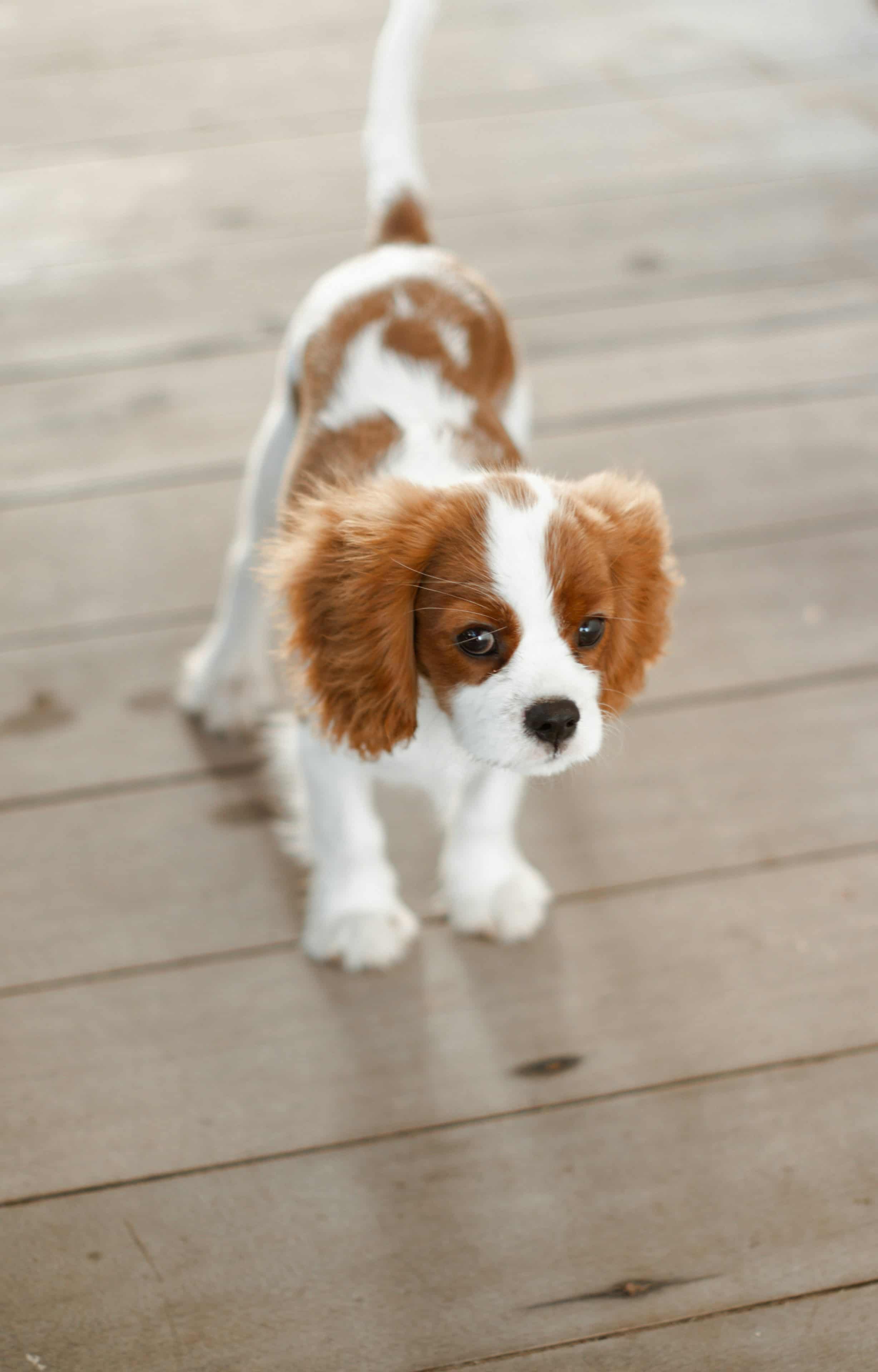
Cavalier King Charles Spaniels are affectionate toy companions that fit many homes, but they need regular grooming and careful health screening.

Toy Poodle

Toy Poodle

Toy Toy High energy

Toy Poodles are tiny dogs with outsized brains, springy energy, and a strong habit of staying tuned in to their people. They fit homes that want a highly trainable companion in a very small body and do not mind regular grooming, daily mental stimulation, and the alert barking that can come with a bright toy breed.

Havanese

Havanese

Toy Small Medium energy

People are often drawn to the Havanese for its funny, intelligent, and outgoing mix wrapped in a small toy frame. They fit best when family households that want a dog involved in everyday home life can plan around coat upkeep and grooming and noise management instead of treating the breed like a plug-and-play match.

Maltese

Maltese

Toy Toy Medium energy

Maltese dogs are tiny companion dogs known for a gentle, affectionate temperament and a long silky white coat that sheds less than many breeds but needs regular upkeep. They often fit people who want a very close house dog that can handle apartment-sized living, but the breed is not effortless: brushing, dental care, house-training patience, and careful handling all matter more than the size suggests.

Yorkshire Terrier

Yorkshire Terrier

Toy Toy High energy

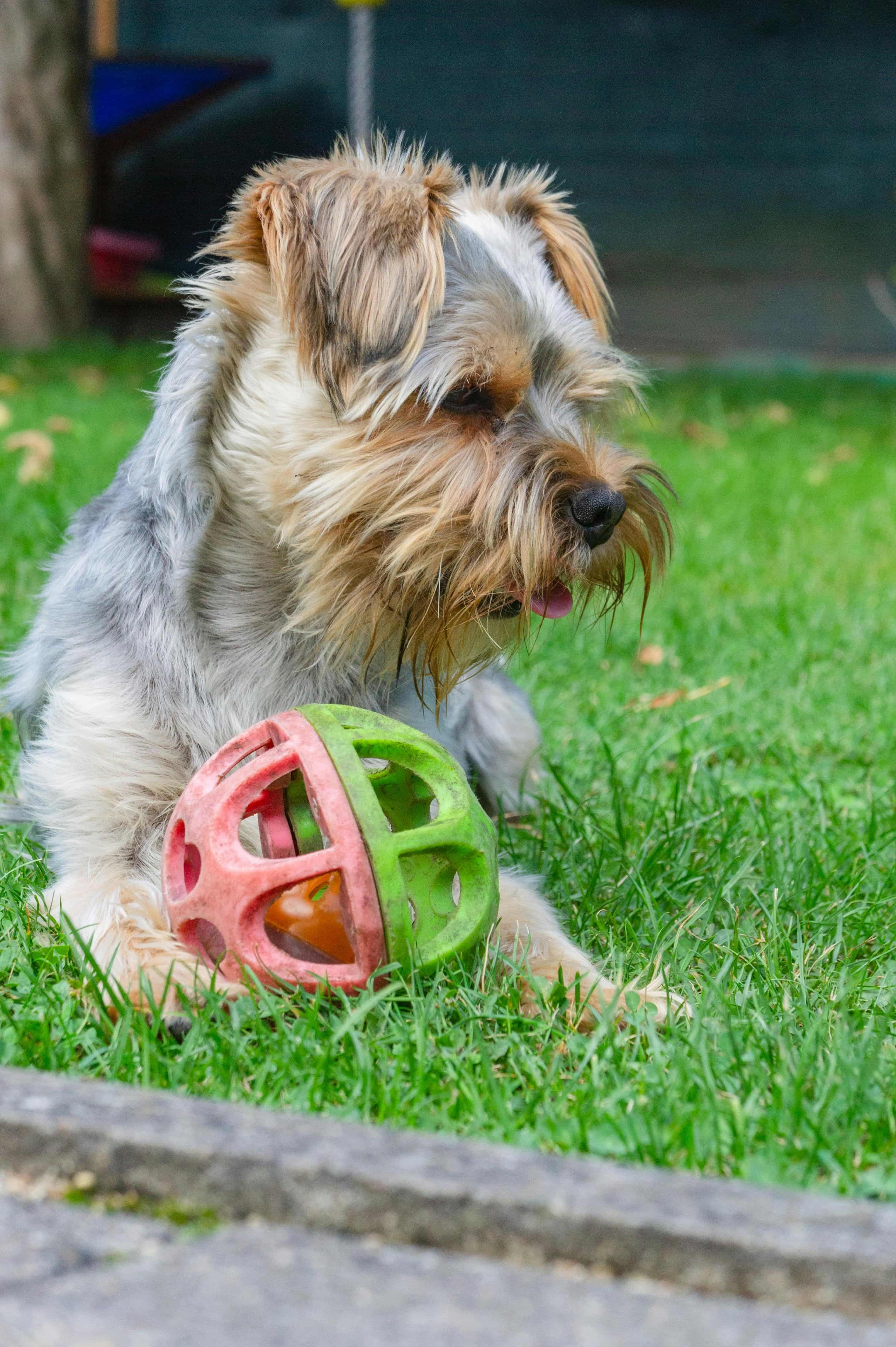
Yorkshire Terriers are bold toy-size companions best for owners who want a portable dog and can stay ahead of grooming, barking, and fragile handling.

Bichon Frise

Bichon Frise

Non-Sporting Small High energy

Bichon Frises typically pair curious, peppy, and playful traits with the presence of a small non-sporting dog. They are often strongest fits for family households that want a dog involved in everyday home life, especially when the household can stay on top of daily exercise, mental work, and coat upkeep.

Breed Traits

Energy Level4/5
Trainability5/5
Shedding3/5
Health Concerns3/5
Barking Tendency4/5
Good with Kids3/5
Good with Dogs4/5