Pug
Height
10-13 inches
Weight
14-18 pounds
Life Expectancy
13-15 years
Size
Small
About the Pug
The Pug is a small toy breed that tends to come across as charming, loving, and mischievous once it settles in. They usually make the most sense for family households that want a dog involved in everyday home life and owners who are realistic about heat and breathing-related management and regular coat cleanup.
The Good
- Smaller footprint can make day-to-day logistics easier in many homes
- Moderate energy can be easier to slot into a regular weekly rhythm
- Can be rewarding for family households when supervision and training stay thoughtful
The Bad
- Heavy shedding can add a lot of brushing and vacuuming to normal upkeep
- Hot weather can shrink the margin for error during exercise and travel
- Breed fit still depends on training, socialization, and honest lifestyle matching
Is this dog right for you?
Best match for...
Similar breeds to check out
Browse all breedsCavalier King Charles Spaniel
Toy • Small • Medium energy
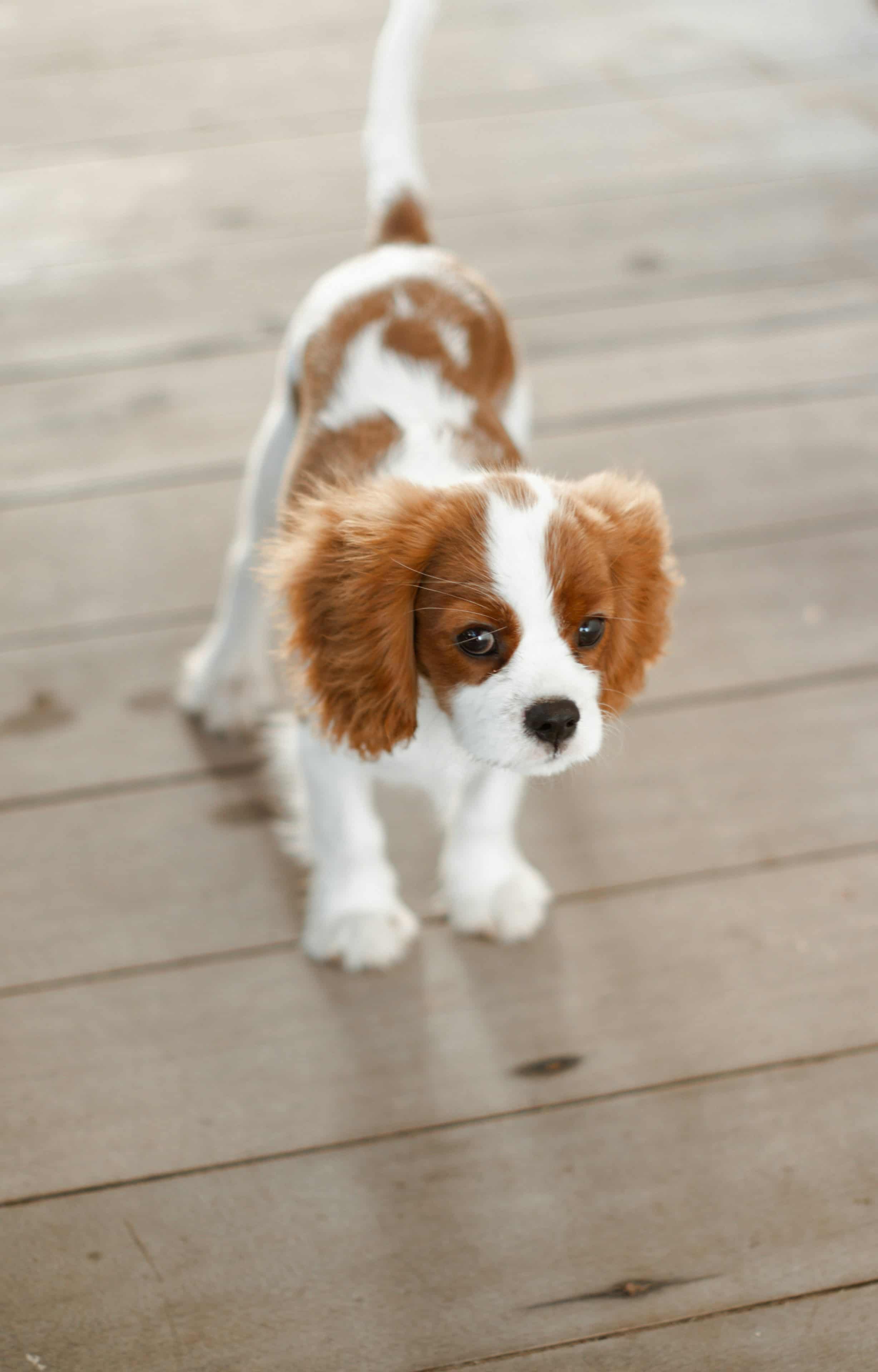
Cavalier King Charles Spaniels are small companion dogs known for a soft expression and a generally sweet, social way of moving through the world. They suit homes that want a friendly lap dog with a little sporting-dog bounce still left in the tank.
Shih Tzu
Toy • Small • Medium energy
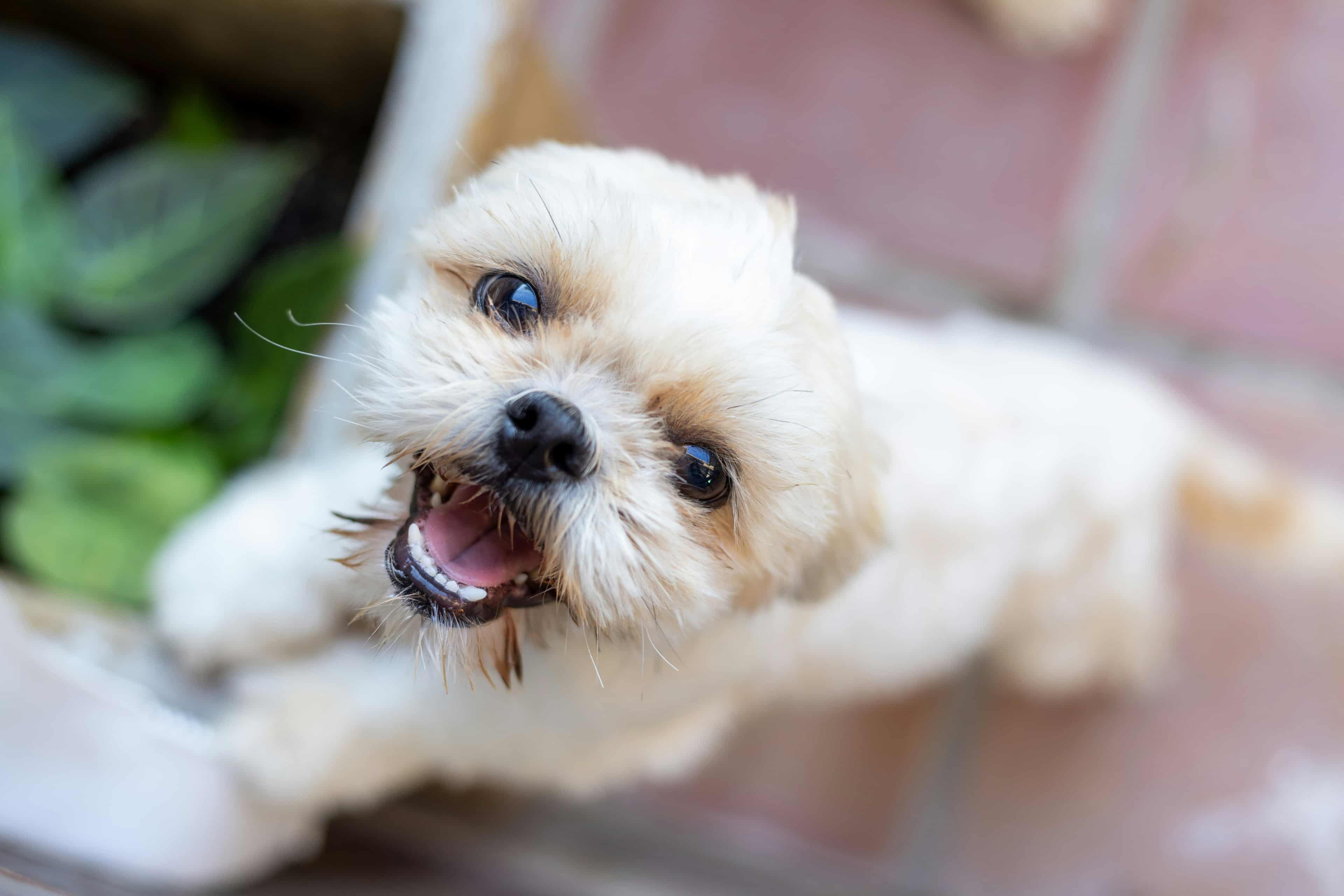
Shih Tzus are companion dogs first and foremost: small, outgoing, and happiest when they can orbit their favorite people. They fit homes that want affection and charm in a compact package and do not mind regular grooming.
Pomeranian
Toy • Toy • Medium energy
People are often drawn to the Pomeranian for its bold, inquisitive, and lively mix wrapped in a toy-size toy frame. They fit best when households looking for a breed with a clear lifestyle fit can plan around coat upkeep and grooming and noise management instead of treating the breed like a plug-and-play match.
Beagle
Hound • Small • High energy
Beagles are cheerful scent hounds that usually bring curiosity, food motivation, and a pack-dog social life to the table. They fit best with homes that can laugh a little, train consistently, and give them room to sniff and move.