Browse Breeds A-Z
Toy Group

Pomeranian

BoldAlertPlayful
Pomeranian

Height

6-7 inches

Weight

3-7 pounds

Life Expectancy

12-16 years

Size

Toy

What Pomeranians are like

People are often drawn to the Pomeranian for its huge coat, fox-like face, and oversized confidence. This breed fits best when a home wants a tiny companion with real opinions, can stay ahead of barking and grooming, and understands that small size does not remove the need for training, supervision, or daily routine.

Is the Pomeranian right for your home?

Best match for...

Families

Strong fit if...

Tiny dog, real personality

Pomeranians fit best with people who want a confident, lively small dog with opinions, not a passive lap dog who never makes noise.

Smaller-home routine

Apartments and smaller homes can work well when the routine still includes short walks, training practice, and close daily company.

You can stay ahead of coat and manners

The best fit is a home ready for brushing, barking management, polite greeting practice, and general supervision instead of assuming tiny means easy.

Think twice if...

You want a naturally quiet dog

Pomeranians are alert little watchdogs, so doorbells, hall noise, neighbors, and delivery drops can all turn into barking without training.

Rough handling is normal

Toy size means falls, grabby kid play, and rowdy bigger-dog interactions can become injury risks much faster than people expect.

You want wash-and-go grooming

That fluffy double coat needs regular brushing and real shedding cleanup, even if the dog is small enough to carry around.

What daily life feels like

Daily life

Short walks plus hangout time

Most adults do well with modest daily exercise, indoor play, and lots of normal household company rather than marathon adventure plans.

Daily life

Hair and brushing are still part of life

The breed's big coat is part of the charm, but so are brushing sessions, seasonal shedding, and extra grooming around the rear, chest, and legs.

Daily life

They notice everything

Pomeranians tend to clock visitors, hallway sounds, and movement outside quickly, which feels charming only when calm routines are already in place.

Training and handling

Training

Train the watchdog streak early

Reward quiet check-ins, polite greetings, and calm recovery so alert barking does not become the dog's whole social strategy.

Training

Socialize without coddling

Build confidence around people, places, and calm dogs instead of carrying the dog through every new situation and skipping exposure practice.

Training

House training takes consistency

A small bladder, bad-weather hesitation, and easy-to-miss signals mean routines, repetition, and patience matter more than first-time owners expect.

Health and cost

Plan for it

Dental care comes up a lot

Small crowded mouths make plaque, tartar, and dental disease one of the most common recurring care jobs for the breed.

Plan for it

Knees and windpipe deserve attention

Luxating patella and tracheal collapse are common enough concerns that lean body condition, a harness, and smart activity choices matter.

Plan for it

Small dog, real upkeep budget

Professional grooming, dental cleanings, coat tools, and regular vet care can make this tiny companion costlier to maintain than size suggests.

Did you know?

Named for Pomerania

The breed takes its name from the Pomerania region of northern Europe, even though the dogs people know today are much smaller than the early versions.

Queen Victoria helped popularize the toy size

The breed's shift toward a smaller companion dog took off after Queen Victoria became known for keeping very small Pomeranians.

The coat is a double coat

That cloud-like look comes from a dense undercoat plus a harsher outer coat, which is why Pomeranians shed more than many first-time owners assume.

They often act bigger than they are

A lot of Pomeranians carry themselves like much larger watchdogs, which is part of the fun and also why manners work matters.

Breeds similar to the Pomeranian

Browse all breeds
Maltese

Maltese

Toy Toy Medium energy

Maltese dogs are tiny companion dogs known for a gentle, affectionate temperament and a long silky white coat that sheds less than many breeds but needs regular upkeep. They often fit people who want a very close house dog that can handle apartment-sized living, but the breed is not effortless: brushing, dental care, house-training patience, and careful handling all matter more than the size suggests.

Pug

Pug

Toy Small Medium energy

Pugs are affectionate little companion dogs with a funny streak, a strong habit of staying close to their people, and a much more hands-on care profile than their small size suggests. They usually fit best in homes that want a true indoors-first dog and are realistic about shedding, heat sensitivity, noisy breathing, and regular day-to-day upkeep. A Pug can be a great match for families, kids, and homes with other dogs, but the right fit depends on gentle handling, clear routines, and owners who do not mistake small for low maintenance.

Chihuahua

Chihuahua

Toy Toy High energy

Chihuahuas are tiny, alert companion dogs that fit homes ready for a close-shadow dog, gentle handling, and steady training so barking and guarding do not run the house.

Shih Tzu

Shih Tzu

Toy Small Medium energy

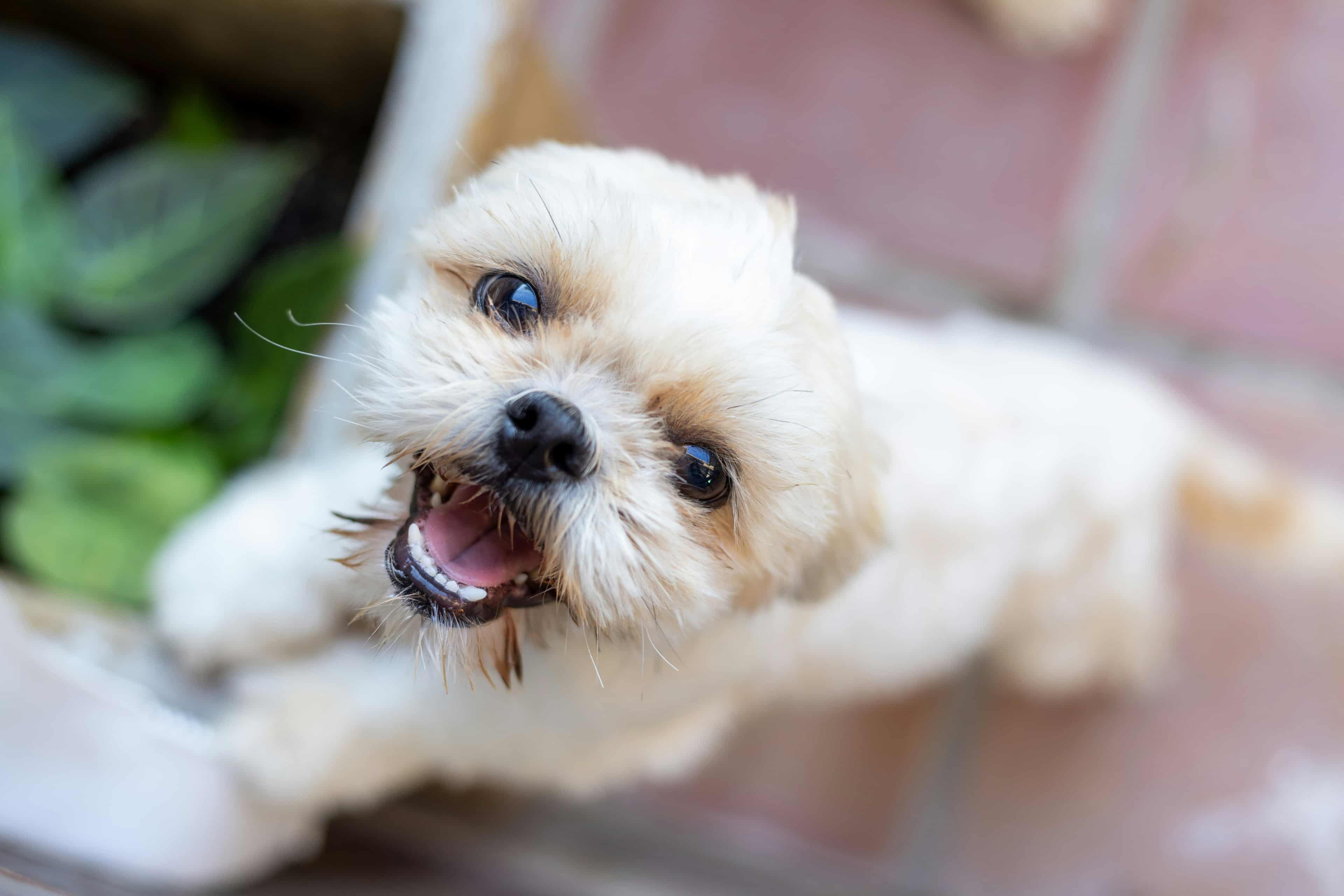
Shih Tzus are compact companion dogs bred to stay close to their people, not to power through all-day activity. They usually fit homes that want an affectionate, adaptable small dog and are ready for regular grooming, gentle daily exercise, and extra care around eyes, teeth, and hot weather.

Cavalier King Charles Spaniel

Cavalier King Charles Spaniel

Toy Small Medium energy

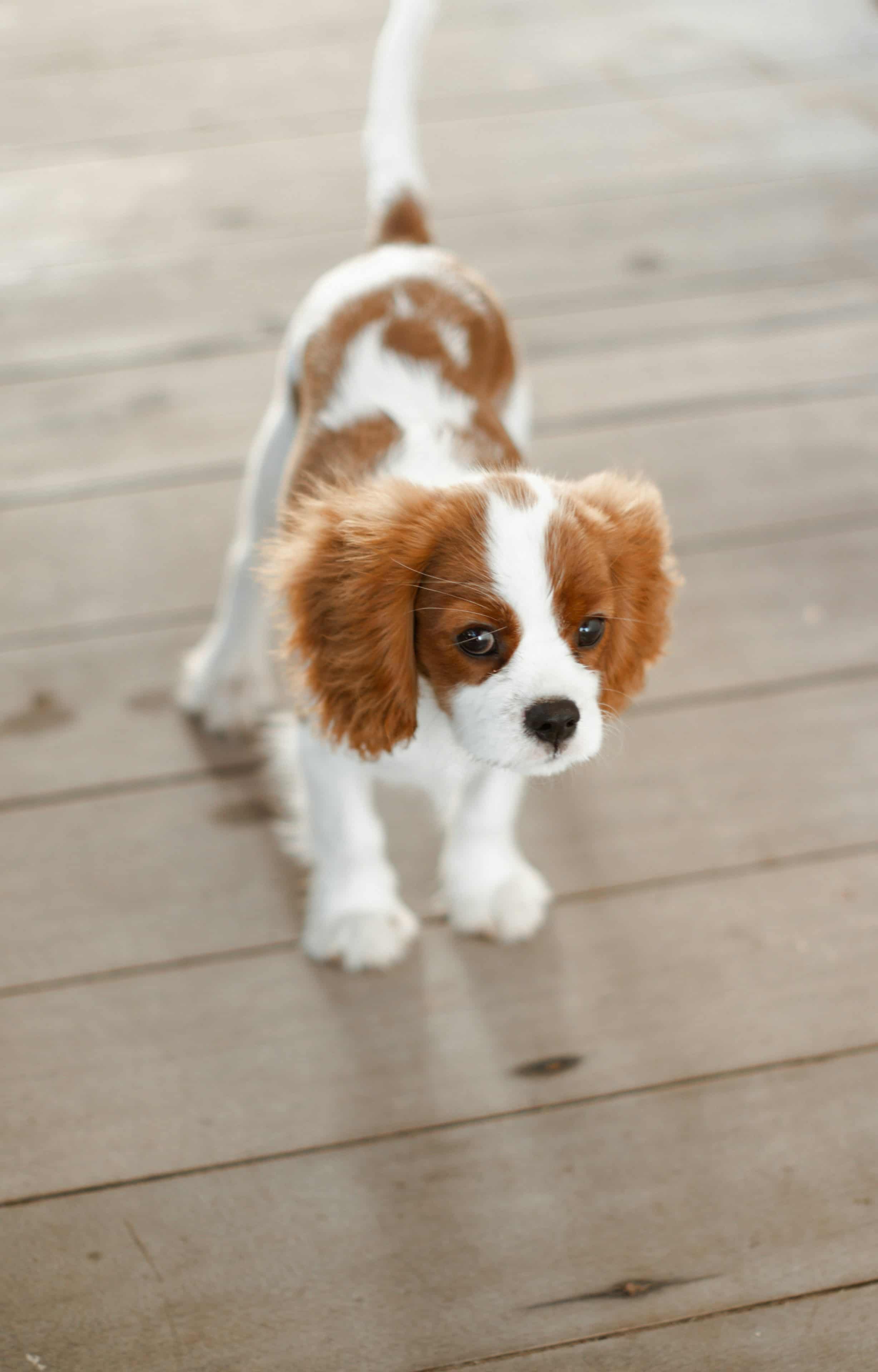
Cavalier King Charles Spaniels are affectionate toy companions that fit many homes, but they need regular grooming and careful health screening.

Havanese

Havanese

Toy Small Medium energy

People are often drawn to the Havanese for its funny, intelligent, and outgoing mix wrapped in a small toy frame. They fit best when family households that want a dog involved in everyday home life can plan around coat upkeep and grooming and noise management instead of treating the breed like a plug-and-play match.

Breed Traits

Energy Level3/5
Trainability3/5
Shedding5/5
Health Concerns3/5
Barking Tendency5/5
Good with Kids3/5
Good with Dogs3/5