Browse Breeds A-Z
Sporting Group

Chesapeake Bay Retriever

LoyalIntelligentProtective
Chesapeake Bay Retriever

Height

23-26 inches (male), 21-24 inches (female)

Weight

65-80 pounds (male), 55-70 pounds (female)

Life Expectancy

About 10-13 years

Size

Large

What Chesapeake Bay Retrievers are like

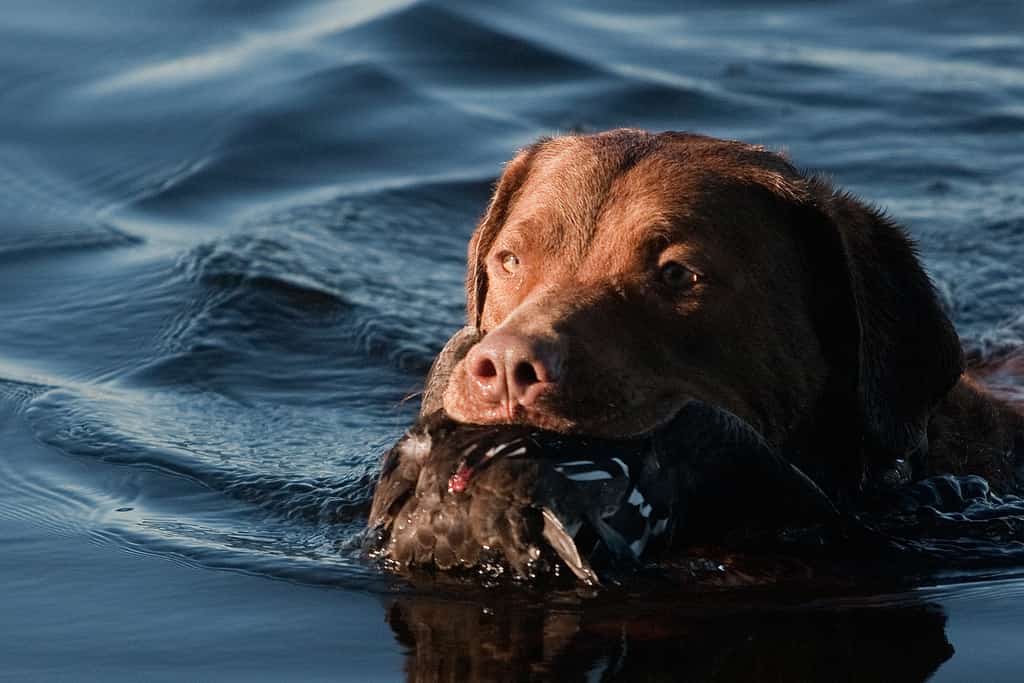
The Chesapeake Bay Retriever is a powerful American sporting dog built for cold water, long retrieves, and close loyalty to its people. Fans often call the breed the Chessie. A good Chessie is usually smart, affectionate with family, steady, brave, and very committed to its home.

Chessies are retrievers, but they are often more serious, protective, independent, and reserved with strangers than the easy-social retrievers many people picture. A well-raised dog can be a loyal house dog, a focused field partner, a strong swimmer, and a funny companion with its own opinions.

The same traits can be hard in a casual home. Without enough exercise, socialization, and clear rules, this breed may become pushy, suspicious, destructive, or hard to steer around visitors, dogs, wildlife, and water.

Is the Chesapeake Bay Retriever right for your home?

Best match for...

Active Families
Water Dog Homes
Training Ready Homes

Strong fit if...

You want a loyal, involved dog

Chessies usually bond deeply with their people and want to be part of the household, not left outside as yard dogs.

You enjoy outdoor routines

Swimming, retrieving, hiking, field work, long walks, and structured play are all natural outlets for this breed.

You can be consistent

Chesapeake Bay Retrievers do best with calm rules, reward-based training, and owners who follow through without being harsh.

You like a watchful dog

Many Chessies are naturally alert and protective, which can suit homes that want a more serious retriever temperament.
Think twice if...

You want a social butterfly

A Chessie may be polite with guests, but many are not eager to greet every stranger like a best friend.

You need an easy first dog

This breed can be too independent, strong, and protective for owners who want a plug-and-play family pet.

You live a low-activity life

A bored Chesapeake Bay Retriever may chew, dig, bark, counter-surf, guard things, or invent jobs you do not like.

You cannot manage water, mud, and shedding

The coat is practical, but this is still a wet, outdoorsy, hair-shedding retriever.

What daily life feels like

Daily life

A serious retriever settles after real work

A useful day can include a brisk walk, retrieving games with rules, swimming, a hike, scent games, obedience practice, or field-style work. One short stroll is rarely enough for a young healthy adult.

Daily life

Water is part of the package

Many Chessies love swimming, carrying objects, and retrieving from water. Fetch with rules, swimming, search games, long-line recall games, and training around water can give those instincts a safe outlet.

Daily life

Apartment life is possible, but hard mode

A committed owner can make a smaller home work, but daily outdoor exercise, quiet routines, leash manners, visitor management, and less window watching need to be real parts of the plan.

Daily life

Family life needs supervision and rules

Many Chessies can be loving family dogs, but adult supervision, early socialization, clear household rules, and slow introductions around other dogs and pets are essential.

Daily life

The coat is rugged, not maintenance-free

Weekly brushing is a good baseline, with more brushing during seasonal shedding. A rubber curry brush, slicker brush, or undercoat tool can help remove loose undercoat.

Daily life

Do not over-bathe the coat

Natural oils help make the coat water-resistant. Bathe when the dog is dirty or smelly, dry the ears after swimming, and keep up with nails, teeth, paw, skin, and ear checks.

Training and handling

Training

Start socialization early and keep it steady

Expose a puppy calmly and positively to guests, children, friendly dogs, car rides, grooming, vet handling, leashes, doorbells, bikes, runners, water, and busy outdoor spaces. The goal is calm recovery and reliable cues, not forced greetings.

Training

Use fair, reward-based training

Chessies are intelligent and quick to learn, but can be independent. Clear rules, food rewards, toys, retrieving rewards, praise, and short focused sessions usually work better than heavy-handed handling.

Training

Recall and impulse control are not optional

Use a leash or long line until recall is dependable around ducks, squirrels, water, thrown balls, other dogs, and moving children. Practice check-ins, door manners, car exits, toy release, and waiting before swimming or retrieving.

Training

Manage protectiveness quietly

Do not let a young Chessie practice rushing visitors, blocking doorways, guarding the yard, or deciding who belongs in the home. Use structure, planned introductions, and qualified reward-based help early for escalating fear, guarding, lunging, or biting.

Health and cost

Plan for it

Ask about documented health screening

Ask breeders, rescues, and veterinarians about hip and elbow evaluation, eye exams, progressive retinal atrophy, exercise-induced collapse, degenerative myelopathy, and family history of orthopedic, eye, thyroid, seizure, allergy, or heart concerns.

Plan for it

Know the urgent signs of bloat

A swollen or tight belly, repeated unproductive retching, drooling, pacing, restlessness, weakness, pale gums, collapse, or a dog stretching as if uncomfortable can indicate a life-threatening emergency. Contact an emergency veterinarian immediately.

Plan for it

Take collapse, eye pain, and movement changes seriously

Stop activity and contact a veterinarian for sudden weakness, wobbliness, or collapse. Painful, injured, suddenly cloudy, or suddenly blind-looking eyes need urgent care. Severe pain, inability to walk, dragging a leg, collapse, or loss of bladder or bowel control is an emergency.

Plan for it

Budget for the whole dog

Plan for food, preventive veterinary care, training, secure gear, waterproof cleanup, grooming tools, tick prevention, dental care, boarding or pet sitting, and emergency savings. Health, temperament, breeder or rescue support, and daily-life fit matter more than a quick or cheap placement.

Did you know?

The breed is an American original

The Chesapeake Bay Retriever developed around the Chesapeake Bay as a hard-working waterfowl retriever. Its history is tied to Maryland, cold water, market hunting, and repeated retrieves in rough conditions.

Chessies are known for amber eyes and earthy coat colors

The classic look includes clear yellowish or amber eyes and a coat in brown, sedge, or deadgrass shades that helped the dog blend into marshy working surroundings.

The coat should shed water

A correct Chessie coat should resist water and dry quickly after the dog shakes. That oily feel surprises some new owners, but it is part of the breed's cold-water utility.

The breed can be funny at home

People often focus on the Chessie's serious working side, but many are playful, expressive, and affectionate once they trust their people.

More ways to compare the Chesapeake Bay Retriever

Chesapeake Bay Retriever FAQ

FAQ

Is a Chesapeake Bay Retriever a good family dog?

Yes, a Chesapeake Bay Retriever can be a good family dog for active homes that provide training, exercise, and supervision. The breed is often loyal and affectionate with family, but it is usually better for homes that can manage size, protectiveness, and strong working instincts.

FAQ

Are Chesapeake Bay Retrievers good house dogs?

They can be excellent house dogs after enough exercise and training. A bored or underworked Chessie may become destructive, pushy, noisy, or overprotective. This breed does best when it has outdoor outlets and clear indoor rules.

FAQ

Are Chesapeake Bay Retrievers good for first-time owners?

They are usually not the easiest first dog. A prepared first-time owner with trainer support, time, and a strong routine may succeed, but many beginners will find the breed's strength, independence, and protective nature challenging.

FAQ

Can a Chesapeake Bay Retriever live in an apartment?

A Chesapeake Bay Retriever can live in an apartment only with a very committed owner. The harder parts are exercise, barking, visitor management, wet-dog cleanup, and calm routines in shared spaces.

FAQ

How much exercise does a Chesapeake Bay Retriever need?

Most healthy adult Chesapeake Bay Retrievers need vigorous daily exercise plus mental work. Walks, swimming, retrieving games, hikes, obedience, scent games, and field-style training can all fit. A short walk around the block is usually not enough.

FAQ

Do Chesapeake Bay Retrievers shed?

Yes. Chesapeake Bay Retrievers shed moderately and usually shed more during seasonal coat changes. Weekly brushing helps, with more brushing during heavier sheds.

FAQ

Are Chesapeake Bay Retrievers hypoallergenic?

No. Chesapeake Bay Retrievers are not hypoallergenic. They shed hair and dander, and their outdoor coat can carry pollen, dust, and debris.

FAQ

Are Chesapeake Bay Retrievers easy to train?

They are smart and capable, but not always easy. Many Chessies learn quickly when training is fair, consistent, and rewarding. They can be independent or stubborn if rules are unclear, sessions are boring, or handling is harsh.

FAQ

What health problems do Chesapeake Bay Retrievers have?

Health watchouts include hip and elbow dysplasia, progressive retinal atrophy and other eye disease, exercise-induced collapse, degenerative myelopathy, bloat, allergies, ear infections, thyroid concerns, seizures, and orthopedic injuries. Ask about health screening and work with a veterinarian who understands active large-breed dogs.

FAQ

What is the difference between a Chesapeake Bay Retriever and a Labrador Retriever?

Both are retrievers, but Chesapeake Bay Retrievers are often more protective, more reserved with strangers, more independent, and more serious than Labrador Retrievers. Labs are usually easier for typical family homes. Chessies often fit better with owners who want a tougher working retriever and can handle stronger boundaries.

FAQ

Why are Chesapeake Bay Retrievers called Chessies?

Chessie is the common nickname for the Chesapeake Bay Retriever. People use both names for the same breed.

FAQ

How long do Chesapeake Bay Retrievers live?

Chesapeake Bay Retrievers often live about 10-13 years. Healthy weight, conditioning, dental care, eye checks, responsible breeding or rescue screening, and quick veterinary attention for bloat signs, collapse, eye pain, or severe movement problems can help protect quality of life.

Breeds similar to the Chesapeake Bay Retriever

Browse all breeds
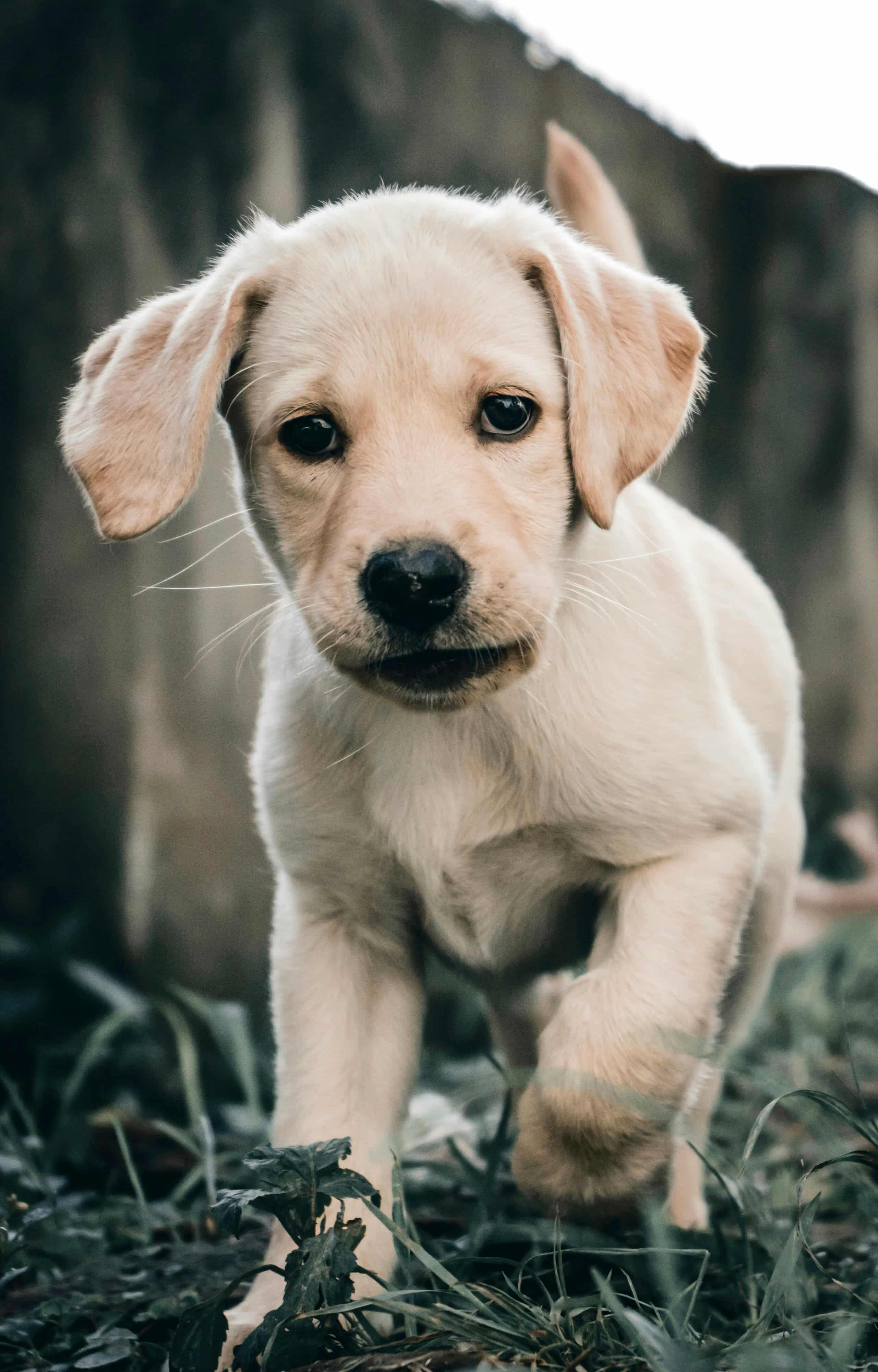
Labrador Retriever

Labrador Retriever

Sporting Large High energy

Labrador Retrievers are friendly, trainable sporting dogs best for active homes ready for daily exercise, heavy shedding, and lots of family time.

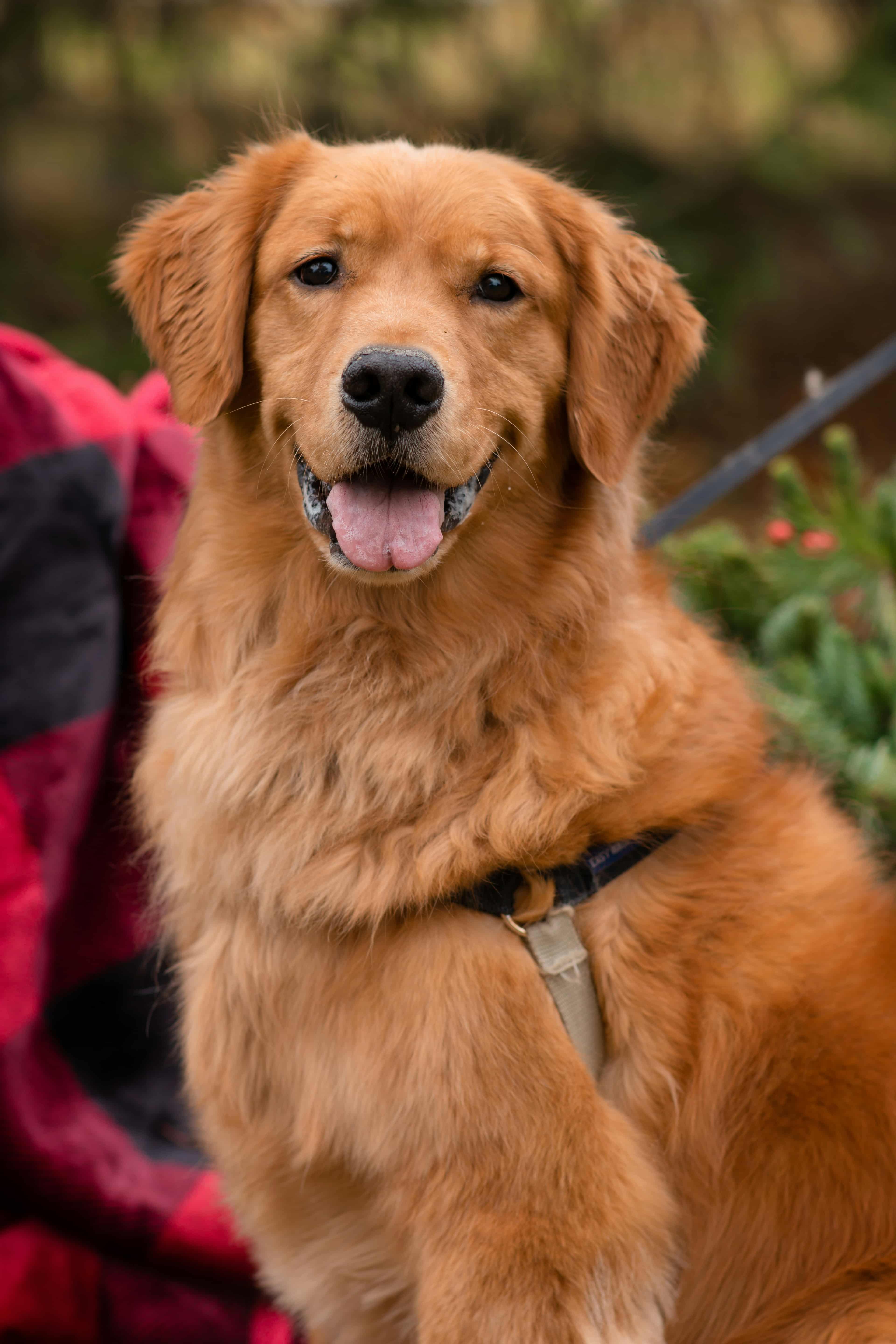
Golden Retriever

Golden Retriever

Sporting Large High energy

Golden Retrievers are friendly, trainable sporting dogs that thrive with active families who can handle exercise, heavy shedding, and regular grooming.

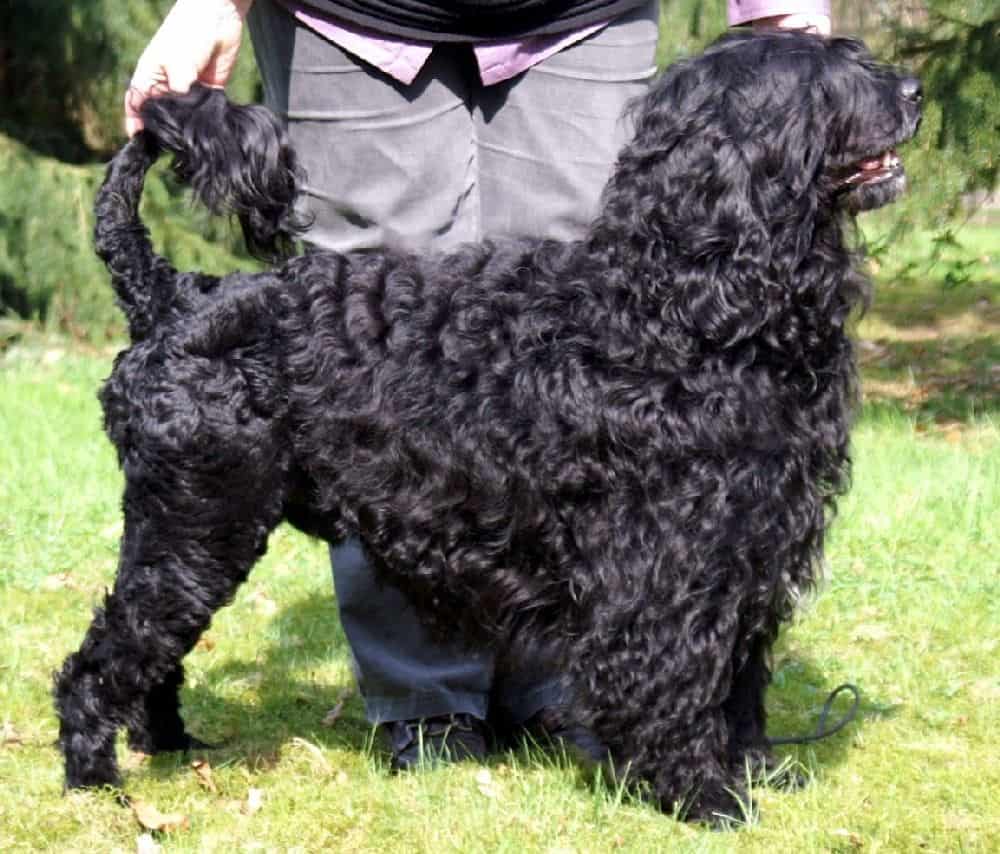
Portuguese Water Dog

Portuguese Water Dog

Working Medium High energy

Portuguese Water Dogs are athletic, people-oriented working dogs with a low-shed curly coat and a strong pull toward activity. They fit best with households that want a highly trainable companion for daily exercise, water play, and regular grooming instead of a low-maintenance dog.

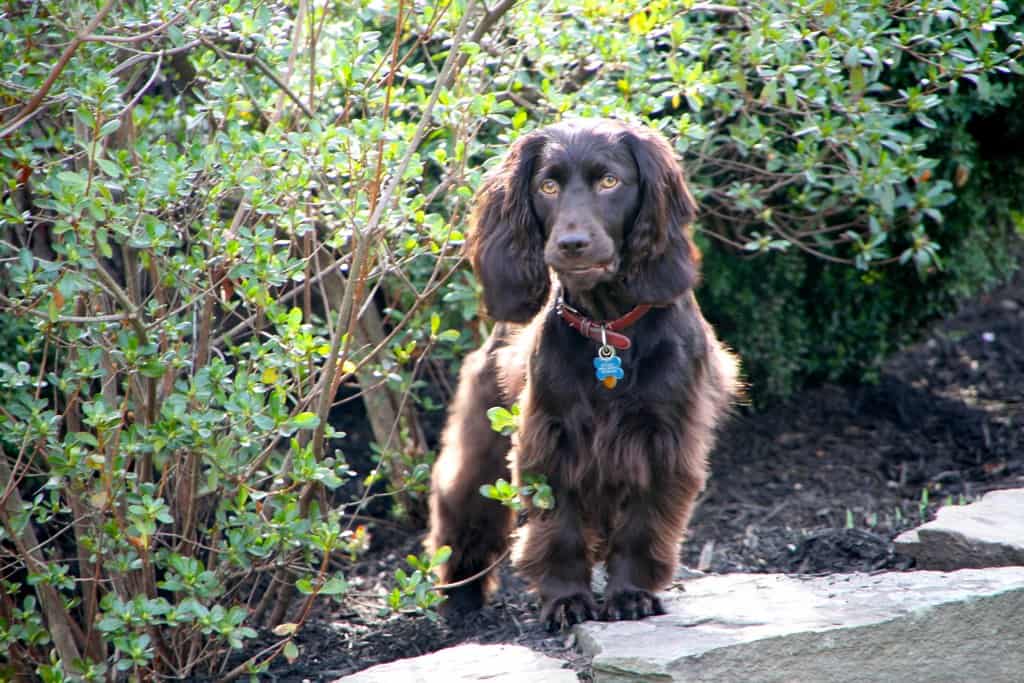
Boykin Spaniel

Boykin Spaniel

Sporting Medium High energy

Boykin Spaniels are medium sporting dogs that fit best with active households ready for daily exercise, training, retrieving or swimming outlets, and regular coat and ear care.

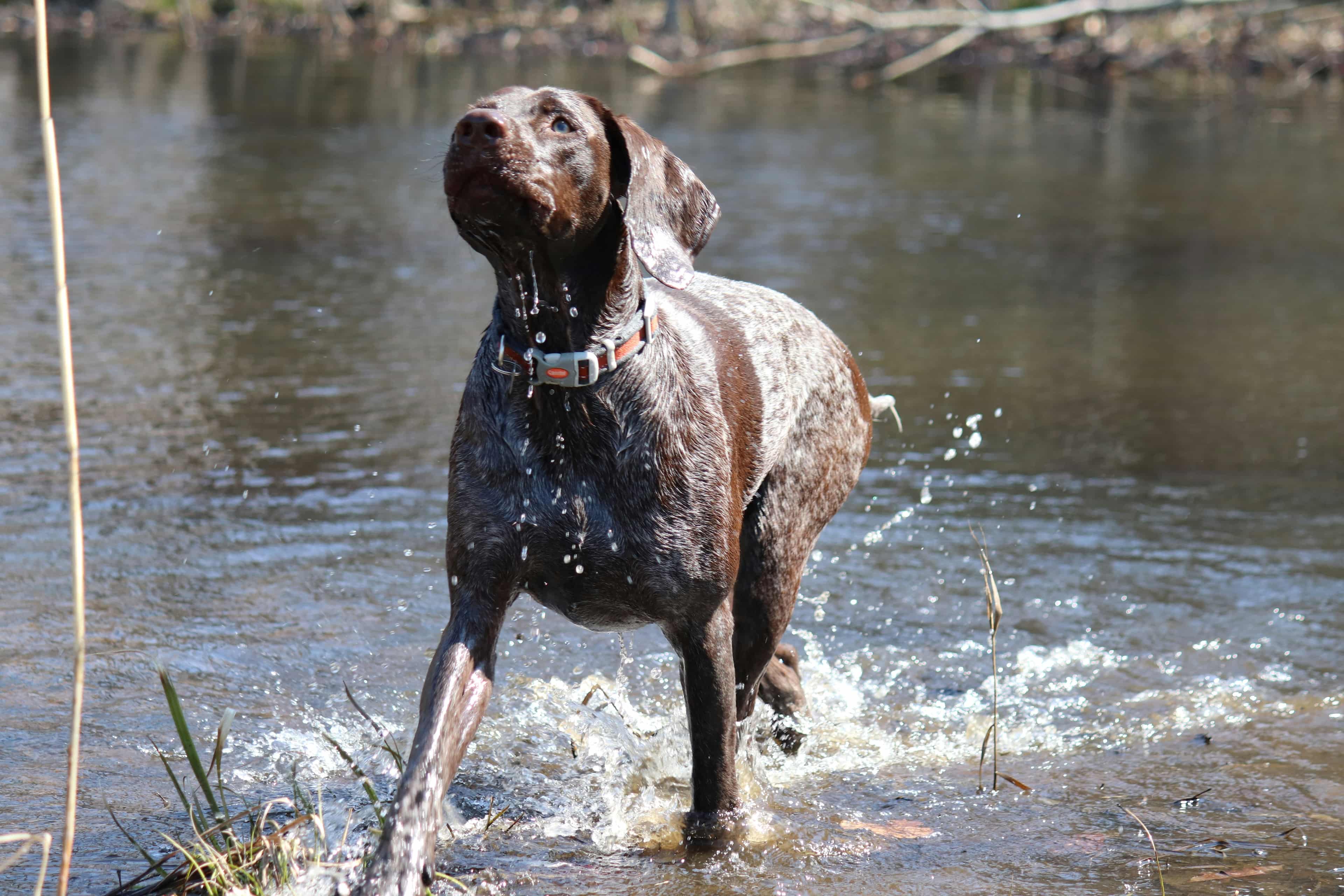
German Shorthaired Pointer

German Shorthaired Pointer

Sporting Medium High energy

German Shorthaired Pointers are fast, people-oriented sporting dogs built for long exercise days, steady training, and life close to their household. They fit best with active homes that want an athletic all-purpose companion, can provide real daily outlets, and do not expect one short walk to do the whole job.

Weimaraner

Weimaraner

Sporting Large High energy

People are often drawn to the Weimaraner for its fearless, friendly, and obedient mix wrapped in a large sporting frame. They fit best when family households that want a dog involved in everyday home life can plan around daily exercise and mental work and space and handling strength instead of treating the breed like a plug-and-play match.

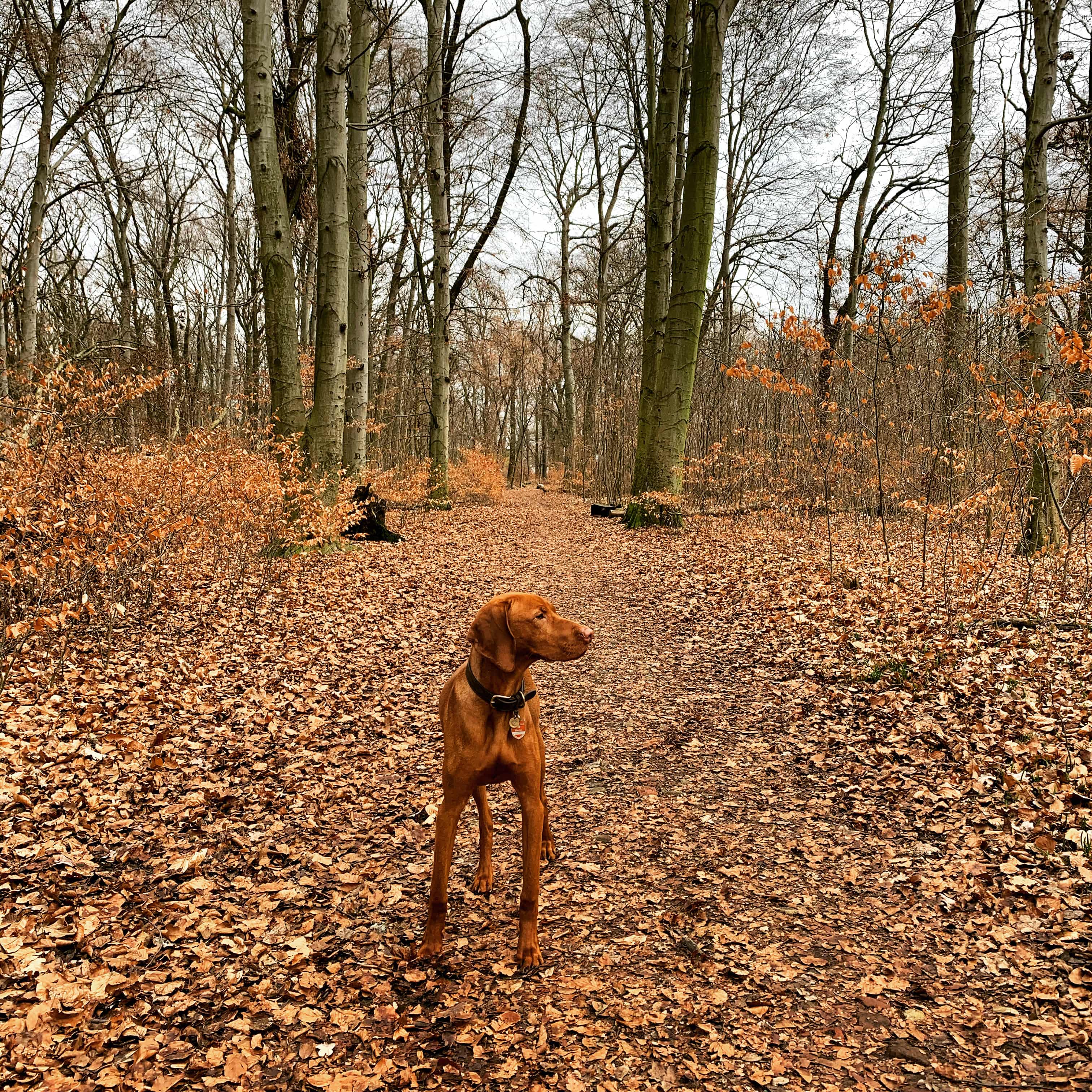
Vizsla

Vizsla

Sporting Medium High energy

Vizslas are athletic, affectionate sporting dogs that thrive with daily exercise, gentle training, and lots of close time with their people. They fit best with active homes that want a sensitive companion, can keep up with real movement and mental work, and do not expect the dog to spend long stretches alone.

Irish Setter

Irish Setter

Sporting Large High energy

Irish Setters are large sporting dogs known for high energy, outgoing personalities, and a striking red coat. They usually fit best with active households that want an affectionate family dog and can keep up with daily exercise, training, and regular coat care.

Breed Traits

Energy Level5/5
Trainability4/5
Shedding3/5
Health Concerns3/5
Barking Tendency2/5
Good with Kids3/5
Good with Dogs3/5