Browse Breeds A-Z
Terrier Group

Soft Coated Wheaten Terrier

HappyFriendlyDeeply Devoted
Soft Coated Wheaten Terrier

Height

17-19 inches

Weight

30-40 pounds

Life Expectancy

About 12-14 years

Size

Medium

What Soft Coated Wheaten Terriers are like

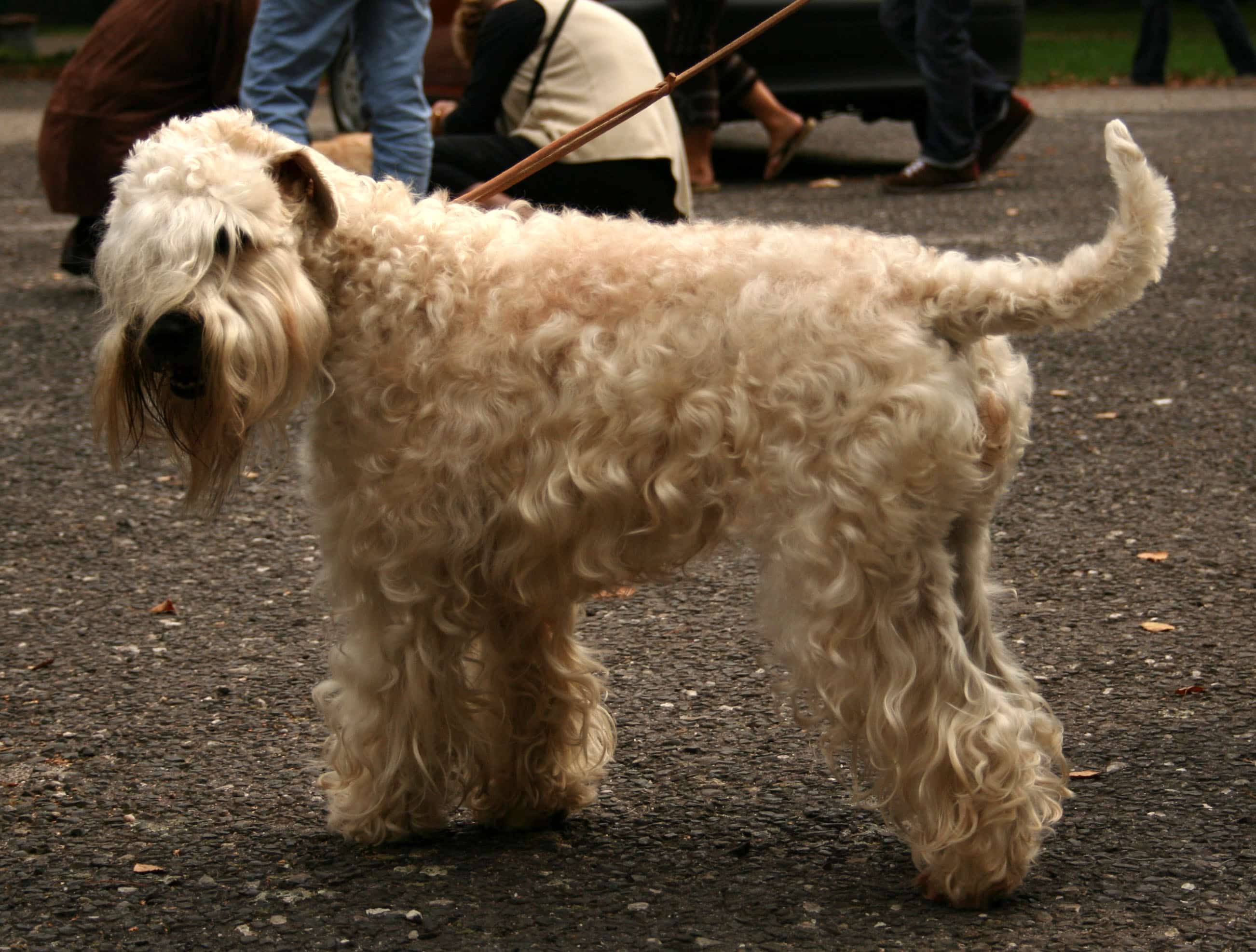
Soft Coated Wheaten Terriers are medium-size Irish terriers with silky wheaten coats, cheerful people-focused personalities, and enough terrier spark to keep daily life active. They can be affectionate family companions for homes that can provide grooming, movement, training, barking management, and regular health screening, but they are not quick-potty-walk or low-maintenance-coat dogs.

Is the Soft Coated Wheaten Terrier right for your home?

Best match for...

Active Families
Grooming Ready Owners
Social Terrier Fans

Strong fit if...

Involved family dog

You want a cheerful medium terrier that usually wants to be near its people, not parked outside or ignored for long stretches.

Daily activity is realistic

Walks, play, sniffing, training games, and safe fenced time can stay part of normal life.

Ready for coat care

Low shedding still means brushing, combing, baths, trims, ear checks, nail trims, and professional grooming for many homes.

You enjoy terrier spark

A Wheaten can be funny, affectionate, and eager while still needing clear rules and steady follow-through.

Think twice if...

Low-maintenance coat expectations

Skipping coat care can lead to mats that pull the skin and make grooming painful.

Very quiet dog needed

Many Wheatens bark at visitors, excitement, window activity, or boredom. Training helps, but the alert streak is real.

Off-leash freedom matters

This breed can chase squirrels, rabbits, bikes, cars, or anything else that moves, so fences, leashes, and recall practice matter.

Low-energy companion expectations

A bored Wheaten may jump, bark, dig, chew, counter-surf, or invent games you did not ask for.

What daily life feels like

Daily life

The famous Wheaten bounce is real

Many Wheatens greet life with their whole body, so polite greetings should start early around children, older adults, and visitors.

Daily life

Low shedding still means high coat work

Brush and comb down to the skin, especially behind ears, under legs, around the chest, in the beard, and anywhere friction creates tangles.

Daily life

Exercise comes before calm

Brisk walks, backyard play, fetch, scent games, hiking, agility-style fun, or supervised romps help a smart social terrier settle indoors.

Daily life

Apartment fit depends on routine

Size is not the hard part. Shared-wall homes need a barking plan, door-greeting routine, daily activity, and window management.

Training and handling

Training

Start early and keep it fair

Short upbeat lessons with treats, play, praise, and everyday rewards usually work better than long drills or harsh corrections.

Training

Train the chase drive

Practice recall in safe areas, reward check-ins on walks, and use a leash or secure fence around roads, wildlife, cats, and small pets.

Training

Make grooming normal

Practice standing still, chin rests, paw handling, ear checks, beard wiping, tooth brushing, and short combing sessions before mats become a battle.

Training

Socialize calmly

Expose the dog to children, visitors, dogs, grooming tools, vet handling, traffic, elevators, car rides, and household noise while rewarding relaxed behavior.

Health and cost

Plan for it

Ask about health testing

Before choosing a puppy or rescue dog, ask about hips, eyes, kidney and digestive history, bloodwork, urine testing, protein-loss screening, and genetic testing where available.

Plan for it

Watch kidney and digestive signs

Call a veterinarian for repeated vomiting or diarrhea, unexplained weight loss, poor appetite, low energy, increased thirst or urination, swelling, a pot-bellied look, or sudden changes that feel wrong.

Plan for it

Know the emergencies

Trouble breathing, collapse, severe weakness, pale or blue gums, a painfully swollen belly, severe dehydration, inability to stand, inability to urinate, or rapid worsening needs an emergency veterinarian right away.

Plan for it

Budget for grooming and prevention

Plan for grooming tools, professional grooming, training help, dental care, preventive visits, lab work, safe harnesses, pet care, and emergency savings.

Did you know?

Practical Irish farm dog roots

Before becoming a polished show and family companion, the Wheaten was valued as an all-purpose farm terrier close to people.

The coat gives the breed its name

The word wheaten points to the warm color of ripening wheat, which is part of the breed's charm and care commitment.

Low shedding is not allergy-proof

Allergies can come from dander, saliva, and individual sensitivity, so allergy-sensitive homes should spend time around adult Wheatens first.

The puppy spirit can last

A mature Wheaten may still play, bounce, clown, and demand attention like a much younger dog.

More ways to compare the Soft Coated Wheaten Terrier

Soft Coated Wheaten Terrier FAQ

FAQ

Are Soft Coated Wheaten Terriers good pets?

Soft Coated Wheaten Terriers can be excellent pets for active homes that want a friendly, affectionate, playful dog and can keep up with grooming, training, and daily exercise.

FAQ

Are Soft Coated Wheaten Terriers hypoallergenic?

No dog is truly hypoallergenic. Wheatens are low-shedding, but they still produce dander and saliva proteins that can trigger allergies.

FAQ

Do Soft Coated Wheaten Terriers shed?

They usually shed less visible hair than many breeds, but loose hair can stay in the coat and form mats, so brushing and combing still matter.

FAQ

How much grooming does a Soft Coated Wheaten Terrier need?

Most Wheatens need brushing and combing several times a week, often more during coat changes or if the coat is kept long, plus regular professional grooming for many homes.

FAQ

Do Soft Coated Wheaten Terriers bark a lot?

Many Wheatens bark a moderate amount at visitors, excitement, window activity, boredom, or other dogs. Training and management help, but the breed is not silent.

FAQ

Are Soft Coated Wheaten Terriers good with kids?

They can be good family dogs and often enjoy children, but supervision matters because their bouncy greetings can be too much for toddlers or fragile people.

FAQ

Can Soft Coated Wheaten Terriers live in apartments?

Yes, a Wheaten can live in an apartment if the owner provides daily exercise, grooming, training, and a barking plan.

FAQ

How much exercise does a Soft Coated Wheaten Terrier need?

Most healthy adult Wheatens need daily walks plus play, training, sniffing, or other mental work. Young or active individuals may need more structure.

FAQ

Are Soft Coated Wheaten Terriers easy to train?

They are smart and capable, but they can be willful. Training goes best with short positive sessions, clear rules, early socialization, and steady practice.

FAQ

What health problems do Soft Coated Wheaten Terriers have?

Important concerns include protein-losing kidney disease, protein-losing intestinal disease, digestive issues, Addison's disease, renal dysplasia, hip and eye issues, and ear or dental problems.

FAQ

How long do Soft Coated Wheaten Terriers live?

A typical Soft Coated Wheaten Terrier life expectancy is about 12-14 years. Healthy weight, dental care, grooming, exercise, regular veterinary visits, and prompt attention to health changes help protect quality of life.
Breeds similar to the Soft Coated Wheaten Terrier

Browse all breeds
Airedale Terrier

Airedale Terrier

Terrier Large High energy

Airedale Terriers are big, brainy terriers that mix watchdog confidence with a friendlier family side than many people expect. They fit best with active homes that want a dog with real personality and can stay ahead of exercise, grooming, and stubborn terrier habits.

Miniature Schnauzer

Miniature Schnauzer

Terrier Small Medium energy

Miniature Schnauzers are smart, alert small dogs with low-shedding coats, watchdog instincts, and a need for regular grooming, exercise, and mental work.

Portuguese Water Dog

Portuguese Water Dog

Working Medium High energy

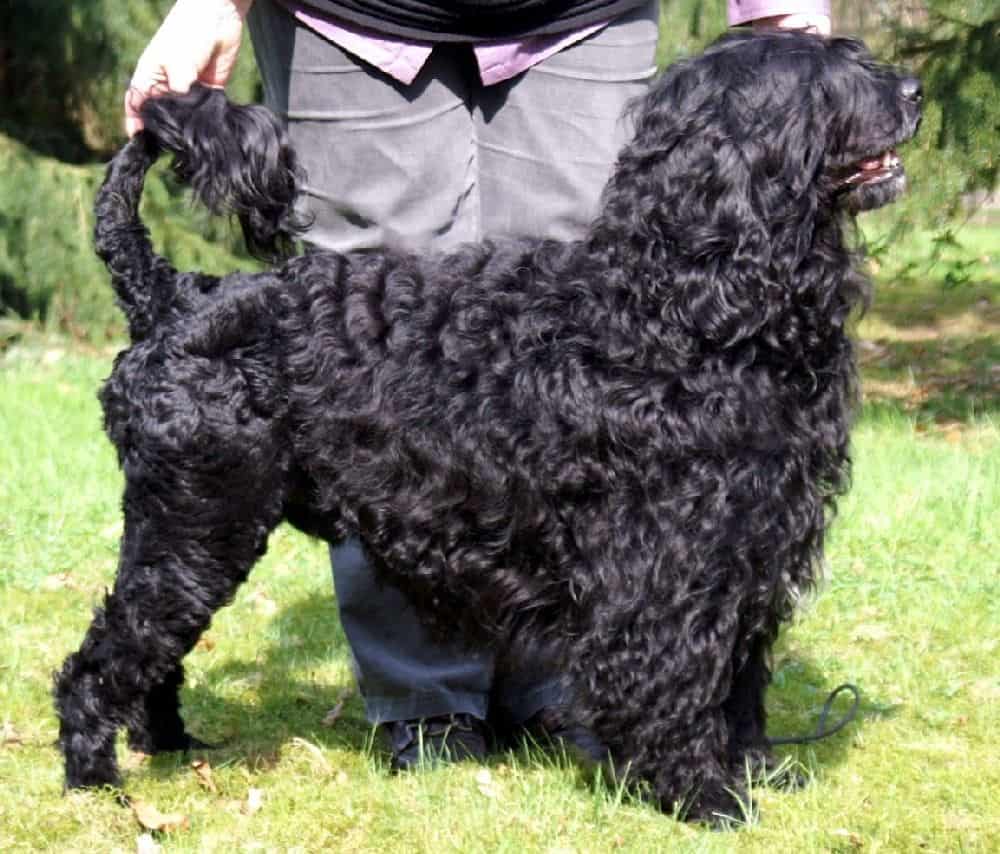
Portuguese Water Dogs are athletic, people-oriented working dogs with a low-shed curly coat and a strong pull toward activity. They fit best with households that want a highly trainable companion for daily exercise, water play, and regular grooming instead of a low-maintenance dog.

Miniature Poodle

Miniature Poodle

Non-Sporting Small High energy

Miniature Poodles are bright, athletic small dogs that pair low-shedding curls with real daily energy and a strong habit of staying involved with their people. They usually fit best with homes that want a highly trainable companion and can stay on top of grooming, exercise, and mental work.

Bichon Frise

Bichon Frise

Non-Sporting Small High energy

Bichon Frises typically pair curious, peppy, and playful traits with the presence of a small non-sporting dog. They are often strongest fits for family households that want a dog involved in everyday home life, especially when the household can stay on top of daily exercise, mental work, and coat upkeep.

Cocker Spaniel

Cocker Spaniel

Sporting Small Medium energy

Cocker Spaniels are cheerful, people-oriented sporting companions with softer day-to-day energy than many gun dogs, but they still need walks, play, training, and regular grooming. They fit homes that want an affectionate family dog close by and are ready for coat care, ear maintenance, and a routine that does not leave the dog lonely or under-stimulated.

Rat Terrier

Rat Terrier

Terrier Small High energy

Rat Terriers are bright, athletic small terriers that mix family-dog affection with real watchdog alertness and hunting drive. They fit best with homes that want a very trainable companion and can keep up with daily exercise, mental work, and clear rules around barking and chasing.

Goldendoodle

Goldendoodle

Mixed Breed Large High energy

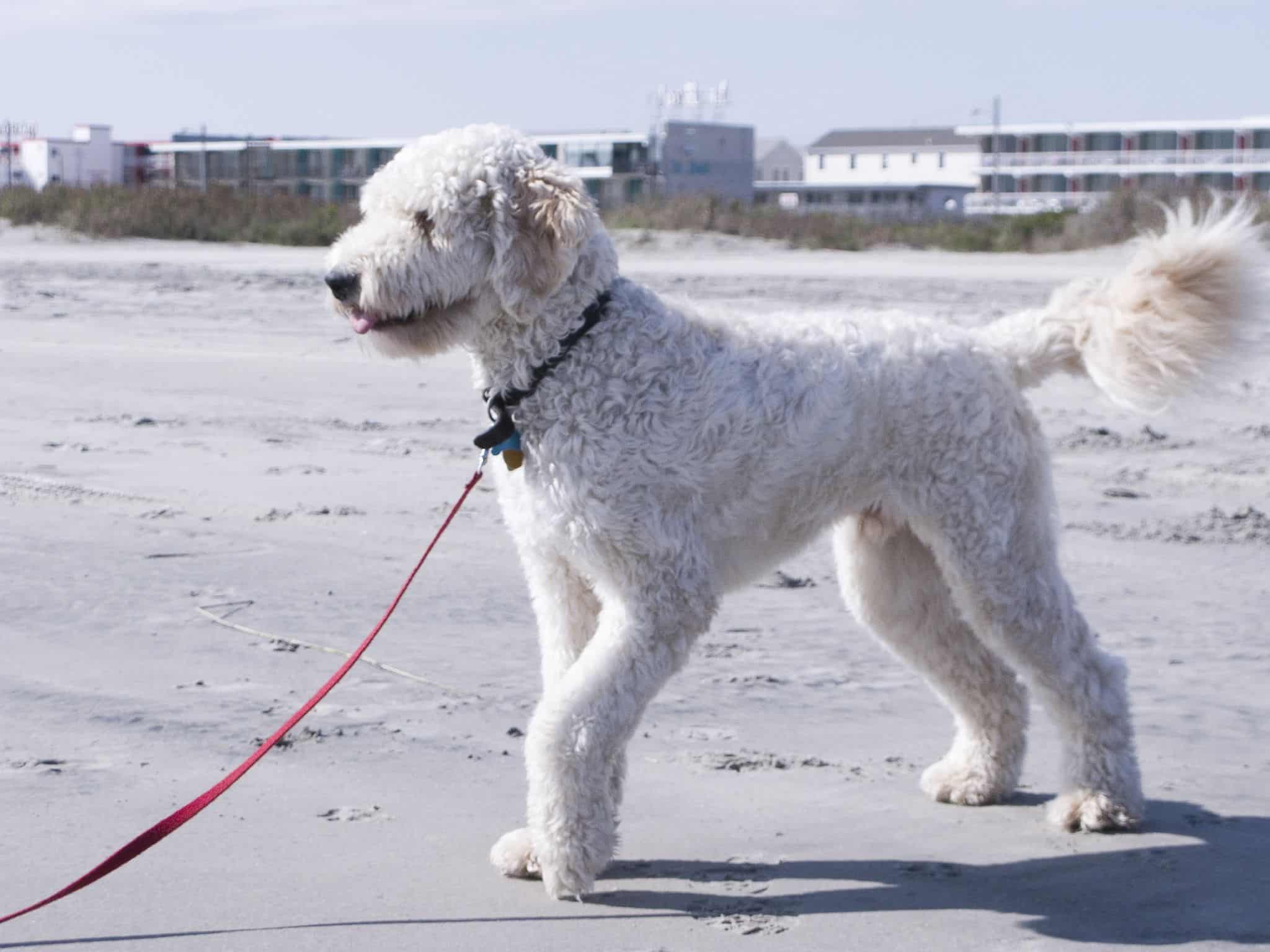
Goldendoodles are friendly Golden Retriever and Poodle mixes best for active, people-focused homes that can handle variable size, coat, grooming, and exercise needs.

Breed Traits

Energy Level4/5
Trainability3/5
Shedding1/5
Health Concerns3/5
Barking Tendency3/5
Good with Kids4/5
Good with Dogs3/5