Browse Breeds A-Z
Non-Sporting Group

Bichon Frise

CuriousPeppyPlayful
Bichon Frise

Height

9.5-11.5 inches

Weight

12-18 pounds

Life Expectancy

14-15 years

Size

Small

What Bichon Frises are like

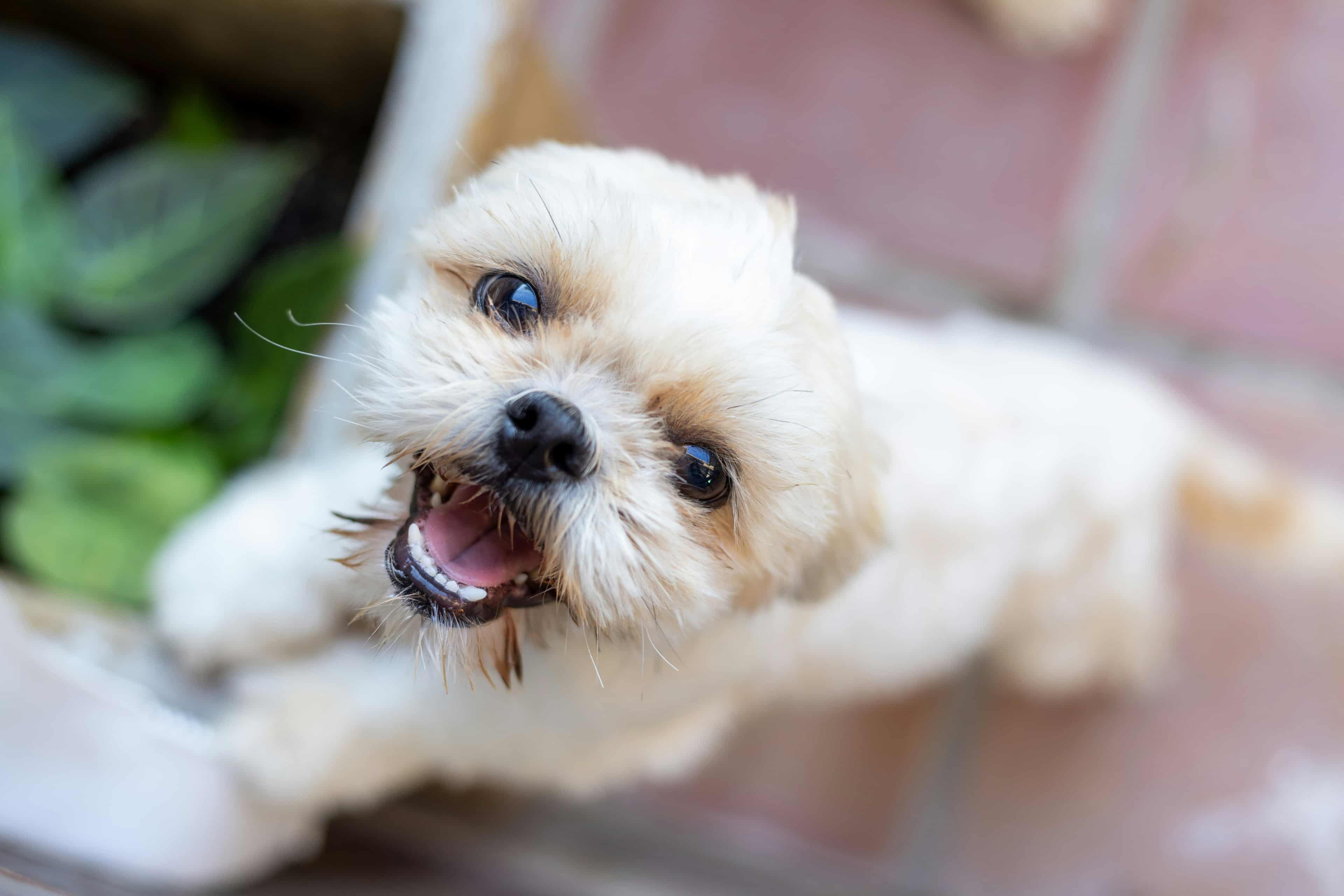
Bichon Frises are small companion dogs with a bright white coat, a playful personality, and a real talent for making themselves part of the room. Most adults stand about 9.5 to 11.5 inches tall and weigh roughly 12 to 18 pounds, so they stay easier to carry, easier to fit into smaller homes, and easier to travel with than many bigger breeds. That small frame does not mean the breed is sleepy or effortless. In the right home, a Bichon feels cheerful, social, and easy to love. In the wrong home, the same dog can feel barky, harder to house-train than expected, or much higher-maintenance than the fluffy look first suggests. The coat sheds very little, but that is not the same thing as low effort. Grooming, dental care, daily routines, and company all matter here.

Is the Bichon Frise right for your home?

Best match for...

A home that wants a small friendly companion dog, can stay on top of brushing or grooming appointments, and is ready for steady routines around training, play, dental care, and people time.

Smaller homes
Gentle families
Close companionship

Strong fit if...

You want a cheerful little dog that likes people

Bichons often do best in homes that enjoy a dog being part of everyday life instead of fading into the background. The breed has very strong family, kid, other-dog, and stranger-friendliness scores, which fits the social, welcoming style many owners love.

You can make grooming part of the routine

This is one of the biggest reality checks with the breed. Bichons should be brushed at least two or three times a week and ideally every day, with regular baths and clipping. Many pet owners use a groomer every four to six weeks to keep the coat easier to manage.

You want a small dog that is playful and trainable

A Bichon usually makes more sense for someone who wants a lively little companion than for someone who wants a dog that mostly naps all day. The breed is somewhat active, with calm stretches mixed with fun bursts of energy. The breed is also known for learning tricks quickly when training stays positive.

Your home can be gentle, social, and present

Many Bichons do very well with respectful kids and other dogs because they are affectionate and open to company. The best fit is a home that enjoys that social side and can still protect a small dog from rough handling, accidental falls, or chaos that turns a fun little dog into an overwhelmed one.

Think twice if...

You want a wash-and-wear coat with almost no upkeep

Low shedding does not mean no grooming. The undercoat still traps loose hair, so mats can build up fast if brushing slips. If you want a dog you can mostly ignore between occasional baths, this breed will usually feel like more work than expected.

You need easy house training right away

Bichons have a reputation for being difficult to housebreak. That does not mean it cannot be done. It means the smoothest homes use close supervision, short potty schedules, and patient repetition instead of assuming the dog will figure it out because it is small.

The dog will be alone for long stretches most days

This breed is very companion-oriented. Undesirable behaviors are more likely when a Bichon is left alone for long periods. If the normal routine is an empty house for most of the day, the breed can start to feel fussier or louder than charming.

You are likely to skip the small-care details

Dental care, ear cleaning, nail trimming, and regular grooming matter here. Early tooth loss, gum trouble, and ear infections become more likely if those routines slide. Small dogs can hide these problems until they are already expensive or painful.

If you are comparing other small companion breeds, start with the Maltese, Havanese, Miniature Poodle, and Shih Tzu, then use the breed compare tool to line up the tradeoffs side by side or try the match quiz and breed mixer for a broader fit check.

What daily life feels like

Daily life

Expect short bursts of play more than nonstop chaos

A Bichon is usually not a marathon dog, but it is not just decoration either. Long calm stretches mixed with quick playful bursts often describe the daily rhythm pretty well. Daily walks and play sessions usually fit the breed better than either total couch life or extreme exercise plans.

Daily life

Coat care stays on the calendar

The fluffy coat is a big part of the breed's appeal, but it also shapes daily life. Brushing, baths, trimming, face cleanup, and keeping mats away become normal parts of ownership. A shorter pet trim can make life easier, but it does not erase the coat-care job.

Daily life

They usually want to be part of what is happening

This breed often feels happiest when it can stay near its people, notice the household rhythm, and join in instead of being parked in another room for hours. Another dog can help with play, but Bichons still need quality playtime with their owner.

Daily life

Alert barking needs gentle handling, not panic

Bichons are not the loudest breed on earth, but they do notice visitors, sounds, and changes around the home. Calm routines, visitor practice, and reward-based training usually work better than reacting to every bark like an emergency.

Training and handling

Training

House training takes patience and a real routine

This is one of the breed's biggest practical challenges. Frequent potty breaks, close supervision, and calm repetition usually matter more than any magic shortcut. Small dogs often get too much freedom too early, and that mistake can drag the process out.

Training

Positive training usually works very well

Bichons are easy to train in most areas and respond better to positive rewards than harsh or negative methods. They often enjoy learning tricks and little routines, which gives owners a good way to turn the breed's energy and people-focus into something fun.

Training

Early socialization keeps the friendly side easy to live with

The goal is not only a dog that likes people. It is a dog that can handle guests, kids, other dogs, noises, and outings without getting overexcited or pushy. Early exposure and clear house rules help the happy social side stay an asset.

Health and cost

Plan for it

Ask breeders about patella, hip, and eye screening

The listed health screening checks for the breed are patella evaluation, hip evaluation, and an ophthalmologist evaluation. That means breeder conversations should include real screening results, not only broad promises that the parents were healthy.

Plan for it

Dental care matters earlier than many people expect

Early tooth loss and gum problems become much more likely when dental care is not a priority. For a Bichon, tooth brushing is not a fussy extra. It is a normal part of keeping the dog healthy over a long life.

Plan for it

Watch the skin, ears, bladder, and knees

Allergies, bladder infections, luxating patella, cataracts, and other eye disease all belong on the watchlist. That does not mean every dog will struggle with these issues. It means owners should notice recurring skin irritation, ear trouble, skipping steps, or urinary changes early instead of brushing them off.

Plan for it

The 14 to 15 year lifespan is a long commitment

A long life is one of the breed's strengths, but it also means grooming, dental work, regular vet care, and later-life care can add up across many years. Small dogs are often cheaper than giant dogs, but a well-kept Bichon still comes with a real long-term care budget.

Did you know?

Bichons belong to an old family of little white dogs

The Bichon Frise is part of the old Barbichon group along with breeds like the Havanese, Maltese, and Bolognese. That helps explain why these small white companion breeds can feel related even when they are not interchangeable.

The breed's story runs from Tenerife to royal courts

The modern line developed from the Bichon Tenerife on the Canary Islands, and later the breed became popular with nobles in Spain, Italy, and France during the Renaissance.

Bichons also spent time as street and circus dogs

After the French Revolution, many Bichons lost their aristocratic homes and survived with street entertainers. Their trainability and charm helped them earn their keep as performers.

The French name points straight to the coat

The breed was recognized in France in 1933 as Bichon a Poil Frise, which means the Bichon of the curly hair. That fluffy curly coat has been central to the breed's identity ever since.

Breeds similar to the Bichon Frise

Browse all breeds

Breed Traits

Energy Level4/5
Trainability3/5
Health Concerns2/5
Barking Tendency3/5
Good with Kids5/5
Good with Dogs5/5