Browse Breeds A-Z
Hound Group

Plott Hound

AthleticAffectionateIndependent

The Plott Hound is a sturdy, athletic scent hound with a serious nose and plenty of determination. Developed for demanding hunting work in the mountains of North Carolina, this breed can be affectionate and even-tempered at home while becoming intensely focused when a scent or moving animal catches its attention. A Plott can be a rewarding companion for an active, prepared home. It is not a low-effort dog.

Plott Hound

Height

About 20-25 inches (male), 20-23 inches (female)

Weight

About 50-60 pounds (male), 40-55 pounds (female)

Life Expectancy

About 11-14 years

Size

Large

What Plott Hounds are like

A Plott is a scent hound. Its history is tied to following game and working with purpose, not waiting for constant instructions. That background helps explain the breed's stamina, big voice, curiosity, and willingness to keep going when it has found an interesting trail.

The Plott is North Carolina's state dog and the only coonhound breed with roots outside the usual foxhound lineage. Early Plott dogs came to North Carolina with the Plott family, then became known for hunting and farm work in the Appalachian region. Today, some are still working hunting dogs, while others are companions, sport dogs, or family dogs.

At home, a well-matched Plott can be loyal, affectionate, and playful. Around new people, dogs, or animals, the individual dog matters a great deal. Hunting lines can differ, and a dog with strong drive may find cats, wildlife, or fast-moving small pets hard to ignore. Meet the dog you are considering and ask direct questions about its history, behavior around visitors, recall, handling, and time alone.

Is the Plott Hound right for your home?

Best match for...

Active people who enjoy long walks, hikes, scent games, and training, and who can keep a determined hound safely contained. The best fit understands that a Plott needs more than a quick loop around the block. It needs a routine, things to investigate, and patient handling when its nose has a different idea.

Active Families
Secure Yards
Training Ready Homes
Hands On Owners

Strong fit if...

Daily outdoor activity fits your life

You enjoy daily outdoor activity and can make time for walks, sniffing, training, and safe play.

Secure containment is part of your plan

You can use a secure fence, a well-fitted leash setup, and careful door and gate habits.

A vocal hound is manageable for you

You are comfortable with a dog that may be vocal, especially when excited or following a scent.

You value reward-based practice

You want to build skills with short, reward-based practice instead of expecting instant obedience.

You will choose the individual dog carefully

You will choose the individual dog carefully if children, cats, small pets, frequent visitors, or other dogs are part of the household.

Think twice if...

You expect off-leash freedom near wildlife

You want a dog that can be trusted off leash around wildlife, roads, or open space.

You need a quiet close-neighbor dog

You need a quiet dog for shared walls or close neighbors and cannot manage barking thoughtfully.

Your schedule leaves little shared time

Your schedule leaves little time for exercise, training, and companionship.

A fenced yard would be the whole plan

You expect a fenced yard by itself to satisfy a working hound.

Hunting instincts around small animals feel unmanageable

You are not ready to manage a dog with strong hunting instincts around smaller animals.

What daily life feels like

Daily life

A scent hound needs room to use its brain

A Plott Hound usually needs regular activity, but endless physical exercise is not the whole answer. A dog bred to follow scent also benefits from slow sniffing walks, food puzzles, scent games, new places, and small training jobs. Letting a dog use its nose in safe ways can make daily life calmer and more satisfying. Start with a routine you can keep. An adult may enjoy a substantial daily walk plus play, training, and chances to explore. A puppy needs shorter, age-appropriate outings and plenty of rest. Adjust the plan for weather, health, fitness, and the dog in front of you rather than trying to wear it out.

Daily life

Fences and leashes are part of the package

A Plott may catch a scent and become single-minded. Recall training is valuable, but it is not a reason to test a hound near traffic, wildlife, or an unfenced trail. Use a leash or long line where appropriate, check gates and fence lines, and save off-leash freedom for a truly enclosed area. A yard helps only when it is secure and paired with time together. A dog left alone outside may follow scents along the fence, dig, bark, or find its own entertainment. Walks, training, and supervised outdoor time give the dog a clearer outlet.

Daily life

Expect a voice, not just a bark

Hounds were developed to communicate over distance. A Plott may bark, bay, or use a distinct hunting voice when it is excited, alert, frustrated, or on a scent. Some are quieter than others, but this is not the safest breed choice for someone who needs near silence. Teach a quiet cue with rewards, meet exercise and enrichment needs, and avoid leaving a bored dog to rehearse fence-line barking. If noise changes suddenly or becomes hard to manage, look at the routine and speak with a qualified, humane trainer or your veterinarian.

Daily life

The coat is easy to brush, not invisible

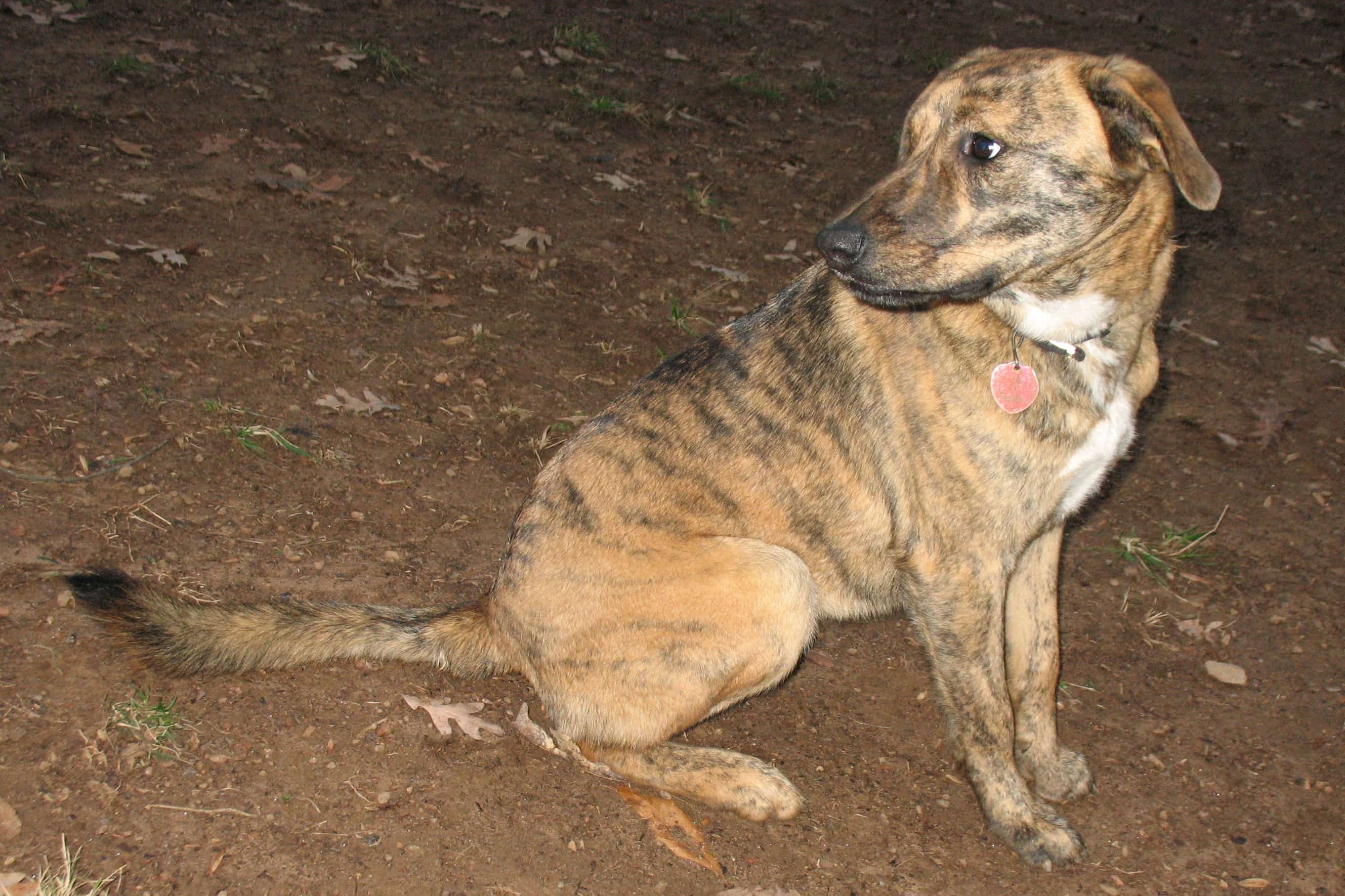
The Plott's coat is short or medium in length and usually simple to maintain. A weekly brush or grooming mitt can remove loose hair and dirt. The breed is known for brindle, but black, buckskin, and black-with-brindle-trim coats can also occur. Coat color does not tell you whether a dog will suit your home. Keep up with nail trims, dental care, and regular checks of the ears and skin after outdoor adventures. Good grooming is also a chance to notice a sore paw, a tick, a cut, or a change in body condition early.

Daily life

Families and other pets need an individual plan

A Plott can be a devoted companion, but no breed label can predict how one dog will handle a busy family, visiting children, cats, or other pets. Teach children to give the dog space while eating, sleeping, or holding a toy. Supervise young children and dogs together. If you have cats or small animals, tell the breeder, rescue, or foster home before choosing a dog. Ask what they have seen, introduce animals slowly, and manage them carefully. A dog that lives calmly with one household pet may still want to chase unfamiliar animals outside.

Training and handling

Training

Make training useful and rewarding

Plotts are intelligent, alert dogs, but they are hounds. They may learn quickly and still decide that a fresh scent is more interesting than repeating a cue. Keep training short, kind, and worth the dog's time. Use food, toys, praise, and access to safe sniffing as rewards when they motivate your dog. Start with everyday skills: name response, loose-leash walking, coming when called in a secure place, waiting at doors, settling on a mat, accepting grooming, and riding calmly. Practice around small distractions before expecting success in a new park or on a busy trail.

Training

Socialization is calm practice, not forced greetings

A young Plott benefits from positive, age-appropriate experience with people, friendly dogs, car rides, handling, household sounds, different surfaces, and time alone. The goal is a dog that can recover and settle, not a dog that has to greet everyone. For an adult rescue, slow down and let the dog learn your routine first. Give it a quiet sleeping area, predictable meals and walks, and gradual introductions. If you see fear, guarding, intense pulling, or behavior that worries you, ask your veterinarian and a qualified trainer for help early.

Training

Give the hunting drive a safe outlet

Scent work, hide-and-seek, tracking games, and supervised hikes can give a Plott a job without asking it to hunt. Keep prey-drive games controlled. Do not encourage chasing wildlife, and do not assume a good response in the living room will carry over to a squirrel on the other side of a field.

Health and cost

Plan for it

Ask for honest records, not just reassurance

Plott Hounds are athletic dogs, but no breed is free of health concerns. Regular veterinary care, parasite prevention, dental care, a healthy body condition, and prompt attention to changes in appetite, movement, breathing, or behavior are part of responsible ownership. The current national-breed-club guidance does not list a standard Plott Hound health-test panel. That is not a guarantee that every breeding dog is healthy. Ask a breeder for records for the parents and close relatives, including any orthopedic or other evaluations that fit that family line. Ask about longevity, injuries, temperament, and causes of death in related dogs. If you are adopting, the available history may be limited. Ask what records exist, what care has already been done, and what follow-up your veterinarian recommends. Good records help you ask better questions. They cannot promise a dog will never become ill.

Plan for it

Know the signs of bloat

The Plott has a deep chest, and any dog owner should know the warning signs of gastric dilatation-volvulus, also called GDV or bloat. Ask your veterinarian how much risk applies to your individual dog and what prevention plan makes sense. Go to an emergency veterinarian immediately if your dog has repeated unproductive retching, a swollen or painful belly, heavy drooling, panting, pacing, pale gums, weakness, or collapse. Do not wait to see whether these signs pass.

Plan for it

Plan for an active dog's real costs

Budget for more than food and routine appointments. A Plott may need secure fencing, sturdy walking equipment, training, enrichment supplies, grooming tools, boarding or pet care, and an emergency veterinary fund. These costs are easier to handle when they are part of the plan before the dog comes home.

Did you know?

Brindle is common, but it is not the only look

Many people picture a Plott as a dark, striped brindle hound. Brindle is a classic coat pattern for the breed, but solid black, buckskin, black with brindle trim, and other accepted variations can appear too. A good match is about the dog's temperament and your daily life, not the pattern on its coat.

The breed was built for stamina

A Plott should look powerful without looking heavy. Its streamlined, muscular build reflects a history of covering ground, following trails, and working for long periods. That does not mean every companion Plott needs a hard workout every day. It does mean a sedentary routine is unlikely to be enough.

A Plott's nose can change the plan in seconds

A scent hound may seem relaxed until it finds something interesting. That quick switch from quiet companion to focused tracker is part of what makes the breed engaging. It is also why secure handling matters every day, not only on special outings.

More ways to compare the Plott Hound

Plott Hound FAQ

FAQ

Are Plott Hounds good family dogs?

Some can be loyal, playful family companions. The right fit depends on the individual dog's temperament, early experience, training, adult supervision around children, and the family's ability to meet its activity needs. Do not assume every Plott will be equally comfortable with busy children, visitors, or other pets.

FAQ

Can Plott Hounds live in apartments?

Some may adapt with a very committed routine, but apartments can be difficult for this active, vocal scent hound. Daily exercise, safe sniffing, training, noise management, and time with people still matter. A larger home is not a substitute for these needs, but close neighbors can make a hound's voice harder to manage.

FAQ

Do Plott Hounds bark a lot?

They can be vocal. A Plott may bark, bay, or use a carrying hunting voice when alert or excited. Individual dogs vary, and training can help, but people who need a quiet dog should consider that carefully.

FAQ

Do Plott Hounds need a fenced yard?

Secure boundaries are important. A fenced yard is useful when it is truly secure, but it does not replace walks, training, enrichment, or time with the family. Do not rely on recall alone near traffic, wildlife, or open space.

FAQ

Are Plott Hounds easy to train?

They are bright and can learn useful skills quickly, especially with rewards and short sessions. Their independence and scent drive can make training less predictable than it is with a dog bred to work closely on repeated cues. Consistency and management matter as much as obedience practice.

FAQ

Are Plott Hounds aggressive?

A hunting hound should not be labeled aggressive by default. Plotts can be bold and intense while working, and individual temperament varies by breeding, experience, health, and training. Choose the dog carefully, socialize it thoughtfully, and get qualified help early if you see behavior that is unsafe or difficult to manage.

FAQ

Do Plott Hounds shed or need much grooming?

They shed, but their short or medium coat is usually simple to care for. A weekly brush, routine nail trims, dental care, and regular ear and skin checks cover most of the work. They are not a no-shedding breed.

FAQ

What health records should a Plott Hound breeder provide?

Ask to see the parents' veterinary and health-evaluation records, plus information about close relatives. Discuss which tests are useful for that line with your veterinarian. A breeder who can explain the health and temperament history behind a litter gives you more useful information than a simple promise that the parents are healthy.

FAQ

How long do Plott Hounds live?

Plott Hounds are often estimated to live about 11-14 years. Genetics, preventive care, body condition, injuries, disease, environment, and chance all affect an individual dog's lifespan.

Breeds similar to the Plott Hound

Browse all breeds
Bloodhound

Bloodhound

Hound Large Medium energy

The Bloodhound is a large hound breed known for a powerful nose, a friendly temperament, and a more independent streak than many first-time owners expect. They usually fit best with owners who have room for a big dog, patience for scent-driven training, and a realistic plan for drool, vocalizing, and long-term health costs.

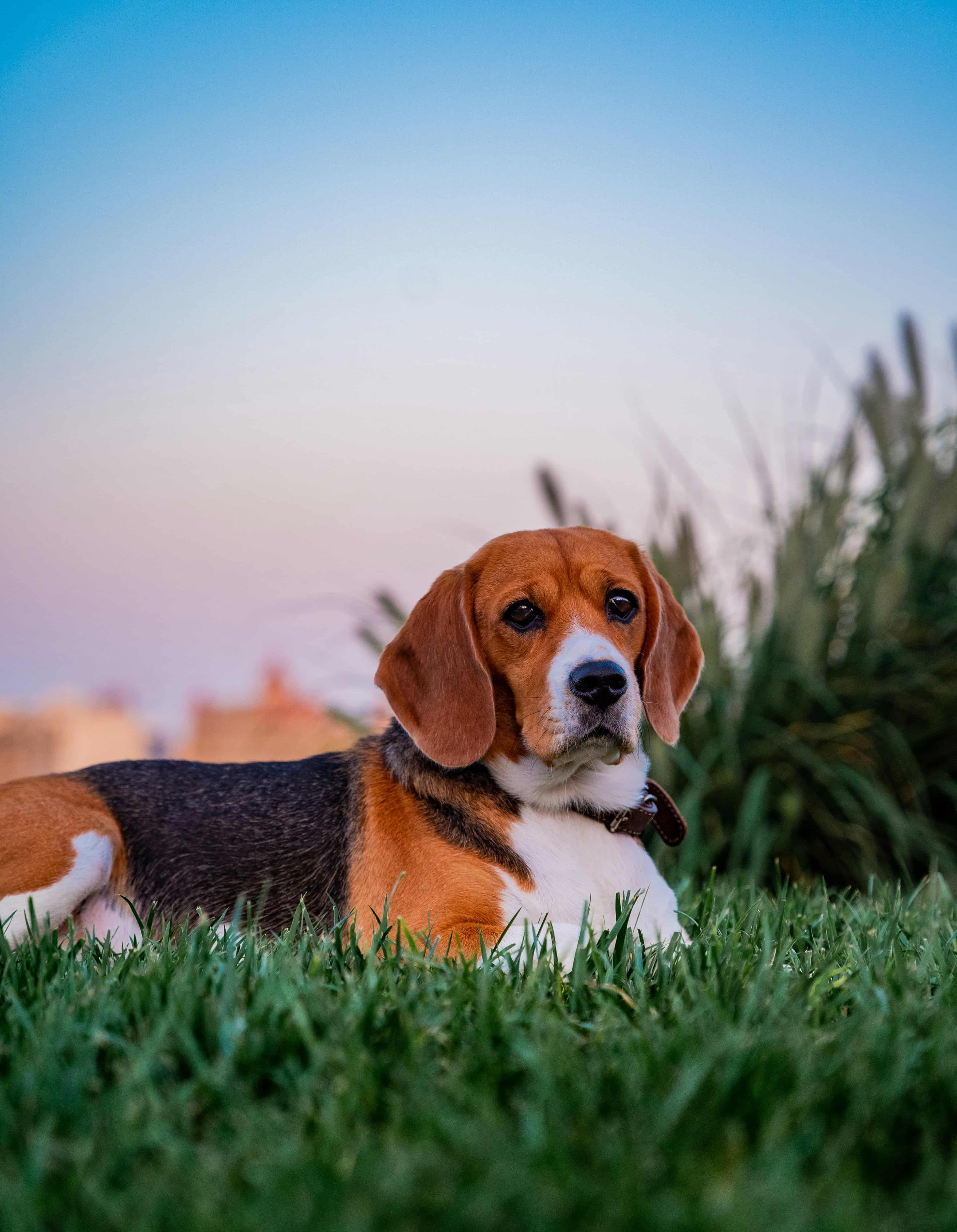
Beagle

Beagle

Hound Small High energy

Beagles are cheerful scent hounds with strong noses and big voices. They fit active homes ready for training, sniffing, and secure routines.

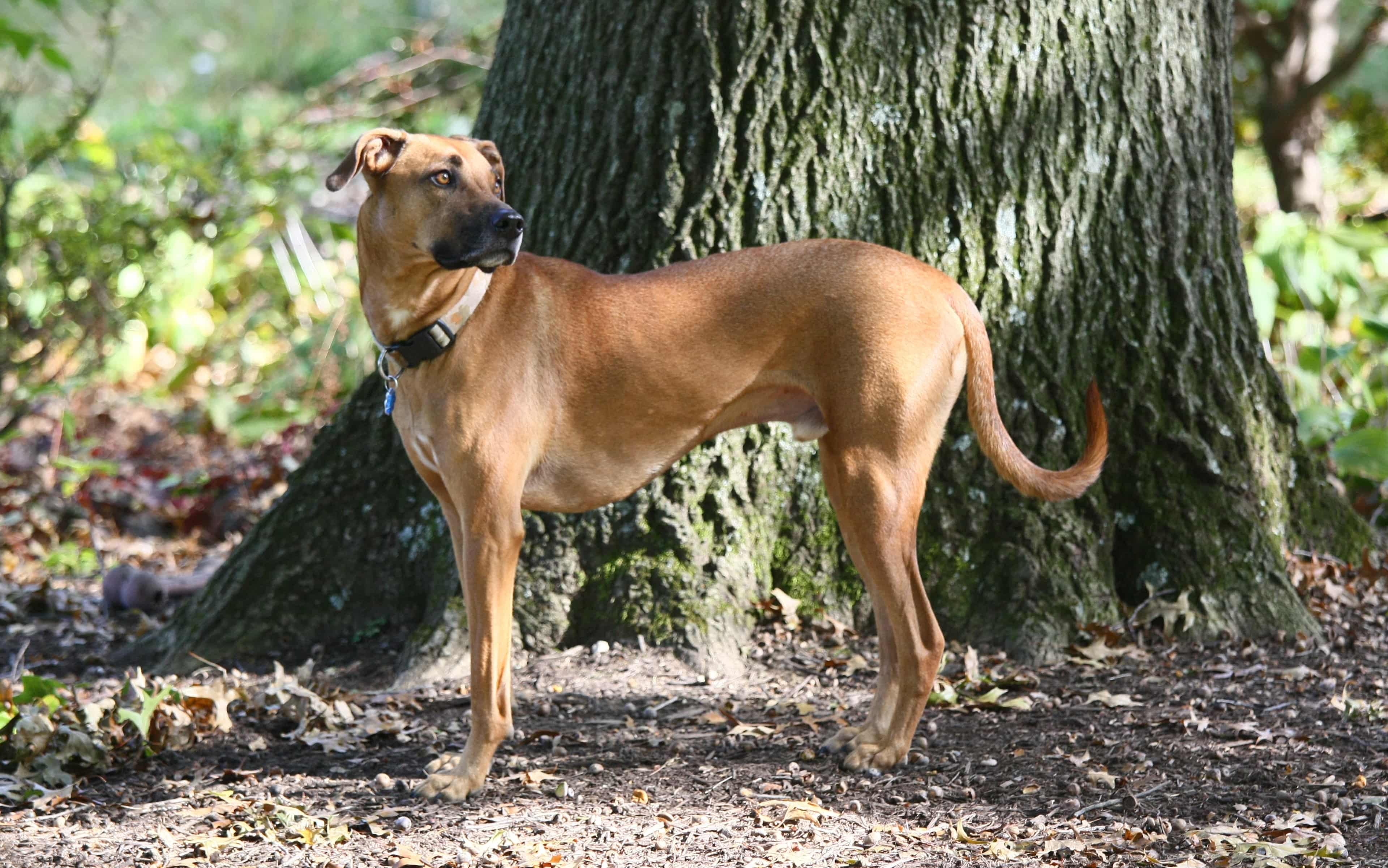
Black Mouth Cur

Black Mouth Cur

Hound Large High energy

Black Mouth Curs are tough, smart working dogs from the American South. They fit best with active households that can provide daily exercise, steady training, secure routines, and a safe outlet for a loyal dog that wants a job.

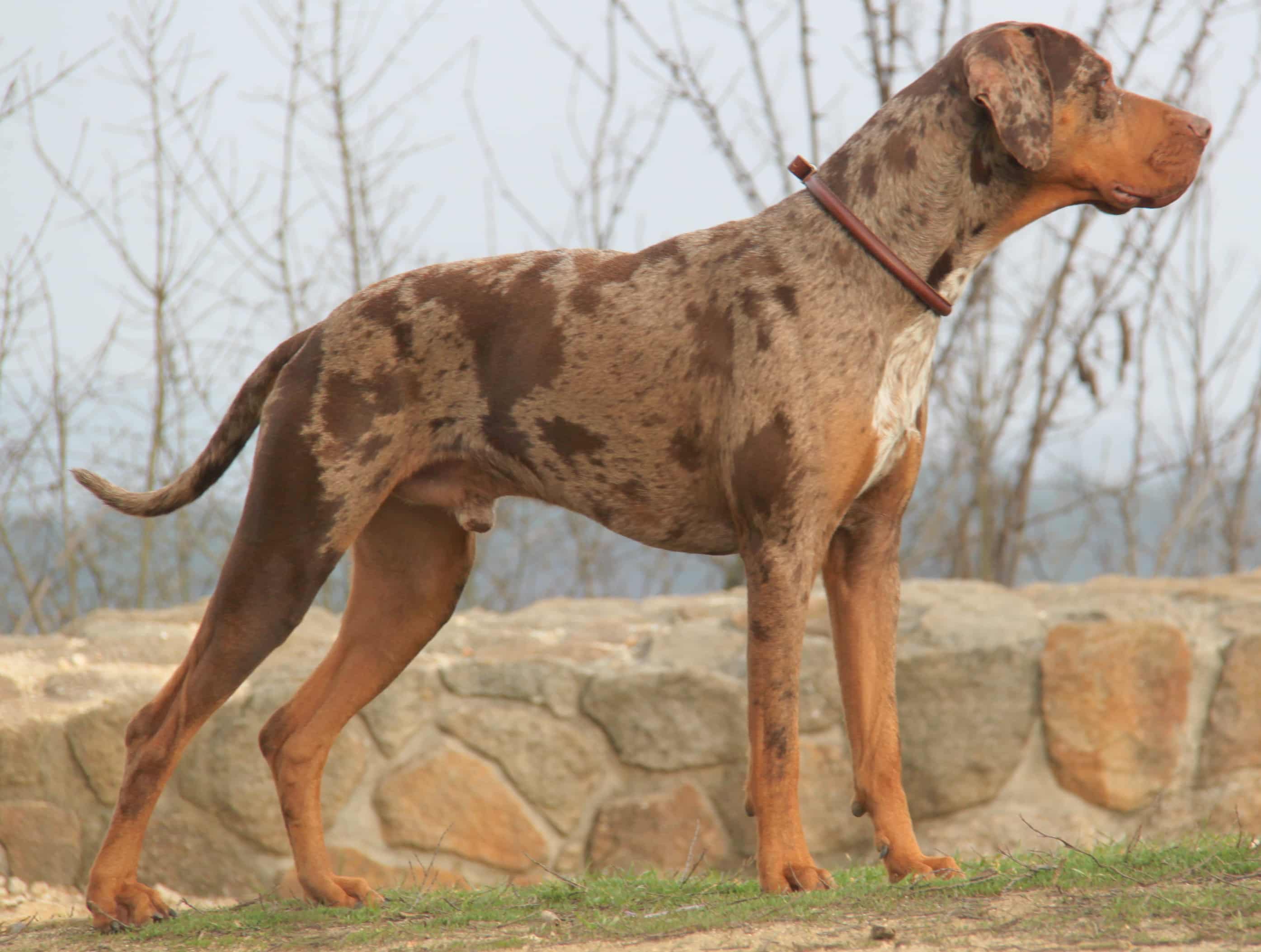
Catahoula Leopard Dog

Catahoula Leopard Dog

Herding Large High energy

Catahoula Leopard Dogs are strong, athletic Louisiana working dogs with loyal, independent, and protective instincts. They fit best with active, experienced homes that can provide secure space, daily exercise, steady training, and a job-like routine.

Rhodesian Ridgeback

Rhodesian Ridgeback

Hound Large High energy

Rhodesian Ridgebacks are athletic large hounds with an independent streak, a calm dignified presence at home, and a strong instinct to notice movement around them. They tend to fit households that want an active companion, have space for a powerful dog, and are ready for consistent training, secure fencing, and realistic expectations around prey drive and stranger reserve.

Breed Traits

Energy Level5/5
Trainability3/5
Shedding3/5
Health Concerns3/5
Barking Tendency4/5
Good with Kids3/5
Good with Dogs3/5