Browse Breeds A-Z
Hound Group

Rhodesian Ridgeback

AthleticDignifiedIndependent
Rhodesian Ridgeback

Height

25-27 inches (male), 24-26 inches (female)

Weight

85 pounds (male), 70 pounds (female)

Life Expectancy

10-12 years

Size

Large

What Rhodesian Ridgebacks are like

Rhodesian Ridgebacks are dignified, athletic hounds that usually fit active homes wanting a loyal dog with presence and are realistic about prey drive, training, and stranger reserve. They often feel calmer at home than their size suggests, but that calmer side shows up best when exercise, structure, and secure routines are already part of daily life. In the right home a Ridgeback can be steady and affectionate. In the wrong home the same dog can feel stubborn, powerful, and much more dog than expected.

Is the Rhodesian Ridgeback right for your home?

Best match for...

An active home that wants a loyal large dog, can stay calm and consistent with training, and has the secure space, time, and judgment this athletic hound needs.

Active homes
Secure yards
Patient trainers

Strong fit if...

You want a large athletic dog without nonstop chaos

Rhodesian Ridgebacks usually need real daily movement, but many mature dogs settle well once they have had enough exercise and know the house routine. That balance appeals to people who want a capable outdoor companion without the constant intensity of some working breeds.

You can lead with calm consistency

This breed is smart, but not especially automatic about doing things just because you asked once. Ridgebacks often do best with owners who are patient, clear, and steady instead of homes that rely on repeating the same cue louder every time.

You have secure space and good leash judgment

A fast large dog with prey drive changes the math on fences, neighborhood walks, and off-leash hopes. Homes that already think carefully about gates, recalls, and where the dog can safely run usually make more sense than homes built around casual freedom.

Think twice if...

You want your easiest possible first dog

Rhodesian Ridgebacks can be affectionate and even-tempered, but they are still strong-willed, fast, and physically powerful. If you want the kind of dog that is likely to fall into line with minimal work, this breed can feel harder than the calm expression suggests.

Your home has loose boundaries, small pets, or constant chaotic traffic

Many Ridgebacks need thoughtful management around squirrels, cats, unfamiliar dogs, and guests. This is usually a better fit for homes that can control introductions and boundaries than for households where every day feels noisy, crowded, and unpredictable.

The dog would spend long days bored or under-exercised

A bored Ridgeback usually finds its own projects. Chewing, yard patrol, pulling, and hard-to-manage restlessness become much more likely when the dog does not have enough movement, company, or structure.

What daily life feels like

Daily life

Life with a Ridgeback often feels athletic but fairly quiet

Many people expect nonstop chaos from a big hunting dog, but mature Rhodesian Ridgebacks often feel more reserved than frantic. They still need exercise and structure, yet plenty of them spend the rest of the day watching the room and staying near their people instead of demanding constant entertainment.

Daily life

Walks need room for sniffing and real judgment

This is not usually the breed for careless off-leash optimism. Squirrels, rabbits, and sudden movement can flip the switch fast, so many owners find that secure fields, long lines, and thoughtful route choices matter more than pretending recall will always beat prey drive.

Daily life

The short coat is simple, but the dog is not low-maintenance

The coat is easier than with many long-haired large breeds, but that does not make ownership effortless. There is still brushing, nail trimming, shedding on furniture, and the everyday management that comes with a strong dog who notices everything happening around the house.

Daily life

Reserve with strangers is part of the breed picture

Many Ridgebacks are affectionate with their own people without becoming instant fans of every visitor. Homes that appreciate a dog with some watchful reserve usually adjust better than households expecting a social butterfly who treats every new person like an old friend.

Training and handling

Training

Start manners early because size changes the stakes

A Ridgeback puppy becomes a strong adult faster than many owners expect. Loose-leash walking, calm greetings, waiting at doors, and cooperative vet handling are much easier to build early than to repair once the dog is big enough to drag, block, or body-check its way through life.

Training

Reward calm consistency, not drama

Rhodesian Ridgebacks usually respond better to clear repetition and fair rewards than to emotional overcorrection. When the handler stays calm, the breed often looks more thoughtful and cooperative. When the household gets reactive, the dog often gets more stubborn.

Training

Socialization should build neutrality, not forced friendliness

Good socialization here is not about proving that your Ridgeback loves every stranger and every dog park. It is about building a dog that can stay manageable, steady, and safe around ordinary life while the owner keeps control of the situation.

Health and cost

Plan for it

Joint screening belongs in the breeder conversation

Rhodesian Ridgebacks are large athletic dogs, so hip and elbow screening should feel like normal due diligence instead of a bonus. If you are buying a puppy, breeder conversations should cover orthopedic testing clearly and early.

Plan for it

The health picture includes more than just hips

A good health plan for Ridgebacks talks about hips, elbows, heart, thyroid, and eyes so owners know what was reviewed and what to watch for, rather than assuming perfect health from the photo alone.

Plan for it

Big-dog costs add up quietly

Food, training classes, sturdy gear, boarding, crates, and insurance or emergency savings all cost more when the dog is large and strong. The short coat can make the breed look lower maintenance than it really is, but the ownership budget still needs to be serious.

Plan for it

The real cost also includes management

Secure fencing, safe travel setup, and the time needed to train and exercise an athletic hound are part of the ownership bill too. A Rhodesian Ridgeback usually works best when the household can budget attention and structure, not just money.

Did you know?

The ridge is hair growing in the opposite direction

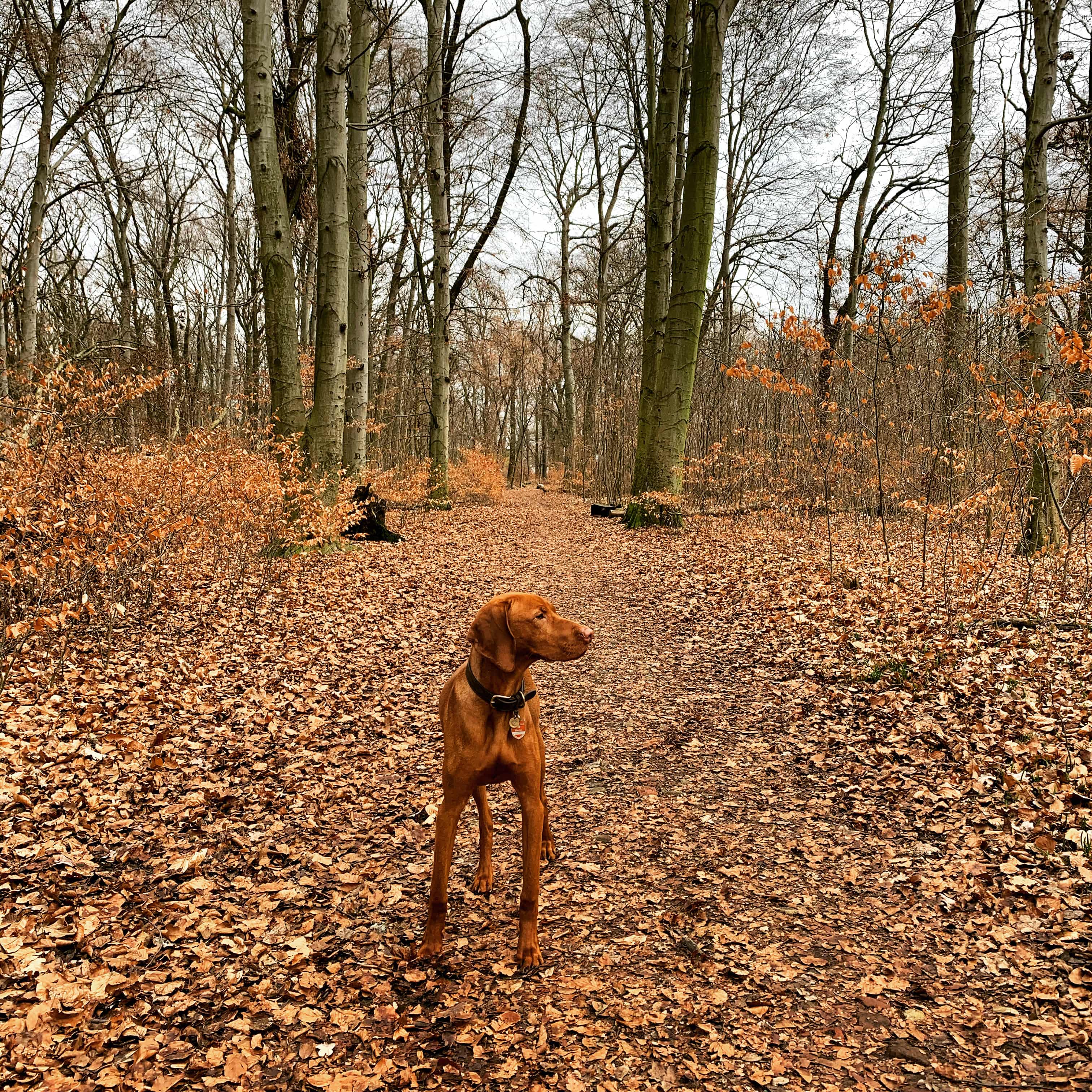
The breed's trademark ridge is a strip of hair along the spine that grows backward compared with the rest of the coat. It is the feature most people notice first, but it is only one part of what makes living with the breed unique.

The breed was developed in southern Africa

Southern African hunters blended local hardy ridged dogs with European trackers, producing the Ridgeback we know today. The ridge-back coat and athletic frame originally helped drive lions and guard livestock, which still informs how the dog behaves around movement and strangers.

Rhodesian Ridgebacks are hounds, even if they look more guardian-like at first glance

The powerful build makes some people assume mastiff or guardian first, but the breed's history and formal classification sit in the hound lane because tracking and field work shaped the dog.

Wheaten shades are the classic color family

Rhodesian Ridgebacks are most often seen in light wheaten to red wheaten shades. The color varies, but the short practical coat is part of the breed's unmistakable look.

Breeds similar to the Rhodesian Ridgeback

Browse all breeds

Breed Traits

Energy Level4/5
Trainability3/5
Health Concerns3/5
Barking Tendency2/5
Good with Kids4/5
Good with Dogs3/5