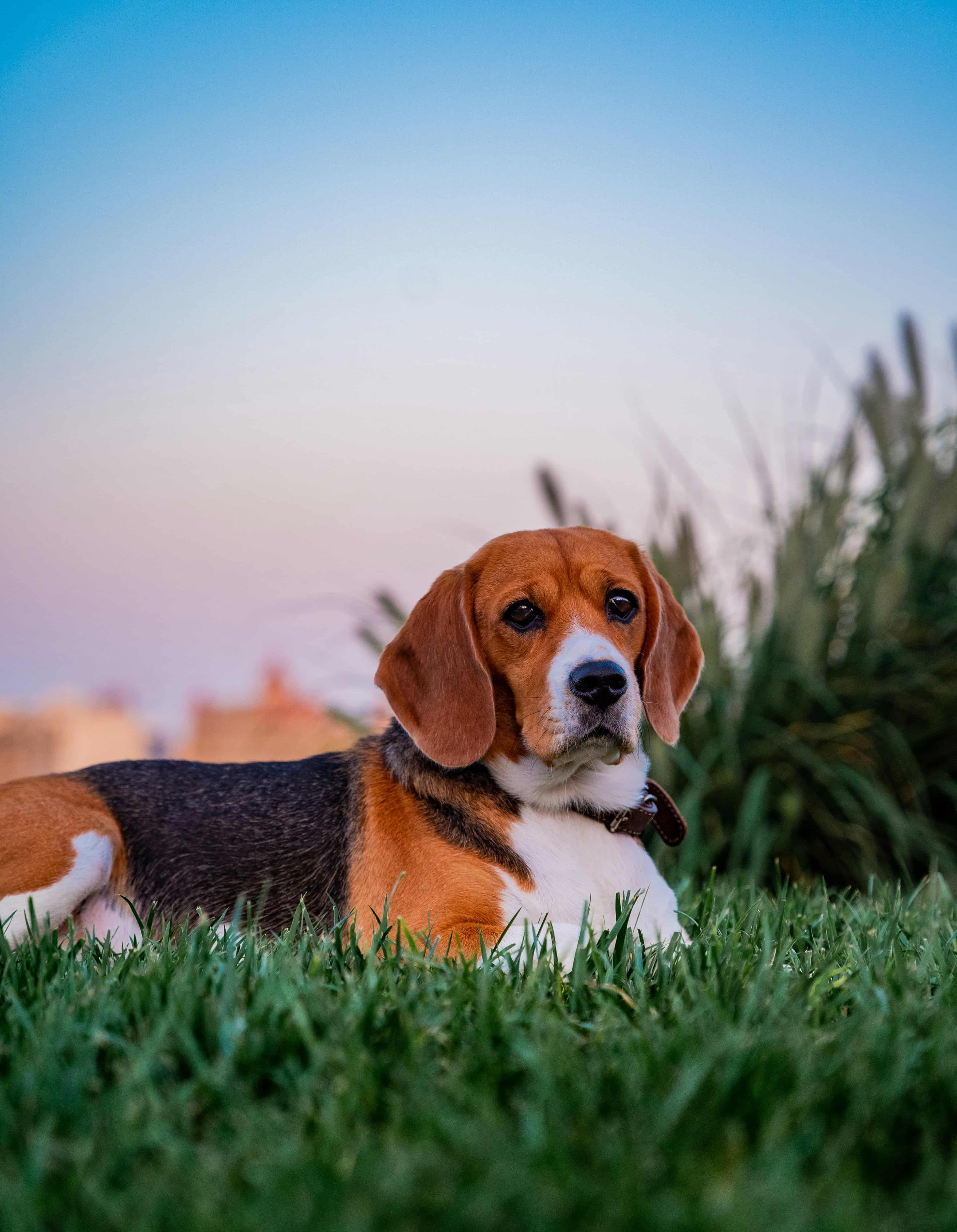
Bloodhound
Height
25-27 inches (male), 23-25 inches (female)
Weight
90-110 pounds (male), 80-100 pounds (female)
Life Expectancy
10-12 years
Size
Large
About the Bloodhound
The Bloodhound is a large hound breed known for a powerful nose, a friendly temperament, and a more independent streak than many first-time owners expect. They usually fit best with owners who have room for a big dog, patience for scent-driven training, and a realistic plan for drool, vocalizing, and long-term health costs.
The Good
- Big-dog presence is a real plus for owners who specifically want it
- Steadier energy can work well for owners who want a more predictable routine
- Friendly temperament often fits family life when the match is realistic
The Bad
- Vocal tendencies can wear on neighbors or noise-sensitive homes
- Large size makes leash handling and daily logistics harder in tight spaces
- Health-related costs can be more serious than first-time owners expect
Is this dog right for you?
Best match for...
Similar breeds to check out
Browse all breedsBorzoi
Hound • Large • Medium energy
Borzois are elegant sighthounds that stay fairly calm at home but can switch into serious speed outdoors. They fit gentle homes that can manage size and prey drive.
Irish Wolfhound
Hound • Giant • Medium energy
Irish Wolfhounds are giant hound dogs that usually bring calm, courageous, and dignified traits into everyday life. They tend to reward multi-dog homes that are prepared for space and handling strength and health screening and long-term vet planning.
Rhodesian Ridgeback
Hound • Large • High energy
Rhodesian Ridgebacks are athletic large hounds with an independent streak, a calm dignified presence at home, and a strong instinct to notice movement around them. They tend to fit households that want an active companion, have space for a powerful dog, and are ready for consistent training, secure fencing, and realistic expectations around prey drive and stranger reserve.
Beagle
Hound • Small • High energy
Beagles are cheerful scent hounds that usually bring curiosity, food motivation, and a pack-dog social life to the table. They fit best with homes that can laugh a little, train consistently, and give them room to sniff and move.