Browse Breeds A-Z
Toy Group

Pekingese

LoyalConfidentAffectionate
Pekingese

Height

About 6-9 inches

Weight

Up to 14 pounds

Life Expectancy

About 12-15 years

Size

Toy

What Pekingese are like

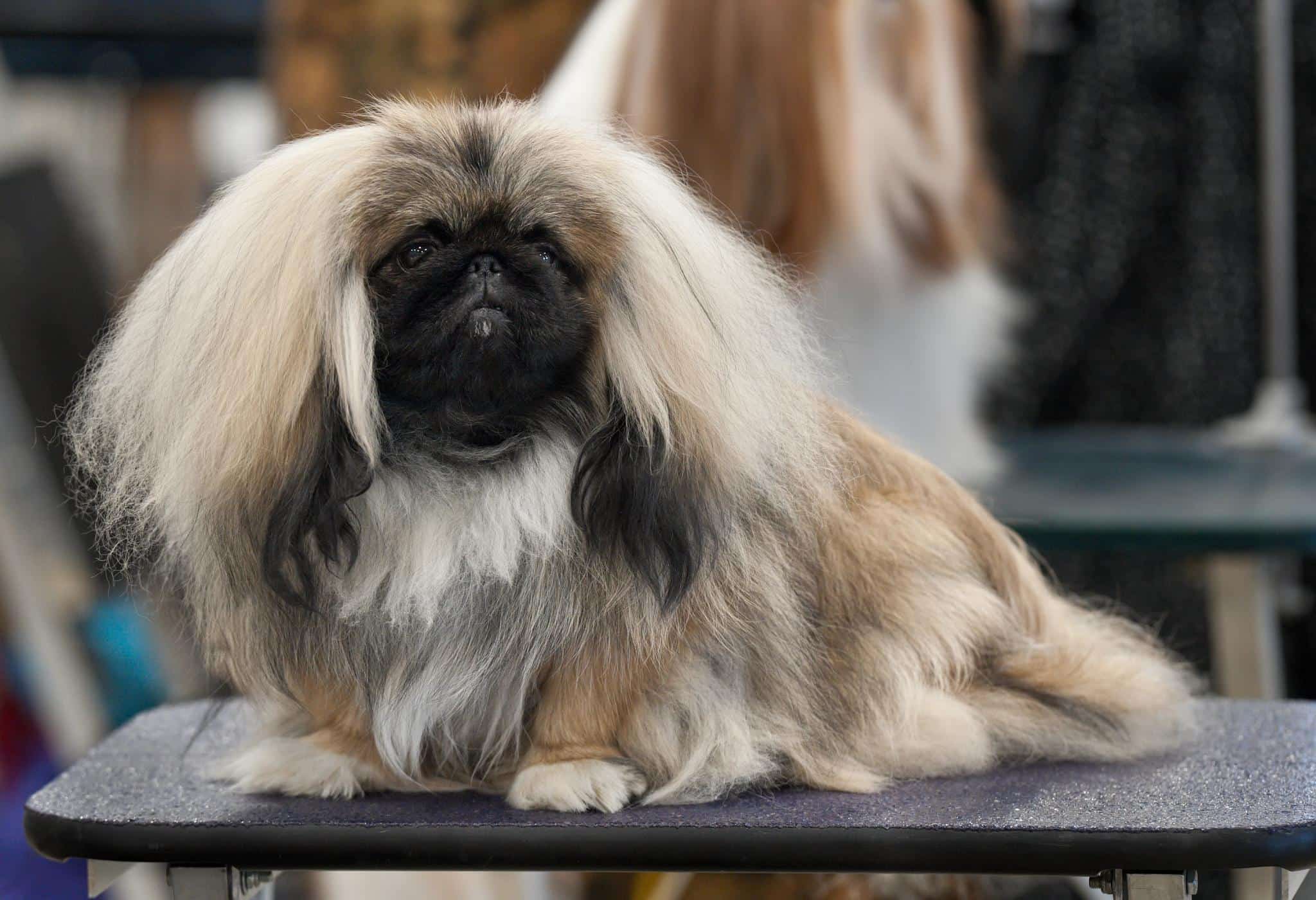
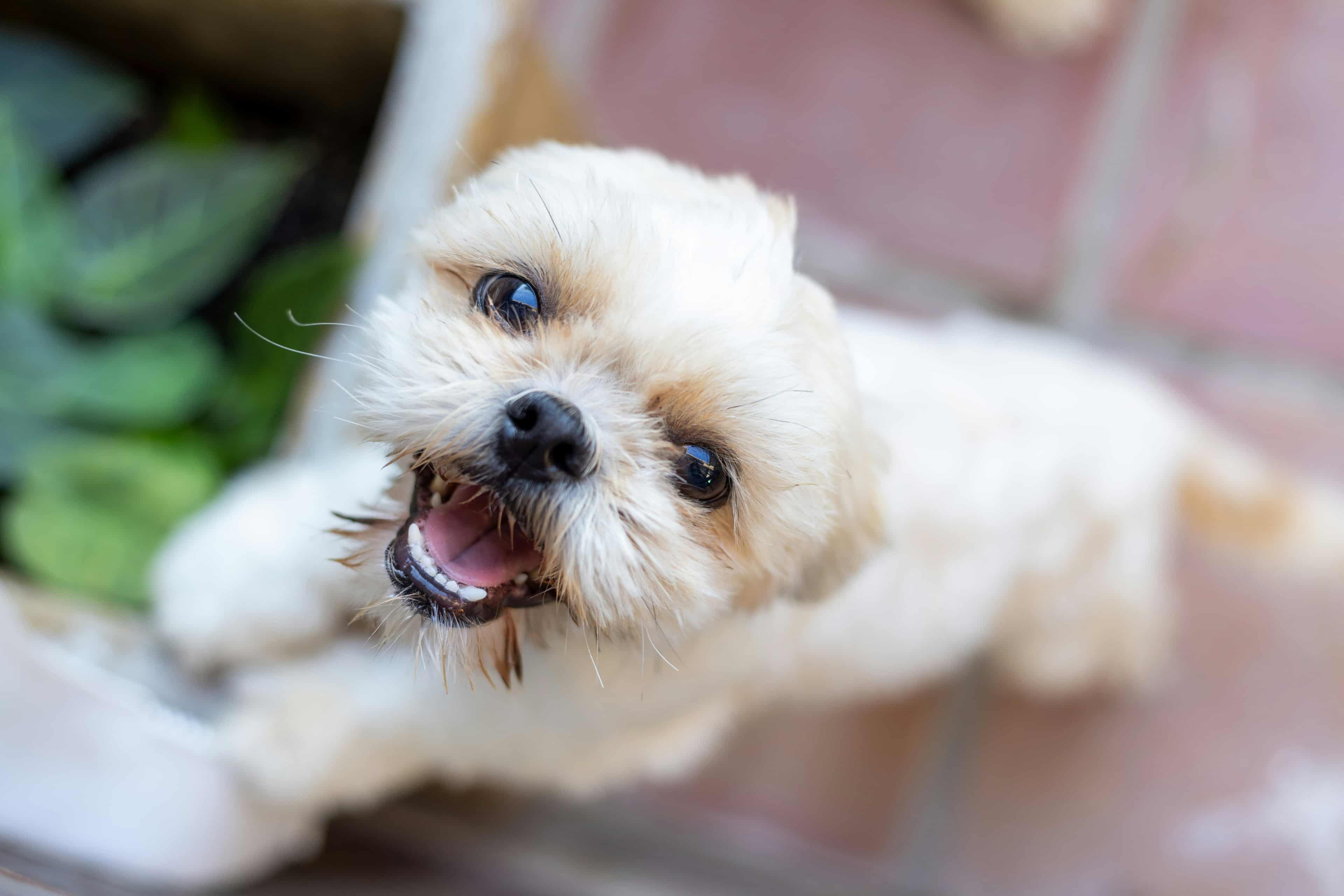
Pekingese are small toy dogs with a proud expression, a long coat, and a much bigger personality than their size suggests. A good Pekingese is usually devoted to its chosen people, calm indoors, alert to visitors, and confident enough to act like the household belongs to it. This is not a high-energy breed, but it is not a no-effort lap dog either: grooming, heat and breathing caution, eye protection, dental care, barking, and patient training are all real parts of the fit.

Is the Pekingese right for your home?

Best match for...

Calm Homes
Grooming Ready Owners
Loyal Toy Dog Fans

Strong fit if...

You want a devoted small companion

Pekingese often bond closely with their people and enjoy a steady home routine.

You prefer gentle daily activity

Short walks, indoor play, and relaxed companionship usually fit better than long runs or rough games.

You can keep up with coat care

The coat, face folds, eyes, teeth, nails, and ears all need regular attention.

You like a confident little watchdog

Many Pekingese notice visitors, hallway sounds, and changes around the home.

Think twice if...

You want a very easy-care coat

A long Pekingese coat can mat, collect debris, and need professional grooming if it is not kept short.

Your home has rough young-child play

Pekingese can be sturdy in attitude but small in body, so they are usually better with calm older children than toddlers who may grab, chase, or drop them.

You live in a hot climate without a cooling plan

Heat, humidity, stress, and hard exercise can be risky for this short-faced breed.

You expect instant obedience

Pekingese are smart, but many are independent. Training needs patience, rewards, and consistency.

What daily life feels like

Daily life

A small dog with palace-level confidence

Pekingese were shaped as cherished companions, and many still carry themselves like important little dogs. They may be calm on the sofa, serious about a favorite person, and quick to alert when something changes.

Daily life

Apartment-friendly, but not silent

The size and modest exercise needs can work well in apartments, condos, and smaller homes, but barking needs a plan for doorbells, neighbors, window activity, guests, or boredom.

Daily life

Gentle exercise is usually enough

Most healthy adult Pekingese do well with short daily walks, relaxed indoor play, sniffing breaks, and low-key training games. Avoid hard running, long hikes, and heavy exercise in heat or humidity.

Daily life

Grooming is a major part of the breed

The long double coat needs regular brushing, especially behind the ears, under the legs, around the chest, near the tail, and anywhere friction creates tangles. Face folds, eyes, nails, teeth, ears, and professional grooming also belong in the plan.

Training and handling

Training

Make training worth the dog's attention

Short, clear, rewarding lessons help with name response, leash walking, wait, leave it, come, settle, grooming handling, and polite greetings. Harsh correction can make this breed shut down, ignore you, or defend itself.

Training

Build a polite watchdog routine

Alertness is normal for many Pekingese. Reward the first quiet pause after a bark, teach a place to settle after the doorbell, and avoid letting window watching become an all-day job.

Training

Handle the body carefully

Support the chest and rear when lifting, use ramps or steps if furniture jumps are risky, supervise play with larger dogs, and teach children to avoid grabbing the coat or face.

Training

Socialize without forcing friendliness

A Pekingese may be affectionate with family and reserved with strangers. Keep introductions short and positive around visitors, grooming tools, vet handling, car rides, city noise, children, and other dogs.

Health and cost

Plan for it

Breathing and heat need serious caution

Pekingese are short-faced dogs, so breathing and cooling can be harder for them than for longer-muzzled breeds. Trouble breathing, blue or pale gums or tongue, collapse, severe weakness, heavy belly effort while breathing, or signs of heat distress are emergencies; move the dog to shade or cool air, use cool water rather than ice-cold water, and contact an emergency veterinarian right away.

Plan for it

Eyes need fast attention

The large eyes and short muzzle make eye injuries and irritation especially important. Squinting, redness, rubbing, discharge, cloudiness, swelling, or sudden vision changes need veterinary guidance, and a painful, swollen, injured, suddenly cloudy, or closed eye needs an emergency veterinarian right away.

Plan for it

Backs, knees, teeth, and coughing belong in the plan

Ask about breathing history, eye history, kneecap problems, dental disease, back or neck problems, skin-fold irritation, and chronic coughing. Sudden severe back or neck pain, inability to stand or walk, dragging one or more legs, severe wobbliness, loss of bladder or bowel control, or inability to urinate should be treated as urgent.

Plan for it

Budget for grooming, dental care, and emergencies

A Pekingese is small, but the lifetime budget can be meaningful. Plan for quality food, preventive vet care, dental cleanings, grooming tools, professional grooming, training help, safe harnesses, cooling supplies, pet sitting or boarding, and emergency savings.

Did you know?

Pekingese have imperial roots

The breed is closely tied to China, where small lion-like companion dogs were treasured in imperial households. That history helps explain the dignified attitude many Pekingese still show at home.

The coat is part of the look and the work

A full Pekingese coat can look dramatic, but it is also a practical commitment. Shorter trims can make daily life easier for many family dogs, especially in warm climates or busy homes.

Small does not mean delicate in spirit

Pekingese are toy dogs, but many are bold, steady, and serious about their opinions. The best owners respect that confidence while still teaching calm household rules.

Flat-faced care is part of ownership

The short face is central to the breed's look, but it also changes daily decisions. Heat, weight, collars, hard exercise, airway noise, and eye protection all deserve more attention than they would for many longer-muzzled breeds.

More ways to compare the Pekingese

Pekingese FAQ

FAQ

Are Pekingese good pets?

Pekingese can be excellent pets for calm homes that want a loyal, affectionate, confident toy companion. They are less ideal for people who want a rough-and-tumble dog, a very low-grooming dog, or a breed that enjoys hard exercise in warm weather.

FAQ

Are Pekingese high maintenance?

Pekingese are high-maintenance for grooming and health management, even though their exercise needs are modest. The coat, face folds, eyes, teeth, breathing, heat safety, and weight all need steady attention.

FAQ

Do Pekingese bark a lot?

Many Pekingese are alert barkers. They may bark at visitors, doorbells, hallway noise, window activity, other dogs, or boredom. Training and management can help, but someone who needs a very quiet dog should think carefully.

FAQ

Do Pekingese shed?

Yes. Pekingese have a thick double coat and usually shed moderately, with heavier seasonal shedding for some dogs. Brushing helps control loose hair and prevents mats, but it does not make the breed low-maintenance.

FAQ

Are Pekingese hypoallergenic?

No dog is truly hypoallergenic. Pekingese shed and still produce dander and saliva proteins that can trigger allergies. Allergy-sensitive homes should spend time around the breed before deciding.

FAQ

Are Pekingese good with kids?

Pekingese can do well with respectful, supervised older children. They are usually a harder match for toddlers or rough play because they are small, protective of their space, and not built for grabbing, chasing, or being dropped.

FAQ

Can Pekingese be left alone all day?

Some adult Pekingese can learn a normal alone-time routine, especially if they are exercised, settled, and given a predictable schedule. Puppies, seniors, anxious dogs, and dogs with medical needs usually need shorter absences or help from family, walkers, or pet sitters.

FAQ

How long do Pekingese live?

A typical Pekingese lifespan is about 12-15 years. Healthy weight, dental care, grooming, heat protection, regular vet visits, and fast attention to breathing, eye, back, or movement changes help protect quality of life.

FAQ

What are the disadvantages of a Pekingese?

The main challenges are grooming, shedding, barking, independence, heat sensitivity, eye vulnerability, dental care, and short-faced breathing risks. A Pekingese is small, but it is not a low-responsibility breed.

FAQ

Pekingese vs. Shih Tzu: which is better?

Neither breed is better for everyone. A Pekingese often feels more independent, dignified, and watchdog-like. A Shih Tzu is often more openly social and companion-focused. Compare both by grooming, heat caution, barking, family routine, and how much independence you enjoy in a small dog.
Breeds similar to the Pekingese

Browse all breeds
Shih Tzu

Shih Tzu

Toy Small Medium energy

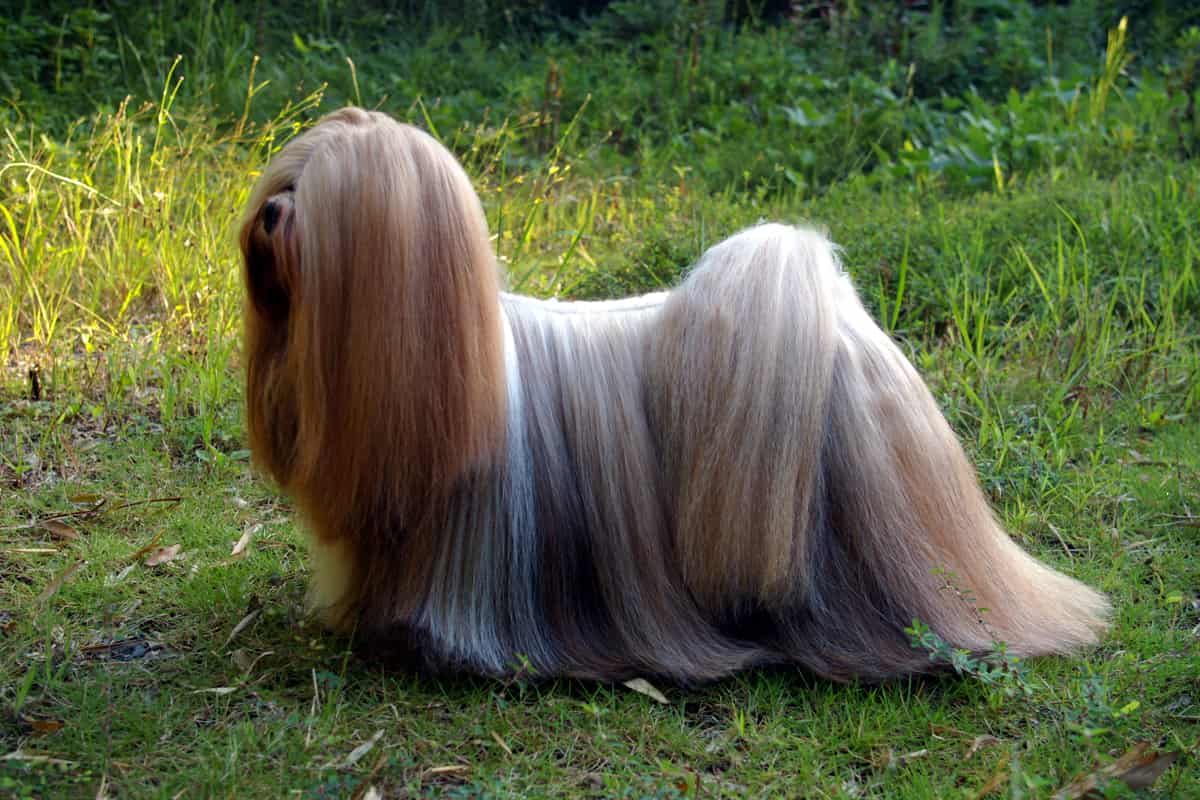
Shih Tzus are compact companion dogs bred to stay close to their people, not to power through all-day activity. They usually fit homes that want an affectionate, adaptable small dog and are ready for regular grooming, gentle daily exercise, and extra care around eyes, teeth, and hot weather.

Lhasa Apso

Lhasa Apso

Non-Sporting Small Medium energy

Lhasa Apsos are small non-sporting companions with loyal, alert, confident personalities and a long coat that needs steady care. They can fit apartments and calmer family homes when owners plan for barking, patient training, regular grooming, eye care, dental care, and heat-safe routines.

Pug

Pug

Toy Small Medium energy

Pugs are affectionate little companion dogs with a funny streak, a strong habit of staying close to their people, and a much more hands-on care profile than their small size suggests. They usually fit best in homes that want a true indoors-first dog and are realistic about shedding, heat sensitivity, noisy breathing, and regular day-to-day upkeep. A Pug can be a great match for families, kids, and homes with other dogs, but the right fit depends on gentle handling, clear routines, and owners who do not mistake small for low maintenance.

Brussels Griffon

Brussels Griffon

Toy Toy Medium energy

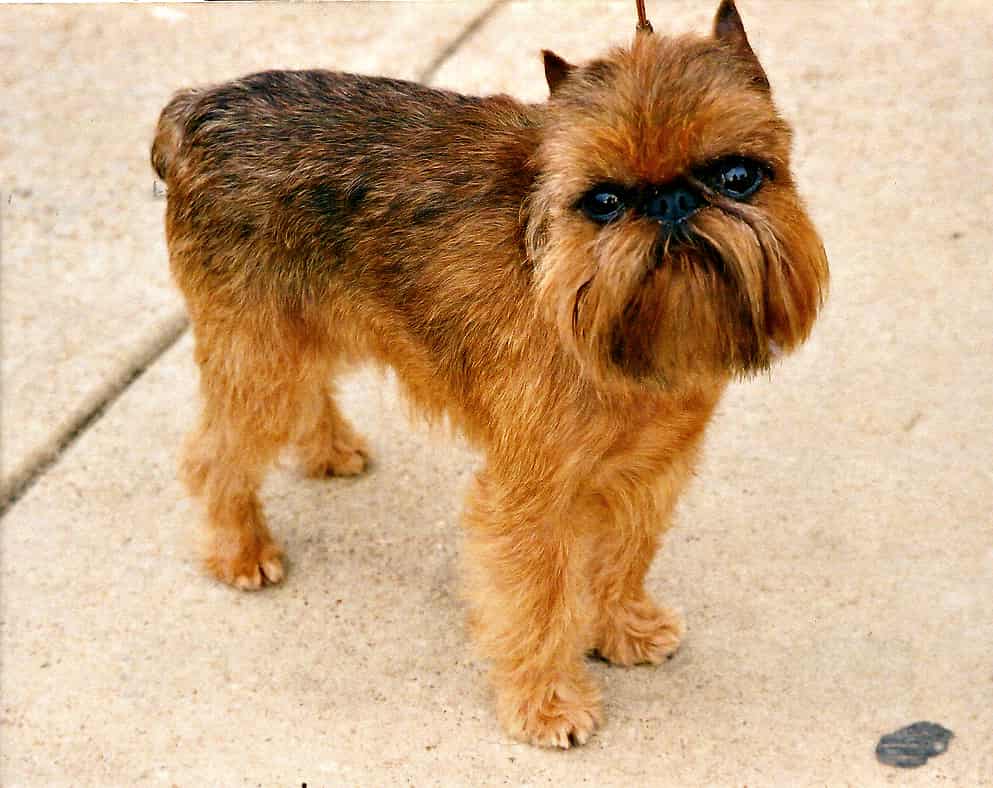
Brussels Griffons are tiny toy companions with loyal, alert, funny personalities and a strong need to stay close to their people. They can fit apartments and smaller homes when owners plan for barking, gentle handling, grooming, dental care, eye protection, and heat-safe short-faced care.

Cavalier King Charles Spaniel

Cavalier King Charles Spaniel

Toy Small Medium energy

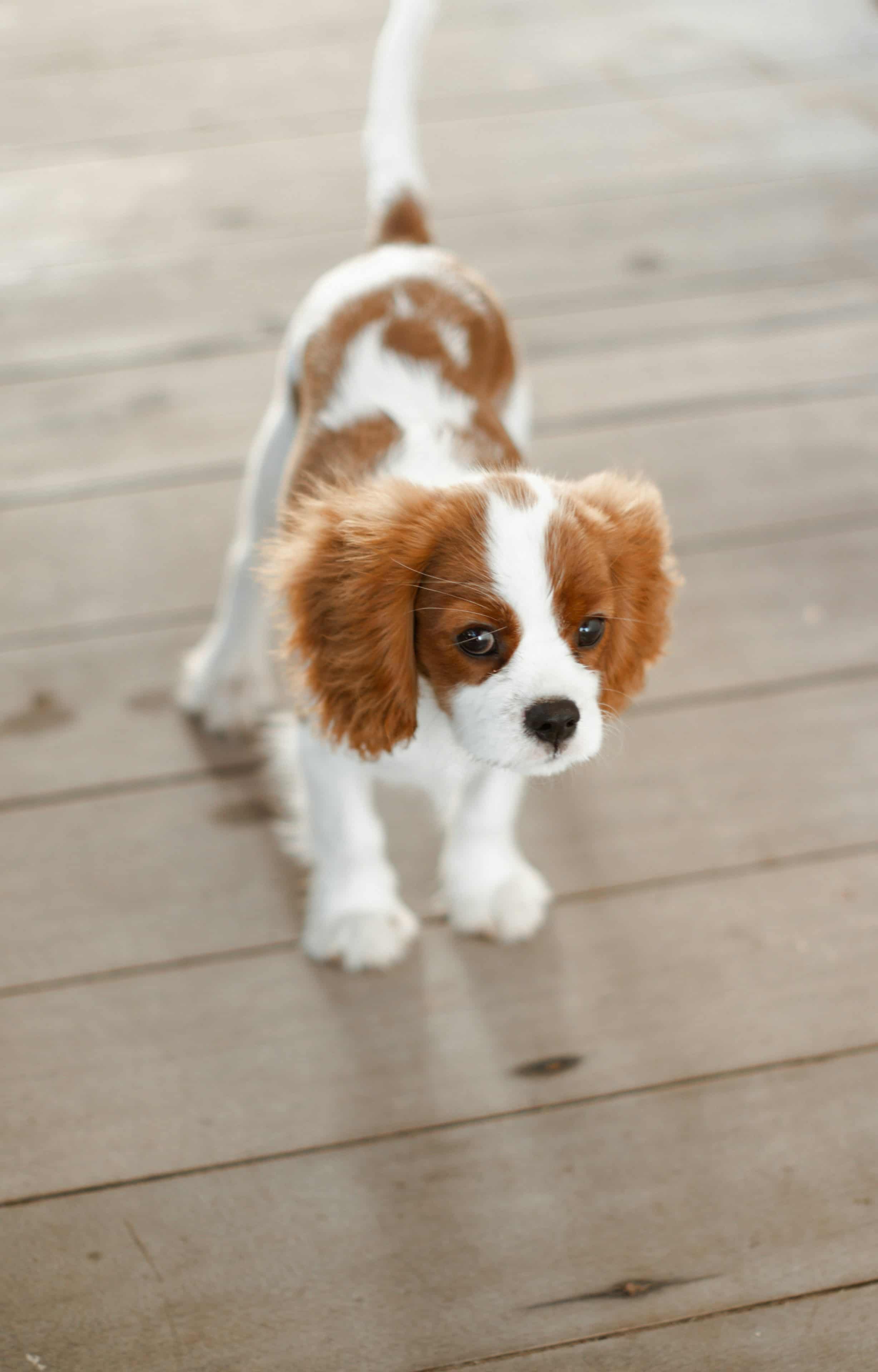
Cavalier King Charles Spaniels are affectionate toy companions that fit many homes, but they need regular grooming and careful health screening.

Havanese

Havanese

Toy Small Medium energy

People are often drawn to the Havanese for its funny, intelligent, and outgoing mix wrapped in a small toy frame. They fit best when family households that want a dog involved in everyday home life can plan around coat upkeep and grooming and noise management instead of treating the breed like a plug-and-play match.

Maltese

Maltese

Toy Toy Medium energy

Maltese dogs are tiny companion dogs known for a gentle, affectionate temperament and a long silky white coat that sheds less than many breeds but needs regular upkeep. They often fit people who want a very close house dog that can handle apartment-sized living, but the breed is not effortless: brushing, dental care, house-training patience, and careful handling all matter more than the size suggests.

Pomeranian

Pomeranian

Toy Toy Medium energy

People are often drawn to the Pomeranian for its huge coat, fox-like face, and oversized confidence. This breed fits best when a home wants a tiny companion with real opinions, can stay ahead of barking and grooming, and understands that small size does not remove the need for training, supervision, or daily routine.

Breed Traits

Energy Level2/5
Trainability3/5
Shedding3/5
Health Concerns4/5
Barking Tendency4/5
Good with Kids2/5
Good with Dogs3/5