Browse Breeds A-Z
Toy Group

Miniature Pinscher

FearlessEnergeticPlayful
Miniature Pinscher

Height

10-12.5 inches

Weight

8-10 pounds

Life Expectancy

12-16 years

Size

Toy

What Miniature Pinschers are like

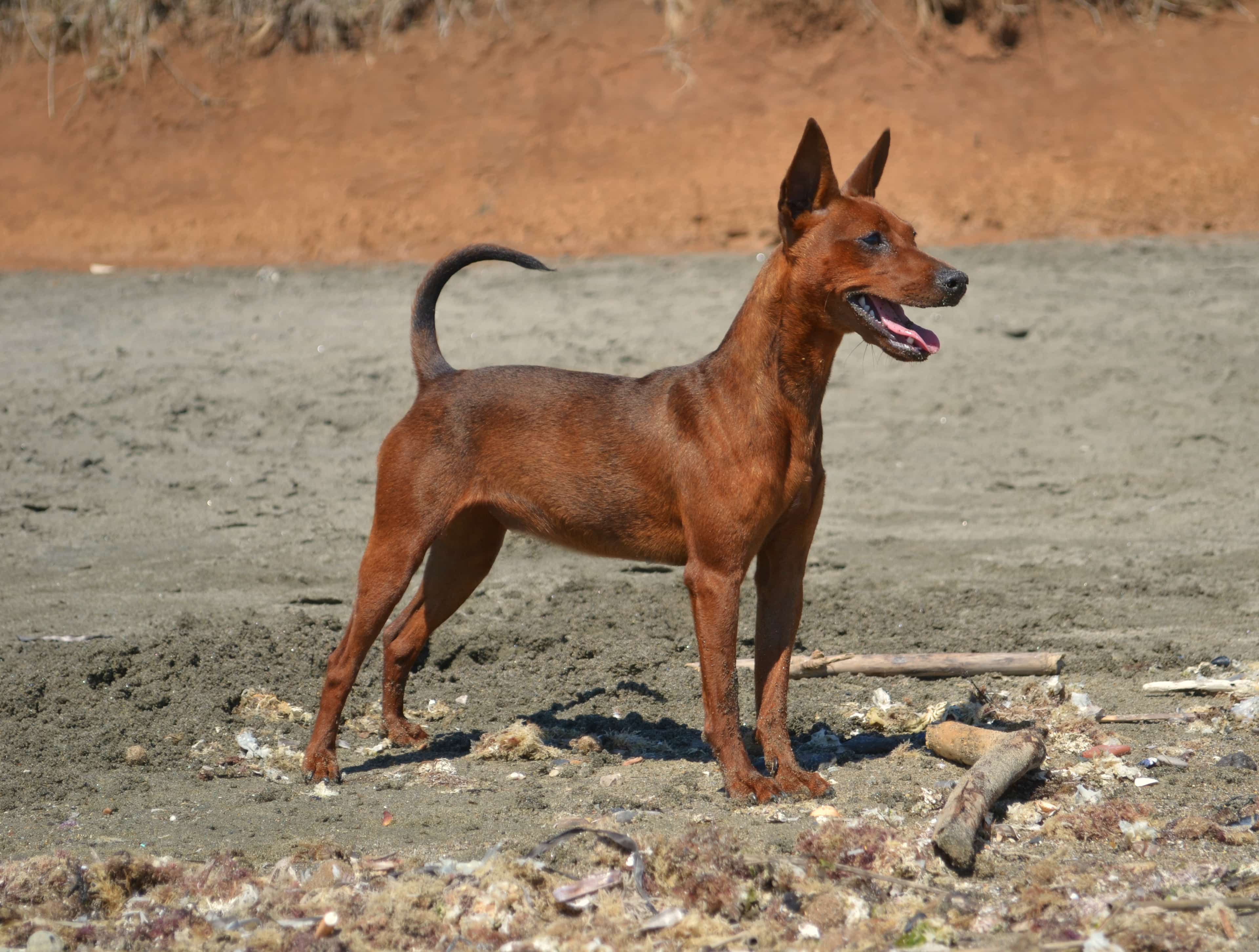
Miniature Pinschers are tiny toy dogs with fearless, energetic, playful personalities and a much bigger presence than their size suggests. They can fit apartments and smaller homes when owners plan for barking, daily activity, door safety, gentle handling, patient training, cold-weather care, and routine veterinary attention.

Is the Miniature Pinscher right for your home?

Best match for...

Active Families
Training Ready Homes
Alert Dog Fans

Strong fit if...

Small dog with spark

You want a compact, funny, confident toy dog that brings a lot of life into a small home.

Daily movement is realistic

Walks, indoor play, training games, fetch, sniffing time, and safe running space can stay on the routine.

Clever training sounds fun

You like teaching clear rules with rewards, short lessons, and consistent boundaries instead of expecting autopilot obedience.

Door and fence safety matter

You can manage gates, leashes, harnesses, recall practice, and open doors for a fast curious dog.

Think twice if...

Quiet lap dog expectations

Many Miniature Pinschers cuddle, but they are also active, alert, vocal, and busy rather than sleepy decoration dogs.

Rough young-child play

Min Pins are sturdy for their size, but children still need gentle handling, supervision, and respect for the dog's space.

Barking or chasing is a dealbreaker

Doorbells, visitors, window activity, squirrels, birds, and passing dogs may all trigger barking or pursuit without a plan.

Off-leash freedom matters

A moving target can be more exciting than a recall cue, so unfenced areas are rarely a safe default.

What daily life feels like

Daily life

A tiny dog with a big agenda

A Miniature Pinscher often patrols windows, investigates household movement, and jumps into play with full confidence.

Daily life

Apartment-friendly, not automatically quiet

Size can fit apartments and condos, but quiet cues, blocked window views, door practice, and daily activity matter with shared walls.

Daily life

Exercise is small-dog sized, not optional

Brisk walks, play sessions, short training games, puzzle toys, and safe sniffing time usually work better than one quick potty break.

Daily life

Short coat, real care routine

Brush weekly, bathe as needed, trim nails, check ears, brush teeth, and use warm layers for cold rain, wind, or winter walks.

Training and handling

Training

Start with doors and leashes

Teach wait at doors, coming when called, leash walking, leave it, drop it, and settling while management keeps the dog safe.

Training

Reward the dog you want

Food rewards, toys, praise, short practice, and consistent rules usually work better than harsh correction with this independent toy breed.

Training

Give prey drive a safe outlet

Fetch with rules, chase games with toys, find-it games, and supervised play help channel the instinct to notice and chase movement.

Training

Socialize without rough handling

Introduce people, dogs, kids, grooming tools, vet handling, cars, and new sounds in small positive steps instead of forced greetings.

Health and cost

Plan for it

Knees and hips need attention

Call a veterinarian for limping, skipping on a back leg, hip pain, reluctance to jump, or sudden movement changes. If the dog cannot stand or walk, drags a leg, cries in severe pain, or loses bladder or bowel control, limit movement and seek emergency vet help right away.

Plan for it

Eyes, teeth, and routine care matter

Ask about eye history, dental disease, thyroid issues, heart concerns, seizures, knees, hips, and family health history. Eye injuries, sudden vision changes, or a painful swollen eye need urgent veterinary help.

Plan for it

Know the urgent signs

Collapse, severe weakness, trouble breathing, pale gums, prolonged or repeated seizures, poisoning, heat distress, repeated unproductive vomiting, a swollen or painful belly, sudden severe pain, or puppy tremors, wobbliness, extreme sleepiness, or sudden weakness need emergency vet help right away.

Plan for it

Budget beyond the small food bowl

Preventive vet care, dental cleanings, training help, secure harnesses, warm clothing, safe toys, boarding, and emergency savings still count.

Did you know?

The nickname is King of Toys

Miniature Pinschers are often called the King of Toys because they carry themselves with so much confidence.

They are not tiny Dobermans

Miniature Pinschers and Doberman Pinschers are separate breeds with very different size, history, strength, and handling needs.

Their gait is part of the look

A classic Miniature Pinscher has a high-stepping gait that can make the breed look showy even at a walk.

Cold weather can surprise owners

The short shiny coat is easy to keep clean, but it does not offer much insulation in chilly weather.

More ways to compare the Miniature Pinscher

Miniature Pinscher FAQ

FAQ

Are Miniature Pinschers good house dogs?

Miniature Pinschers can be good house dogs for active homes that train, supervise, and give them daily movement. They are small enough for apartments, but barking, door-dashing, and energy need a plan.

FAQ

What are the downsides of a Miniature Pinscher?

The main downsides are barking, high energy for a toy dog, escape attempts, prey drive, independence, and the need for consistent training. They can also be too bold around bigger dogs or rough young children.

FAQ

Do Miniature Pinschers bark a lot?

Many Miniature Pinschers are alert barkers. They may bark at doors, visitors, window activity, other dogs, boredom, or outdoor movement. Quiet cues, blocked window views, exercise, and calm door routines help.

FAQ

Do Miniature Pinschers like to cuddle?

Many Miniature Pinschers like to cuddle with trusted people, especially under blankets or near a favorite person. They are usually affectionate, but they still need play, training, and independence skills.

FAQ

How much exercise does a Miniature Pinscher need?

Most healthy adults need daily walks plus play or training. The exercise is small-dog sized, but it should still happen every day. A bored Min Pin is more likely to bark, chew, chase, or look for trouble.

FAQ

Are Miniature Pinschers good with kids?

They can do well with respectful, supervised children. Older kids who understand gentle handling are usually an easier match than toddlers who grab, chase, or fall on small dogs.

FAQ

Can a Miniature Pinscher be left alone all day?

Some adults can learn a normal alone-time routine, but long, boring days are hard for many Min Pins. Puppies, anxious dogs, and high-energy adults may need shorter absences, a walker, daycare, or help from family.

FAQ

Are Miniature Pinschers hypoallergenic?

No. Miniature Pinschers have short coats and may shed less than many breeds, but no dog is truly hypoallergenic. Allergy-sensitive homes should spend time around the breed before deciding.

FAQ

How long do Miniature Pinschers live?

Miniature Pinschers often live about 12-16 years. Healthy weight, dental care, safe exercise, preventive vet visits, and quick attention to limping, eye symptoms, seizures, or sudden weakness all help protect quality of life.

FAQ

Miniature Pinscher vs. Doberman: are they the same breed?

No. A Miniature Pinscher is not a mini Doberman. They are separate breeds. A Min Pin is a toy dog with a bold, alert personality. A Doberman is a large working dog with very different space, training, strength, and handling needs.
Breeds similar to the Miniature Pinscher

Browse all breeds
Chihuahua

Chihuahua

Toy Toy High energy

Chihuahuas are tiny, alert companion dogs that fit homes ready for a close-shadow dog, gentle handling, and steady training so barking and guarding do not run the house.

Italian Greyhound

Italian Greyhound

Toy Small High energy

Italian Greyhounds are tiny sighthounds with elegant lines, quick bursts of speed, and a strong habit of staying close to their people. They usually fit best with gentle households that want an affectionate small dog and can plan for careful handling, regular play, and extra warmth in cold weather.

Miniature Schnauzer

Miniature Schnauzer

Terrier Small Medium energy

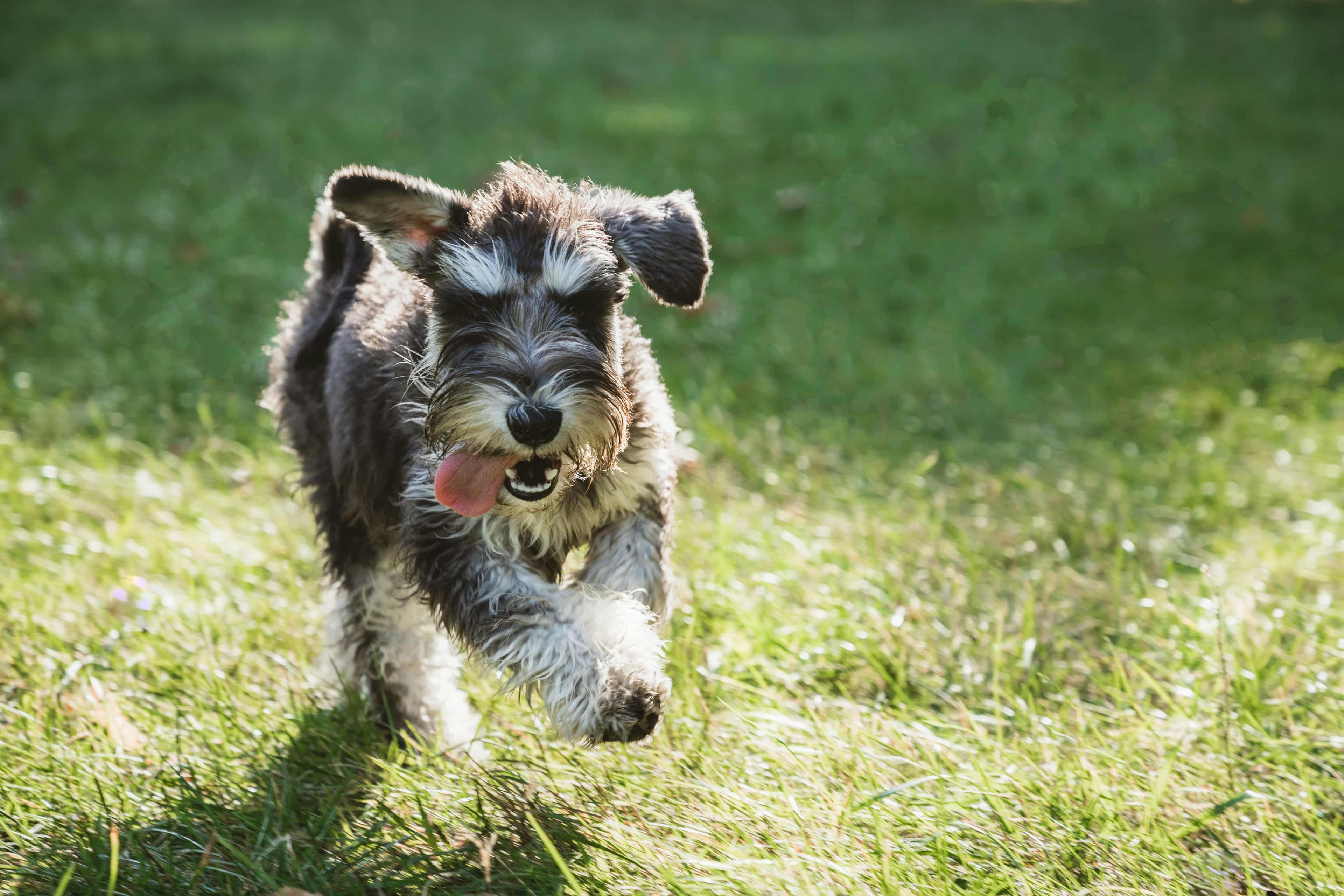
Miniature Schnauzers are smart, alert small dogs with low-shedding coats, watchdog instincts, and a need for regular grooming, exercise, and mental work.

Pomeranian

Pomeranian

Toy Toy Medium energy

People are often drawn to the Pomeranian for its huge coat, fox-like face, and oversized confidence. This breed fits best when a home wants a tiny companion with real opinions, can stay ahead of barking and grooming, and understands that small size does not remove the need for training, supervision, or daily routine.

Toy Poodle

Toy Poodle

Toy Toy High energy

Toy Poodles are tiny dogs with outsized brains, springy energy, and a strong habit of staying tuned in to their people. They fit homes that want a highly trainable companion in a very small body and do not mind regular grooming, daily mental stimulation, and the alert barking that can come with a bright toy breed.

Rat Terrier

Rat Terrier

Terrier Small High energy

Rat Terriers are bright, athletic small terriers that mix family-dog affection with real watchdog alertness and hunting drive. They fit best with homes that want a very trainable companion and can keep up with daily exercise, mental work, and clear rules around barking and chasing.

Doberman Pinscher

Doberman Pinscher

Working Large High energy

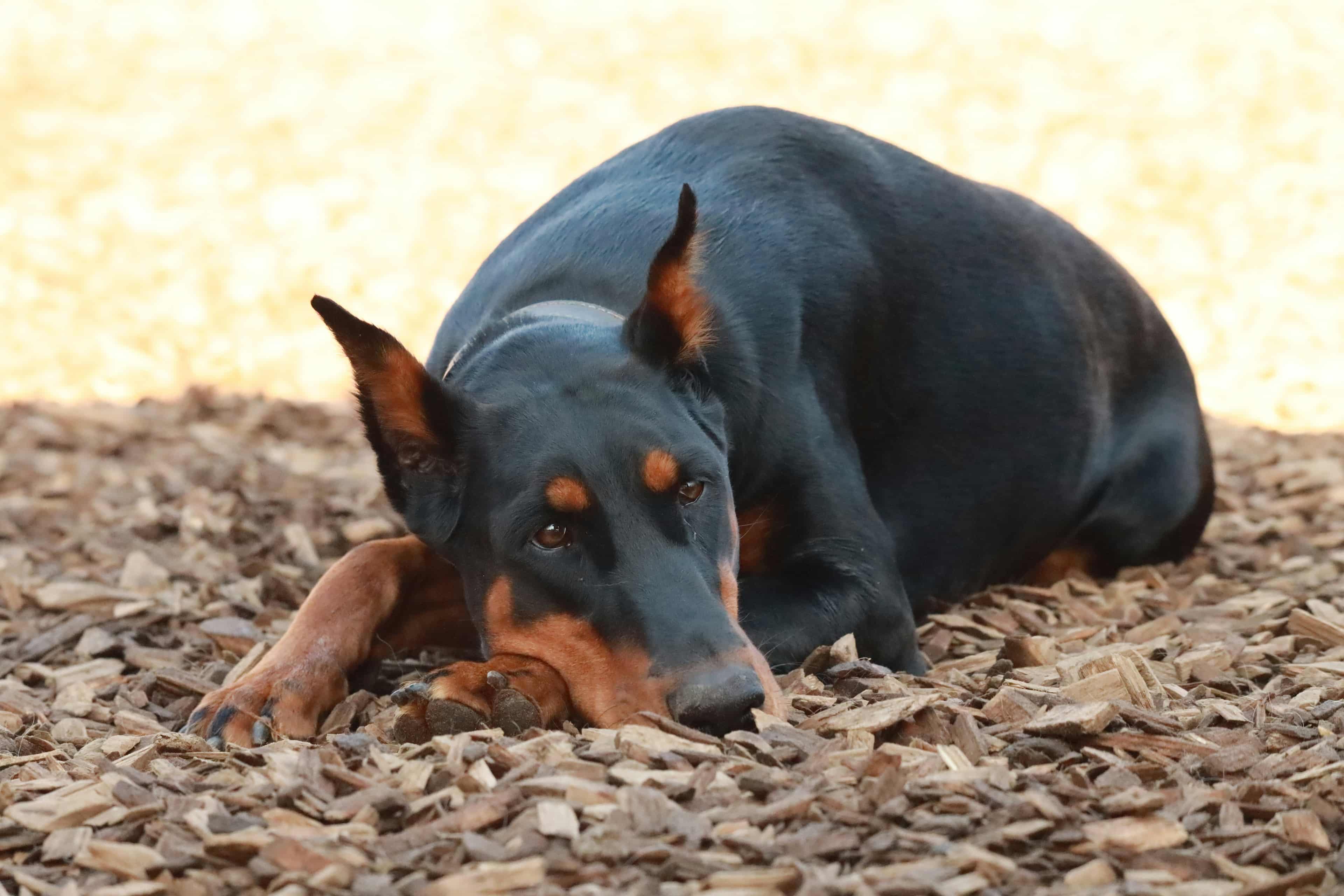
Doberman Pinschers are intelligent, athletic companions with watchdog instincts, best for owners ready for daily training, exercise, and steady socialization.

Breed Traits

Energy Level4/5
Trainability3/5
Shedding3/5
Health Concerns3/5
Barking Tendency4/5
Good with Kids3/5
Good with Dogs3/5