Browse Breeds A-Z
Terrier Group

American Staffordshire Terrier

ConfidentGood-NaturedSmart
American Staffordshire Terrier

Height

18-19 inches (male), 17-18 inches (female)

Weight

55-70 pounds (male), 40-55 pounds (female)

Life Expectancy

12-16 years

Size

Medium

What American Staffordshire Terriers are like

American Staffordshire Terriers are muscular medium-sized dogs that often feel far more people-oriented and affectionate than their tough image suggests. In the right home an AmStaff feels confident, loyal, playful, and closely tied to the family's daily routine. In the wrong home the same dog can feel frustrated, hard to manage on leash, and stronger than the household expected. The biggest lifestyle filters are usually daily exercise, early training, companionship, and honest handling around other animals, not just size.

Is the American Staffordshire Terrier right for your home?

Best match for...

A home that wants a sturdy, affectionate companion, can put daily exercise and training on the calendar, and is ready to stay thoughtful about boundaries, supervision, and other-animal introductions from day one.

People-first homes
Active routines
Thoughtful handlers

Strong fit if...

You want a people-first dog with real presence

A lot of the breed's appeal is this combination. American Staffordshire Terriers often feel deeply attached to their people, but they also bring obvious strength and confidence. For many owners that makes the dog feel both affectionate and substantial.

You can give daily exercise instead of assuming medium size means low effort

Planning for about an hour of daily exercise matches the general reality of the breed. Brisk walks, active play, training games, and other structured outlets usually matter much more than simply having a yard.

You are ready to train a strong dog early

An AmStaff often learns quickly, but strength changes the picture. Leash manners, calm greetings, settling in the house, and good choices around exciting situations are all much easier to build early than to repair later.

You can stay thoughtful about other-animal fit

Some American Staffordshire Terriers live well with other dogs or even cats, especially when introductions are handled carefully. Others need slower management and clearer limits. Homes that accept that individuality early usually do better than homes expecting automatic easy compatibility.

Think twice if...

The dog would spend long days alone most of the week

American Staffordshire Terriers usually like being part of the household instead of treated like a dog that will happily self-manage for hours. The breed can be prone to anxiety, and boredom or separation stress can make the dog much harder to live with.

You want a low-effort dog because the coat is short

The short coat is easier than a heavy double coat, but that does not make the breed easy overall. Exercise, training, supervision, and sturdy handling still belong in the plan.

You need automatic easy fit with every dog or small pet

Proper introductions matter, especially around animals of different sizes, and some AmStaffs may want to chase smaller animals. If your home needs effortless all-animal harmony, this is not the safest breed to assume it from.

Your household cannot stay consistent about rules and supervision

Strong, athletic dogs usually do better when the people around them are calm and predictable. Inconsistent boundaries, rough play, and sloppy supervision tend to create more friction with this breed than they do with softer, less physical dogs.

Compare similar sturdy companion breeds

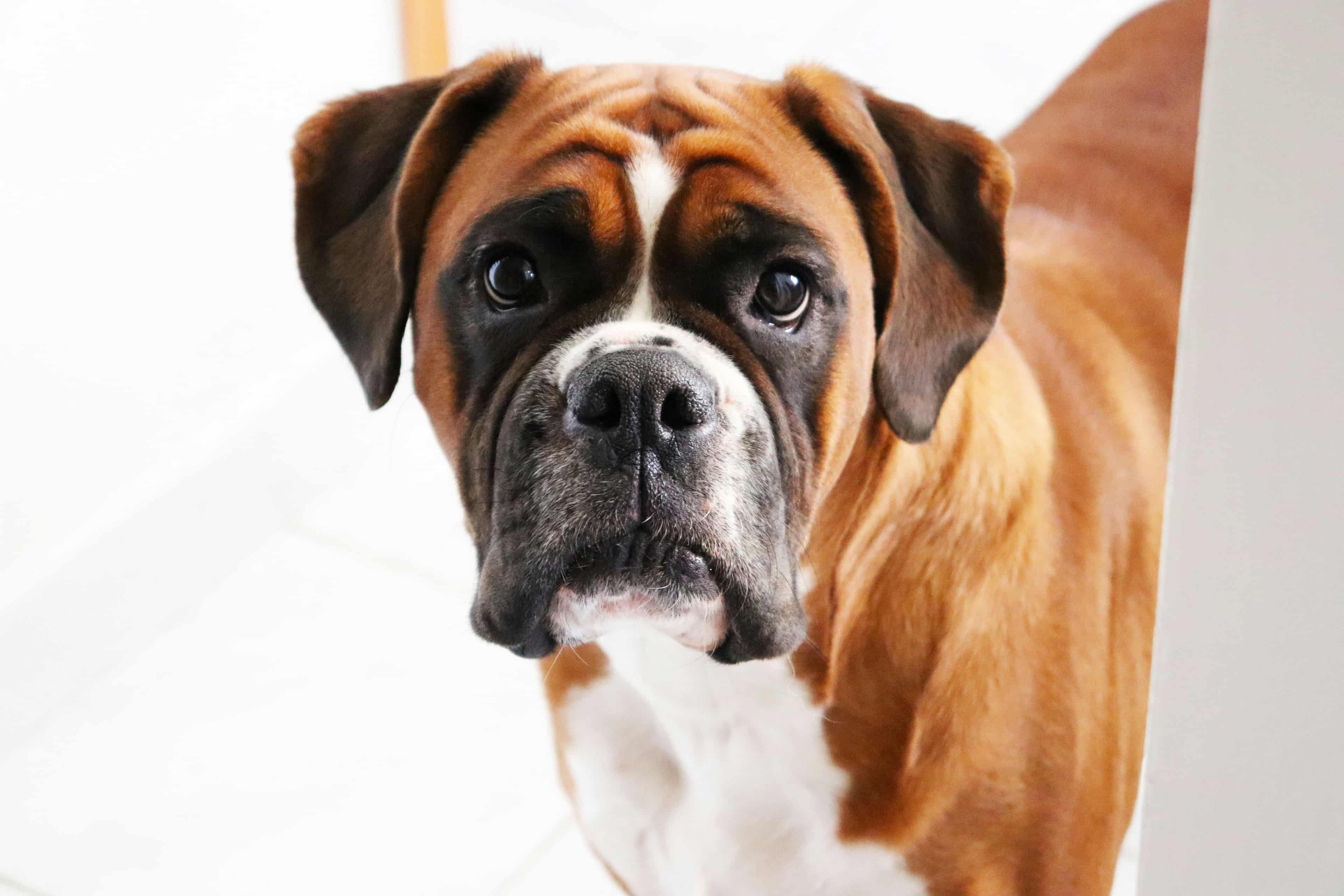
If you are comparing similar muscular, people-oriented breeds, start with the Staffordshire Bull Terrier, Bull Terrier, and Boxer, then use the breed compare tool to line up the tradeoffs side by side or try the match quiz and breed mixer for a broader fit check.

What daily life feels like

Daily life

Many AmStaffs want to be in the middle of the home

For a lot of owners, the best part of the breed is how involved it feels. American Staffordshire Terriers often want to know where their people are, join the room everyone is using, and stay close to the action instead of acting like distant yard dogs.

Daily life

The strength shows up in normal routines

With this breed, ordinary moments still benefit from training. Walks, greetings at the door, moving around children, and excited play all feel easier when the dog already knows how to settle and stay responsive.

Daily life

Exercise needs a real outlet every day

This is an athletic breed, and clear daily exercise guidance matters because the dog usually feels much better when it has somewhere healthy to put that energy. A dog that gets movement, play, and mental work is often easier to enjoy at home than a dog expected to invent its own routine.

Daily life

The coat is simple, but shedding and skin care are still real

Brushing and baths are relatively manageable, and grooming can stay fairly light. But the short stiff coat still sheds, and dogs with allergies or sensitive skin can still need owner attention.

Training and handling

Training

Start leash manners and greetings before strength becomes leverage

An American Staffordshire Terrier is much easier to live with when calm walking, waiting at doors, and polite visitor greetings start early. Waiting until the dog is already pulling hard or body-checking people makes every fix slower.

Training

Socialization should teach calm choices

The goal is not forcing the dog to love every dog, person, or environment. It is teaching the dog how to move through everyday life without overreacting, panicking, or turning every exciting moment into a full-body event.

Training

Reward-based training works best when it stays consistent

The breed is intelligent and eager to learn. That usually shows up best when the rules are clear and repeated, not when every session turns into a contest of will between the dog and the human.

Training

Good with children still means supervised

American Staffordshire Terriers are often patient and loving with children, and that is part of why many families love the breed. But interactions between kids and dogs of any breed still need adult supervision, especially with a dog this strong and playful.

Health and cost

Plan for it

Ask about joint, eye, thyroid, and ataxia history

Hip dysplasia, elbow dysplasia, progressive retinal atrophy, hypothyroidism, and cerebellar ataxia are all issues owners should understand with this breed. That does not mean every AmStaff will develop them, but it does make breeder questions and routine veterinary follow-through worthwhile.

Plan for it

Skin and food allergies can become part of the care routine

Food and skin allergies can become part of life with this breed. The short coat makes grooming simpler, but it does not eliminate the possibility of itchiness, skin flare-ups, or the need to work with your vet on long-term management.

Plan for it

The budget is bigger than food

Training classes, durable gear, boarding, insurance, and emergency care all matter. A medium-sized dog can still be expensive when the dog is muscular, active, and strong enough that low-quality equipment and skipped training quickly become false savings.

Plan for it

Routine care matters even in a generally sturdy breed

American Staffordshire Terriers can live about 12 to 16 years, and the breed is often described as generally healthy overall. That is good news, but it should push owners toward preventive care, healthy body weight, and earlier vet questions, not toward assuming the dog will always take care of itself.

Did you know?

AmStaff is the nickname many owners use

If you spend time around breed owners and breeders, you will hear American Staffordshire Terrier shortened to AmStaff almost immediately.

The breed was officially recognized in 1936

The American Staffordshire Terrier was officially recognized in 1936, though the breed's history goes back much earlier.

They can do well in dog sports

Showsight highlights that American Staffordshire Terriers can do well in many dog sports. That versatility fits a strong, agile dog that often likes working closely with its person.

The modern breed is far more family-oriented than its older image suggests

The breed's older bull-baiting roots are real, but the modern AmStaff is much better understood as a loyal, cuddly companion when it is raised and handled well.

Breeds similar to the American Staffordshire Terrier

Browse all breeds

Breed Traits

Energy Level3/5
Trainability5/5
Health Concerns2/5
Barking Tendency3/5
Good with Kids3/5
Good with Dogs3/5