Browse Breeds A-Z
Non-Sporting Group

Xoloitzcuintli

AlertCalmLoyal
Xoloitzcuintli

Height

10-14 inches (toy), 14-18 inches (miniature), 18-23 inches (standard)

Weight

10-15 pounds (toy), 15-30 pounds (miniature), 30-55 pounds (standard)

Life Expectancy

13-18 years

Size

Medium

What Xoloitzcuintlis are like

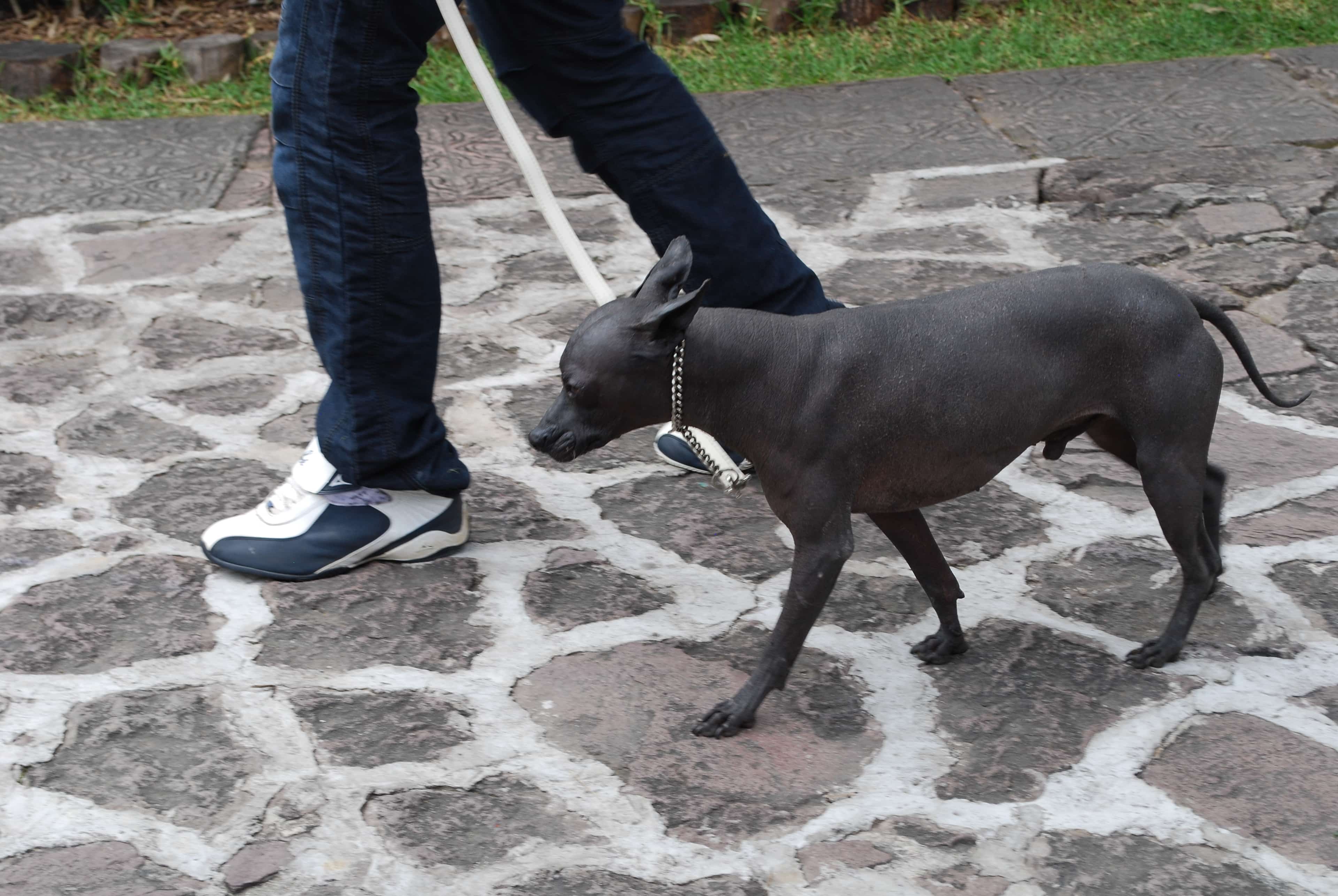
Xoloitzcuintlis, often called Xolos, are ancient Mexican non-sporting dogs with a calm home style, alert watchdog instincts, and a loyal bond with their people. They come in toy, miniature, and standard sizes, and in hairless or short-coated varieties. The right home is ready for patient socialization, kind training, skin or coat care, weather protection, and secure routines around visitors, fences, and small animals.

Is the Xoloitzcuintli right for your home?

Best match for...

Patient Homes
Training Ready Homes
Alert Dog Fans

Strong fit if...

Loyal shadow dog

You want an alert, calm companion that bonds closely with family and likes being part of the household routine.

Skin and weather care is realistic

Hairless Xolos need sun awareness, cold-weather protection, gentle products, and quick attention when irritation appears.

Patient socialization sounds normal

You can introduce people, dogs, handling, visitors, streets, and vet-style care in small positive steps.

You like a watchful house dog

A Xolo usually notices changes around the home and can suit owners who appreciate a reserved, routine-aware companion.

Think twice if...

Instant friendliness matters

Many Xolos are polite but reserved with strangers, and rushed greetings can turn caution into barking, fear, or guarding.

Yards and doors are loose

Some climb, dig, chase wildlife, or test weak spots, so fences, leashes, gates, and recall practice need real attention.

Low-care novelty dog expectations

Hairless does not mean maintenance-free; skin, teeth, nails, temperature, training, and routine vet care still matter.

Rough child play is likely

The breed can live with respectful children, but surprise hugs, chasing, teasing, or noisy handling can be too much.

What daily life feels like

Daily life

Exercise is moderate, not zero

Most adults do well with daily walks, play, sniffing, and mental work; bored Xolos may bark, dig, chew, or patrol intensely.

Daily life

Apartment life can work

Size is not the main challenge. Shared-wall homes need quiet cues, calm hallway practice, and managed window watching.

Daily life

Family life needs supervision

Many Xolos can live with kind children, but meals, sleep, rest spots, and rough play should be protected and supervised.

Daily life

Alone time should build slowly

Because Xolos bond closely, practice calm departures, safe chews, and predictable routines before asking for long solo days.

Training and handling

Training

Socialization is a must

The goal is not a dog that loves everyone; it is a dog that can handle new people, dogs, sounds, and surfaces calmly.

Training

Positive training earns trust

Short sessions with food, play, praise, and clear rules usually work better than harsh corrections with this smart, sensitive breed.

Training

Alert barking needs boundaries

Teach a quiet cue, reward calm check-ins, manage windows, and do not let door or sidewalk patrol become an all-day job.

Training

Prey drive needs management

Use a leash in open areas and secure fences around cats, rabbits, chickens, squirrels, and other fast-moving temptations.

Health and cost

Plan for it

Skin care is part of ownership

Use dog-safe products, keep skin clean, and call a veterinarian for painful skin, open sores, swelling, pus, burns, or irritation that does not improve.

Plan for it

Teeth and mouth care count

Hairless Xolos may have missing or unusual teeth. Brush when possible, plan dental care, and call your vet for mouth pain, loose teeth, bleeding gums, or trouble eating.

Plan for it

Ask about screening

Responsible breeders should discuss knees, hips, eyes, heart checks, skin issues, temperament, and family history before you commit.

Plan for it

Know the emergencies

Trouble breathing, blue or pale gums, collapse, repeated seizures, heat distress, poisoning, severe pain, a swollen belly, repeated unproductive vomiting, or sudden inability to stand or walk needs an emergency veterinarian right away.

Did you know?

The name breaks down

Xoloitzcuintli is commonly said show-low-eats-QUEENT-lee, and many owners simply say Xolo, pronounced show-low.

Not every Xolo is hairless

The breed has hairless and short-coated varieties. Hairless dogs can still have some hair on the head, feet, or tail.

Ancient Mexican roots

The Xolo is strongly tied to Mexico and is often described as one of the oldest dog breeds in the Americas.

Low shedding is not allergy-proof

People can still react to saliva, skin, dander, or small amounts of hair, so allergy-sensitive homes should spend time around Xolos first.

More ways to compare the Xoloitzcuintli

Xoloitzcuintli FAQ

FAQ

How do you pronounce Xoloitzcuintli?

Xoloitzcuintli is commonly pronounced show-low-eats-QUEENT-lee. Many people shorten the name to Xolo, pronounced show-low.

FAQ

Are Xoloitzcuintlis good pets?

Xoloitzcuintlis can be excellent pets for the right home. They are often loyal, alert, clean, and calm indoors as adults, but they need socialization, kind training, skin or coat care, and people who respect their reserved nature.

FAQ

Are Xoloitzcuintlis hypoallergenic?

No dog is truly hypoallergenic. Hairless Xolos may shed less hair than many breeds, but allergies can also come from saliva, skin, and dander.

FAQ

Do Xoloitzcuintli dogs bark a lot?

Many Xolos bark to alert their family, but they should not bark nonstop when their needs are met. Barking often gets worse with boredom, anxiety, under-socialization, or all-day window patrol.

FAQ

Are Xoloitzcuintlis good with kids?

Some Xolos are good with respectful children, especially when raised with them. They are not a great match for rough play, chasing, teasing, or children who ignore dog body language.

FAQ

Can a Xoloitzcuintli be left alone all day?

A Xolo is usually happiest with real time near its people. Some adults can handle a normal workday with training, exercise, and enrichment, but long lonely days are not ideal.

FAQ

Do Xoloitzcuintlis have hair?

Some do and some do not. Hairless Xolos may still have a little hair on the head, feet, or tail, while coated Xolos have a short, flat coat.

FAQ

How much exercise does a Xoloitzcuintli need?

Most adult Xolos need daily walks, play, and mental work. Puppies and young dogs usually need more structure because they can be lively, mouthy, and creative when bored.

FAQ

How long do Xoloitzcuintlis live?

Xoloitzcuintlis often live about 13-18 years. Healthy weight, dental care, skin care, safe exercise, regular vet visits, and prompt attention to changes can support quality of life.

FAQ

What are the disadvantages of a Xoloitzcuintli?

The biggest challenges are skin care, weather protection, stranger caution, alert barking, prey drive, and thoughtful socialization. A Xolo is not a low-effort novelty pet.

FAQ

How much does a Xoloitzcuintli cost?

Cost depends on location, breeder reputation, health testing, size, coat variety, and demand. Plan beyond purchase price for vet care, dental care, grooming or skin-care products, training, food, cold-weather gear, and emergency savings.
Breeds similar to the Xoloitzcuintli

Browse all breeds
Basenji

Basenji

Hound Small High energy

Basenjis are small hound dogs that usually bring independent, poised, and smart traits into everyday life. They tend to reward active households that are prepared for daily exercise and mental work and coat upkeep and grooming.

Chihuahua

Chihuahua

Toy Toy High energy

Chihuahuas are tiny, alert companion dogs that fit homes ready for a close-shadow dog, gentle handling, and steady training so barking and guarding do not run the house.

Italian Greyhound

Italian Greyhound

Toy Small High energy

Italian Greyhounds are tiny sighthounds with elegant lines, quick bursts of speed, and a strong habit of staying close to their people. They usually fit best with gentle households that want an affectionate small dog and can plan for careful handling, regular play, and extra warmth in cold weather.

Shiba Inu

Shiba Inu

Non-Sporting Small Medium energy

Shiba Inus typically pair active, alert, and attentive traits with the presence of a small non-sporting dog. They are often strongest fits for homes where training and structure are part of the weekly routine, especially when the household can stay on top of consistent training and socialization.

Rat Terrier

Rat Terrier

Terrier Small High energy

Rat Terriers are bright, athletic small terriers that mix family-dog affection with real watchdog alertness and hunting drive. They fit best with homes that want a very trainable companion and can keep up with daily exercise, mental work, and clear rules around barking and chasing.

Miniature Pinscher

Miniature Pinscher

Toy Toy High energy

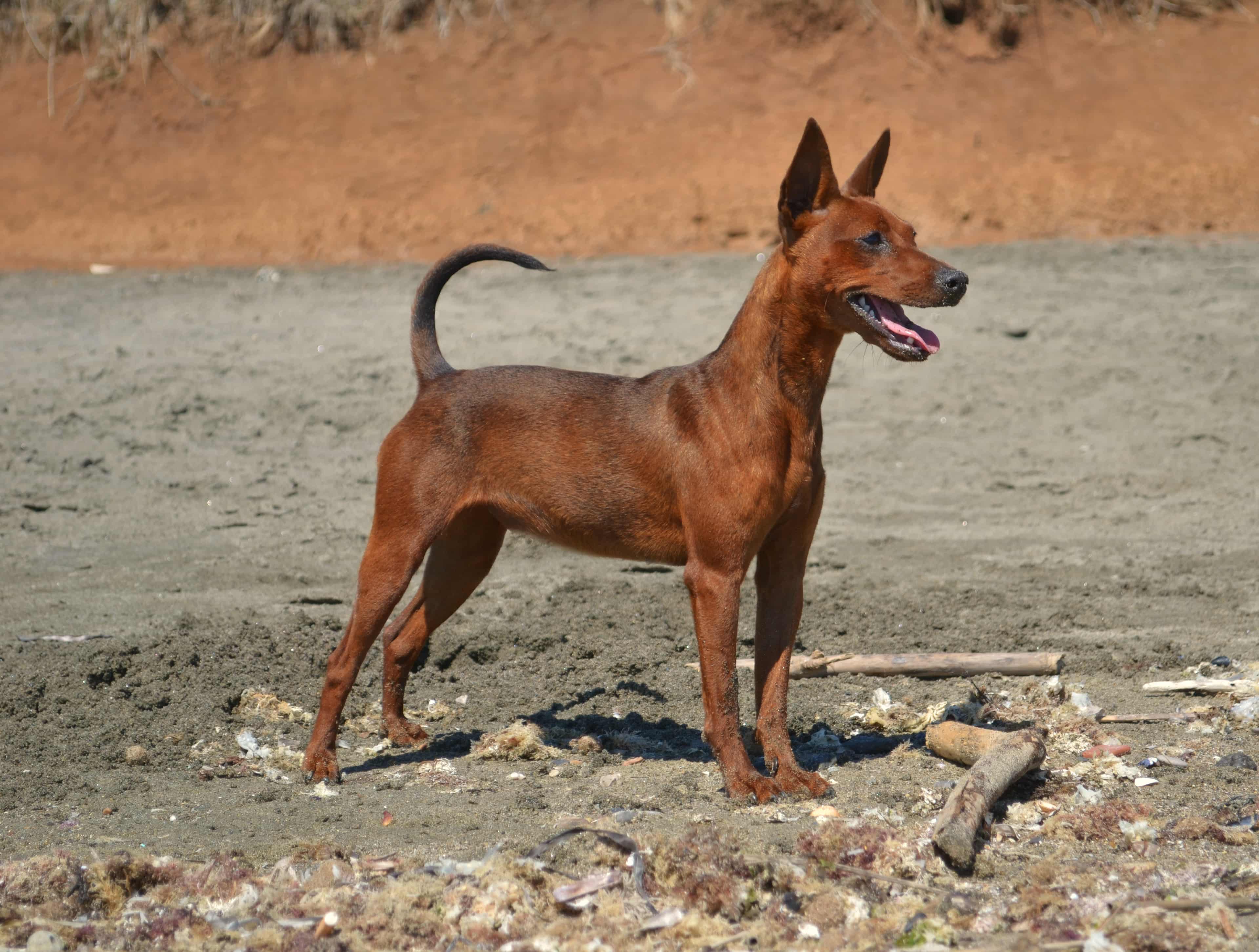
Miniature Pinschers are tiny toy dogs with fearless, energetic, playful personalities and a much bigger presence than their size suggests. They can fit apartments and smaller homes when owners plan for barking, daily activity, door safety, gentle handling, patient training, cold-weather care, and routine veterinary attention.

Whippet

Whippet

Hound Medium High energy

Whippets typically pair affectionate, calm, and playful traits with the presence of a medium-size hound dog. They are often strongest fits for family households that want a dog involved in everyday home life, especially when the household can stay on top of daily exercise and mental work and coat upkeep and grooming.

Boston Terrier

Boston Terrier

Non-Sporting Small High energy

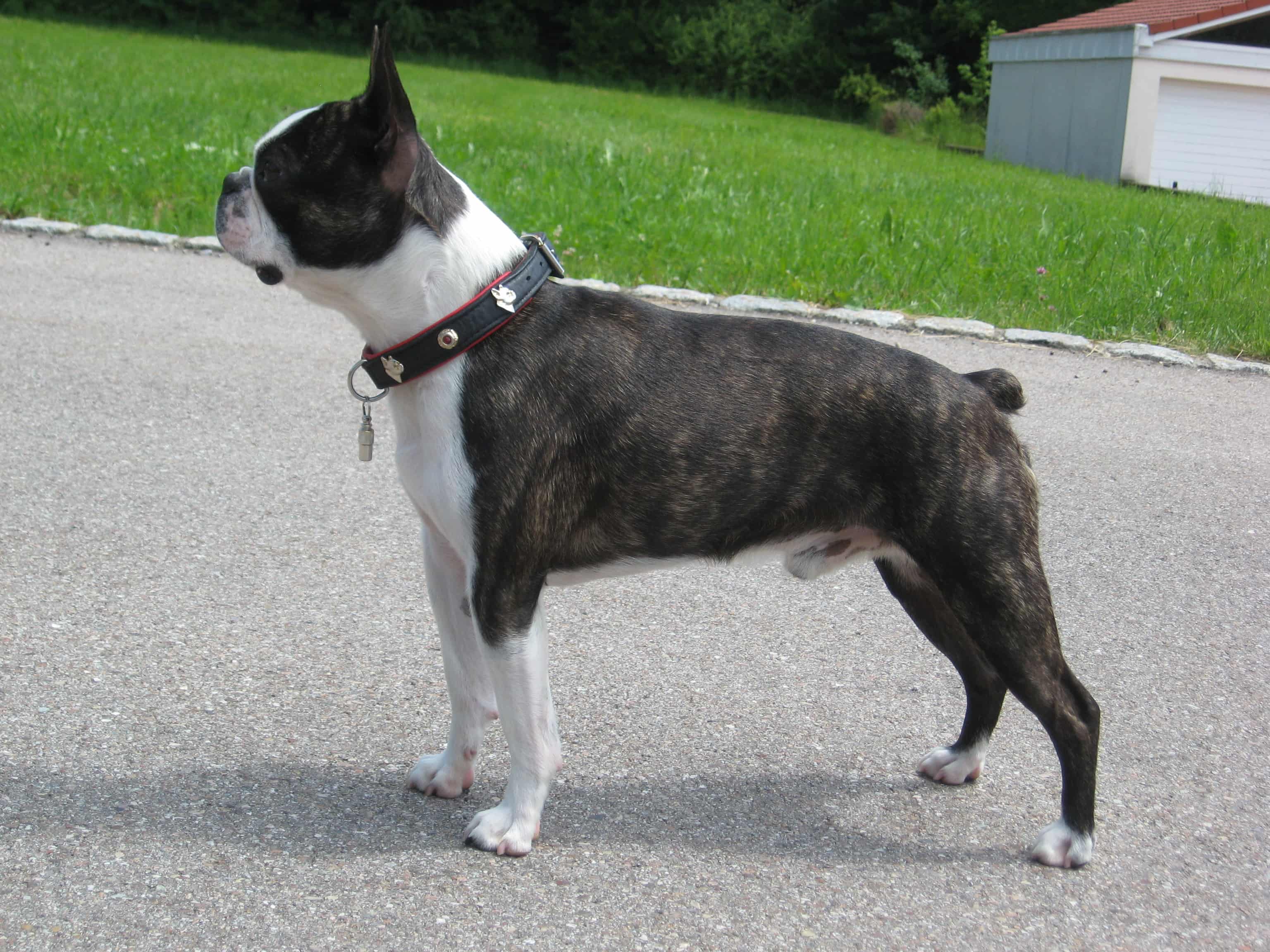
People are often drawn to the Boston Terrier for its amusing, bright, and friendly mix wrapped in a small non-sporting frame. They fit best when family households that want a dog involved in everyday home life can plan around daily exercise and mental work and coat upkeep and grooming instead of treating the breed like a plug-and-play match.

Breed Traits

Energy Level3/5
Trainability4/5
Shedding1/5
Health Concerns3/5
Barking Tendency3/5
Good with Kids3/5
Good with Dogs3/5