Browse Breeds A-Z
Mixed Breed

Shihpoo

AffectionatePlayfulIntelligent

The Shihpoo is a small mixed-breed dog with Shih Tzu and Poodle parents. Many people are drawn to its soft coat and companion-dog look, but a Shihpoo is not a fixed type. Adult size, coat texture, shedding, energy, and face shape can differ a lot from one dog to another. The right match is a person who wants a close companion and is ready for regular grooming, gentle training, and everyday time together.

Shihpoo

Breed type

Shih Tzu and Poodle mix

Size

Small, but adult size varies with the Poodle parent and the individual dog

Typical height

No single breed standard; ask about the parents and adult relatives

Typical weight

No single breed standard; small adults can still vary widely

Life expectancy

No fixed range; health, care, and family history all matter

Energy

Often low to moderate, with a playful side

Coat

May be wavy, curly, silky, or a mix of textures

Shedding

Can be light or more noticeable; it is not guaranteed

What Shihpoos are like

These are planning points, not promises. If you are choosing a puppy, find out whether the Poodle parent is Toy or Miniature, meet the parents when possible, and ask about the adult dogs in that family. If you are adopting, the foster home or rescue may be the best source for the dog's real size, coat care, activity level, and comfort around people and other animals.

Shihpoos are often described as companion dogs because both parent breeds were developed to live closely with people. That does not mean every Shihpoo has the same personality. One may be happy to greet everyone, while another is more watchful, busy, or reserved. A Poodle influence can bring more interest in games and learning; a Shih Tzu influence can bring a slower, people-centered style. The individual dog matters more than the label.

This is a dog that usually does best as part of daily life, not as a pet left to entertain itself for long stretches. A Shihpoo may enjoy a lap, a short game of fetch, a sniff around the block, and then a nap nearby. It still needs attention, training, and a dependable routine. Small does not mean no work.

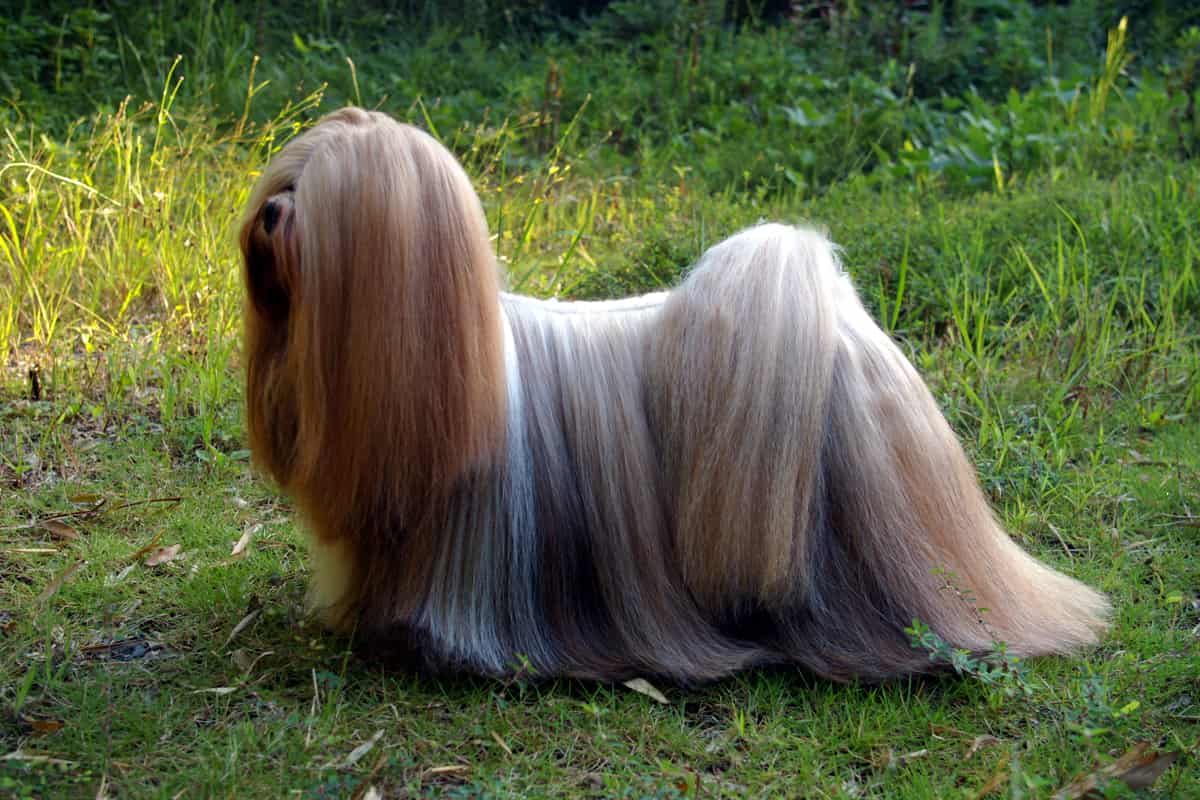
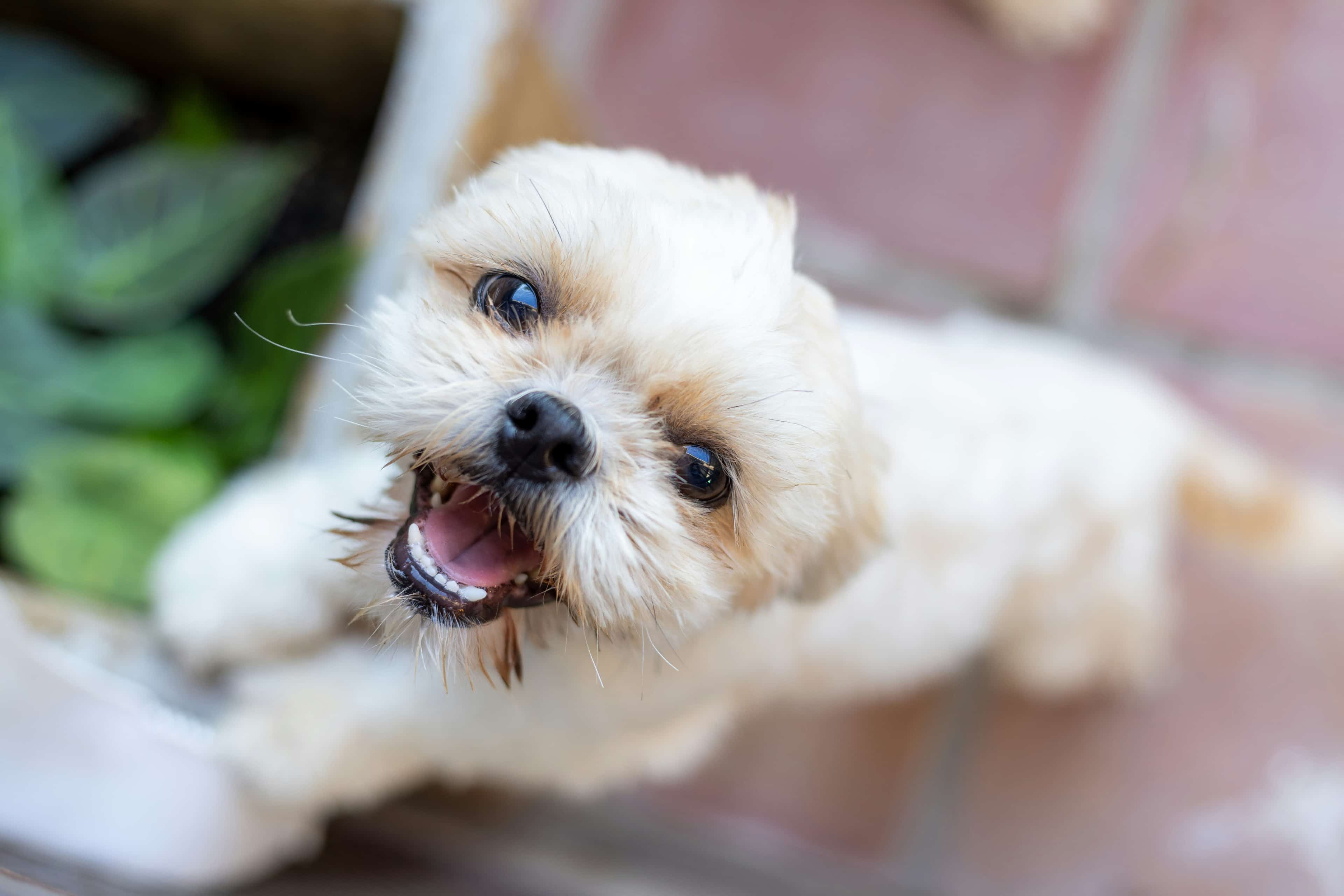
The mix can look very different from dog to dog. Some have a shorter muzzle, rounder eyes, and a softer coat. Others look more Poodle-like, with a longer muzzle or a curlier coat. Do not choose based on a single puppy photo. Ask about grooming needs, breathing, behavior, and how the dog handles everyday sounds, visitors, being picked up, and time alone.
Is a Shihpoo right for your home?

Best match for...

Someone who wants a small companion involved in everyday home life and can make grooming, kind training, and routine care part of the week. A good match enjoys short walks and play, can plan around the dog's need for company, and understands that a low-shedding-looking coat may still need serious maintenance.

Grooming Ready Homes
People Home Often
Gentle Handling Homes
City Homes

Strong fit if...

You want a small dog that can join family time, quiet evenings, walks, and simple games.

You can brush and comb the coat regularly and budget for professional grooming when the coat needs it.

You are willing to use patient, reward-based training for house training, handling, barking, and manners.

You can give the dog daily activity and attention instead of expecting it to be content alone all day.

You will choose the individual dog carefully if young children, cats, other pets, allergies, or frequent visitors are part of the household.

Think twice if...

You want a dog with a guaranteed coat type, size, shedding level, or temperament.

You need a pet that can be left alone for long workdays without a support plan.

You want a wash-and-go coat with little brushing, combing, clipping, or grooming cost.

Someone in the home has dog allergies and has not spent meaningful time with the individual dog.

You expect a small dog to be easy for children to carry, handle, or train without close adult guidance.

What daily life feels like

Daily life

Small outings still matter

A Shihpoo may not need the same kind of exercise as a large working dog, but it still needs a daily routine. Short walks, indoor play, food puzzles, simple scent games, and training can help it use its body and brain. Start with what the dog can handle comfortably, especially if it is young, older, out of shape, or has a short muzzle. Pay attention to the dog in front of you. A lively dog may enjoy a longer walk and more games. A quieter one may prefer several short outings and time to sniff. On hot or humid days, slow down, offer water and shade, and avoid pushing a dog that seems uncomfortable. A yard is useful, but it does not replace shared activity or a walk with its person.

Daily life

The coat needs a real plan

Shihpoo coats can tangle and mat, especially behind the ears, under the collar, around the legs, and where a harness rubs. Brush through the coat all the way to the skin, not only over the top. If you feel tight knots, get help before they become painful. A short clip can make home care easier, but it still requires regular brushing, bathing, nail trims, and face care. Get a puppy used to gentle grooming from the start. Brief, reward-filled practice with a brush, comb, towel, paws, ears, and mouth is easier than trying to teach a full grooming routine later. If the dog needs professional grooming, ask the groomer what you should maintain between visits.

Daily life

Less shedding does not settle the allergy question

Some Shihpoos shed very little, while others shed more. Hair is only part of the picture for people with allergies. Dog allergens can be found in dander and saliva as well, so no dog can promise an allergy-safe home. Before bringing home a Shihpoo, spend time indoors with the actual dog when possible. Talk with an allergy clinician if someone in the home has symptoms. A good match is based on the person's real response to that dog, not a label used in an online listing.

Daily life

Apartments can work with a routine

A Shihpoo can live in an apartment if its needs are met, but square footage is not the whole question. Plan for toilet breaks, walks, play, grooming space, and quiet time. Teach a calm settle, avoid leaving a bored dog to bark at every hallway sound, and make sure the dog can rest without being disturbed. Many small dogs are fragile when handled roughly. Children should sit down before holding the dog, let it move away from unwanted attention, and never bother it while it is eating, sleeping, or using a chew. Adult supervision protects both the child and the dog.

Training and handling

Training

Make good choices easy

Use short, kind lessons that reward the behavior you want. Start with a name response, coming when called indoors, loose-leash walking, settling on a mat, waiting at doors, being handled for grooming, and resting in a safe area. A Shihpoo may be bright and playful, but it can also lose interest if training becomes long or repetitive. Food, toys, praise, and a chance to sniff can all be useful rewards. Keep the lesson simple enough that the dog can succeed, then add distractions slowly. Harsh handling can make a small dog wary of hands and grooming. If you are stuck, ask a qualified trainer who uses humane, reward-based methods.

Training

House training needs patience

Small puppies have small bladders. Take a puppy out after waking, eating, playing, and naps, reward promptly outside, and prevent indoor mistakes with close supervision and a predictable schedule. Do not punish accidents after the fact. Clean them thoroughly and adjust the routine. An adult rescue may need the same patient reset. Give it a quiet place to sleep, regular meals and walks, and gradual introductions to the home. If toileting changes suddenly, or a dog strains, drinks much more than usual, or seems uncomfortable, call your veterinarian.

Training

Practice being alone in small steps

Because Shihpoos are often very people-focused, it is worth teaching calm alone time early. Begin with short, easy absences while the dog has a safe resting area and a suitable activity. Return before it becomes upset, then build the time gradually. Do not assume barking, chewing, pacing, or toilet accidents are stubbornness. They can be signs that the dog is worried, bored, under-exercised, or struggling with the setup. Your veterinarian and a qualified trainer can help you make a plan before the behavior becomes a daily pattern.

Health and cost

Shihpoos are mixed-breed dogs, not health guarantees. A mix can inherit concerns found in either side of its family. Routine veterinary care, parasite prevention, dental care, a healthy body condition, and quick attention to changes in breathing, appetite, eyes, movement, or behavior are part of responsible ownership.

Plan for it

Ask about the parents and the individual dog

Ask a breeder for documented health information for both parents and close relatives. The right questions depend on whether the Poodle parent is Toy or Miniature and on that family's history. Eye examinations, kneecap evaluations, and Poodle-specific genetic testing are examples of records worth discussing. Health records reduce guesswork; they cannot promise that a puppy will never become sick. If you are adopting, the history may be incomplete. Ask what is known about prior veterinary care, breathing, vision, mobility, dental work, and behavior. Schedule a new-pet examination so your veterinarian can establish a baseline and talk through any concerns.

Plan for it

A short muzzle deserves attention

Some Shihpoos inherit a shorter muzzle from the Shih Tzu side, while others do not. A shorter face can make cooling and breathing harder for some dogs, especially in heat, humidity, or hard exercise. Loud snoring, noisy breathing, poor exercise tolerance, blue or pale gums, weakness, or collapse should never be brushed off as normal. Keep a short-muzzled dog cool, lean, and closely observed during activity. A well-fitted harness can be more comfortable than pressure on the neck. Difficulty breathing is an emergency: get veterinary help right away.

Plan for it

Eyes, knees, and teeth need routine checks

The parent breeds have health issues that can involve the eyes and kneecaps, among other concerns. That is why family health records and routine examinations matter. Watch for squinting, eye redness, cloudiness, limping, repeated skipping on a back leg, or reluctance to jump, and call your veterinarian rather than trying to diagnose the problem at home. Small dogs can also need close dental care. Ask your veterinarian to check the mouth at routine visits and get a realistic at-home dental plan. Regular tooth brushing with dog-safe toothpaste is useful for many dogs, but your veterinarian can tailor advice to your dog's mouth and health.

Plan for it

Plan for grooming and preventive care

Food and regular checkups are only part of the budget. A Shihpoo may need a brush, comb, nail care, grooming appointments, training support, a harness, pet care when you travel, and an emergency fund. Putting those costs in the plan before bringing home the dog makes it easier to give steady care later.

Did you know?

Two parents do not make a predictable puppy

It is tempting to imagine a halfway point between a Shih Tzu and a Poodle. Real dogs do not work that neatly. Puppies in the same litter can vary in coat, face shape, activity level, and adult size. Meeting the parents and asking about relatives gives a clearer picture than a mix name alone.

A cute face can need extra care

Long facial hair can hold tears, food, and moisture near the eyes and mouth. Gentle daily checks make it easier to spot irritation early. Keep grooming positive and ask a groomer or veterinarian to show you safe care for your dog's particular face and coat.

Calm does not mean untrained

A dog that enjoys curling up with its people still needs house training, leash skills, grooming practice, and a way to settle when guests arrive. Building those habits early gives a small companion more freedom to join everyday life safely.

More ways to explore the Shihpoo

Shihpoo FAQ

FAQ

Are Shihpoos good family dogs?

Some can be affectionate, playful family companions. The best fit depends on the individual dog's temperament, early experience, training, and the adults' ability to supervise children. A small dog should never be treated like a toy. Teach children to handle it gently and let it rest undisturbed.

FAQ

Can Shihpoos live in apartments?

They can, provided the household plans for walks, toilet breaks, play, grooming, and calm alone time. An apartment is not automatically a problem, but barking, boredom, and separation distress can become hard on close neighbors if they are not addressed early.

FAQ

How much exercise does a Shihpoo need?

There is no one schedule for every Shihpoo. Most benefit from daily walks, play, training, and simple enrichment, adjusted for age, health, weather, and the individual dog's energy. A dog with a short muzzle may need extra care in warm or humid conditions.

FAQ

Do Shihpoos bark a lot?

Some are alert and vocal, while others are quieter. Barking can increase when a dog is excited, worried, bored, or responding to sounds outside. Meet the individual dog when possible, teach a calm routine, and avoid letting barking become its main activity while alone.

FAQ

Are Shihpoos hypoallergenic?

No dog is truly hypoallergenic. A Shihpoo may shed less than some dogs, but people can react to proteins in dander and saliva as well as hair. If allergies are a concern, spend time with the individual dog before making a permanent commitment.

FAQ

Do Shihpoos need a lot of grooming?

Many do. A coat that looks low-shedding can still mat easily and need regular brushing, combing, bathing, trimming, nail care, and face care. The exact routine depends on the coat, so ask a groomer or veterinarian to help you set one up.

FAQ

Are Shihpoos easy to train?

They can learn quickly with short, reward-based practice, but their interest in training varies by dog. Consistency matters most for house training, grooming, loose-leash walking, and quiet behavior. Start early and keep lessons kind and clear.

FAQ

What health records should a Shihpoo breeder provide?

Ask for documented health information for both parents, not a general statement that the mix is healthy. The records should match the parents' breeds and the Poodle variety. Discuss eye, kneecap, genetic, hip, and other family-history questions with your veterinarian.

FAQ

How long do Shihpoos live?

There is no guaranteed life span for a Shihpoo. A dog's health outlook depends on its family history, preventive care, body condition, injuries, disease, and chance. A breeder or rescue should be able to share what is known about the longevity and health of related dogs.

Breeds similar to the Shihpoo

Browse all breeds

Breed Traits

Energy Level3/5
Trainability3/5
Shedding3/5
Health Concerns3/5
Barking Tendency3/5
Good with Kids3/5
Good with Dogs3/5