Browse Breeds A-Z
Terrier Group

Jack Russell Terrier

BoldEnergeticIntelligent
Jack Russell Terrier

Height

10-12 inches

Weight

9-15 pounds

Life Expectancy

13-15 years

Size

Small

What Jack Russell Terriers are like

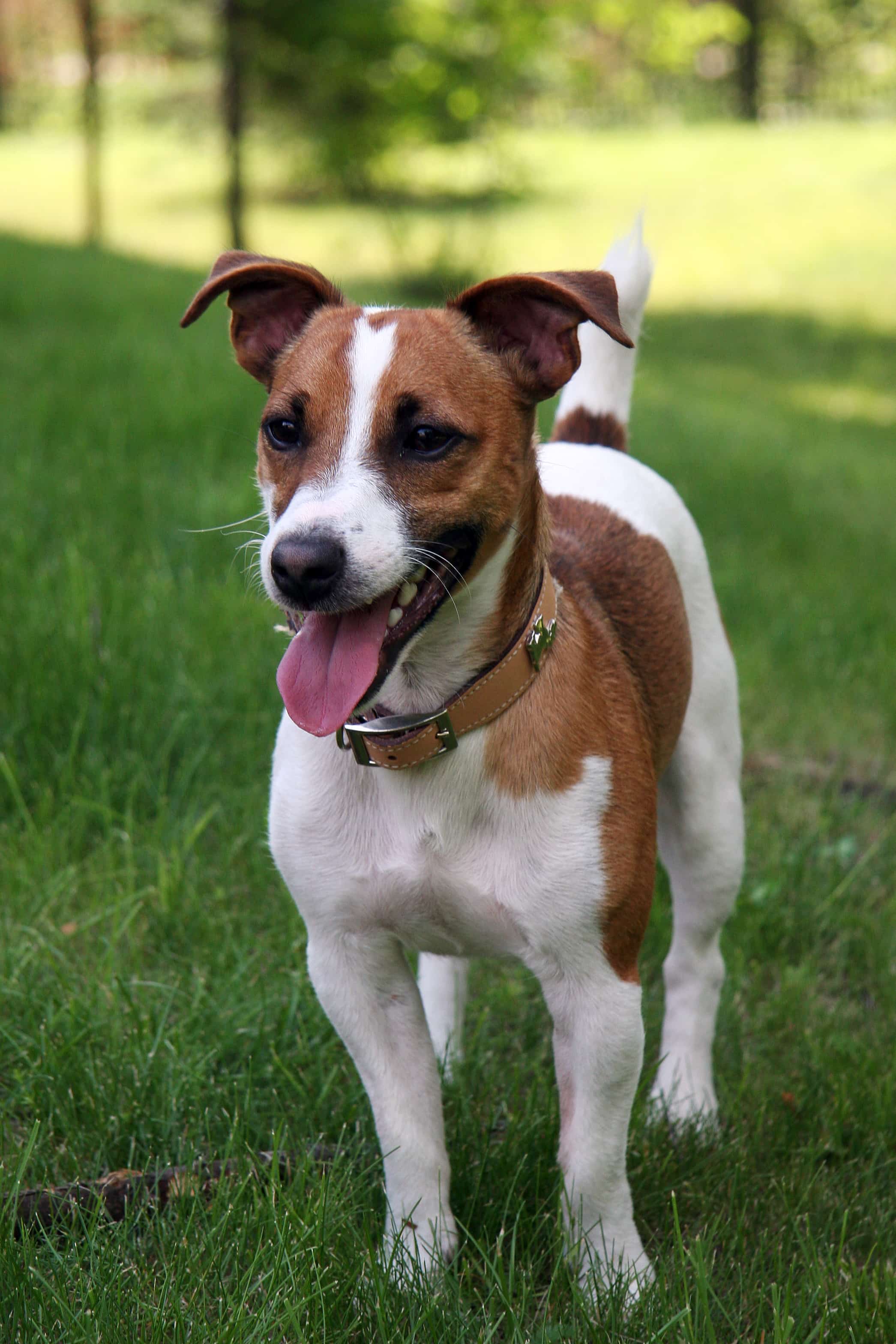
Jack Russell Terriers are small, high-energy terriers with bold hunting roots that fit best with active homes ready for training, secure routines, and daily mental work.

Is the Jack Russell Terrier right for your home?

Best match for...

Active Families
Training Ready Homes
Secure Yards

Strong fit if...

Active, hands-on home

You want a small dog with real athletic drive and can give daily walks, play, training games, and mental work.

Secure outdoor setup

Your yard, doors, and leash habits are managed because this clever terrier can chase, dig, and test weak spots.

Training is part of the fun

You enjoy short upbeat sessions and want a quick learner that stays easier when the brain is busy.

Think twice if...

Low-effort lap dog

This is not the best fit if you want a small dog that mostly naps and needs little structured activity.

Loose small pets

Terrier prey drive can make rabbits, guinea pigs, chickens, wildlife, and sometimes cats risky without careful management.

Noise-sensitive neighbors

A bored or under-exercised Jack Russell can bark, dig, chew, or escape, so close quarters need an owner with a plan.

What daily life feels like

Daily life

Small body, busy schedule

Most Jack Russells need more than a casual stroll; daily movement plus puzzle toys, play, or training keeps home life smoother.

Daily life

Chasing and digging are normal instincts

The terrier background shows up in real life, so safe outlets and strong boundaries matter more than wishful thinking.

Daily life

Coat care is simple, but shedding happens

Smooth, broken, and rough coats are usually low fuss with regular brushing, though white hairs still show up indoors.

Daily life

They want a job

A Jack Russell left to invent entertainment may choose barking, digging, or furniture patrol, so planned activities pay off.

Training and handling

Training

Short reps beat drilling

Quick reward-based sessions usually work better than long repetitive practice because the breed is smart and easily bored.

Training

Teach real-life manners early

Focus on recall, leash skills, calm greetings, leave-it, drop-it, and door routines before speed and excitement take over.

Training

Be careful with off-leash freedom

Even a trained Jack Russell may chase a squirrel or rabbit, so fenced areas and long-line practice are safer than assumptions.

Training

Channel the prey drive

Fetch, scent games, trick work, agility-style play, and tug with rules can give busy instincts somewhere appropriate to go.

Health and cost

Plan for it

Eyes and knees deserve screening

Ask about eye checks, primary lens luxation risk, and patellar luxation because those issues can matter in the breed.

Plan for it

Hearing and movement can matter

Responsible breeders may also discuss hearing checks and movement-related conditions, including ataxia and Legg-Calve-Perthes risk.

Plan for it

Watch for urgent eye signs

Sudden eye pain, cloudiness, squinting, vision change, lameness, or balance trouble should prompt quick veterinary care.

Plan for it

Budget for a long active life

Food costs are modest, but training support, dental care, safe fencing, preventive care, and emergency savings still matter.

Did you know?

Fox-hunting roots

The breed was developed as a working terrier, which helps explain the speed, stamina, boldness, and digging instinct.

Three coat types

Jack Russell Terriers can have smooth, broken, or rough coats, and all still need basic brushing and skin checks.

White had a purpose

The mostly white coat was useful because it helped people distinguish the dog from quarry and surroundings in the field.

Size can fool people

Many Jack Russells need more structure and activity than much larger dogs, so the small package is not the whole story.

Breeds similar to the Jack Russell Terrier

Browse all breeds
Rat Terrier

Rat Terrier

Terrier Small High energy

Rat Terriers are bright, athletic small terriers that mix family-dog affection with real watchdog alertness and hunting drive. They fit best with homes that want a very trainable companion and can keep up with daily exercise, mental work, and clear rules around barking and chasing.

Bull Terrier

Bull Terrier

Terrier Medium High energy

Bull Terriers are clownish, muscular terriers that fit active homes ready for steady training, daily exercise, and realistic management around their strong-willed side.

Staffordshire Bull Terrier

Staffordshire Bull Terrier

Terrier Medium High energy

The Staffordshire Bull Terrier is a medium-size terrier breed that tends to come across as brave, clever, and tenacious once it settles in. They usually make the most sense for family households that want a dog involved in everyday home life and owners who are realistic about daily exercise and mental work.

Airedale Terrier

Airedale Terrier

Terrier Large High energy

Airedale Terriers are big, brainy terriers that mix watchdog confidence with a friendlier family side than many people expect. They fit best with active homes that want a dog with real personality and can stay ahead of exercise, grooming, and stubborn terrier habits.

Beagle

Beagle

Hound Small High energy

Beagles are cheerful scent hounds with strong noses and big voices. They fit active homes ready for training, sniffing, and secure routines.

Miniature Schnauzer

Miniature Schnauzer

Terrier Small Medium energy

Miniature Schnauzers are smart, alert small dogs with low-shedding coats, watchdog instincts, and a need for regular grooming, exercise, and mental work.

Breed Traits

Energy Level5/5
Trainability3/5
Shedding3/5
Health Concerns3/5
Barking Tendency4/5
Good with Kids3/5
Good with Dogs3/5