Browse Breeds A-Z
Non-Sporting Group

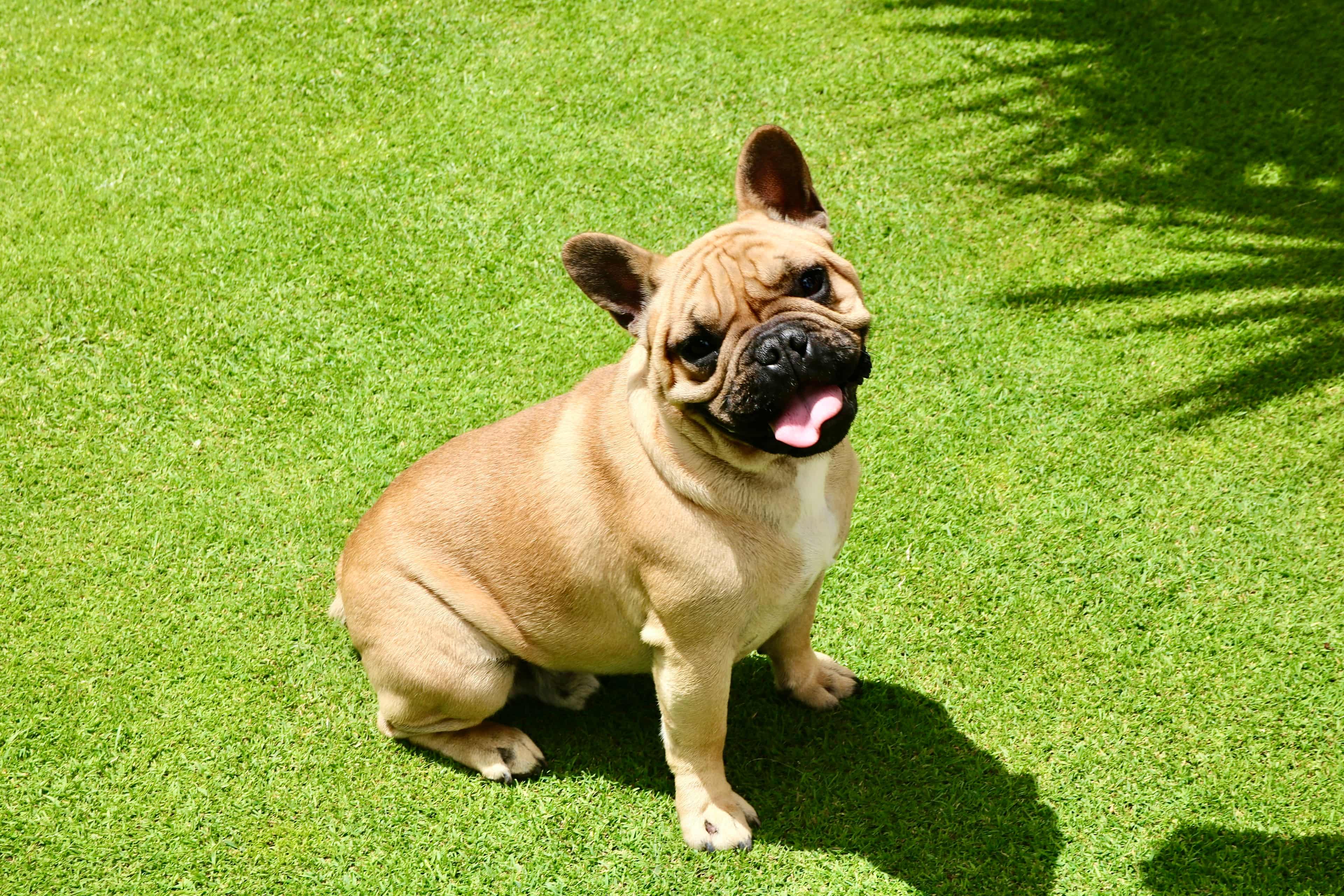
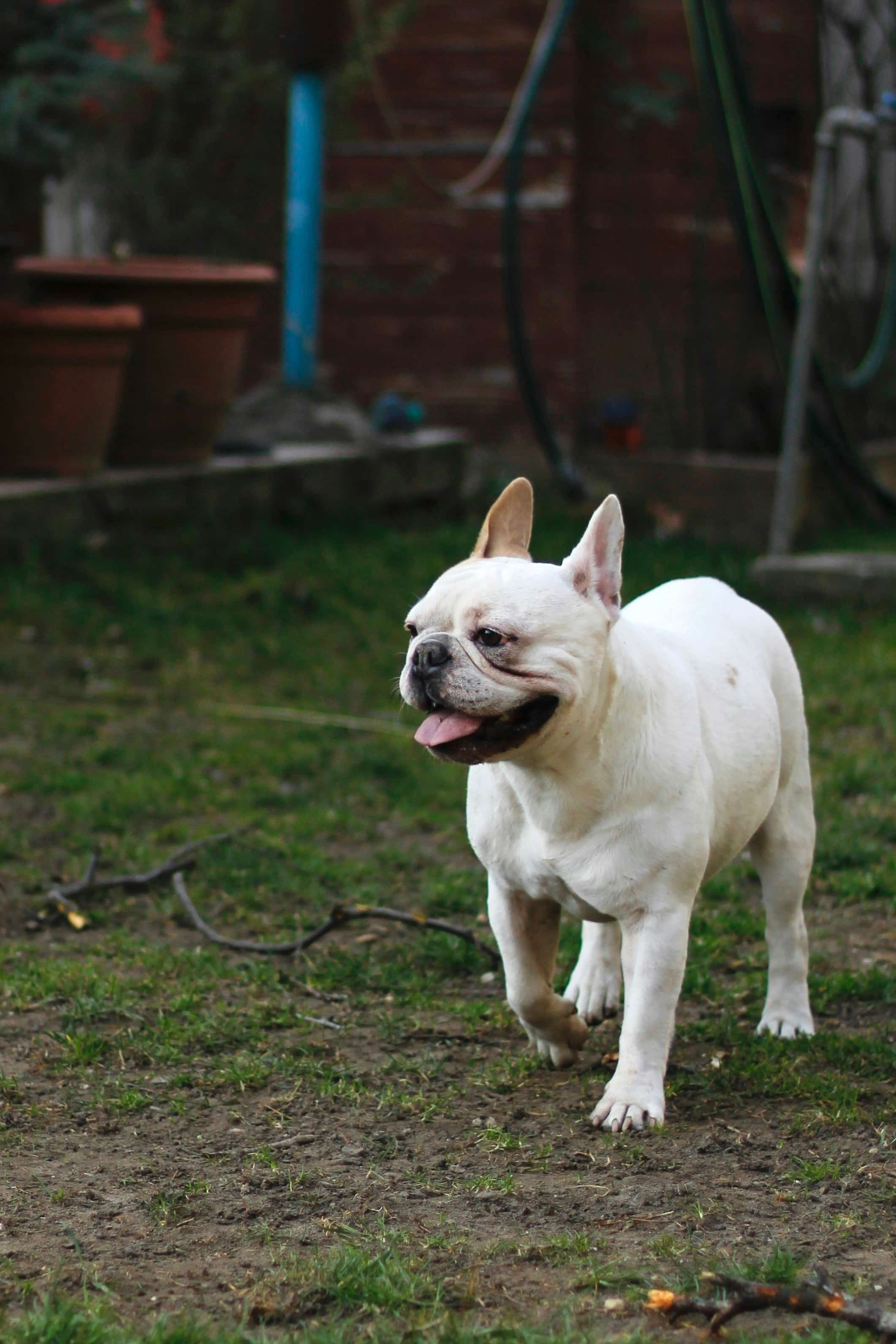
French Bulldog

PlayfulAffectionateAdaptable
French Bulldog

Height

11-13 inches

Weight

under 28 pounds

Life Expectancy

10-12 years

Size

Small

What French Bulldogs are like

French Bulldogs are affectionate, compact companion dogs best for smaller homes that can manage heat sensitivity, breathing risk, and steady everyday care.

Is the French Bulldog right for your home?

Best match for...

Families
Children

Strong fit if...

Apartment or smaller-home companion

French Bulldogs often fit smaller homes well because they want close company more than big mileage or nonstop outdoor time.

You want a funny shadow dog

Many Frenchies are affectionate little companions that like staying near their people instead of drifting off to do their own thing.

You can plan around care limits

The strongest fit is a household ready to treat climate control, moderate exercise, and recurring upkeep as normal daily life.

Think twice if...

You want an athletic outdoor dog

This is a weak fit for long hikes, hot-weather adventures, or owners expecting a dog that can safely push through hard exercise.

You want a cheap easy small breed

Breathing, skin, allergy, eye, and possible spine issues can make French Bulldog ownership more expensive and hands-on than many expect.

The dog will be alone most days

Frenchies are companion dogs first, so too much isolation can show up as clinginess, boredom, or nuisance habits at home.

What daily life feels like

Daily life

Short walks usually beat long outings

Most French Bulldogs do best with moderate walks, indoor play, and cooler outings instead of big endurance exercise sessions.

Daily life

Wrinkle and body care repeat all year

Skin-fold cleaning, ear checks, nail trims, dental care, and steady weight control are part of the normal rhythm with the breed.

Daily life

Comfort matters more than distance

Hot sidewalks, humid afternoons, and rough all-day adventures are often much tougher on a Frenchie than owners expect from a sturdy little dog.

Training and handling

Training

Use food, humor, and short reps

French Bulldogs can learn well, but many tune out during long repetitive sessions, so short positive training usually lands better.

Training

Teach manners before charm takes over

Leash walking, calm greetings, waiting at doors, and alone-time practice matter because a cute dog can still get pushy fast.

Training

Handle heat and exertion conservatively

Training and exercise should happen in cooler windows and stop well before heavy panting or obvious breathing strain sets in.

Health and cost

Plan for it

Flat-faced breathing risk is the big tradeoff

The breed's face shape can bring airway issues, overheating risk, and real limits around climate, stress, and exercise intensity.

Plan for it

Skin, eyes, allergies, and spine need attention

Frenchies often need more day-to-day monitoring than people expect, especially around folds, ears, eyes, and mobility trouble.

Plan for it

Budget above small-dog assumptions

Routine care may feel manageable, but careful sourcing and above-average vet costs make this a pricier companion breed than size alone suggests.

Did you know?

French roots, English background

The breed took shape in France from small bulldog types exported from England, which is part of how the name stuck.

Bat ears became the signature

The upright bat ear is one of the features that helped define the modern French Bulldog look.

Companion first

French Bulldogs became popular as close home companions, which helps explain the breed's people-first personality today.

Small size can hide big care needs

Their compact build looks easy, but climate control, breathing awareness, and health planning matter more than with many other small breeds.

Breeds similar to the French Bulldog

Browse all breeds
Shiba Inu

Shiba Inu

Non-Sporting Small Medium energy

Shiba Inus typically pair active, alert, and attentive traits with the presence of a small non-sporting dog. They are often strongest fits for homes where training and structure are part of the weekly routine, especially when the household can stay on top of consistent training and socialization.

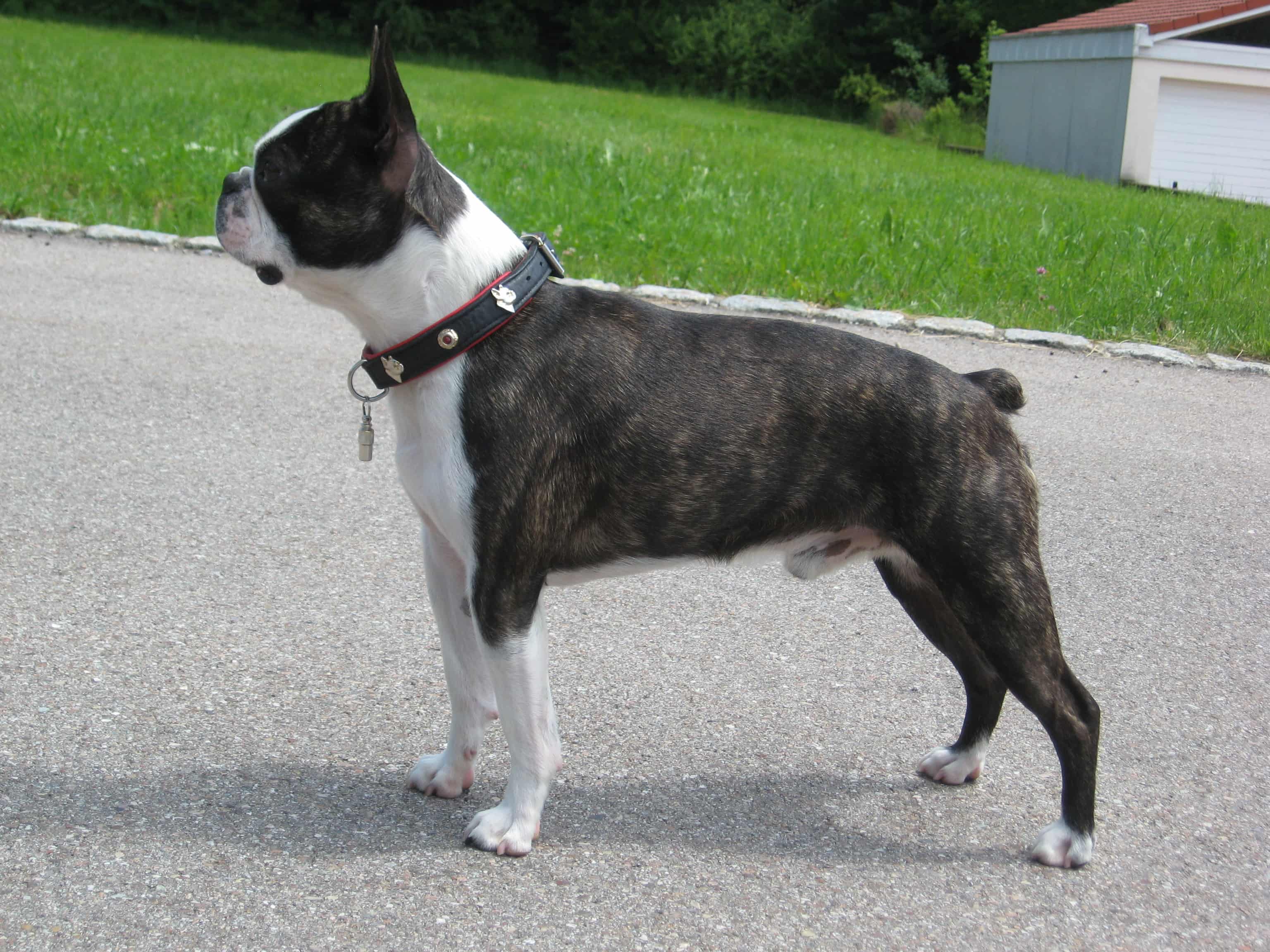
Boston Terrier

Boston Terrier

Non-Sporting Small High energy

People are often drawn to the Boston Terrier for its amusing, bright, and friendly mix wrapped in a small non-sporting frame. They fit best when family households that want a dog involved in everyday home life can plan around daily exercise and mental work and coat upkeep and grooming instead of treating the breed like a plug-and-play match.

Bulldog

Bulldog

Non-Sporting Medium Medium energy

Bulldogs, also called English Bulldogs, are affectionate, low-key companions best for calmer homes that can manage heat sensitivity and health needs.

Miniature Poodle

Miniature Poodle

Non-Sporting Small High energy

Miniature Poodles are bright, athletic small dogs that pair low-shedding curls with real daily energy and a strong habit of staying involved with their people. They usually fit best with homes that want a highly trainable companion and can stay on top of grooming, exercise, and mental work.

Bichon Frise

Bichon Frise

Non-Sporting Small High energy

Bichon Frises typically pair curious, peppy, and playful traits with the presence of a small non-sporting dog. They are often strongest fits for family households that want a dog involved in everyday home life, especially when the household can stay on top of daily exercise, mental work, and coat upkeep.

Chow Chow

Chow Chow

Non-Sporting Medium Medium energy

Chow Chows are sturdy non-sporting dogs known for their lion-like coat, dignified temperament, and independent streak. They fit homes that can handle regular grooming, early socialization, and a dog that is often reserved rather than eager-to-please.

Breed Traits

Energy Level3/5
Trainability4/5
Shedding3/5
Health Concerns4/5
Barking Tendency1/5
Good with Kids5/5
Good with Dogs4/5