Browse Breeds A-Z
Non-Sporting Group

Dalmatian

DignifiedOutgoingSmart
Dalmatian

Height

19-24 inches

Weight

45-70 pounds

Life Expectancy

11-13 years

Size

Medium

What Dalmatians are like

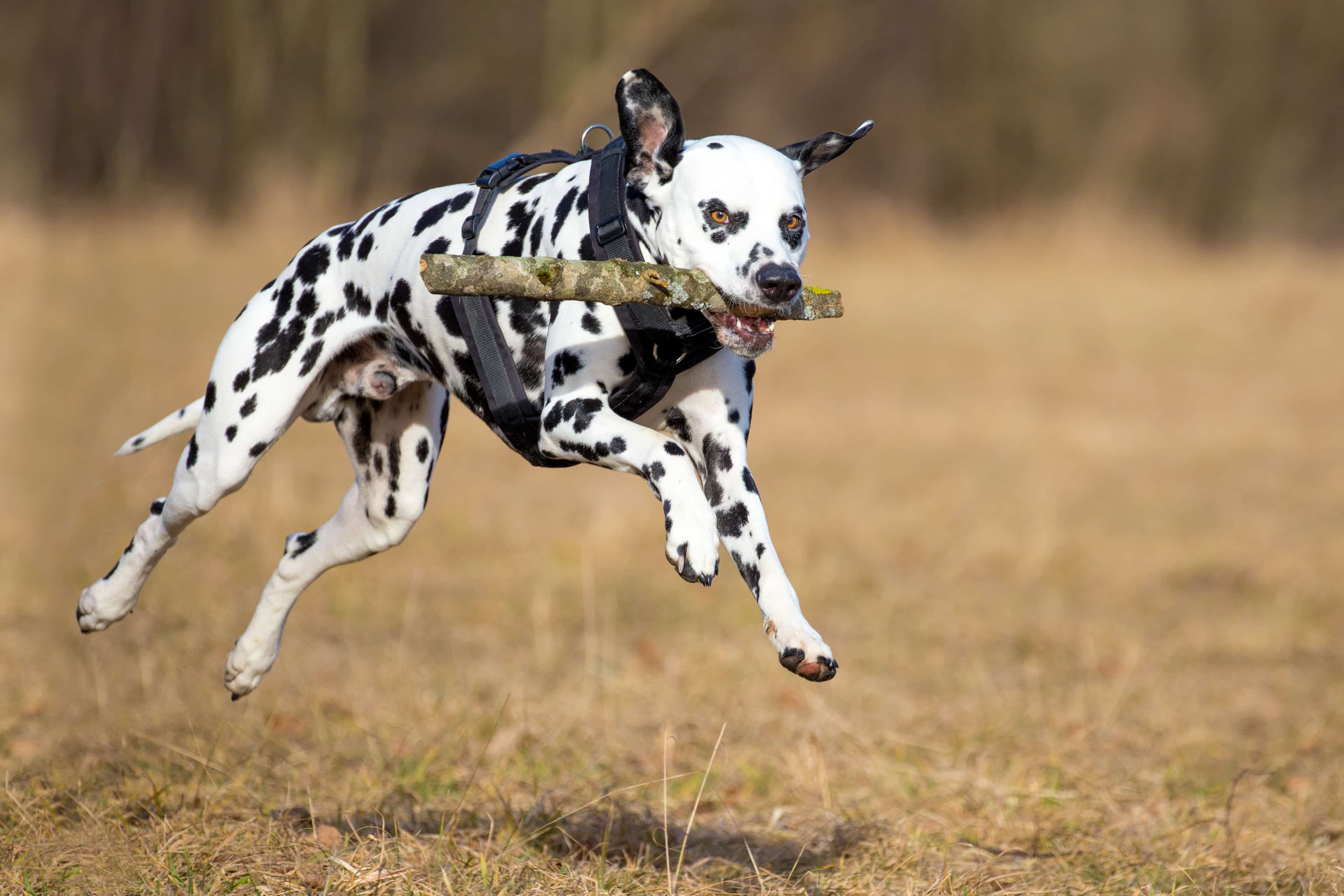
Dalmatians are athletic spotted dogs with more stamina and presence than the cartoon image suggests. Most adults stand about 19 to 24 inches and weigh roughly 45 to 70 pounds, so they feel sturdy, fast, and very capable of turning a quiet day into a busy one. Many combine an outgoing social side with a dignified streak and a brain that gets bored fast. In the right home, a Dalmatian feels funny, affectionate, and ready to join almost any plan. In the wrong home, the same dog can feel restless, noisy, mouthy, or harder to settle than expected. This is not usually a low-maintenance breed: the coat care is simple, but the exercise, shedding, training consistency, and health planning are all real parts of the package.

Is the Dalmatian right for your home?

Best match for...

An active home that wants an athletic medium-to-large dog with real stamina, can give daily exercise and training, and is comfortable with shedding, breed-specific health questions, and a dog that likes being part of the action.

Active homes
Daily exercise
Hands-on training

Strong fit if...

You want a sporty companion, not just a decorative spotted dog

Adult Dalmatians often love long walks, hikes, training games, and other active routines with their people. If you want a dog that feels ready to do things with you, the breed can be a lot of fun.

You can give the dog structure every day

This breed usually does better with a real routine than with random bursts of effort. Regular exercise, short training sessions, and clear house rules help a Dalmatian settle much more easily.

Your family can supervise a bouncy, athletic dog around kids

Many Dalmatians can do well in active family homes, but the smoothest fit usually comes when adults manage excitement, teach calm greetings, and do not expect instant self-control from a high-energy dog.
Think twice if...

You want a low-effort couch dog

A Dalmatian without enough physical and mental work can invent its own entertainment fast. That can show up as pacing, barking, chewing, pestering, or general mischief.

You need the most chaos-proof family pet

The breed can be affectionate and social, but high energy plus sensitivity is not the easiest mix for every loud, unpredictable home. Busy households usually need more supervision and consistency than they expect.

You are not ready for shedding and breed-specific health planning

The short coat still sheds a lot, and the breed has real hearing and urinary-health questions owners should understand early. If you want the simplest possible dog on both fronts, other breeds may feel easier.

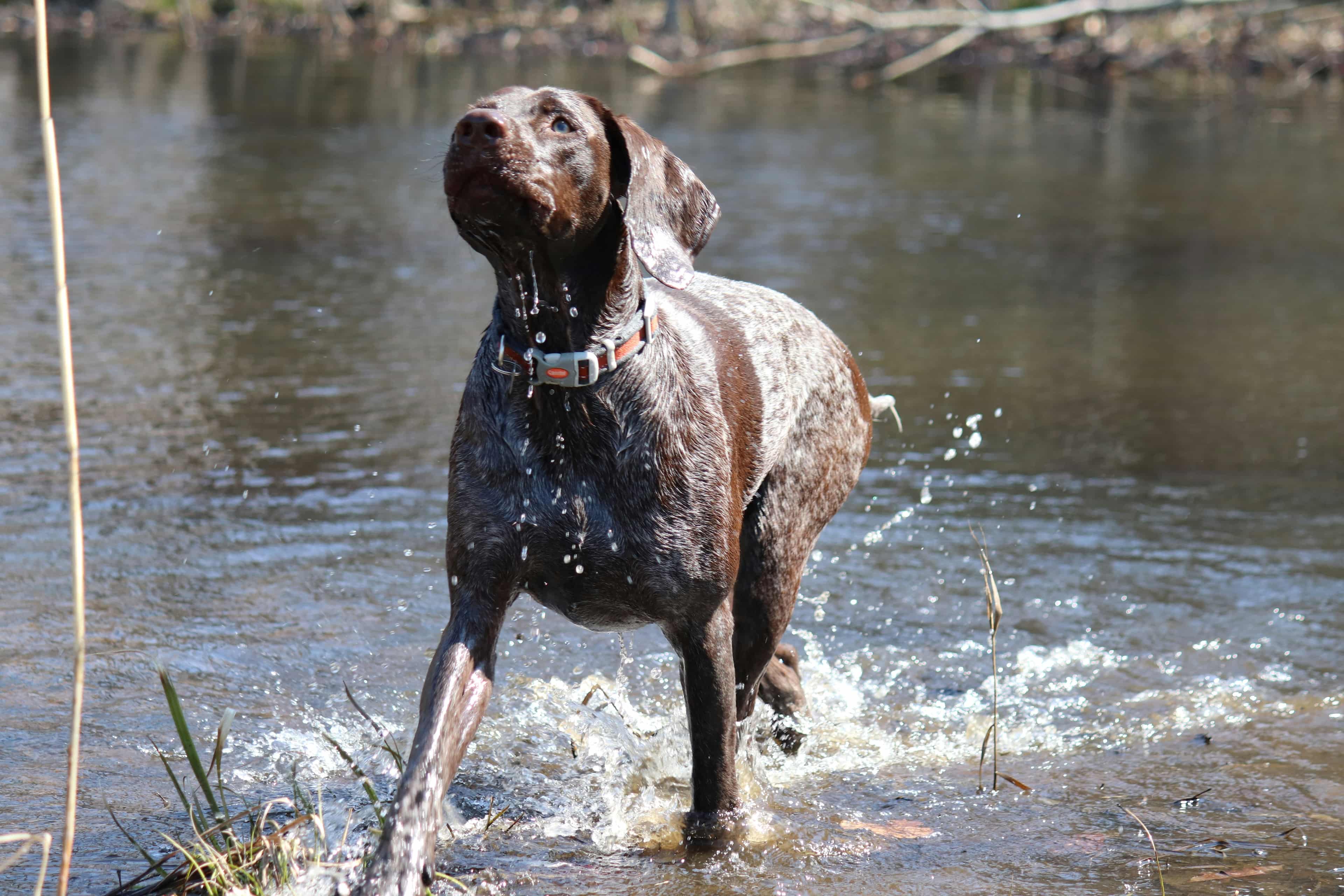
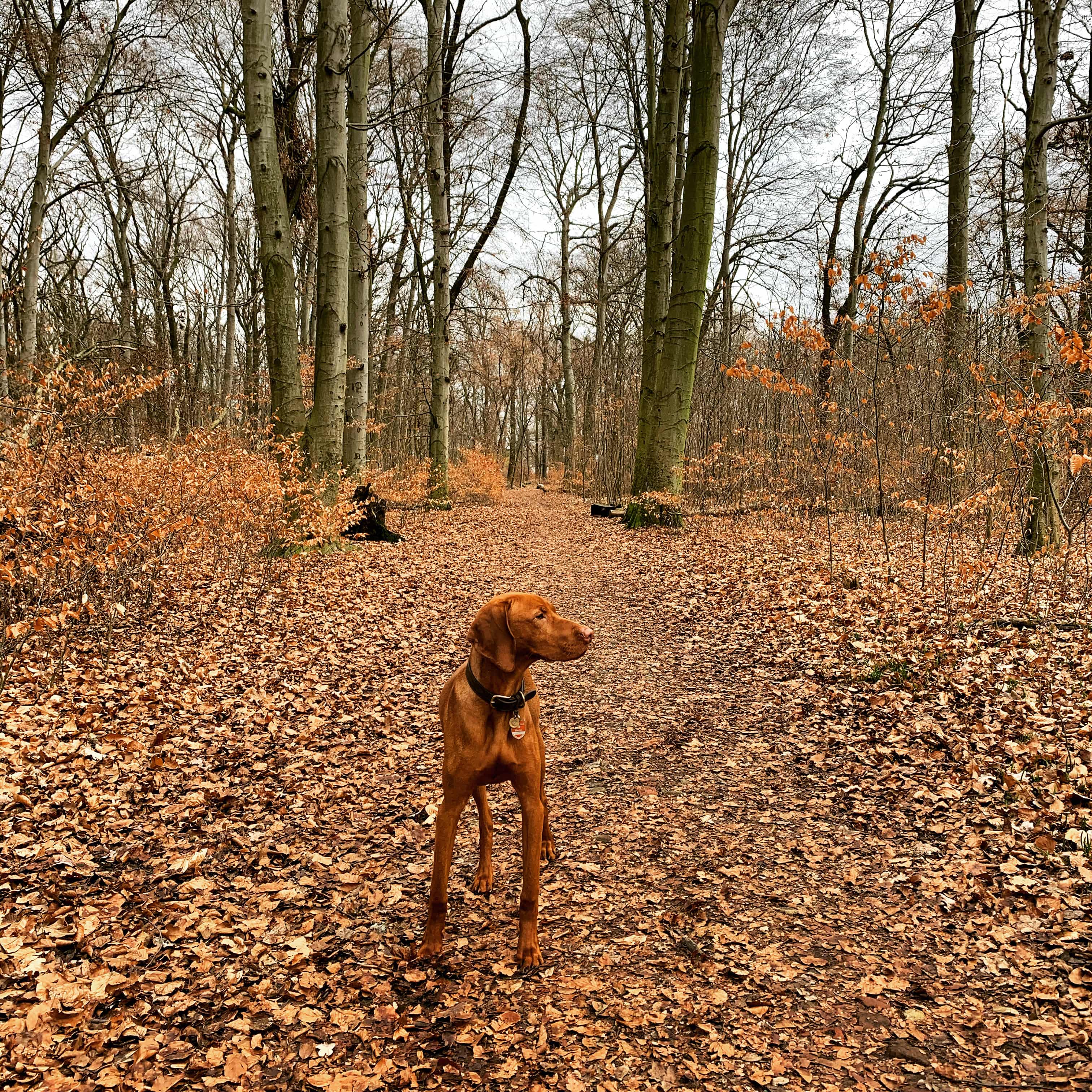
If you are comparing other athletic medium-to-large companion breeds, start with the Vizsla, Weimaraner, and German Shorthaired Pointer, then use the breed compare tool to line up the tradeoffs side by side or try the match quiz and breed mixer for a broader fit check.

What daily life feels like

Daily life

Exercise is the main lifestyle test

Dalmatians are often happiest when they get real movement, not just a quick potty break. Walks, play, training games, and safe chances to stretch out make a big difference, and many adults love joining active owners for longer outings.

Daily life

The short coat is easy to wash but not light to live with

This is one of those breeds that surprises people. Grooming is simple, yet the coat can still drop hair steadily around the house. Brushing helps, but it does not turn the breed into a low-shed dog.

Daily life

They usually want to be where the people are

A lot of Dalmatians like being involved in household life and do not thrive when they are left bored and under-stimulated for long stretches. Their outgoing side is part of the appeal, but it also means they need attention, structure, and enough to do.

Daily life

Alertness is common, but that is not the same as being an easy guard dog

Many Dalmatians notice visitors and strange sounds quickly, so they can feel watchful around the house. That does not mean every Dalmatian is a serious protection dog. Most do better with steady training and good manners than with owners trying to turn them into something harder-edged.

Training and handling

Training

Positive training works better than force

Dalmatians are smart, but they can also be sensitive. Clear rules, rewards, repetition, and calm handling usually get better results than harsh corrections or constant frustration.

Training

Start socialization and manners work early

Expose Dalmatian puppies to new places, people, and normal life early. That helps the dog grow into the confident outgoing companion most owners actually want, instead of an overreactive one.

Training

Leash habits and impulse control matter more than people expect

Because the breed is strong, energetic, and easily excited, daily handling skills make a huge difference. Loose-leash walking, polite greetings, settling in the house, and a reliable routine are all worth teaching early.

Health and cost

Plan for it

Ask direct questions about hearing tests

Deafness is a real issue in Dalmatians, and responsible breeders test both parents and entire litters. That is not a fussy extra question. It is one of the most important breed-specific checks to make.

Plan for it

Urinary issues deserve a proactive vet conversation

Dalmatians are known for a tendency toward urinary stones, so fresh water, frequent bathroom breaks, and an informed food conversation with your vet matter more here than they do in many breeds. If a dog strains to pee or you notice blood in the urine, that is vet-call territory.

Plan for it

The real maintenance cost is lifestyle plus vet planning

Coat care is simpler than with long-coated breeds, but training, exercise outlets, secure space, good food, and routine veterinary care still add up. A cheaper puppy does not stay cheap if the home is not ready for the breed's energy and health needs.

Did you know?

Dalmatian puppies are born without spots

The spots develop after birth, which is one of the breed facts people remember best once they see a litter for the first time.

The breed made its name as a coach dog

Dalmatians were bred to trot beside horse-drawn coaches and guard the horses and rig when unattended. That old job helps explain the breed's stamina and long tie to horses.

The firehouse image started in the horse-drawn era

Dalmatians became closely associated with firefighters because they could run with fire wagons and help clear the way. The mascot image is real history, not just movie branding.

Dalmatia in present-day Croatia is part of the breed's origin story

The breed's full history is older and more debated than most people realize, but Dalmatians were already closely associated with Dalmatia by the early 1800s.

Breeds similar to the Dalmatian

Browse all breeds

Breed Traits

Energy Level5/5
Trainability4/5
Health Concerns3/5
Barking Tendency3/5
Good with Kids5/5
Good with Dogs3/5