Browse Breeds A-Z
Hound Group

Carolina Dog

ReservedWatchfulAthletic

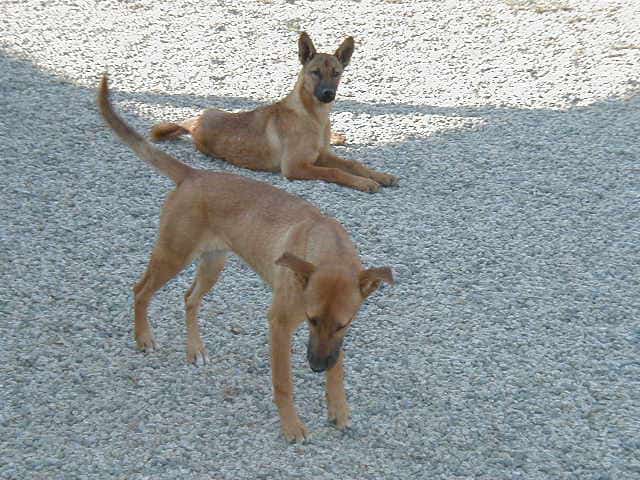
The Carolina Dog is a lean, medium-sized dog with upright ears, a watchful nature, and a strong need to understand its surroundings. It can form a close bond with its people, but many are reserved with strangers and do best with patient handling rather than being pushed into every social situation. This is an athletic, thoughtful companion for a home that can offer daily activity, secure boundaries, and time to build trust. These figures are useful guides, not promises for every dog. A healthy adult's weight, activity needs, and lifespan depend on its build, age, health, care, and individual history.

Carolina Dog

Breed group

Hound

Size

Medium, lean, and lightly built

Typical height

About 18-24 inches

Typical weight

About 35-50 pounds

Life expectancy

About 12-15 years

Energy

Moderate, with a need for daily walks, play, and mental activity

Coat

Short to medium, with a seasonal undercoat

Shedding

Yes, with heavier shedding as the coat changes seasonally

What Carolina Dogs are like

Carolina Dogs have a distinctive, lean outline that is often compared with a small sighthound. Free-ranging dogs of this type were documented in the southeastern United States in the 1970s. Their deeper ancestry is still being studied, so it is better to treat simple origin stories with care than to present them as settled fact.

The breed standard describes a generally shy or suspicious nature. In everyday life, that can mean a Carolina Dog watches a new person before deciding to come closer, or prefers a calm introduction over a busy greeting. Reserved does not mean that a dog should be intensely fearful or aggressive. A well-matched dog should have support, space, and training that help it feel safe.

At home, many Carolina Dogs are attentive to their own people and enjoy a steady routine. They are not automatically a fit for every visitor-heavy household or for someone who wants a dog that happily greets every stranger. Meet the individual dog and ask direct questions about its comfort with people, handling, children, dogs, cats, small pets, traffic, noise, and time alone.

Is a Carolina Dog right for your home?

Best match for...

Patient people who enjoy daily walks, outdoor time, and short training games, and who can let a reserved dog warm up at its own pace. The strongest match has secure doors, gates, and fencing; wants to build trust rather than demand instant friendliness; and understands that a dog's individual temperament matters more than its looks.

Patient Homes
Secure Yards
Training Ready Homes
Hands On Owners

Strong fit if...

You can provide daily walks, safe play, sniffing, and simple training or puzzle games.

You are comfortable giving a dog space around unfamiliar people instead of forcing greetings.

You can use a leash and secure enclosure, and can be careful with doors, gates, and wildlife.

You want a fairly simple coat-care routine and can still keep up with brushing, nails, teeth, and routine veterinary care.

You will assess the individual dog carefully if young children, cats, small pets, frequent visitors, or a busy neighborhood are part of the household.

Think twice if...

You want a dog that is reliably outgoing with every new person from day one.

You cannot offer regular shared activity and expect a yard alone to meet the dog's needs.

You need a dog that can safely roam off leash in unfenced places.

You have small pets and do not have a careful introduction and management plan.

You do not have the patience to build confidence gradually with a dog that may be cautious in new settings.

What daily life feels like

Daily life

A daily routine beats trying to wear the dog out

Carolina Dogs need daily physical activity, but they are not necessarily nonstop dogs. Walks, safe play, sniffing, hide-and-seek, food puzzles, and short training games can make an ordinary day satisfying. The right amount changes with the dog's age, health, fitness, weather, and personality. Build a routine you can keep in a normal week. A healthy adult may enjoy several chances to get outside plus a little brain work at home. Puppies need short, age-appropriate outings, quiet naps, and gentle practice with the world. Avoid treating exhaustion as the goal. A dog that has safe ways to explore and rest is easier to live with than one that is simply over-tired.

Daily life

Secure boundaries are part of the plan

Use a leash in open places and save off-leash time for a truly secure enclosure. A Carolina Dog may become interested in a scent, a squirrel, or a running small animal. Recall training is valuable, but it is not a reason to take chances near traffic, wildlife, or open gates. Check fences, latches, and the space under gates. Give the dog a better activity than patrolling the yard alone: take a walk, scatter a meal in a safe place, or practice a few cues together. A yard is useful when it is safe, but it does not replace companionship, exercise, or training.

Daily life

The coat is simple to maintain, but it still needs care

The coat is short to medium in length and can become denser in cooler weather. A regular brush helps remove loose hair, especially while the seasonal undercoat is changing. Most dogs only need a bath when they are dirty or need it for a skin-care plan from their veterinarian. Keep nail trims, tooth brushing, ear checks, and quick paw and skin checks on the calendar. Start calm handling early. A dog that has learned that brushing, nail care, and a veterinary exam are predictable is easier to care for throughout its life.

Daily life

Children, dogs, and smaller animals need individual planning

Some Carolina Dogs can live well with children or other dogs, especially with patient introductions and adult supervision. Do not turn that possibility into a promise. Teach children to let the dog walk away, never disturb it while eating or sleeping, and avoid rough games that make the dog feel trapped. Cats and smaller pets need extra care. Ask a breeder, rescue, or foster home what the dog has shown around them, then make introductions slowly and supervise closely. Even a dog that lives peacefully with a familiar pet may still find fast-moving wildlife exciting outdoors.

Training and handling

Training

Start by building trust

Use short, reward-based training sessions and give the dog a clear choice to take part. Begin with everyday skills: responding to its name, walking without pulling, waiting at doors, settling on a mat, accepting handling, and coming when called in a secure place. Food, toys, praise, and access to a safe sniff can all be useful rewards. A reserved dog does not need to greet everyone to be well socialized. Better socialization is calm, positive practice with household sounds, car rides, surfaces, gentle handling, friendly people, and settled dogs. Let the dog watch from a comfortable distance when it needs to. Pushing it into attention can make a cautious dog less comfortable, not more confident.

Training

Practice calm visitor routines

Plan ahead for delivery people and guests. A bed behind a gate, a quiet room, or a chew in a separate space can be kinder and safer than asking a cautious dog to handle a busy doorway. Let guests ignore the dog at first and let the dog choose whether to approach. If you see fear, guarding, biting, intense pulling, or behavior that worries you, ask your veterinarian and a qualified reward-based trainer for help early. A clear plan is easier on everyone than waiting for the problem to grow.

Training

Give the dog's mind something useful to do

Simple scent games, finding a tossed treat in a safe area, hand targets, tricks, and food puzzles can help a Carolina Dog use its attention in a constructive way. Some also enjoy activities such as hiking, agility, rally, or nose work when the dog is healthy and the setting is safe. Avoid games that encourage bolting through doors, chasing real wildlife, or grabbing at hands. Management is part of training. Put a gate between the dog and a tempting doorway, use a leash when needed, and give the dog a safer job to do.

Health and cost

Every dog can become ill or injured. Routine veterinary care, parasite prevention, dental care, a healthy body condition, and prompt attention to changes in appetite, movement, eyes, breathing, or behavior are part of responsible ownership.

Plan for it

Ask for real health records

For a puppy, ask to see the parents' actual health records, not only a statement that they are healthy. The breed's parent club recommends genetic screening and evaluations of the eyes, heart, hips, shoulders, elbows, and kneecaps. Ask which tests were completed, what the results mean, and what is known about the health and temperament of close relatives. Health screening gives you useful information. It cannot promise that a puppy will never become sick, and an untested dog is not certain to have a problem. If you are adopting, the history may be incomplete. Ask what care and behavior information is known, then arrange a new-pet examination with your veterinarian.

Plan for it

Discuss medicines with your veterinarian

Some Carolina Dogs may be sensitive to ivermectin. Tell your veterinary team the dog's breed and history before giving antiparasitic medicine, especially if you are trying a new product or dose. Do not skip parasite prevention or change a prescribed medication without veterinary advice. Call your veterinarian promptly for signs such as persistent limping, trouble getting up, repeated skipping on a leg, squinting, eye redness, collapse, shaking, seizure-like activity, or a sudden change in behavior. A short video can be useful to your veterinary team when it is safe to take one.

Plan for it

Plan for the whole dog, not only food

Food and routine appointments are only part of the budget. Plan for a secure walking setup, training support, grooming tools, parasite prevention, dental care, pet care when you travel, and an emergency fund. A medium-sized dog with a simple coat can still have expensive needs.

Did you know?

The tail can form a fishhook shape

One distinctive feature of the Carolina Dog is a tail that may bend back toward the dog's head near the end, creating a fishhook shape. Its carriage changes with mood and movement, so a dog may hold it low when uncertain and higher when alert.

The coat changes with the season

The close coat can be noticeably heavier in winter or in colder climates. The head, ears, and front legs usually have short, smooth hair, while longer guard hairs can show over the neck, shoulders, and back.

The history is still being studied

Carolina Dogs are connected with free-ranging dogs documented in the southeastern United States. Their ancestry has prompted a great deal of interest, but research is still refining the picture. That uncertainty is a good reason to focus on the dog in front of you and its actual behavior, health, and needs.

More ways to explore the Carolina Dog

Carolina Dog FAQ

FAQ

Are Carolina Dogs good family dogs?

Some can be devoted, thoughtful family companions. The best fit depends on the individual dog's temperament, early experiences, training, adult supervision around children, and the family's ability to respect the dog's need for space. Do not assume every Carolina Dog will be comfortable with a busy home or frequent visitors.

FAQ

Are Carolina Dogs friendly with strangers?

Many are reserved or suspicious around unfamiliar people, so they are not usually the best choice for someone who wants an instantly social dog. Give the dog time and a calm introduction. Reserved behavior is different from severe fear or aggression, which needs professional help.

FAQ

Can Carolina Dogs live in apartments?

They may be able to if the household can provide reliable walks, toilet breaks, training, quiet rest, and safe daily activity. The size of the home is only one part of the decision. A dog that is alert at sounds or uneasy around hallway traffic may need more management in close quarters.

FAQ

How much exercise does a Carolina Dog need?

They need daily activity, but there is no one exercise number that suits every dog. Walks, safe play, sniffing, and short mental games are a useful base. Adjust the plan for age, health, weather, fitness, and the individual dog's behavior.

FAQ

Can Carolina Dogs live with cats or small pets?

Some may, but it should never be assumed. Ask what the individual dog has shown around cats and small animals, make introductions slowly, and supervise carefully. A dog that is calm with a household cat may still chase wildlife outdoors.

FAQ

Do Carolina Dogs bark a lot?

They can be alert to unfamiliar sounds or people. Some may bark to announce something new, while others are quieter. A steady routine, enough activity, and calm training can help, but no breed description can guarantee a quiet dog.

FAQ

Do Carolina Dogs shed or need much grooming?

They shed and usually shed more while the seasonal undercoat changes. Their coat is simpler to care for than a long, heavily trimmed coat: regular brushing, nail care, dental care, and baths when needed cover most of the work.

FAQ

What health records should a Carolina Dog breeder provide?

Ask to see genetic screening and records for the eyes, heart, hips, shoulders, elbows, and kneecaps. Also ask about the health and temperament of close relatives. Records help you ask better questions, but they do not guarantee a lifetime free of health problems.

FAQ

How long do Carolina Dogs live?

They are commonly estimated to live about 12-15 years. Genetics, preventive care, body condition, injuries, disease, environment, and chance all affect an individual dog's lifespan.

Breeds similar to the Carolina Dog

Browse all breeds

Breed Traits

Energy Level3/5
Trainability3/5
Shedding3/5
Health Concerns3/5
Barking Tendency3/5
Good with Kids3/5
Good with Dogs3/5